
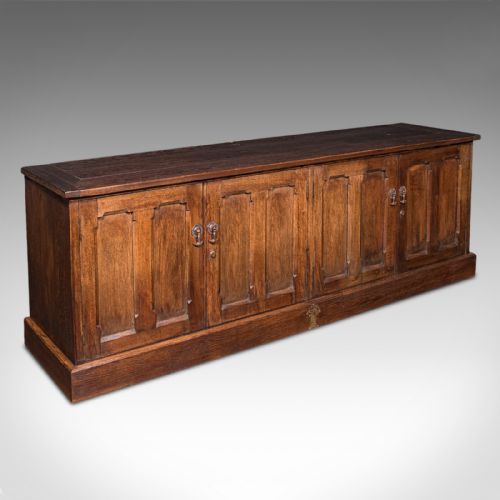


Antique Low Window Seat
An antique low window seat provides a practical perch beneath low glazing, combining period timberframes with upholstered or cane surfaces.
Antique Low Window Seat
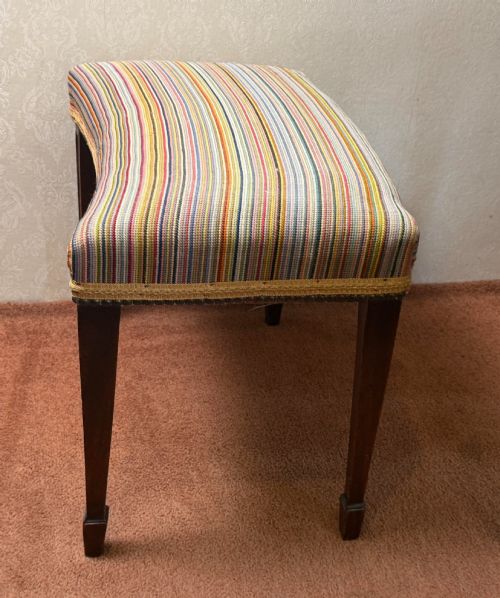
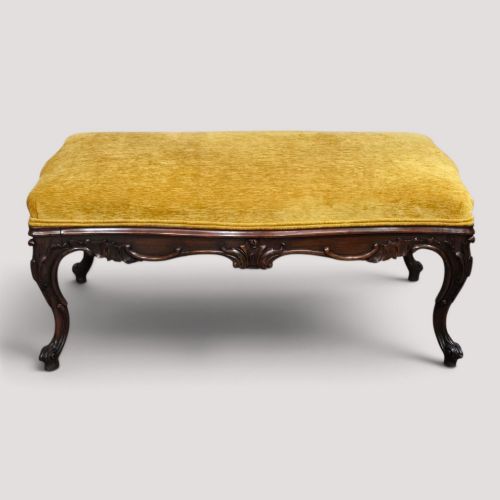
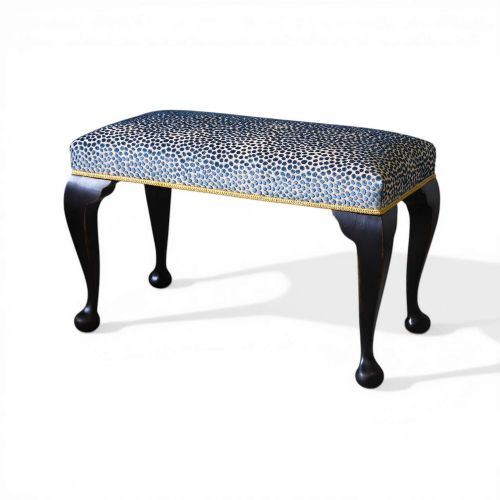
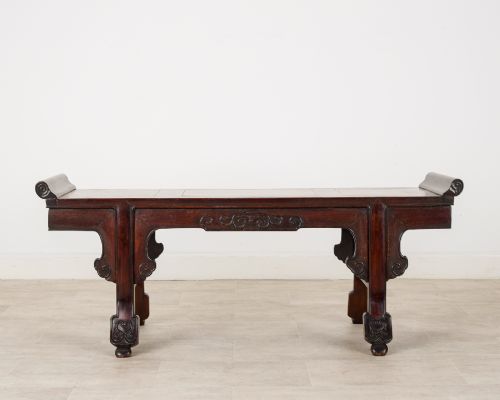
An antique low window seat takes several distinct forms, appearing frequently as benches, stools, and long footstools designed to sit beneath low window sills without blocking the light. The pieces on this page span the 18th century, Regency period, Victorian era, and Edwardian times, offering various proportions suited to domestic rooms.
Makers often drew upon varied stylistic influences, yielding examples in George III, Regency, Edwardian, Gothic Revival, French Régence, French Neoclassical, and Qing Dynasty aesthetics. These designs range from simple mahogany frames with square tapering legs to elaborately carved hardwood altar benches and giltwood stools.
Assessing quality in construction and finish
Quality rests in the crispness of the timber carving and the integrity of the underlying frame construction. Finer examples display deeply undercut carving and substantial hardwoods like rosewood or mahogany rather than softer secondary woods.
The integration of the seat material also dictates the standard of the piece, whether through tightly woven cane or well-sprung upholstered textile pads. Original surfaces and retained gilding or ebonisation elevate an item above heavily restored alternatives.
Several pieces double as coffee tables or storage boxes, proving that Victorian furniture designers loved multifunctional domestic surprises.
Gillows
The Antique Low Window Seat Glossary
- Cane
- Woven rattan material used to form resilient and lightweight seat panels. It provides a breathable surface common on 19th-century stools.
- Giltwood
- Timber coated with a thin layer of gold leaf or gilt powder. This finish appears on decorative French and English period seats.
- Regency
- A British design period spanning the early 19th century. Furniture from this era often incorporates classical motifs and dark timbers.
- Tapering legs
- Furniture legs that gradually narrow toward the foot. This feature is common on 18th-century mahogany stools.
Antique Low Window Seat: Frequently Asked Questions
Where should I place a low window seat?
These seats suit positioning beneath low window sills where standard chairs would block the view or light. They also function effectively at the foot of a bed or within narrow hallways.
Their compact proportions allow them to fit into transitional spaces without overwhelming the room.
How do I care for antique cane seats?
Cane requires occasional light cleaning with a damp cloth to prevent the natural fibres from becoming brittle. Keeping the material hydrated in overly dry rooms extends its lifespan.
Avoid placing heavy concentrated loads on aged cane panels to prevent snapping.
What is the difference between a stool and a window seat?
While many window seats share proportions with large stools, traditional window seats are specifically scaled in height and length to sit comfortably beneath glazing. Some feature handles or decorative ends designed for interior sightlines.
Stools serve multiple utilitarian purposes throughout the home beyond placement by windows.
How do I identify a Regency period frame?
Regency pieces often utilise rosewood or mahogany with neoclassical influences inspired by ancient Greek and Roman forms. Look for restrained classical carving and sabre or turned legs.
These designs date from the early 19th century and reflect a shift toward archaeology-inspired motifs.