



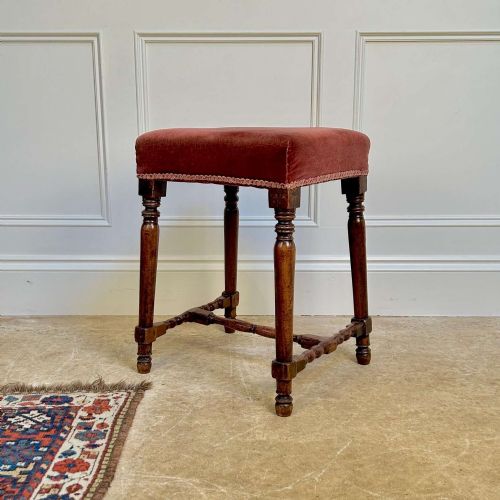
Georgian Dressing Seat
A georgian dressing seat offers practical comfort at a vanity, combining period timber and upholstery.
Georgian Dressing Seat
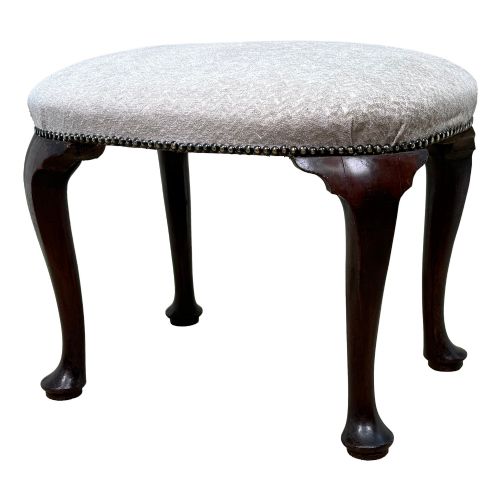
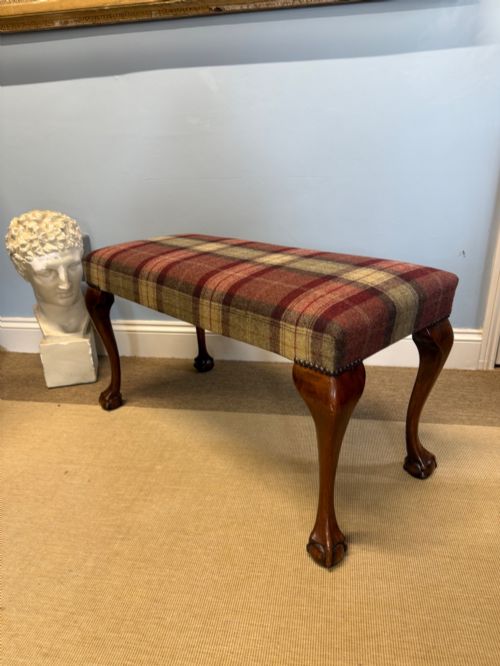
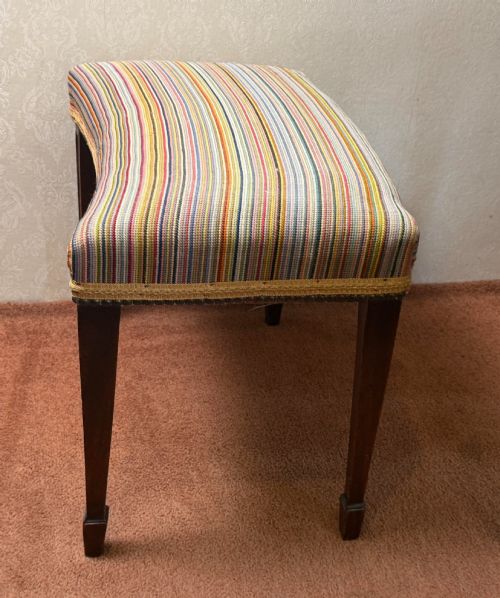
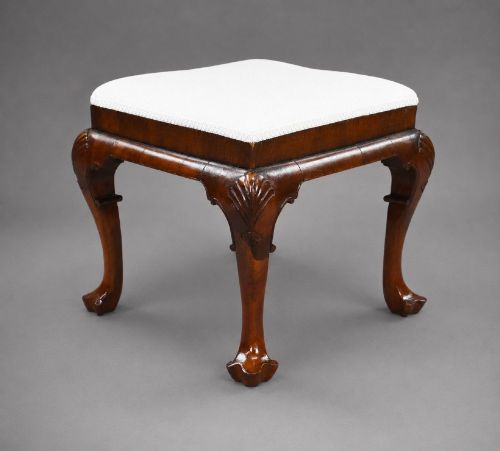
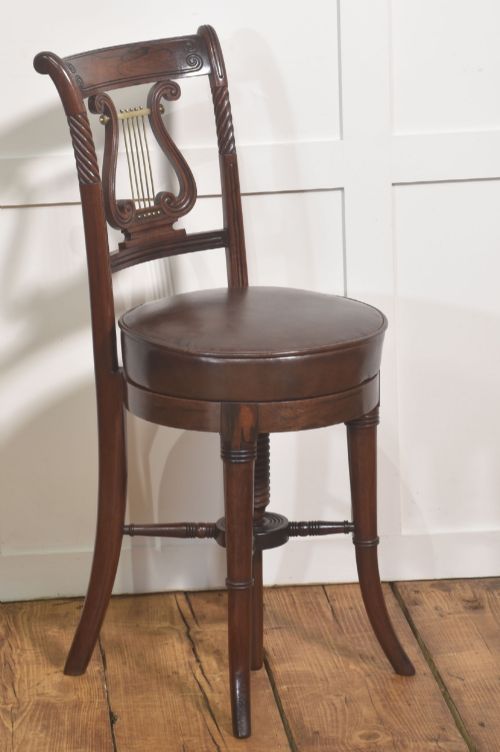
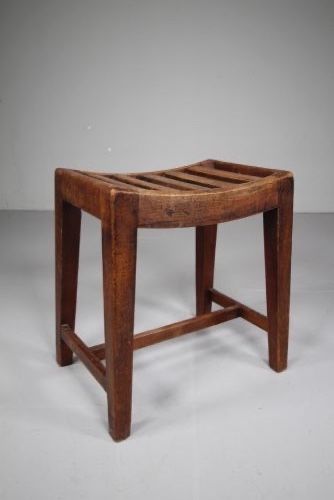
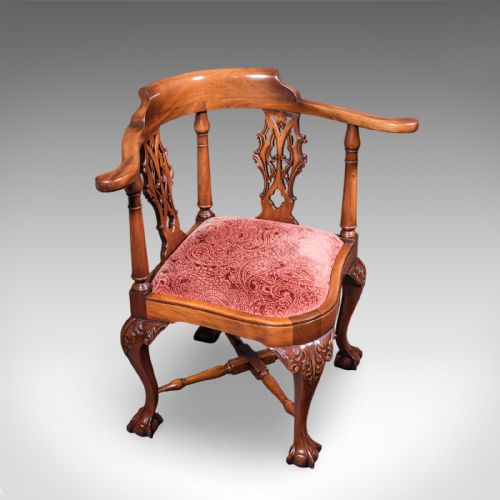
When searching for a georgian dressing seat, a buyer encounters stools, footstools, and dressing chairs designed for the bedroom or dressing room. These seating forms range from compact vanity stools to larger window seats and benches.
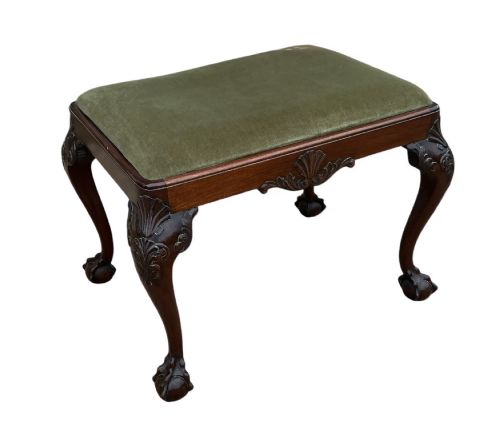
The versions met most frequently on this page span the eighteenth century, the regency period, and later revival styles such as the georgian revival and chippendale style. Timber frames in mahogany or walnut predominate across these offerings.
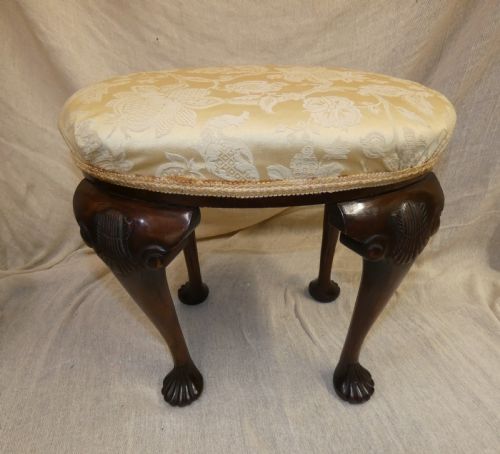
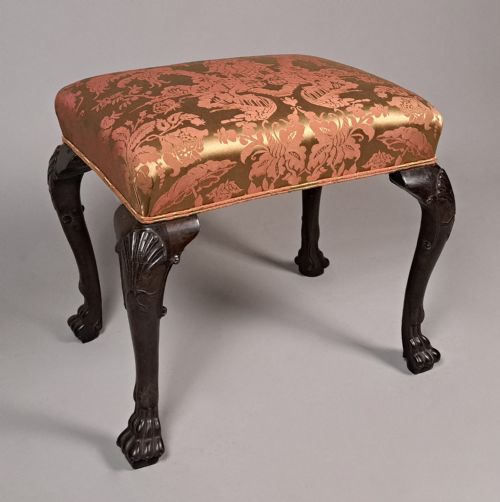
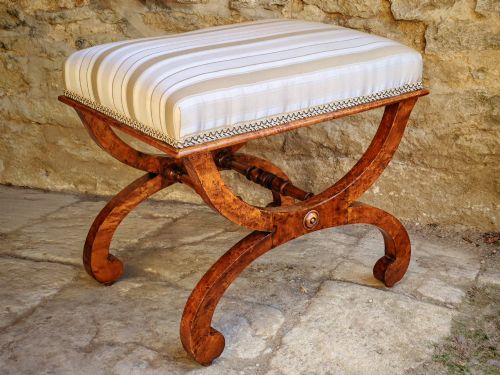
Makers produced pieces with varied leg configurations, including square tapering legs, cabriole legs, and cross stretchers. Upholstery choices include fabric, velvet, needlepoint, and chenille to suit the seat frame.
How they were made
Craftsmen utilised solid hardwoods such as mahogany and walnut for the structural frames, occasionally incorporating burr maple or rosewood for distinct grain patterns. Joinery techniques ensured sturdy support for low seating forms.
Upholstered surfaces relied on traditional stuffing methods covered in textiles like velvet, fabric, or original needlepoint. Brass hardware appeared on specific adjustable mechanisms or inlaid decorative details.
Listings feature mahogany, walnut, rosewood, and burr maple alongside textiles like velvet, needlepoint, and chenille.
What varies in quality
Quality differences stem from the crispness of timber carving, particularly on cabriole legs, claw and ball feet, and serpentine rails. Timbers selected with rich figuring and original surface patination elevate a piece above standard workshop production.
The integrity of the frame construction and the fidelity of revival work against eighteenth-century prototypes dictate distinction. Pieces featuring secondary woods appropriate to their stated origin show superior authenticity.
Miles & Edwards·Smith of London·John Raphael Smith·William Owen
The Georgian Dressing Seat Glossary
- Cabriole leg
- A furniture leg that curves outward at the knee and tapers inward to an ankle, often ending in a claw and ball foot.
- Serpentine shape
- A furniture rail or edge curving outward centrally and inward at the ends, creating a gentle undulating line.
- Cross stretcher
- Wooden members intersecting diagonally between the legs of a stool to provide structural bracing and stability.
- Needlepoint
- Stitched yarn embroidery worked on a stiff canvas mesh, frequently found as original seat upholstery.
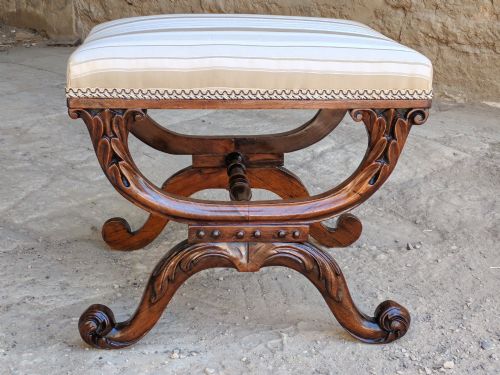
- Curule
- An ancient chair shape featuring two opposing curved legs crossing in the centre like an X frame.
Georgian Dressing Seat: Frequently Asked Questions
Where were dressing seats placed?
These seats belonged primarily in bedrooms, dressing rooms, and boudoirs where individuals sat to groom or dress. Their compact proportions allowed them to tuck neatly beneath dressing tables.
They also functioned near windows or in hallways as occasional seating when extra room was required.
How do I identify a revival piece?
Revival pieces emulate earlier design movements such as the queen anne or chippendale styles while utilising nineteenth or twentieth-century construction methods. Timber maturity and secondary woods help clarify the actual period of manufacture.
Craftsmanship details often reflect the prevailing tools and aesthetic preferences of the later Victorian or Edwardian eras.
What woods were used for frames?
Mahogany and walnut form the primary timber choices for these seats across both original periods and later revivals. Cabinetmakers occasionally selected burr maple or rosewood for decorative emphasis.
Solid construction ensures the frames support upholstery and daily weight over centuries of use.
Are original upholstery fabrics common?
Original textiles survive infrequently due to wear, though pieces occasionally retain historic needlepoint, velvet, or chenille coverings. Many items feature replacement upholstery applied during subsequent restorations.
Buyers often select seats based on the timber frame, planning to reupholster the drop-in or fixed pad to match modern interiors.