


Antique Locket Pendant
An antique locket pendant combines secret compartments with wearable art, holding miniatures, hair, or photographs close to the heart.
Antique Locket Pendant
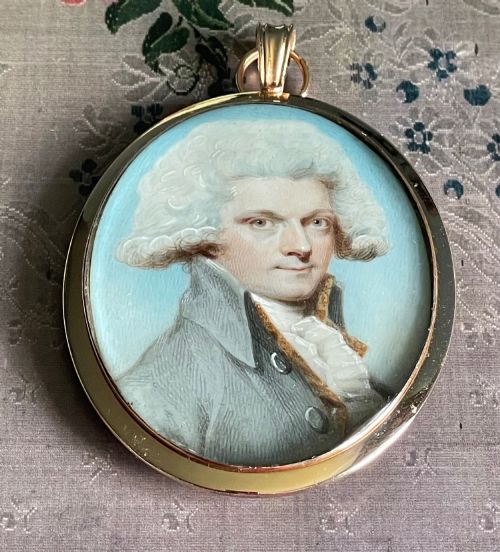
The antique locket pendant encompasses hinged photo cases, hair compartments, and portrait miniatures set into precious frames. These pieces span Georgian, Victorian, and Edwardian eras, reflecting changing sentiments and memorial practices across centuries. Most items encountered on this page originate from British and European workshops, utilising gold, silver, and rolled gold.
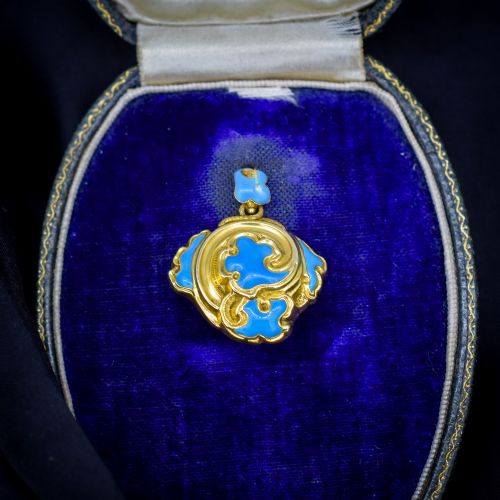
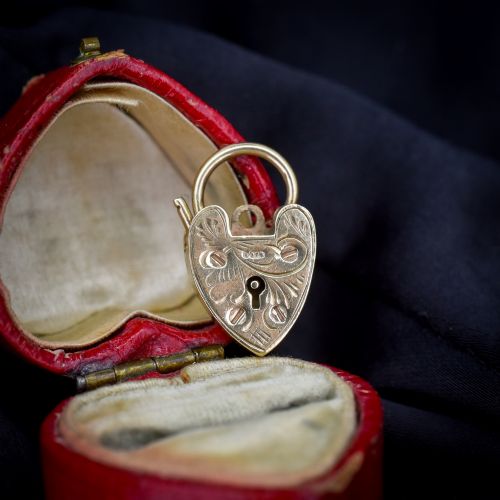
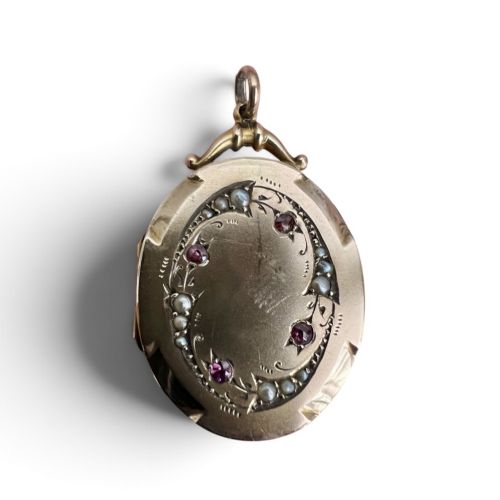
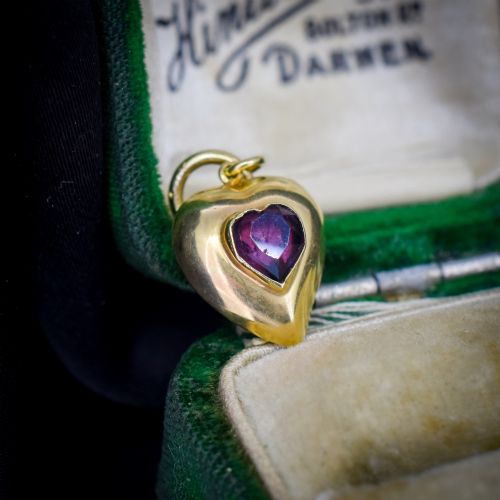
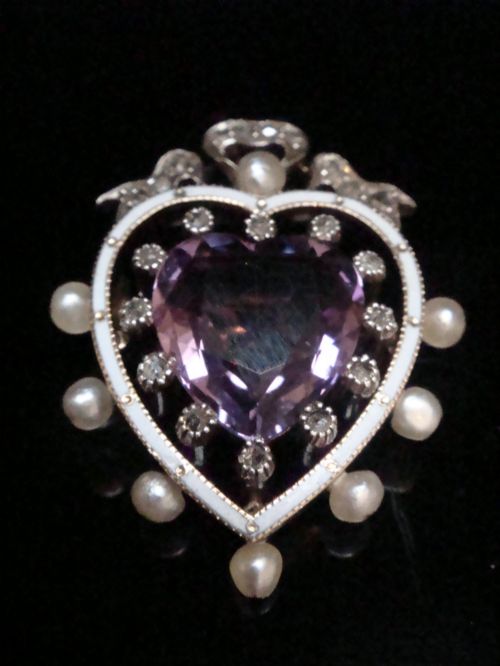
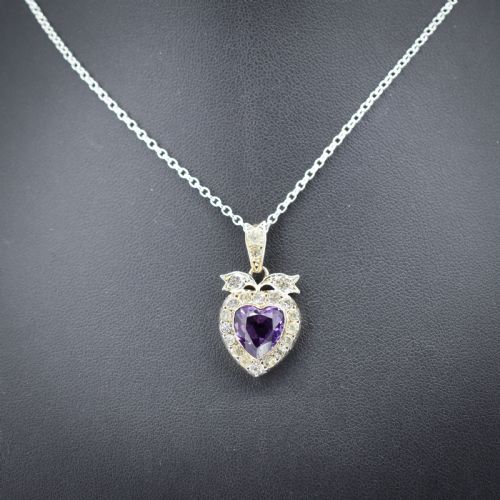
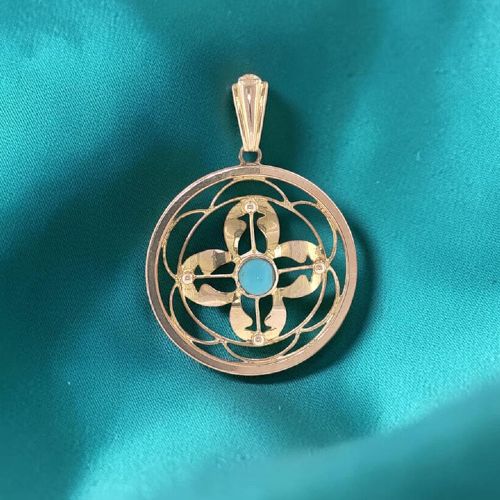
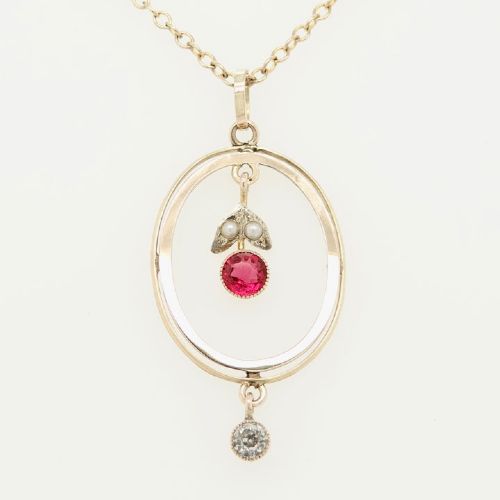
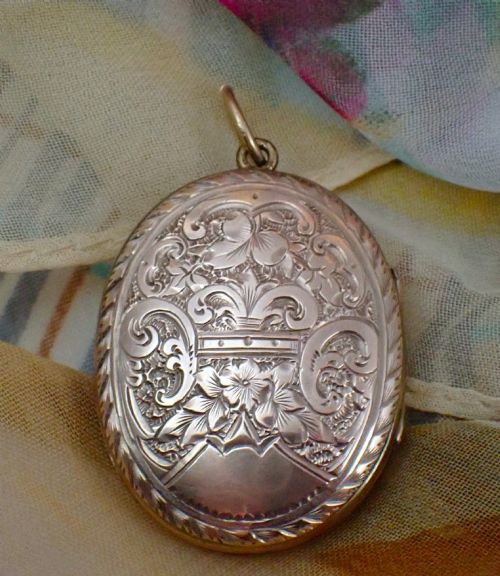
Heart shapes, engraved ovals, and puffy silhouettes dominate the available selections, frequently incorporating turquoise, seed pearls, or enamel. Many designs function as dual-purpose items, doubling as brooches or hanging from delicate chains. The construction ranges from solid precious metals to gold-backed-and-fronted foundations designed to reduce weight and cost.
Materials and Techniques
Goldsmiths utilised 9ct, 15ct, and 18ct yellow and rose gold alongside sterling silver and silver-gilt, shaping them through casting, engraving, and repoussé. Complex ornamentation relied on guilloche enamel, foil-backed paste stones, and natural seed pearls wired or glued into floral motifs. Portrait miniatures and silhouettes required hand-painted watercolours on ivory or card, sealed beneath protective glass plates.
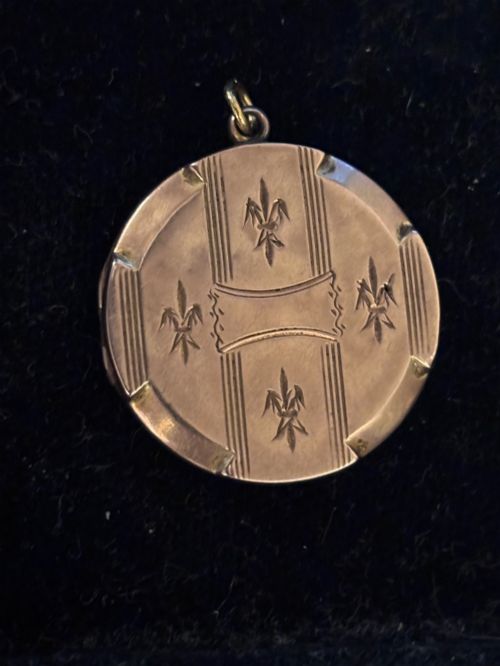
Hinged closures, tiny screw caps, and snap-fit bezels required high precision to secure delicate contents like woven human hair or portrait miniatures. Engravers deployed hand-chiselled ivy, floral scrolls, and geometric patterns directly onto the metal surface. Etruscan Revival pieces incorporated granulation and wirework to emulate ancient archaeological finds.
Quality and Execution
Superior execution shows in the crispness of hand-engraved foliage and the secure, flush fit of glass bezels and hinge pins. Top-tier examples feature solid high-karat gold or heavy sterling silver rather than thin gold-cased veneers over base metals. The finesse of miniature paintings and the uniform grading of seed pearls elevate individual pieces above standard production work.
The integrity of internal frames and original photo compartments dictates preservation quality. Inferior variants exhibit sluggish clasps, worn hinges, and poorly cast stamped components lacking hand-finished detail. Pieces retaining their original glass, bezels, and backings command greater technical appreciation than those altered or repaired later.
Henry Bone ARA·Charles Shirreff·John Miers·John C D Engleheart·Frederick Buck·Samuel Pemberton·Crisford and Norris·Marius Hammer
The Antique Locket Pendant Glossary
- Guilloche enamel
- A decorative technique where translucent enamel is layered over engine-turned metalwork to create repeating geometric patterns. This method produces a vibrant depth of colour across Edwardian pieces.
- Paste
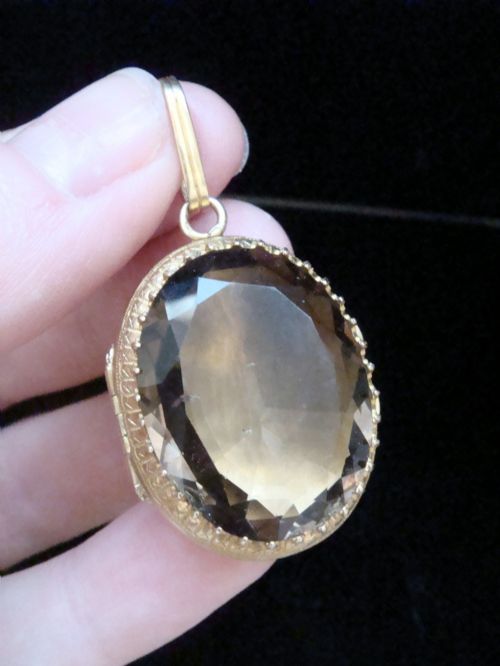
- Faceted glass or lead crystal cut to imitate gemstones like amethyst, garnet, or diamond. Georgian and Victorian jewellers set paste by hand into silver or gold mounts.
- Back and front
- A construction method utilising thin sheets of gold soldered to a base metal core inside the locket. This provided the appearance and wearability of solid gold at a reduced weight.
- Vinaigrette
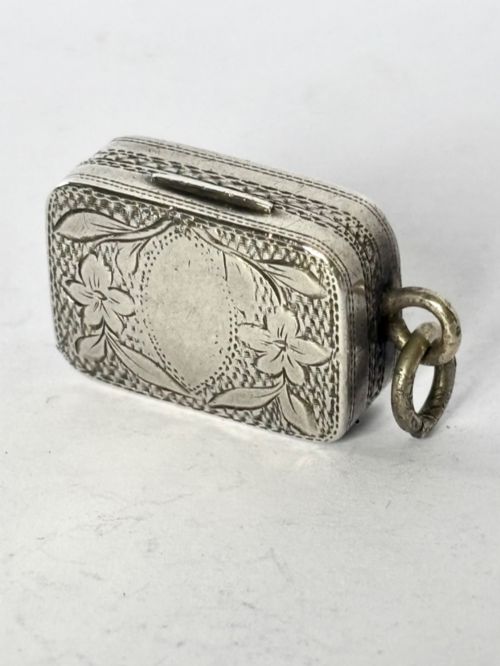
- A small ornamental box featuring a perforated inner grille, designed to hold a sponge soaked in aromatic vinegar. These items date primarily from the Georgian and Victorian eras.
- Portrait miniature
- A hand-painted likeness executed in watercolour on ivory, vellum, or card during the eighteenth and nineteenth centuries. These works were frequently housed inside pendant frames as personal tokens.
- Seed pearl
- Very small, naturally occurring pearls threaded or glued into intricate floral or star clusters. They are characteristic of Victorian and Edwardian mourning and sentimental jewellery.
Antique Locket Pendant: Frequently Asked Questions
What fits inside an antique locket pendant?
These pieces typically contain tiny paper photographs, folded locks of human hair, or hand-painted portrait miniatures. Interior bezels and glass covers kept these sentimental keepsakes secure against the body.
Some variants include multi-compartment designs to hold tokens from several family members simultaneously.
How do I date an antique locket pendant?
Dating relies upon hallmarks, stylistic motifs, and manufacturing techniques characteristic of specific reigns. Georgian pieces often feature foiled stones and closed-back settings, while Victorian items lean towards heavy engraving and symbolic flora.
Edwardian examples frequently display platinum accents, lighter silver-and-gold combinations, and delicate guilloche enamel work.
What does gold back and front mean?
This term describes a construction method where the exterior plates consist of solid gold fused to a supportive base metal interior. This technique allowed makers to produce sturdy, affordable pieces with the outward appearance of solid gold.
Such items offer lighter daily wear while maintaining precious metal visibility on the surfaces that matter.
Were these pendants worn every day?
Victorians and Edwardians wore sentimental lockets daily as mourning tokens, love tokens, or portable family portraits. They hung from long chains around the neck or attached to chatelaines at the waist.
Precious stones and delicate enamel required careful handling during physical labour or social events.