


Antique Lion Weight
These antique lion weight examples combine utility and symbolism, offering sturdy door control and striking sculptural form for period interiors.
Antique Lion Weight
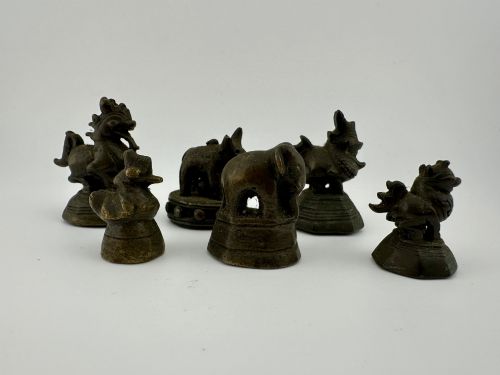
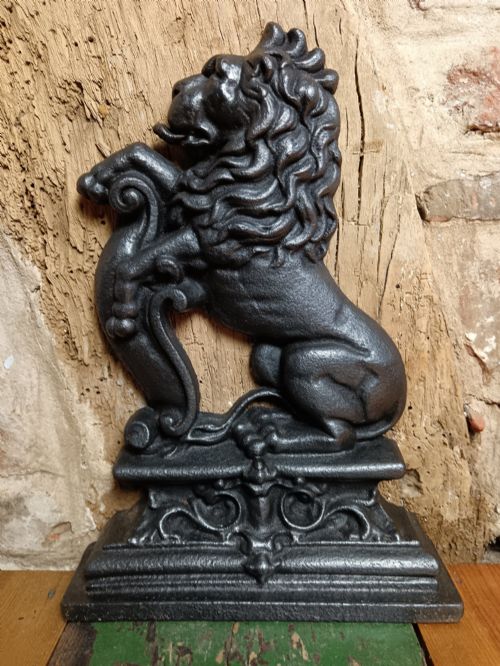
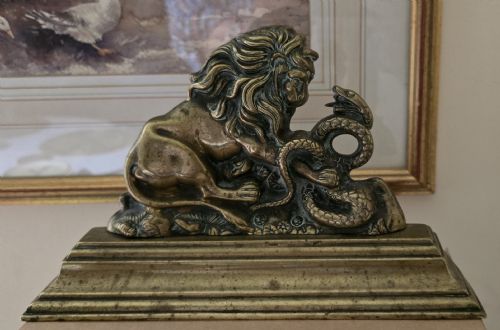
An antique lion weight most commonly takes the form of a heavy cast iron or brass doorstop, porter, or traditional trading weight designed to hold doors open or measure goods. The selection here spans Victorian English doorstops alongside Southeast Asian bronze animal trade opium weights from the nineteenth century.
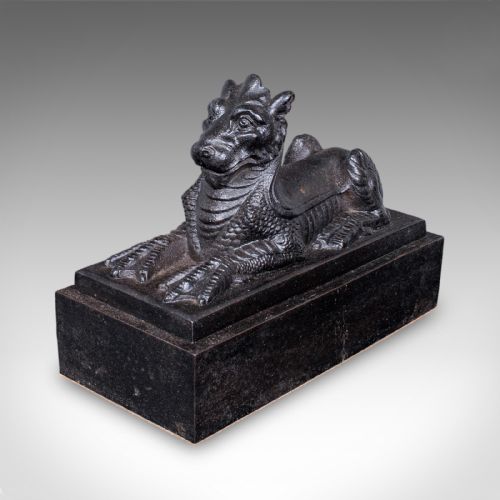
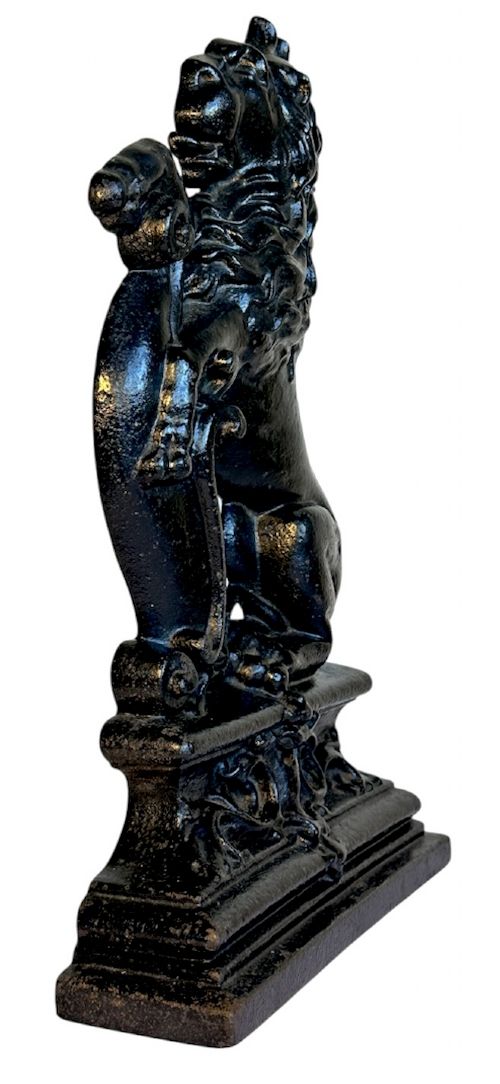
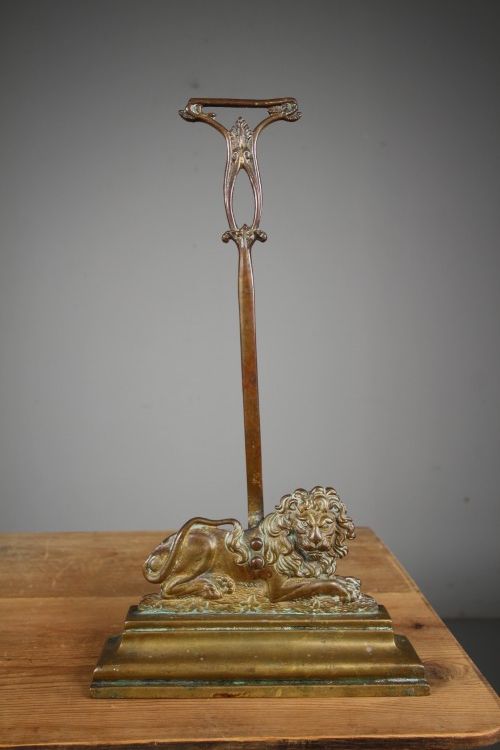
Buyers encounter substantial cast iron rampants, elegant brass and serpent door porters, and diminutive bronze animal figures. English nineteenth-century pieces dominate the selection, reflecting domestic utility during the Victorian and Georgian eras.
The objects serve as functional floor hardware and decorative sculpture simultaneously. They bring heraldic presence and weight to a room while fulfilling a practical household purpose.
How they were made
Foundry work relies on sand casting for iron and brass, creating sturdy silhouettes that withstand daily impact against heavy doors. Molten metal flows into moulds formed from patterns, leaving characteristic texture on the reverse of the pieces.
Southeast Asian examples utilise lost-wax bronze casting methods to capture the compact forms of animal trade weights. Finished items receive hand-chased surface detail or dark patination to accentuate the sculptural definition.
Several lions share space on this page with dolphins and serpents, proving that door duty in the nineteenth century demanded robust aquatic backup.
What varies in quality
Substantial metal density and original surface patination determine the grade of a piece. Heavier castings with intact historical finishes hold more decorative integrity than worn or later-retouched examples.
The Antique Lion Weight Glossary
- Doorstop
- A heavy object placed against a door to keep it open. These items utilise cast iron or brass to hold heavy interior doors.
- Door Porter
- A tall, weighted handle or stop designed to be lifted and moved easily. They frequently incorporate a ring handle at the top.
- Opium Weight
- A traditional trading weight cast in the shape of animals. Southeast Asian examples display stylised forms used for measurement.
- Rampant
- A heraldic term describing an animal standing on one hind leg with forelegs raised. This posture appears frequently on cast iron doorstops.
Antique Lion Weight: Frequently Asked Questions
How heavy are these items?
These pieces possess substantial heft, often weighing several kilograms to ensure they can hold heavy doors firmly in place against draughts.
Smaller trade weights are lighter and compact, designed for measuring rather than propping open heavy timber doors.
Were they used outdoors?
Most items originate as interior furnishings for grand hallways, parlours, and libraries during the Victorian and Georgian periods.
Placing iron or brass pieces outside exposes them to moisture, which causes corrosion and damages the historical surface patina.
How do I clean the metal?
Dusting with a dry, soft cloth is usually sufficient to maintain the surface without removing historical patination or aged dark finishes.
Avoid harsh chemical metal polishes that strip away the authentic character accumulated over the centuries.
What styles are common?
English Victorian designs favour heraldic rampant lions and classical motifs involving serpents, reflecting Gothic and traditional taste.
Southeast Asian examples display distinct regional animal forms tied to historical trade systems rather than European heraldry.