




Antique Lion Mask Box
An antique lion mask box brings sculptural brass hardware and heavy timber to a room, offering both practical storage and classical presence.
Antique Lion Mask Box
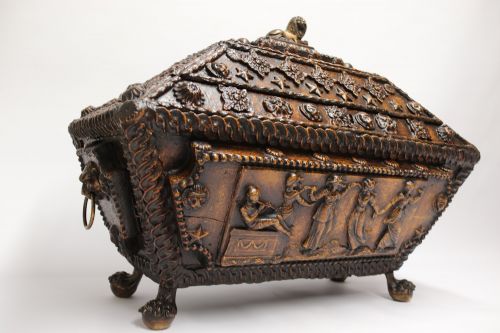
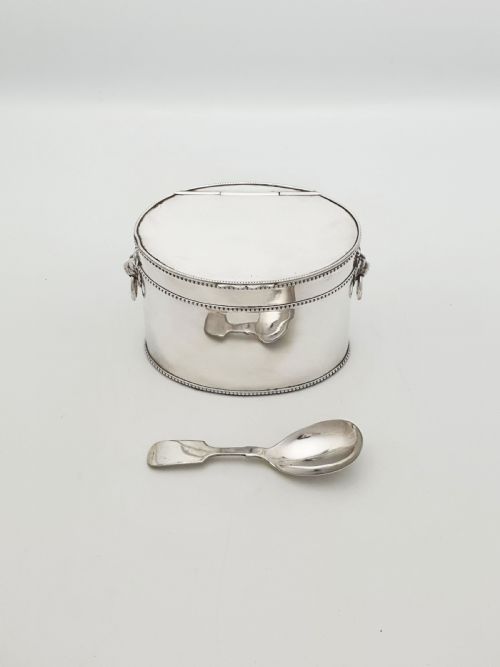
The search for an antique lion mask box leads to a variety of heavy storage forms, most notably tea caddies, cellarettes, and decorative caskets. These pieces span the Georgian, Regency, and Victorian periods, often taking classical sarcophagus or casket shapes.
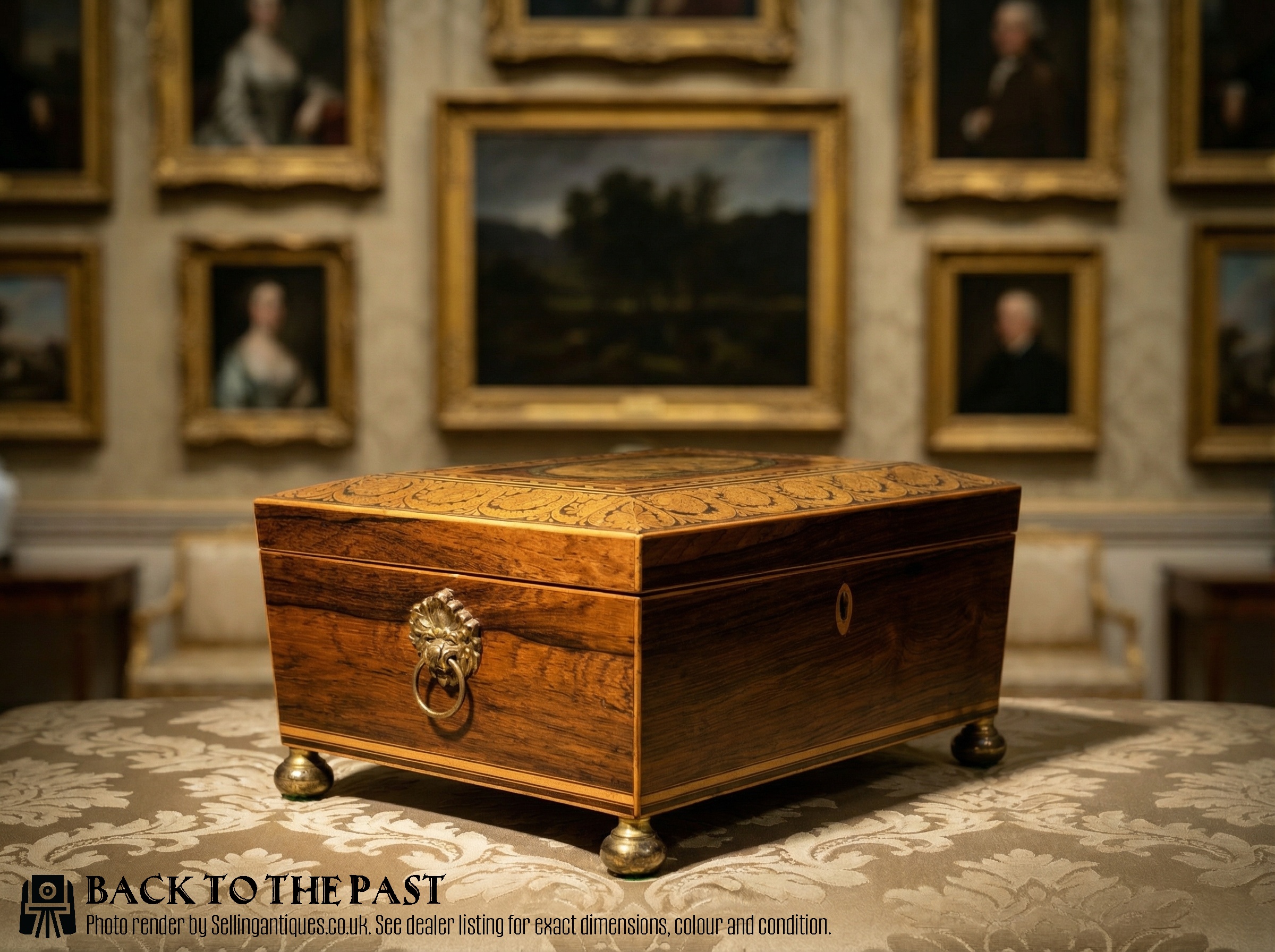
Mahogany and rosewood dominate the wooden examples, frequently paired with cast brass handles shaped as fierce animal visages. Alongside these desktop and tabletop boxes, larger planters and coal bins appear in brass, bronze, and gesso-decorated wood.
The Regency era yields some of the finest surviving specimens, characterised by strict architectural lines and rich grain. Buyers will also encounter Edwardian updates and French Empire variants carrying similar classical motifs.
Materials and construction
Cabinetmakers constructed these vessels using dense hardwoods such as mahogany and rosewood, often veneered over sturdy pine or boxwood foundations. Sarcophagus forms required careful mitring and jointing to support heavy hinged lids and internal compartments.
Metal elements like the signature mask handles relied on brass casting and repoussé techniques, where artisans hammered designs from the reverse to create relief. Gesso decoration provided a smooth, mouldable surface for gilded or painted finishes on earlier caskets.
Antique Lion Mask Box Retail Price Guide 2026
Typical asking prices for lion mask box among the pieces listed under this phrase on Sellingantiques today, from the lower quarter to the upper quarter. They describe what is for sale here now, not the wider market.
Current listings feature pieces spanning the eighteenth to the early twentieth century, utilising mahogany, rosewood, brass, and gesso.
Assessing craftsmanship and finish
Quality rests primarily in the crispness of the cast hardware and the choice of timber veneer. Superior boxes feature finely chased brass masks with sharp definition, while lesser pieces rely on softer, mass-produced castings.
Interior fittings dictate the status of smaller caskets and tea boxes, where original velvet linings, crystal mixing bowls, and partitioned compartments elevate the piece. The stability of the timber joints and the retention of working locks further distinguish fine examples from ordinary utility items.
The Antique Lion Mask Box Glossary
- Sarcophagus
- A coffin-shaped container with a domed lid and flared base, popular for tea caddies and cellarettes during the Regency period. This classical silhouette provides stability and visual weight.
- Cellarette
- A lockable container designed to hold bottles of wine or spirits near the dining table. They frequently incorporate heavy brass handles for portability and secure internal divisions.
- Gesso
- A plaster-like mixture applied to wood surfaces as a base for paint or gilding. It allows for intricate moulded ornamentation on caskets and decorative frames.
- Casket
- A small, often ornate box used for holding valuables, documents, or jewellery. These pieces usually feature secure locks and decorative hinges.
Antique Lion Mask Box: Frequently Asked Questions
What is an antique lion mask box used for?
These boxes served various domestic purposes historically, ranging from storing dry tea leaves to holding jewellery and serving as desktop caskets. Larger vessels functioned as coal bins or wine cellarettes near the hearth or dining table.
Today, buyers utilise them primarily as decorative storage on sideboards, desks, or mantelpieces. Their robust construction allows them to hold everyday items while adding classical character to a room.
How do I date a Regency tea caddy?
Regency pieces typically date from the early nineteenth century, displaying architectural proportions, classical motifs, and dense tropical hardwoods like rosewood and mahogany. Look for specific construction traits such as hand-cut dovetail joints and original brass feet or lion ring handles.
Comparing the internal compartments and escutcheons to documented examples from the same decade helps confirm the era. Secondary woods like pine often support the exterior mahogany veneers.
Are brass mask handles original?
Original brass hardware shows consistent wear, patination, and fixing methods appropriate to the period of the box. Old screw threads or pin attachments indicate authentic placement rather than later replacement.
Discrepancies in the metal colour or mismatched fixings can suggest a later substitution. Examining the timber indentation behind the mask often reveals the impression left by centuries of pressure.
How do I care for rosewood boxes?
Rosewood requires stable humidity and protection from direct sunlight to prevent the timber from drying out or splitting. Gentle dusting with a dry, soft cloth maintains the natural lustre without stripping the polish.
Avoid placing damp items or liquid polishes directly onto antique surfaces, particularly near brass mounts. Wax can be applied sparingly to nourish the grain when the timber appears dry.