

Antique Linen Storage
Antique linen storage pieces bring enduring craft and practical timber depth to modern interiors, offering authentic period character for organising textiles and garments.
Antique Linen Storage
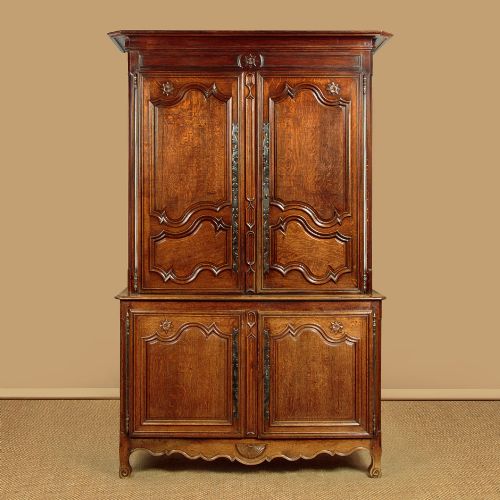
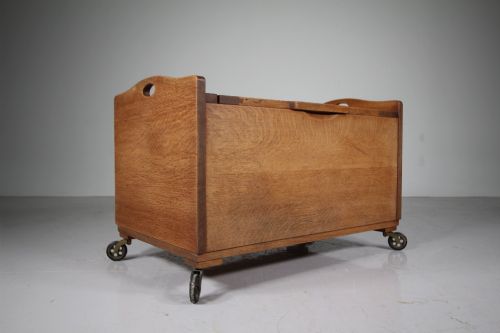
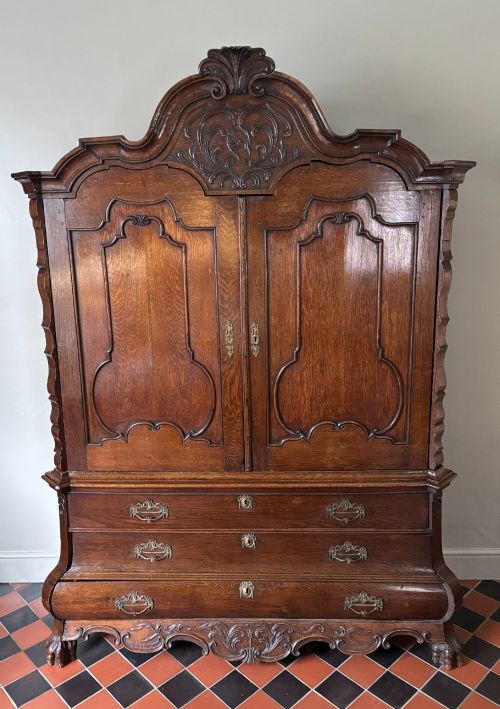
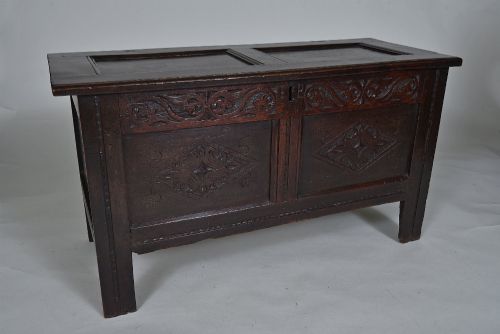
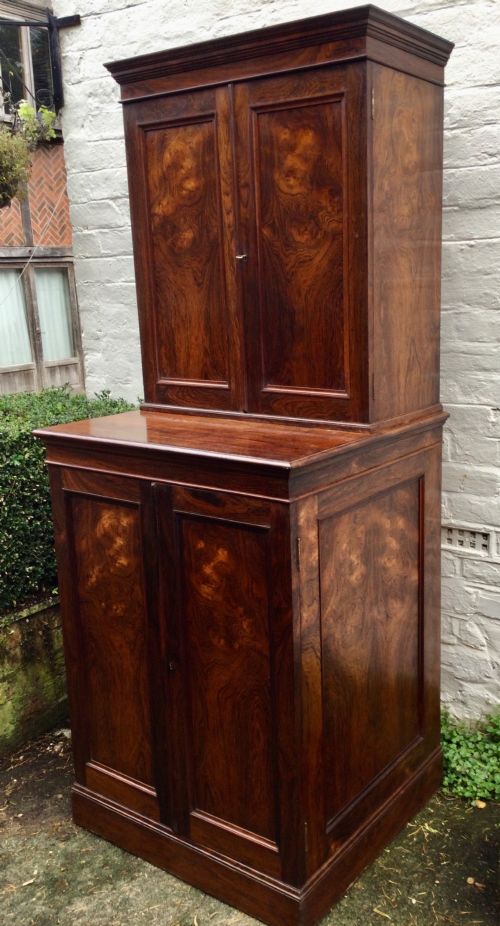
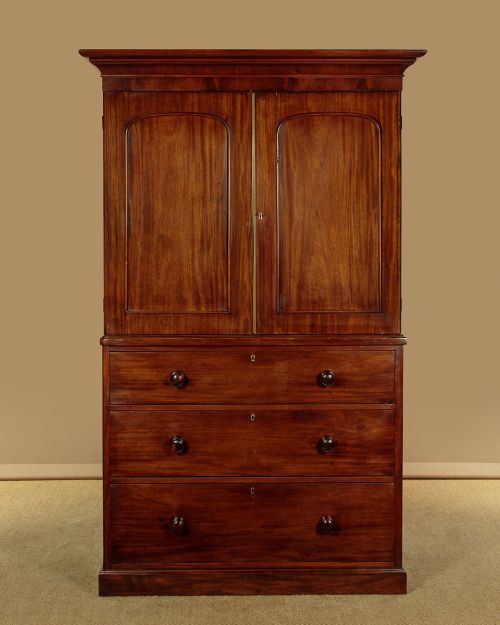
When you search for antique linen storage, you encounter substantial timber pieces designed to preserve household textiles and garments across several centuries of British and continental domestic life. The selection ranges from robust 17th century oak coffers and blanket boxes to towering Georgian and Victorian mahogany linen presses.
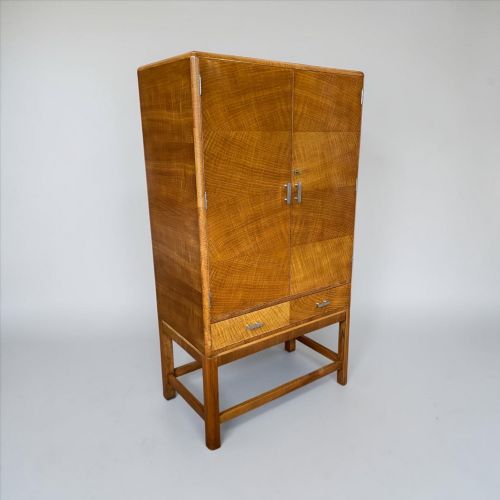
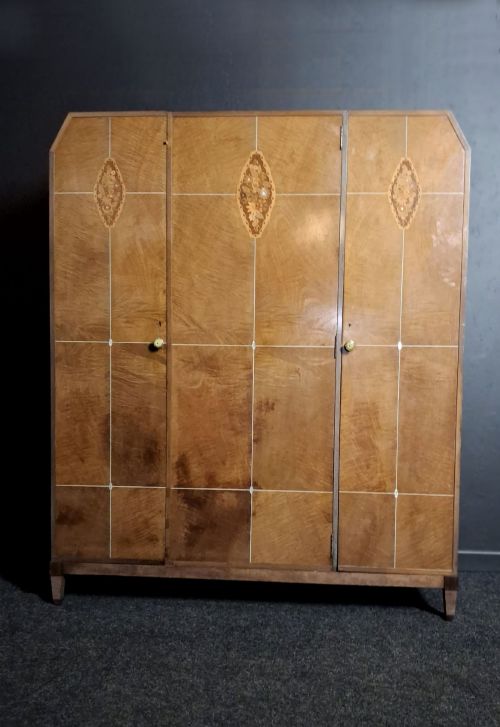
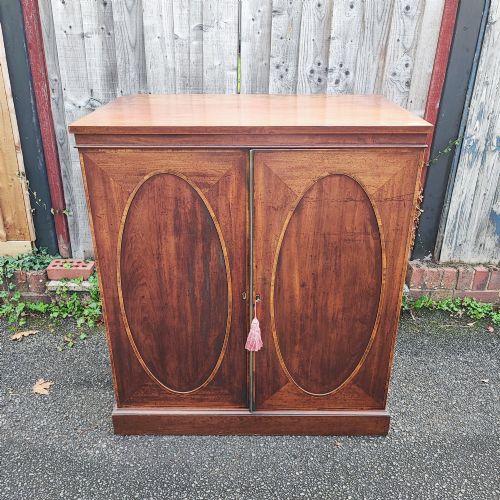
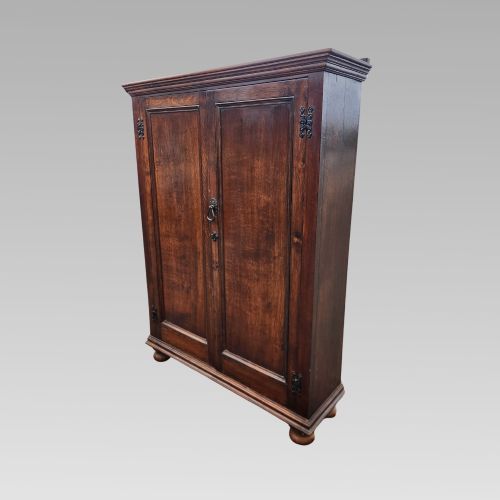
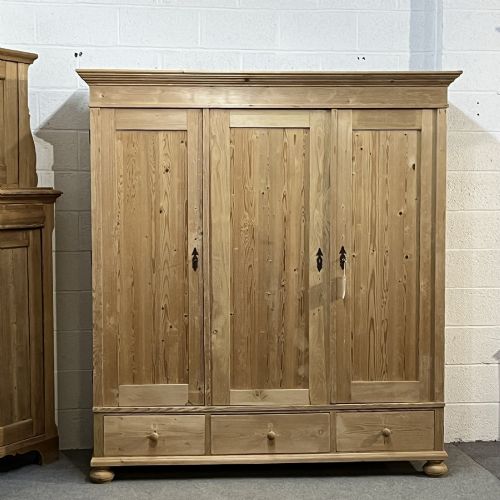
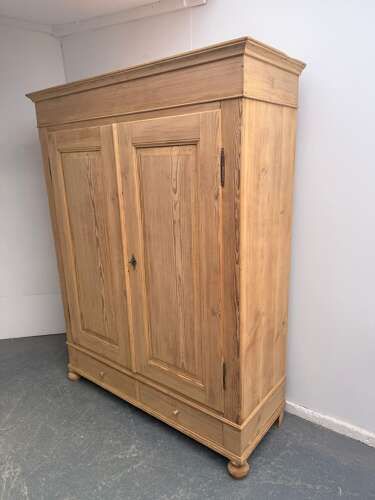
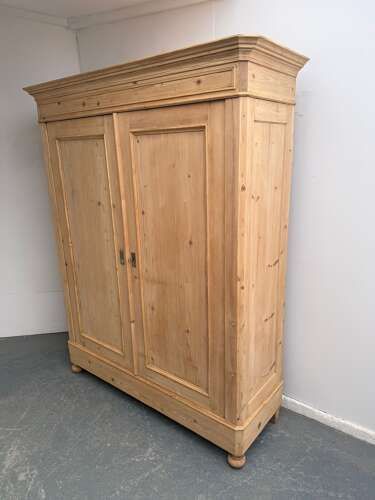
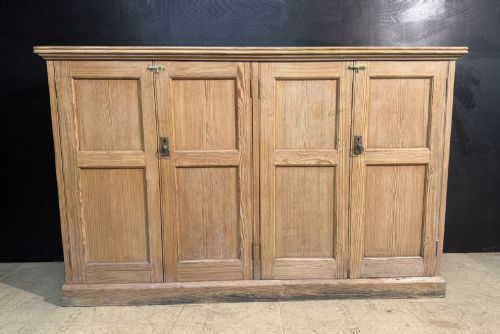
You are most likely to meet mahogany and oak wardrobes, housekeeper's cupboards, and tallboys on this page, reflecting the enduring utility of deep cabinet storage. Regional pine trunks and painted kitchen cupboards also appear frequently, spanning rustic country house aesthetics and formal Georgian design.
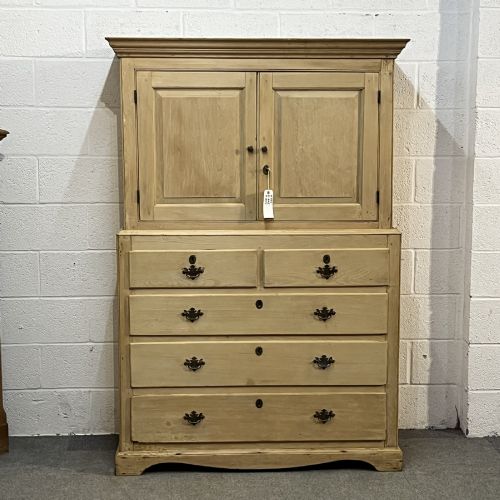
These items evolved from simple boarded chests used for textiles into complex architectural cabinets featuring internal sliding trays, hanging spaces, and fitted drawers below upper cupboard doors. Selecting the right form depends primarily on ceiling height and whether you require deep shelf capacity or full-length vertical hanging space.
Materials and construction methods
Cabinetmakers constructed these pieces predominantly using native and imported hardwoods such as oak, mahogany, and walnut, frequently selecting figured veneers and flame mahogany for prominent exterior panels. Pine and elm served as practical, durable alternatives for regional blanket boxes, trunks, and the interior framing of larger housekeeper's cupboards.
Joinery methods shifted from early framed-and-panelled oak construction with pegged joints to sophisticated dovetailing for drawers and fine crossbanding or marquetry inlay in the Georgian and Regency periods. Brass hardware, including drop handles, escutcheons, and hinges, provided functional strength while accentuating the rich grain of the primary timber.
Antique Linen Storage Retail Price Guide 2026
Typical asking prices for linen storage among the pieces listed under this phrase on Sellingantiques today, from the lower quarter to the upper quarter. They describe what is for sale here now, not the wider market.
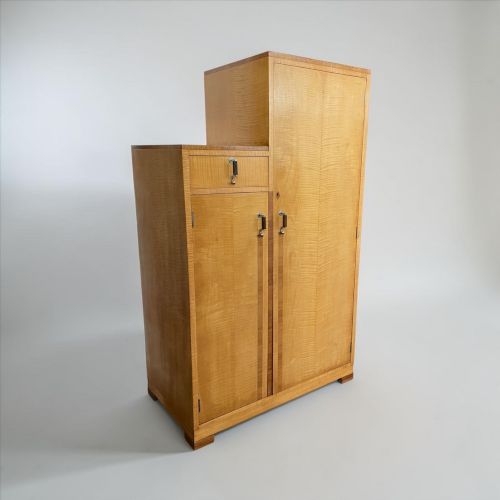
Listings span oak, mahogany, walnut, pine, and brass, stretching from the 17th century through the Victorian and Edwardian eras into the 1930s.
Assessing quality in period storage
The standard of timber selection and veneer matching defines the upper tier of these pieces, separating workshop output built with figured burr walnut or flame mahogany from standard utility furniture. Master cabinetmakers integrated subtle details like satinwood stringing, crossbanded borders, and hand-carved pillar panels that elevate the architectural presence of a wardrobe or linen press.
Structural integrity relies on original backboards, unwarped doors that hang square within their frames, and internal fittings such as sliding linen trays remaining intact. The preservation of original surface patination, whether through polished French polish or period painted finishes, marks the distinction between untouched historical examples and heavily restored surfaces.
Heals Of London
The Antique Linen Storage Glossary
- Linen Press
- A tall cabinet specifically designed for storing folded linen, typically featuring sliding trays enclosed by upper doors above a chest of drawers. This form became a staple of Georgian and Victorian domestic organisation.
- Coffer
- A heavy wooden chest constructed for storage, often panelled and dated to the 17th or 18th century. These precursor pieces sat at the foot of beds or in hallways before dedicated wardrobes emerged.
- Housekeeper's Cupboard
- A large, utilitarian storage cabinet traditionally kept in large country houses for storing provisions, linens, and domestic equipment. They frequently combine upper cupboards with lower drawers or open shelving.
- Tallboy
- A tall chest of drawers standing on a base or chest, maximising vertical storage capacity while occupying a minimal floor footprint. They emerged in the 18th century in walnut and mahogany.
- Crossbanding
- A decorative border technique where thin strips of veneer are laid with the grain running perpendicular to the main panel. This detail frames drawer fronts and cabinet doors on finer Georgian and Edwardian furniture.
Antique Linen Storage: Frequently Asked Questions
How were antique linen chests used originally?
Families used heavy timber coffers and blanket boxes to store woven textiles, woollens, and household linens away from dampness and pests in unheated rooms. These chests served as secure storage and frequently doubled as impromptu seating.
As domestic spaces evolved, dedicated cupboard storage moved from hallways and kitchens into bedrooms and dressing rooms.
How do I care for antique wood storage furniture?
Keep wooden cabinets away from direct heat sources and dramatic humidity fluctuations to prevent timber splitting and veneer lifting. Regular dusting with a soft cloth and occasional application of appropriate beeswax preserves the natural lustre.
Avoid synthetic cleaning sprays that can degrade historic wax and oil finishes over time.
How can I tell a Georgian linen press from a Victorian one?
Georgian pieces generally display restrained classical proportions, architectural cornices, and finer mahogany or oak timbers with subtle bracket feet or plinths. Victorian examples often feature bolder, heavier mouldings, plinth drawers, and highly figured burr walnut veneers.
Examining internal construction methods, such as hand-cut dovetails and backboard thickness, helps confirm the manufacturing era.