

Antique Lighting Pair
An antique lighting pair brings symmetry to a room, offering matched illumination through period candlesticks, sconces and lamps.
Antique Lighting Pair
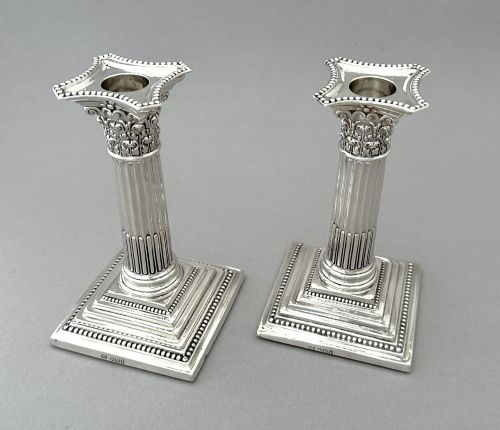
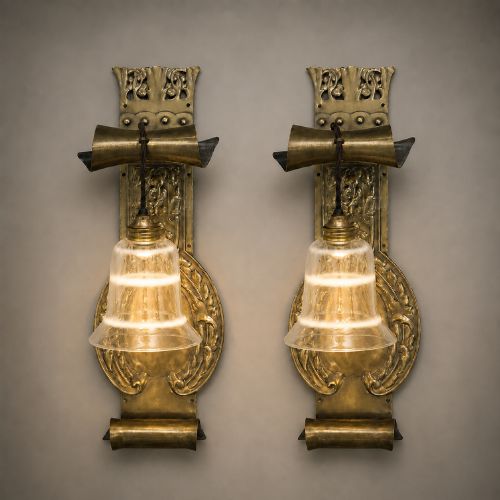
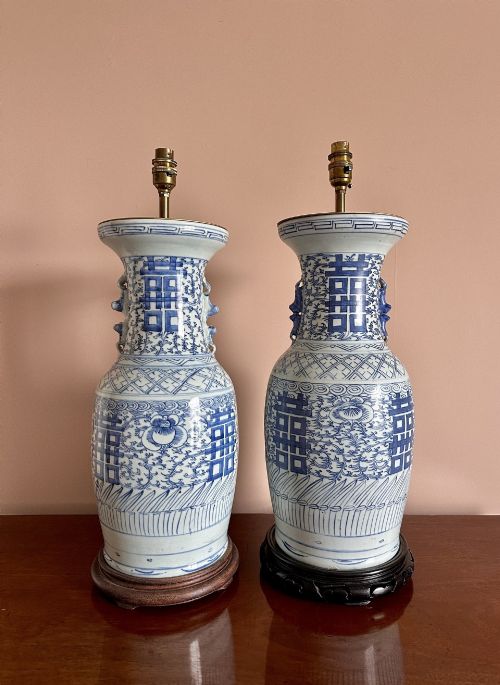
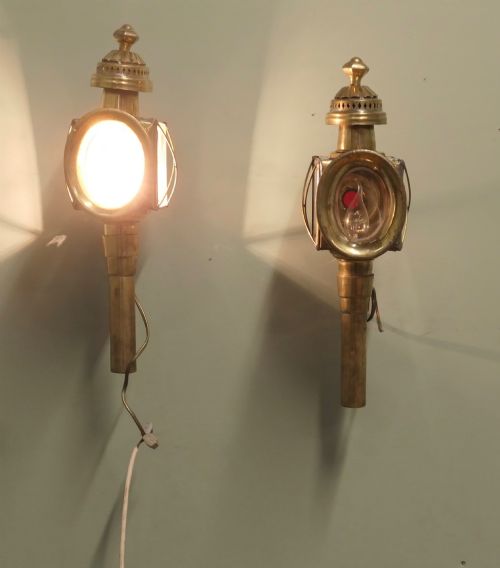
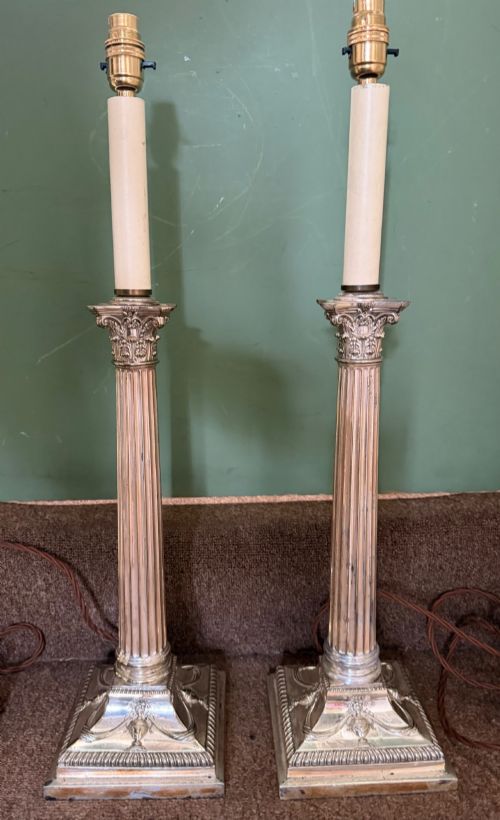
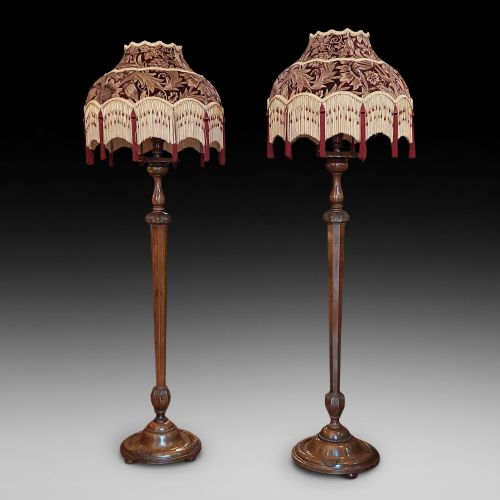
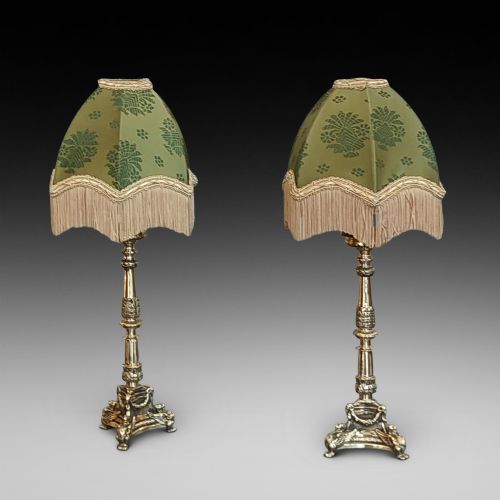
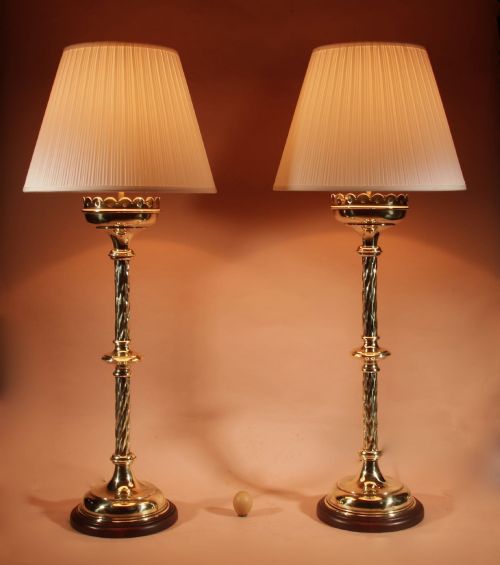
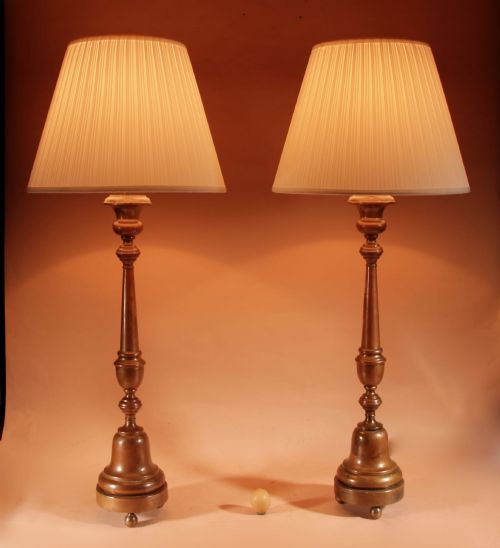
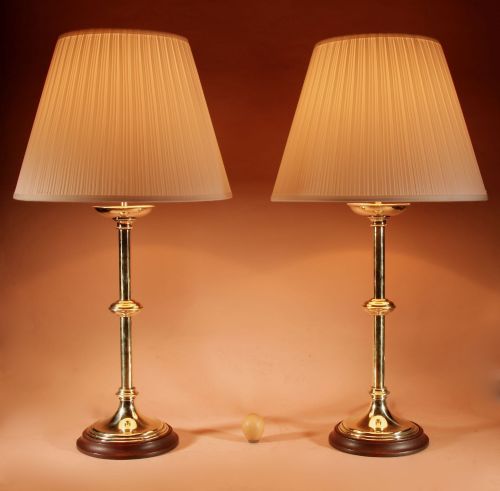
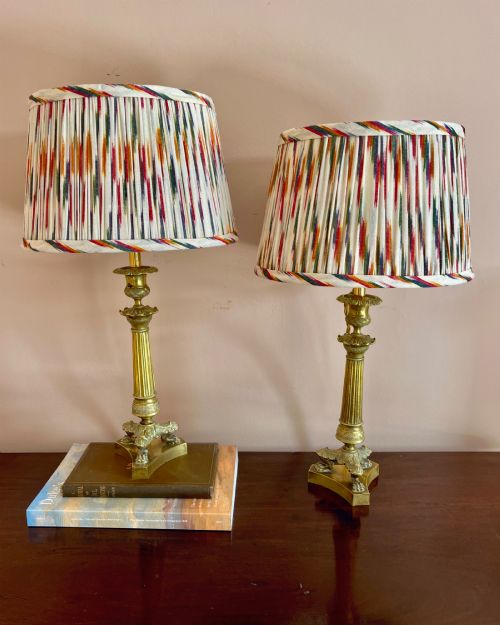
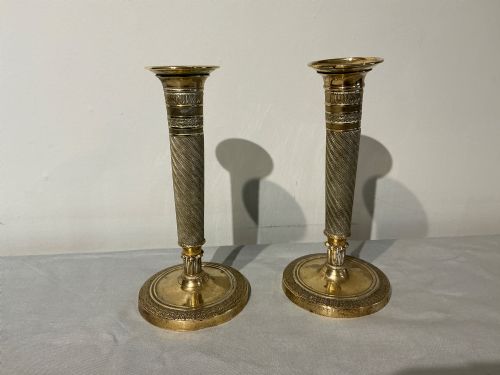
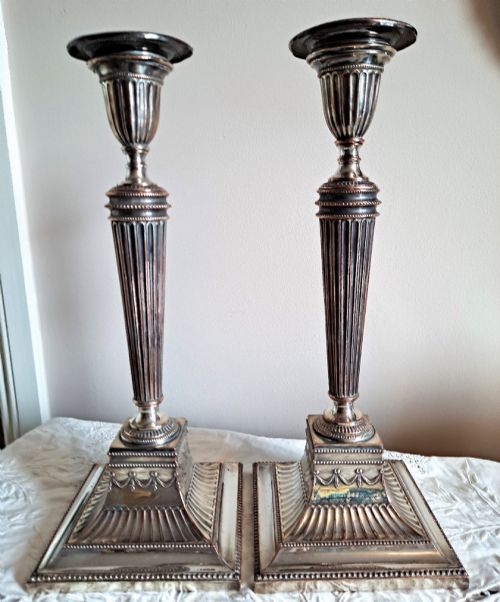
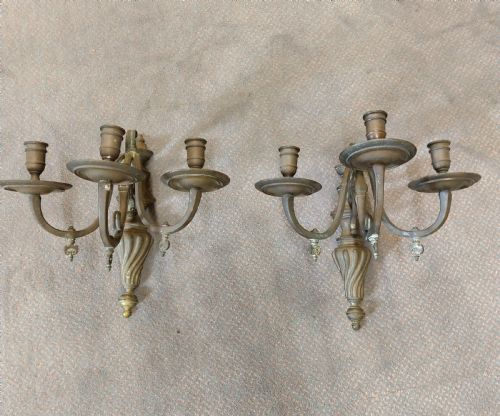
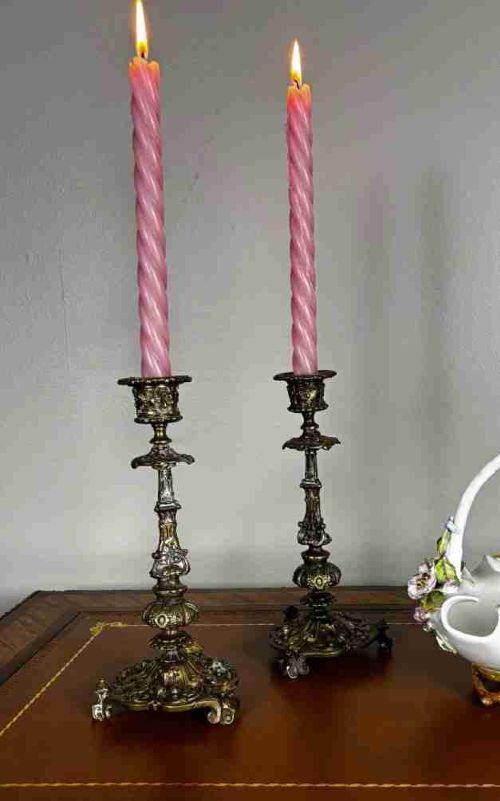
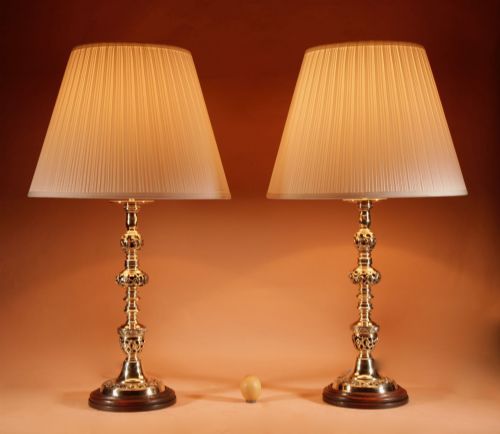
An antique lighting pair provides balanced illumination across a mantelpiece, sideboard or wall, utilising matched fixtures from periods spanning the nineteenth and early twentieth centuries. When searching for an antique lighting pair, buyers encounter everything from heavy brass church candlesticks and gilded bronze wall lights to crystal-trimmed chandeliers and converted table lamps.
The selection on this page draws heavily from Victorian, Edwardian and Art Deco eras, alongside French Neoclassical and Empire styles. Forms vary widely between utilitarian chamber sticks, ornate multi-armed candelabra and architectural columns adapted for electricity.
Materials and construction methods
Foundry work dominates the construction of these pieces, utilising cast brass, bronze, gilt metal and ormolu to achieve crisp surface detail and substantial weight. Metal components are frequently chased, patinated or gilded to enhance their decorative appeal in candlelit or gaslit rooms.
Wood and stone appear frequently, with carved pine, giltwood, burr walnut, onyx and marble providing architectural presence to table lamps and urns. Glass and crystal elements are hand-blown or cut, while fabric and enamel add colour and texture to specific lamp designs.
Antique Lighting Pair Retail Price Guide 2026
Typical asking prices for lighting pair among the pieces listed under this phrase on Sellingantiques today, from the lower quarter to the upper quarter. They describe what is for sale here now, not the wider market.
Forms include candlesticks, wall lights, table lamps, candelabra, chandeliers, sconces and girandoles dating from the early nineteenth century onward.
Judging standard and execution
Quality rests upon the crispness of the casting and the depth of the chasing, where sharper relief and finer hand-finishing distinguish superior workshops from mass production. Metals that retain rich, unpolished patination or original fire-gilding hold greater visual authority than those subjected to aggressive modern cleaning.
The integrity of the pair depends on matching proportions, identical patination, and the survival of original components without mismatched replacement parts. Superior examples display thoughtful integration of materials, such as well-matched marble bases paired with finely patinated bronzes.
ARCHIBALD KNOX
The Antique Lighting Pair Glossary
- Ormolu
- Gilded brass or bronze achieved through a mercury amalgamation process common in eighteenth and nineteenth-century French manufacturing. This technique produces a deep, lasting lustre that distinguishes higher-end decorative metalwork.
- Champlevé
- An enamelling technique where troughs are dug into a metal surface and filled with vitreous paste before firing. The resulting coloured patterns decorate many imported and continental table lamps.
- Pricket
- A sharp metal spike set in the drip pan of a candlestick to hold a candle in place. These forms are frequently found on heavy church and altar lighting.
- Girandole
- A decorative wall bracket holding candles, typically fitted with a mirror backplate to reflect and amplify the light. These fixtures often feature intricate carved giltwood or gilded brass framing.
- Corinthian column
- An architectural column order featuring elaborate acanthus leaf capitals, frequently adapted for nineteenth-century brass and bronze table lamps.
Antique Lighting Pair: Frequently Asked Questions
How do I light a room with antique pairs?
Symmetrical placement works best when positioning matching wall sconces or candlesticks on either side of a fireplace, mirror or doorway. This arrangement establishes visual balance and echoes historic interior design principles.
Many table lamps and wall lights have been safely rewired for modern electrical standards while preserving their original metalwork, wood or glass bodies for everyday use.
Can I convert old candlesticks into lamps?
While historic candlesticks can be adapted, keeping them in their original candle-holding form preserves their material integrity and historical function. Collectors generally prefer untouched pairs whenever possible.
If conversion is necessary, ensure the method chosen avoids permanent damage to the base or socket, allowing future owners to reverse the process.
How do I date brass lighting fixtures?
Dating relies on stylistic clues, manufacturing marks, and the method of construction, such as sand-casting versus machine extrusion. Georgian and early Victorian pieces often display heavier casting and hand-filed seams.
Later nineteenth and twentieth-century examples incorporate machine threading, stamped registry marks, or specific design movements like Art Nouveau and Art Deco.
What is the difference between a sconce and a girandole?
A wall sconce is a bracket fixture attached directly to the wall to hold candles or electric bulbs without a reflective backing. They focus on the arm design and the material of the backplate.
A girandole specifically incorporates a mirrored glass backplate designed to bounce and multiply the illumination around the room, adding extra visual depth.