

Antique Lighting Floor Lamp
An antique lighting floor lamp provides functional illumination while anchoring a room with period craftsmanship and presence.
Antique Lighting Floor Lamp
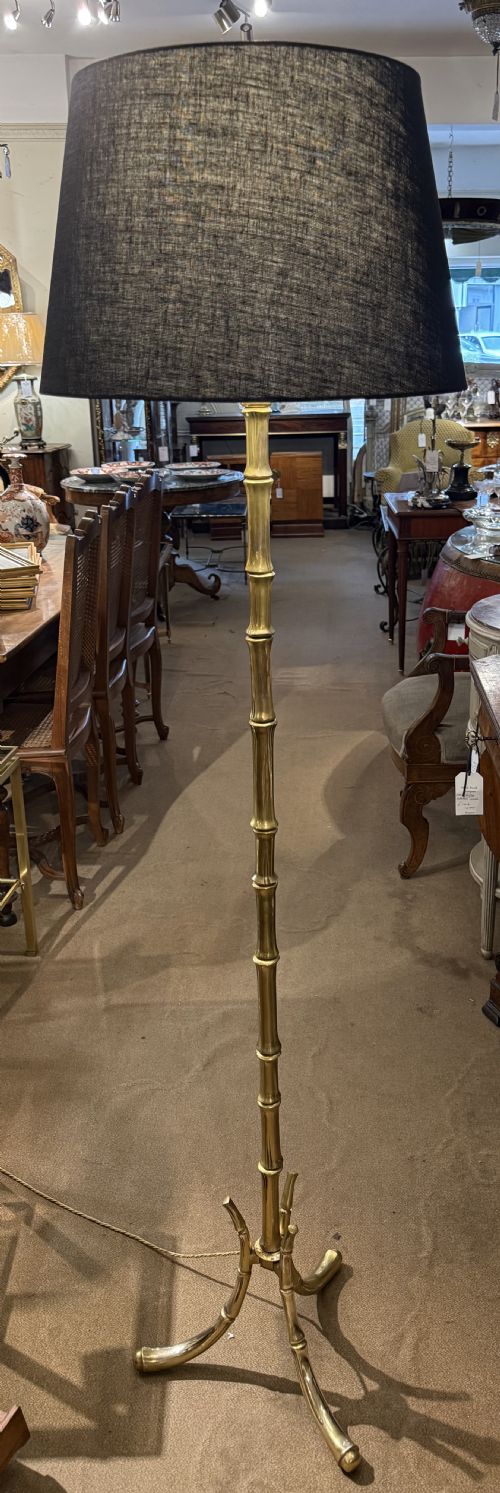
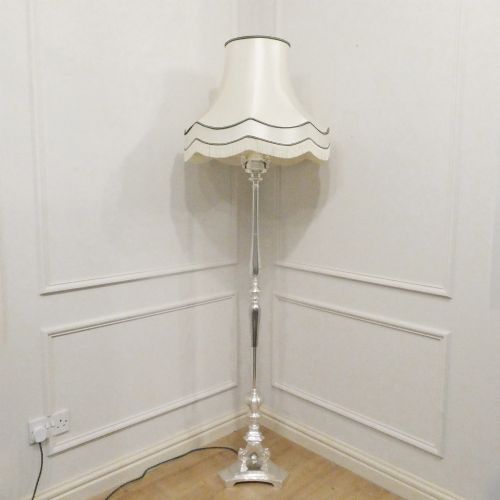
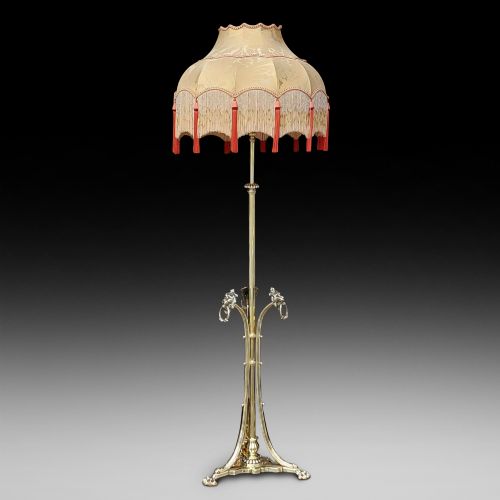
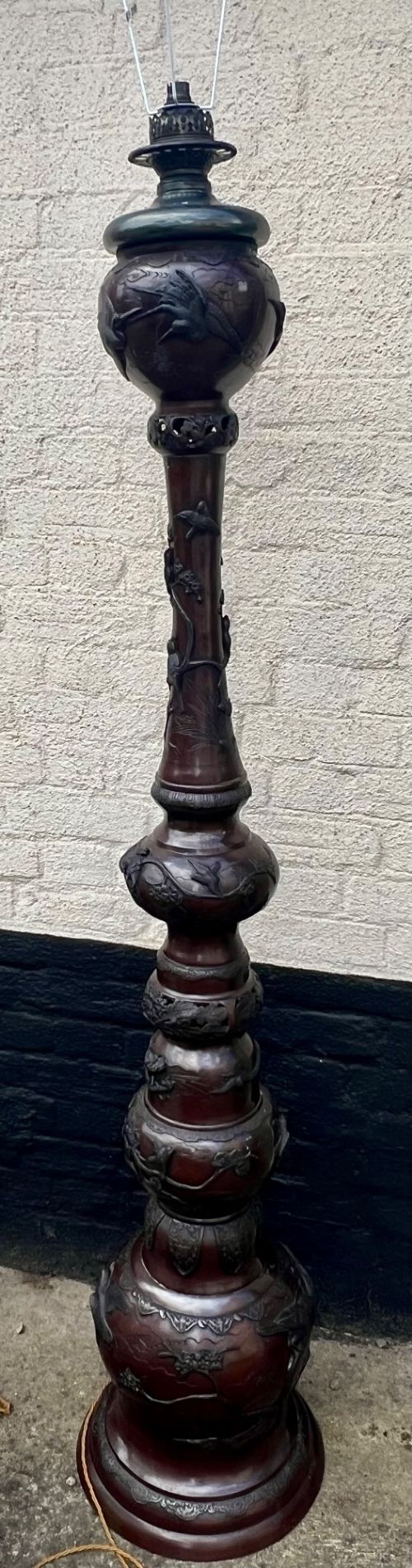
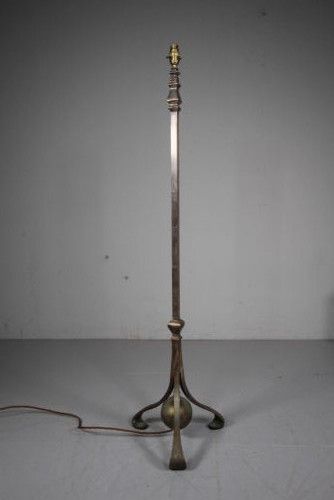
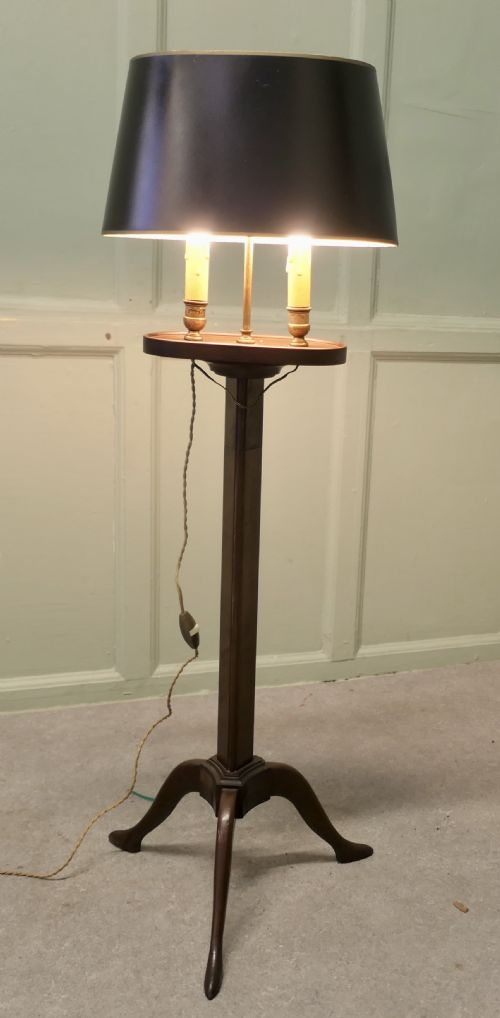
When searching for an antique lighting floor lamp, buyers encounter tall vertical fixtures designed to project light from a standing position rather than a table. These pieces take the form of standard lamps, floor lamps, and lantern stands originating from the nineteenth and early twentieth centuries.
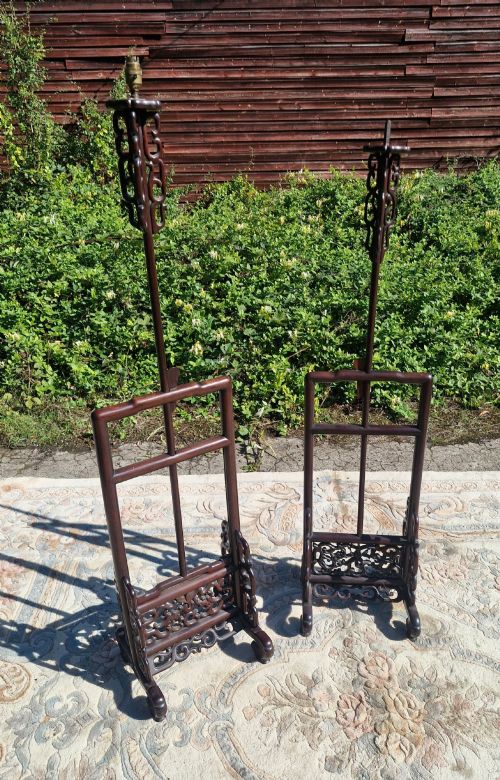
The selections span distinct periods including the Victorian era, Edwardian years, and the Art Deco movement. Common stylistic expressions on this page range from Gothic Revival and Neoclassical designs to Chinoiserie decorated standards.
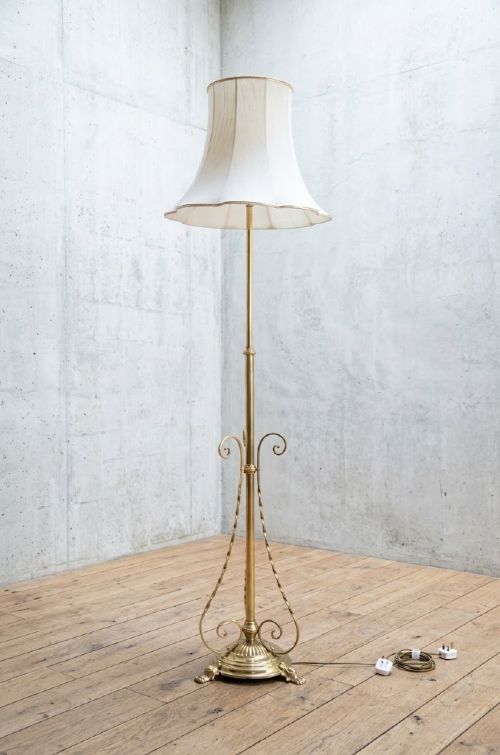
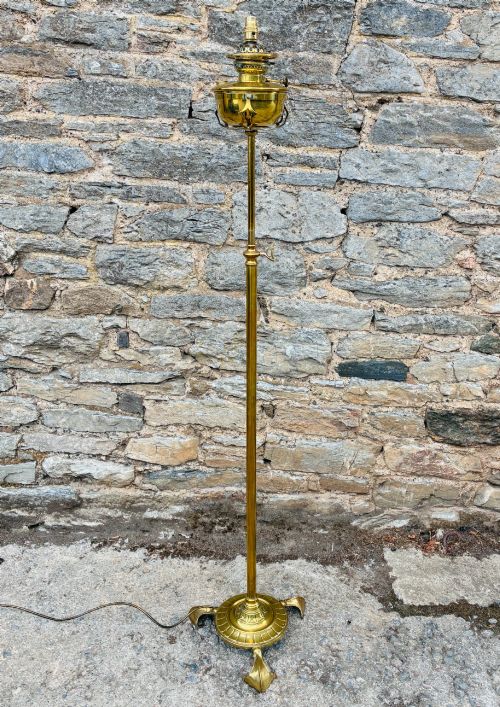
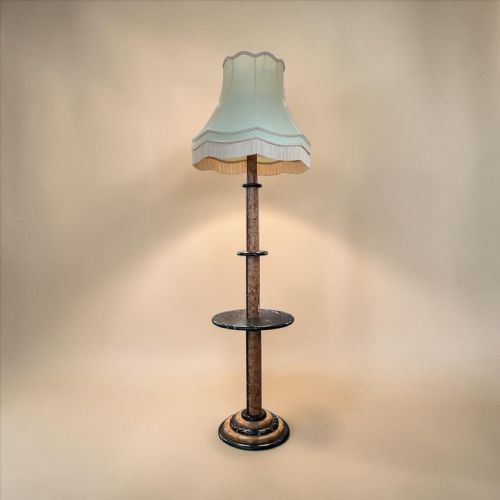
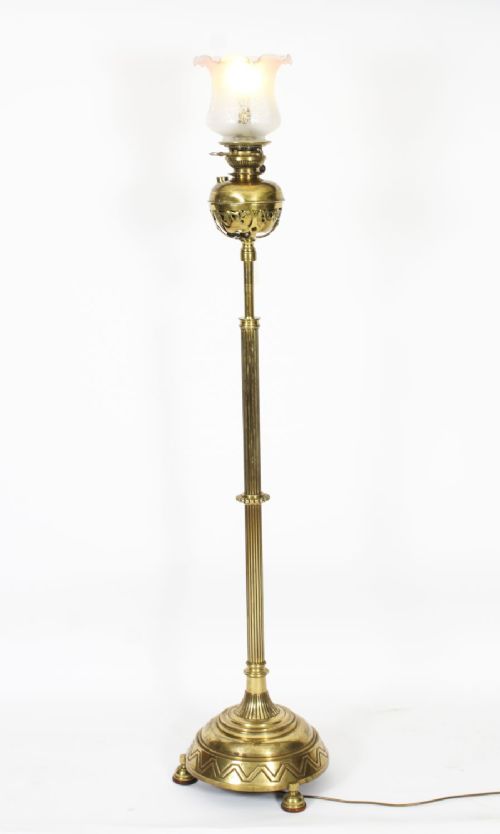
Many items begin their functional lives as oil lamps fitted with adjustable telescopic brass mechanisms before later conversion to electricity. Other variations include carved wooden pedestals, marble table standards, and patinated bronze figures.
Materials and Construction
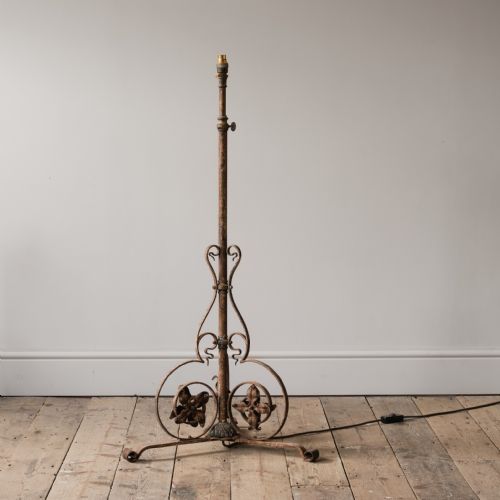
Metalworking dominates the construction of these standards, utilising cast brass, bronze, copper, or silver plate, often featuring adjustable telescopic shafts and weighted bases for stability. Blacksmith made examples employ iron and steel, while finer models utilise ormolu and gilt bronze.
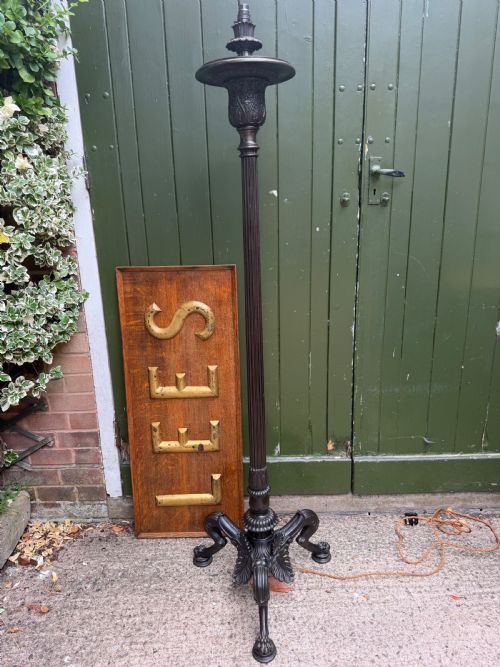
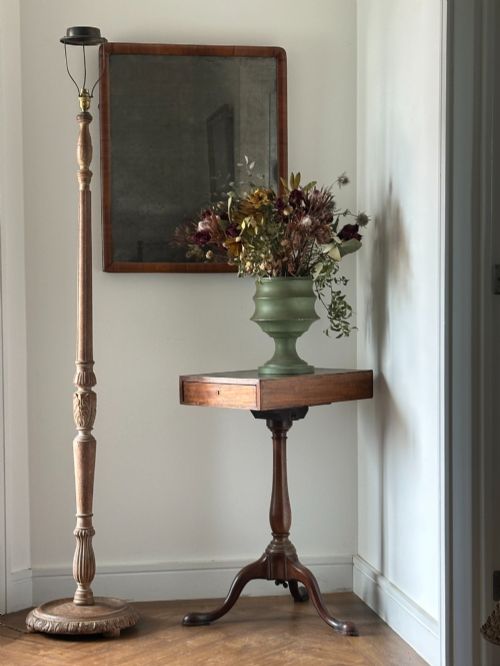
Wooden standards rely on native and exotic timbers such as walnut, oak, mahogany, and satinwood, frequently shaped through turning and detailed carving. Lacquer and painted finishes support specific decorative aesthetics like Chinoiserie schemes, sometimes paired with fabric or vellum shades.
Materials span walnut, oak, mahogany, fabric, vellum, silver plate, and solid marble.
Markers of Quality
Quality reveals itself in the weight and stability of the base, the precision of telescopic height adjustments, and the crispness of chased or carved detail. Superior examples maintain original surface patination and substantial gauge metals rather than hollow pressings.
Artistic ambition distinguishes standard production from exceptional pieces, visible in hand-painted lacquer work, figural statuary casting, and integrated marble surfaces. Maker signatures or stamps provide further evidence of workshop standard.
Maison Bagues·WMF·Hinks of B'ham
The Antique Lighting Floor Lamp Glossary
- Standard lamp
- A British term traditionally used to describe a floor lamp or tall upright lighting fixture designed to stand on the floor. It typically supports a fabric shade and sits beside seating furniture.
- Telescopic
- A construction method allowing the vertical shaft of a lamp to extend or retract in sections. This mechanism allowed users to adjust the height of the light source for reading or ambient illumination.
- Chinoiserie
- A decorative style reflecting European interpretations of Chinese and East Asian artistic traditions. On these lamps, it appears as hand-painted lacquer decoration, often in crimson or black finishes.
- Ormolu
- Finely ground high-carat gold-mercury amalgam applied to a bronze base object. It yields a rich, warm golden lustre characteristic of decorative mounts on nineteenth-century stands.
- Torchere
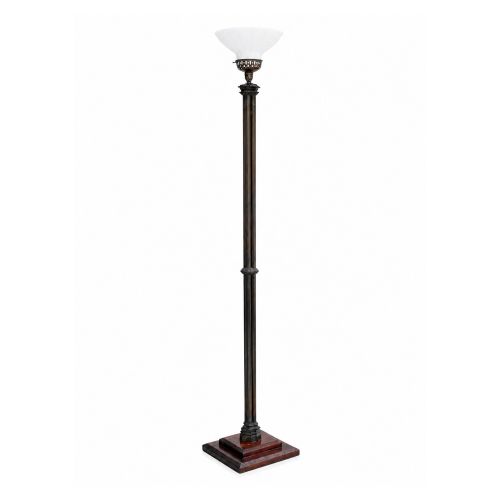
- A tall ornamental stand originally designed to carry a candle or torch. In later lighting, the term describes slender pedestal floor lamps.
Antique Lighting Floor Lamp: Frequently Asked Questions
What is a standard lamp?
A standard lamp is simply a traditional British term for a floor lamp, standing upright to support a shade and bulb.
These pieces were designed to position illumination beside chairs or desks before overhead lighting became common.
How do I spot an oil lamp conversion?
Look for retained burner assemblies, wick adjusters, or telescopic brass reservoirs that have been wired for electricity.
Many Victorian and Edwardian standards began life burning oil before conversion during the twentieth century.
Are these lamps adjustable in height?
Many examples feature telescopic shafts that raise or lower the light source.
Blacksmith made iron pieces and Victorian brass standards frequently incorporate sliding keys or screws to secure the desired height.
What materials are most common?
Brass and various woods dominate the selection, alongside bronze, silver plate, and lacquered finishes.
Heavier metals provide a stable base for the tall vertical shafts, while walnut and oak offer traditional warmth.