

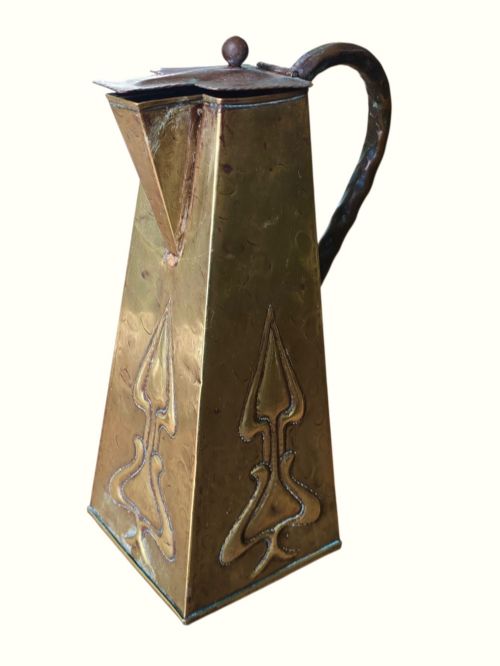
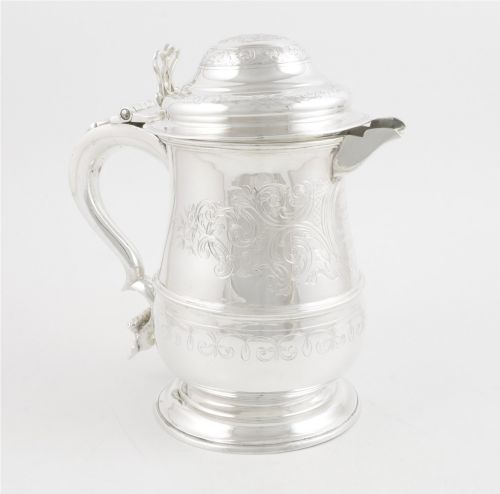
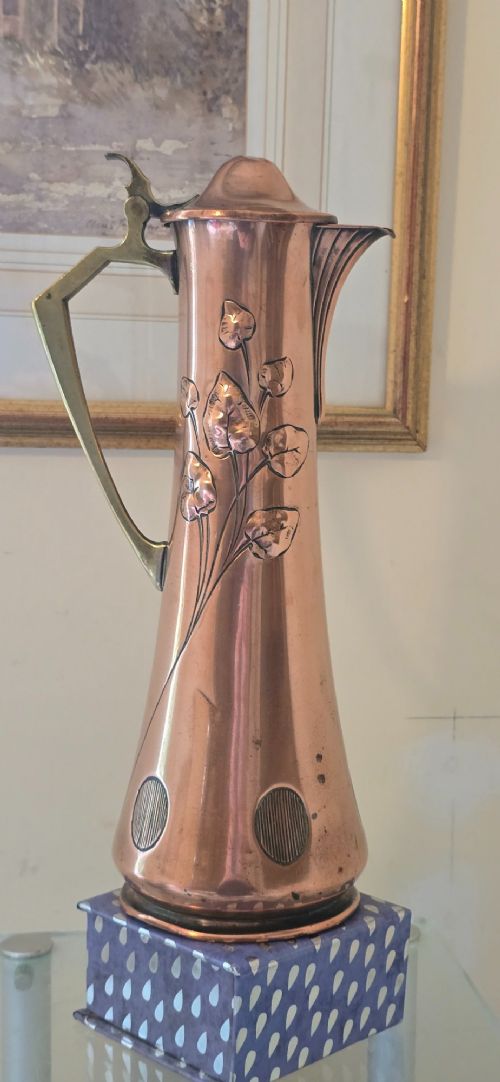
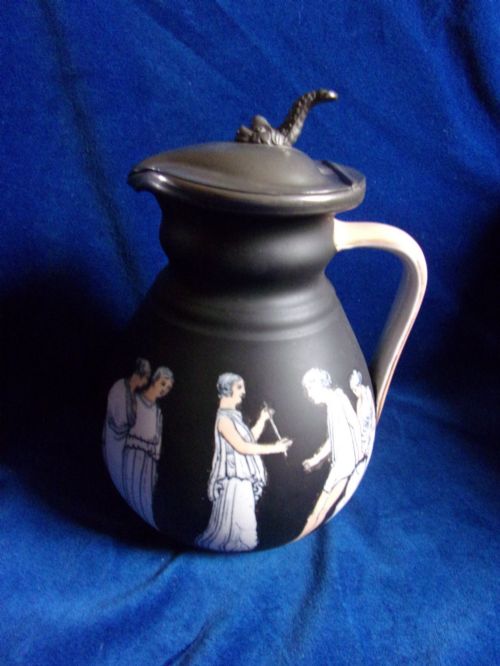
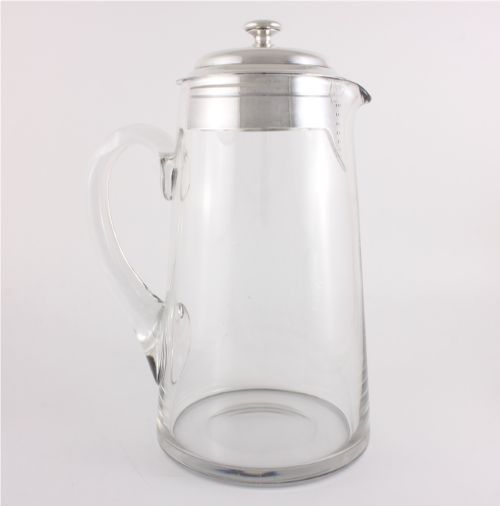
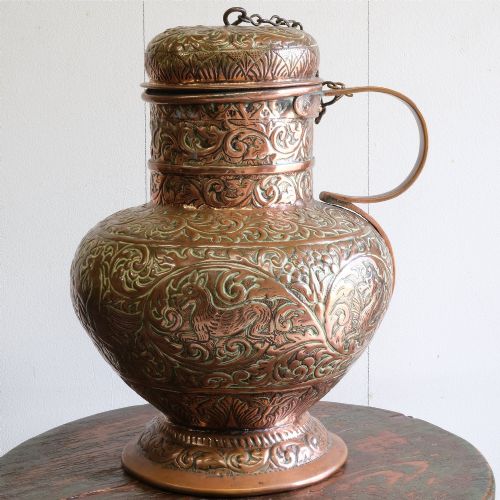
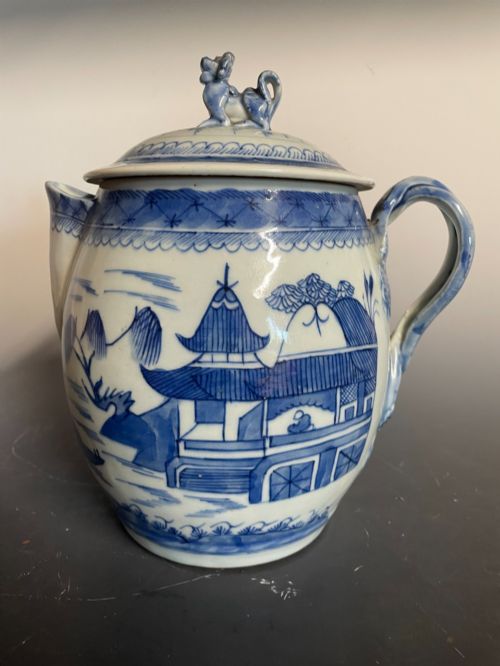
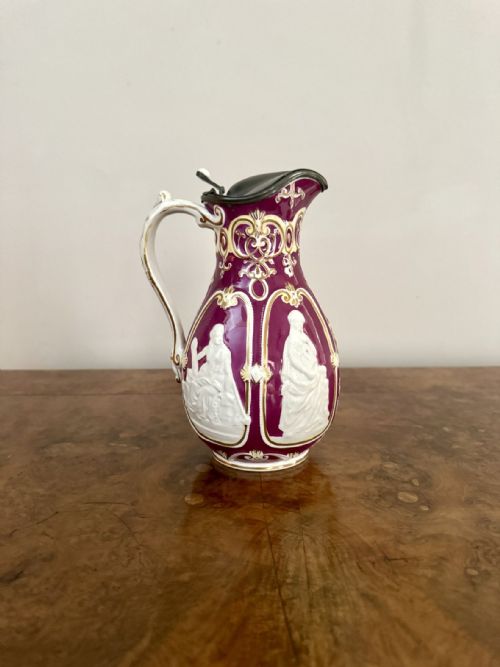


Antique Lidded Water Jug
An antique lidded water jug brings substantial metalwork and ceramic form to the table, offering both practical utility and period character.
Antique Lidded Water Jug
When you search for an antique lidded water jug, you encounter robust vessels designed for holding and pouring liquids, spanning centuries of domestic and display use. The selections here include copper, pewter, silver plate, brass, porcelain, earthenware, and cut crystal examples from diverse periods.
You are most likely to meet Victorian and Georgian iterations, alongside Arts and Crafts and Art Nouveau pieces. These range from large copper pitchers and Jersey cans to refined silver-mounted crystal and porcelain jugs.
Origins stretch across British, European, and Chinese export workshops, reflecting varied regional tastes in metalworking and ceramic production. Each piece displays the specific functional requirements of its era, whether for formal dining or everyday service.
Materials and construction
Metals form the core of many examples, utilising heavy copper, brass, and pewter shaped through hammering, casting, or spinning. Old Sheffield plate and silver plating apply precious metal layers over base metal foundations.
Ceramics and glass rely on traditional potting and moulding techniques, seen in porcelain, earthenware, salt-glazed stoneware, and cut crystal bodies. Lids integrate closely with the main vessel using hinges, thumbpieces, and securely mounted metal collars.
Antique Lidded Water Jug Retail Price Guide 2026
Typical asking prices for lidded water jug among the pieces listed under this phrase on Sellingantiques today, from the lower quarter to the upper quarter. They describe what is for sale here now, not the wider market.
The listings encompass items spanning the eighteenth through the early twentieth centuries, featuring copper, pewter, silver plate, and salt-glazed porcelain.
Assessing quality in these jugs
The distinction between standard domestic items and superior examples lies in the execution of decorative details and metal weight. Hand-engraved floral designs, relief-moulded figural scenes, and well-balanced woven handles demonstrate higher artisanal skill.
Material thickness and structural integrity dictate longevity, particularly in heavy copper pitchers and plated vessels where base metal quality matters. The precision of the lid closure and the harmonious integration of mounts with glass or ceramic bodies define the success of the piece.
WMF·Joseph Sankey·Charles Meigh·Royal Doulton·Mary Gregory
The Antique Lidded Water Jug Glossary
- Old Sheffield plate
- A composite material made by fusing a thin sheet of silver to a thicker copper base, common in Georgian tableware. This technique precedes modern electroplating.
- Pewter
- A malleable metal alloy consisting primarily of tin, combined with copper and antimony. It provides a dull grey lustre suitable for everyday jugs and tankards.
- Salt glaze
- A ceramic finish achieved by throwing common salt into the kiln during high-temperature firing. This produces a textured, slightly pitted surface on stoneware.
- Jersey can
- A traditional cylindrical metal jug originating from the Channel Islands, often utilised for measuring or pouring liquids. They typically feature distinct vertical bodies and reinforced spouts.
- Ewer
- A large jug with a flared spout and a curved handle, traditionally used for pouring water. Many examples incorporate hinged lids and ornamental metal mounts.
Antique Lidded Water Jug: Frequently Asked Questions
How do I clean an antique copper jug?
Copper vessels benefit from gentle washing with warm soapy water and thorough drying to preserve the surface. Avoid harsh abrasive cleaners that strip away patination accumulated over decades.
For pieces with clear lacquer coatings, simply wipe with a soft cloth. Uncoated copper develops a natural darkening which many collectors prefer to leave intact.
What is Old Sheffield plate?
Old Sheffield plate involves fusing silver to a copper core before rolling the combined metals into sheets for fabrication. This method creates items with the appearance of solid silver but distinct manufacturing characteristics.
Examining the edges often reveals a thin copper seam where the metals meet. This technique was largely superseded by electroplating during the mid-nineteenth century.
Are pewter lidded jugs safe for drinks?
Older pewter compositions sometimes contained lead, which makes modern food use inadvisable unless tested. Most antique pieces serve primarily decorative or display functions rather than active service.
Visual inspection helps determine the stability of the alloy and the condition of the interior surfaces. Displaying them on a sideboard or table highlights their historical craftsmanship safely.
How do I date a Victorian water jug?
Dating relies on stylistic markers such as neoclassical motifs, Art Nouveau organic lines, or specific Victorian registry marks stamped into the metal or ceramic base. Comparing handle construction and lid hinges with documented period examples narrows down the timeframe.
Maker marks and manufacturer names provide definitive clues when matched against historical trade records. Material choices also shift between early century Sheffield plate and later silver plating methods.