



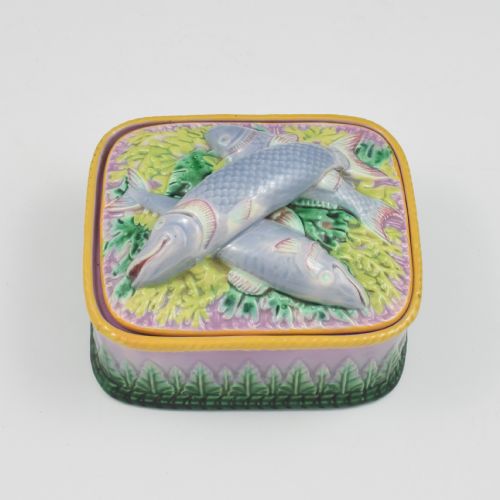


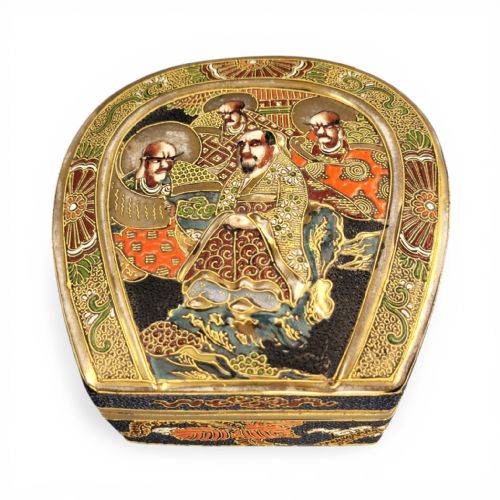


Antique Lidded Trinket Dish
An antique lidded trinket dish holds small treasures on a dressing table, combining utility with fine craftsmanship from past centuries.
Antique Lidded Trinket Dish
An antique lidded trinket dish serves to store small personal items such as jewellery, pins, or cosmetics on dressing tables and desks. These pieces span compact vanity jars, powder boxes, and decorative containers designed to keep private valuables neatly covered.
The selection ranges widely across periods, encompassing Victorian, Edwardian, and Art Deco eras alongside continental European and Asian workshops. Most pieces encountered on this page combine functional storage with ornamental ceramic, glass, or metal work.
Forms vary from simple round porcelain pots to boat-shaped dishes, heart-shaped glass containers, and hinged boxes fitted with precious metals. Each variation reflects the prevailing interior tastes and domestic habits of its original period of manufacture.
Materials and Construction
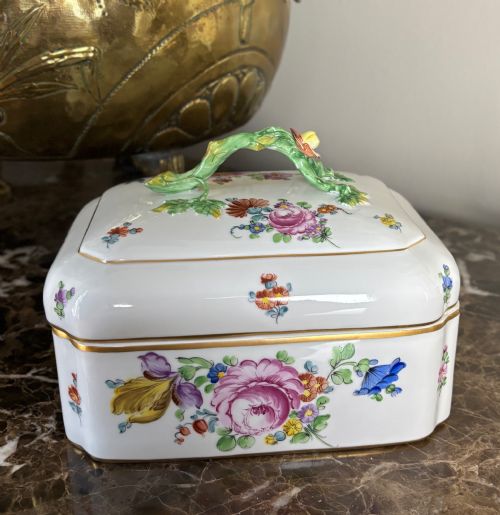
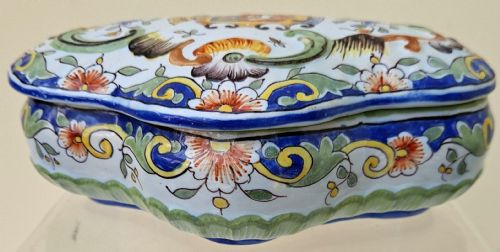
Pottery and porcelain bodies form the foundation of many dishes, shaped from earthenware, hard-paste porcelain, or ironstone before receiving hand-painted glazes, enamel details, or transfer printing. Kiln firing creates durable vessels capable of holding delicate pigments and metallic highlights.
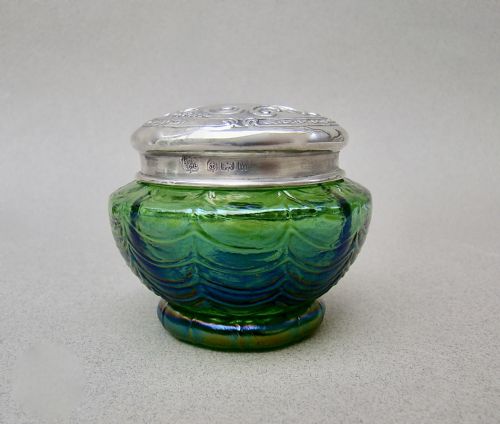
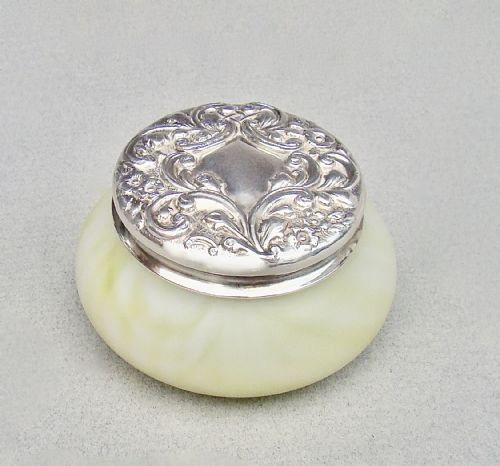
Glass production utilises cut, pressed, or satin techniques, often paired with sterling silver or vermeil mounts fabricated by silversmiths. Craftsmen secure these metal lids and rims to crystal and cranberry glass bodies using precise hinges and bezels.
Alternative examples employ carved hardwoods, bronze cast with mixed metal inlays, or cloisonné enamel applied to metal bases. Artisans shape these diverse materials with specialist tools to ensure snug fits between the dish and its cover.
Antique Lidded Trinket Dish Retail Price Guide 2026
Typical asking prices for lidded trinket dish among the pieces listed under this phrase on Sellingantiques today, from the lower quarter to the upper quarter. They describe what is for sale here now, not the wider market.
Materials range from sterling silver and gold leaf to cloisonne enamel, satin glass, and carved oak.
Distinctions in Quality
Quality rests upon the crispness of hand-painted decoration, the depth of cut glass facets, and the precision of metalwork fittings. Superior pieces display controlled brushwork, sharp moulding, and secure hinges that align perfectly when closed.
The integration of materials dictates overall grade, where heavy sterling silver mounts and genuine tortoiseshell or enamel enrich simpler glass or ceramic bodies. Maker attribution and well-preserved gilt detailing further elevate the standing of an individual box.
A. J. Pepper & Co·A. Bromet & Co·George Jones·Toshozan·Josef Margold
The Antique Lidded Trinket Dish Glossary
- Bonbonniere
- A small decorative box originally intended for holding sweets or confections. These lidded vessels often feature fine porcelain or enamel decoration.
- Vermeil
- Sterling silver plated with a thin layer of gold. This finish provides a warm, rich tone frequently seen on luxury nineteenth and twentieth-century containers.
- Potpourri
- A mixture of dried petals and spices kept in a lidded bowl to scent a room. Containers made for this purpose feature pierced or perforated lids to release fragrance.
- Faience
- European tin-glazed earthenware developed during the sixteenth century and continued through later revival periods. It provides an opaque white surface suitable for painted ornamentation.
- Cloisonne
- A decorative metalwork technique where thin wire creates partitioned cells filled with enamel paste. Firing fuses the vitreous paste into bright, patterned designs across the surface.
Antique Lidded Trinket Dish: Frequently Asked Questions
What were antique lidded trinket dishes used for?
These small covered containers held personal valuables like rings, brooches, hairpins, and cosmetics on dressing tables.
Wealthier households used them in bedchambers and boudoirs to keep daily accessories organised and protected from dust.
How do I date an Edwardian trinket box?
Edwardian pieces often feature hallmarks for silver components dating between 1901 and 1910, alongside characteristic floral or ribbon motifs.
Glass and ceramic examples from this decade frequently display transitional styles bridging Victorian ornamentation and cleaner Edwardian lines.
What is the difference between porcelain and earthenware dishes?
Porcelain is fired at higher temperatures, producing a dense, vitreous body that often rings when struck and may appear translucent under strong light.
Earthenware is softer, more porous, and requires an opaque glaze like tin-glaze or majolica to seal the clay body.
How should I clean silver mounts on glass boxes?
Silver mounts require gentle polishing with a soft cloth to avoid abrasive contact with adjacent glass, enamel, or tortoiseshell surfaces.
Keeping moisture away from hinges and internal linings prevents corrosion and preserves original adhesives used by period silversmiths.