
Antique Lid Urns
These antique lid urns bring decorative presence to a room through centuries of ceramic, metal and wooden craft.
Antique Lid Urns
When you search for antique lid urns, you encounter covered vessels spanning the eighteenth, nineteenth and early twentieth centuries. These pieces take forms such as lidded vases, ginger jars, potpourri pots and incense burners.
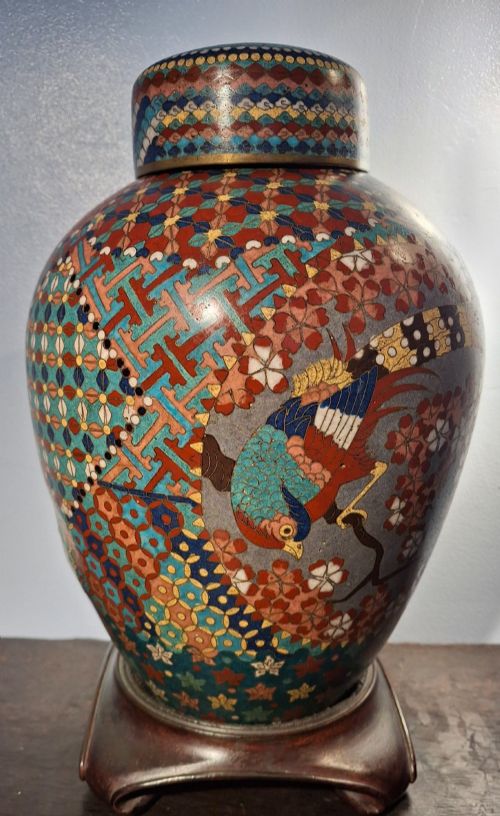
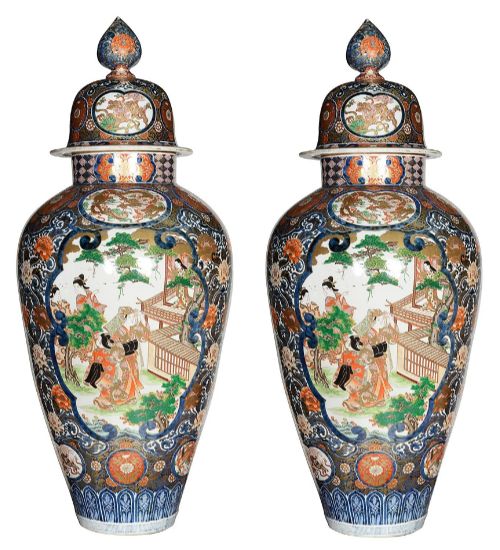
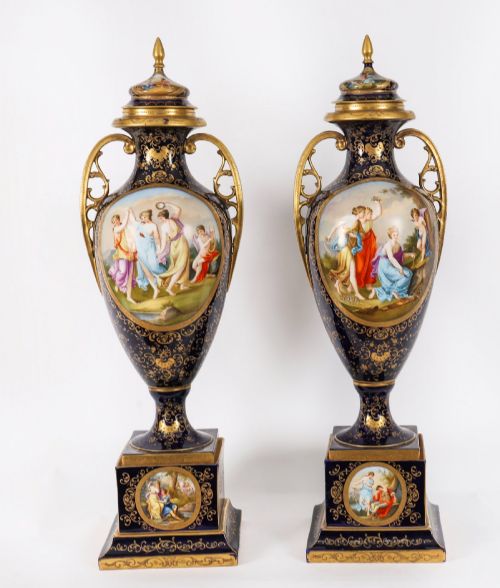
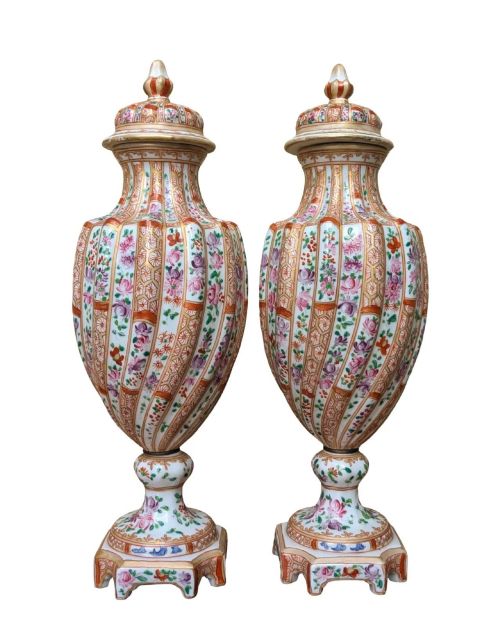
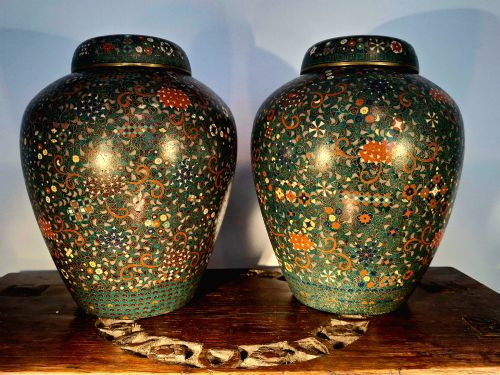
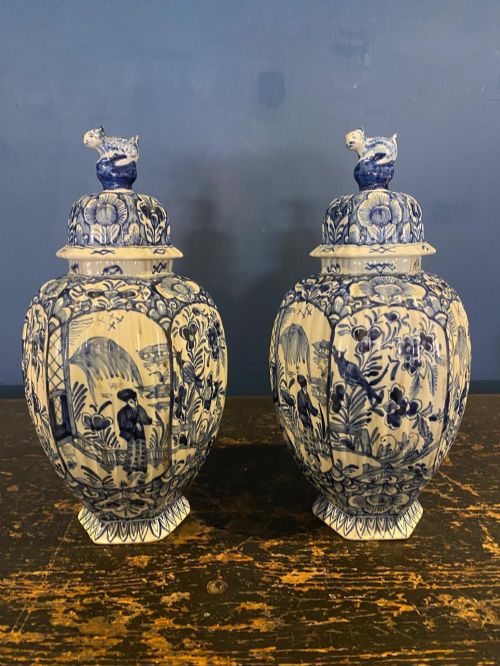
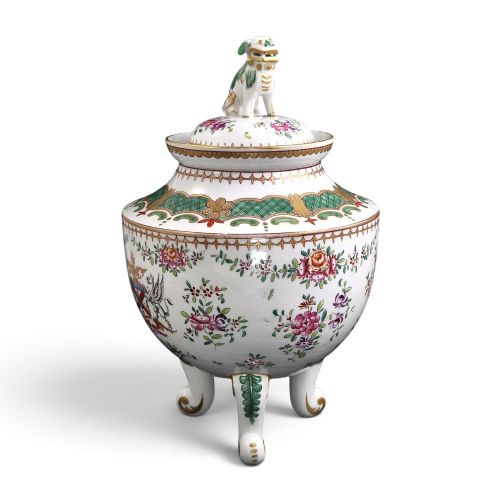
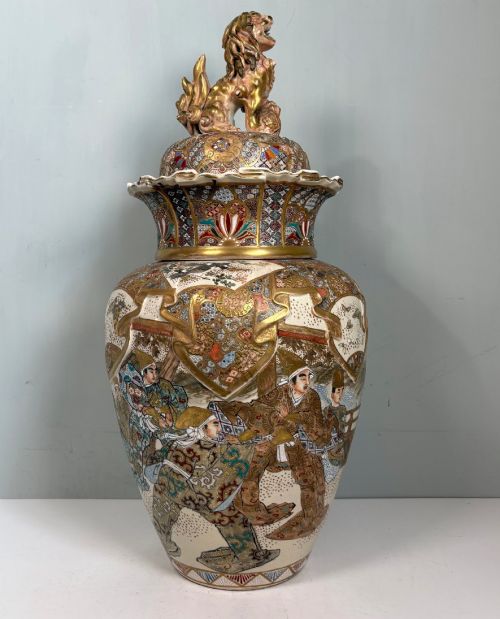
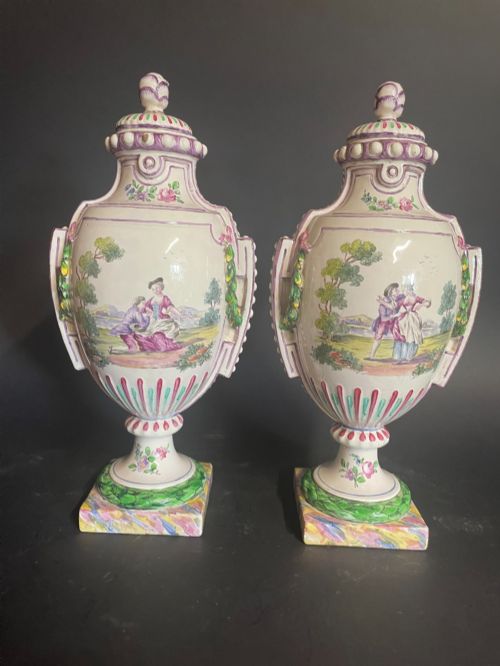
The selection here includes European porcelain manufactory pieces, earthenware from Dutch and English delftware traditions, and Asian ceramics from the Meiji period. Continental and British workshops produced many of these covered vessels in styles ranging from Georgian and Regency to Victorian and Edwardian revivalism.
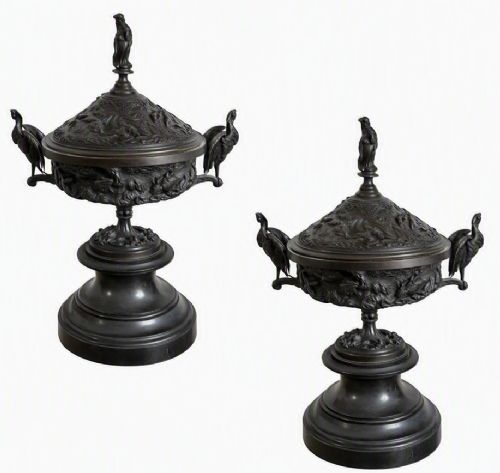
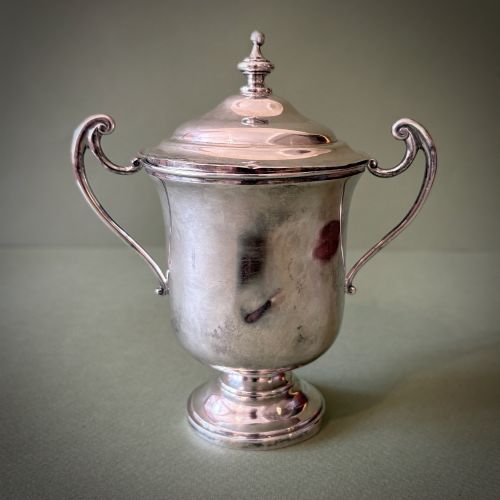
Beyond ceramics, the selection extends to turned fruitwood, carved walnut, cast spelter, bronze and silver. Each vessel serves primarily as a decorative focal point rather than a utilitarian container.
How they were made
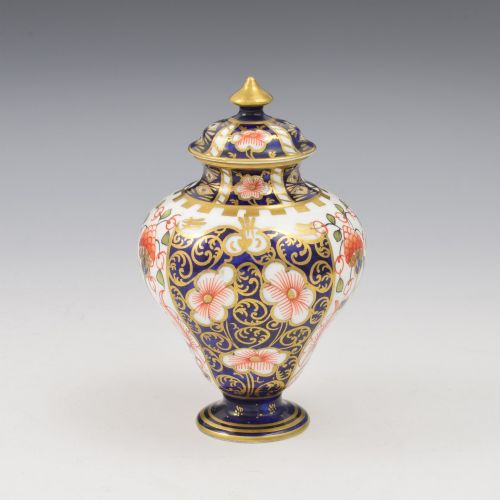
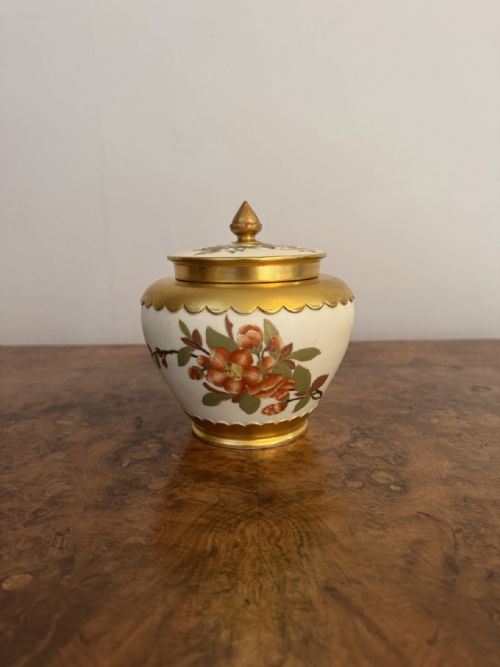
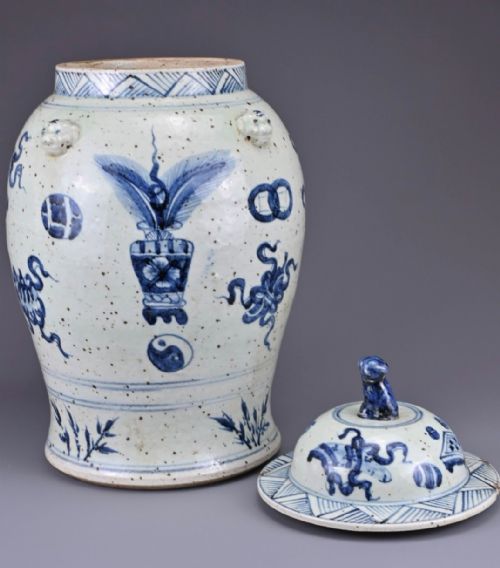
Ceramic examples rely on porcelain, earthenware and majolica bodies shaped by wheel or mould, then finished with hand-painted glazes, enamel or gold leaf. Makers often employed cobalt blue underglazes or intricate Imari palettes before secondary firing.
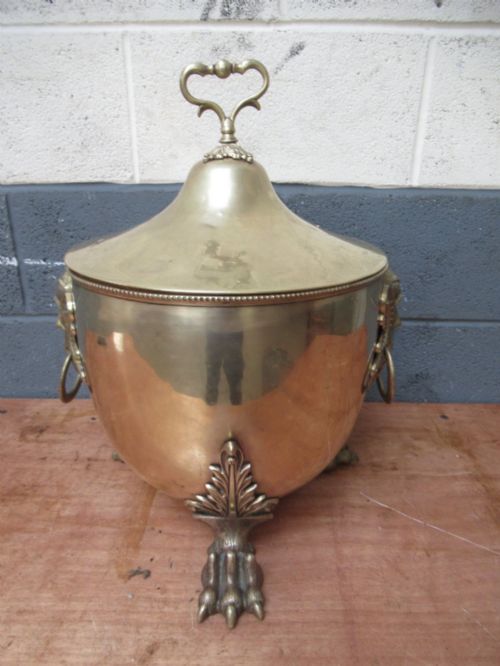
Metal vessels involve casting in bronze, spelter, copper or silver, sometimes incorporating gilt bronze mounts or old Sheffield plate techniques. Carved wooden versions utilise dense timbers such as walnut and fruitwood shaped on a lathe or worked by hand with chisels.
A few vessels hide Latin inscriptions or secret maritime associations beneath their heavy bronze lids.
What varies in quality
The distinction between standard and exceptional pieces rests in the execution of the surface decoration and the fidelity of the form. Hand-painted ceramic details by named artists or major factories display greater nuance in brushwork and palette control.
Material integrity and the survival of original matching lids also define the upper tier. Cast metal mounts show crisper chasing and heavier gauge construction, while turned and carved wooden vessels reveal sharper relief and tighter grain selection.
Royal Crown Derby·Samson Paris·Royal Worcester·Sceaux·Limoges·Chamberlain Worcester·Vienna Porcelain·Coalport
The Antique Lid Urns Glossary
- Imari
- A Japanese decorative style featuring iron red, cobalt blue and gold, widely copied by European porcelain makers. This palette creates high-contrast patterns across the surface of jars and vases.
- Potpourri pot
- A vessel with a pierced lid designed to diffuse dried scented petals into a room. These containers often feature painted floral panels or moulded botanical motifs.
- Spelter
- An alloy of zinc and lead used as a cheaper alternative to bronze for cast decorative figures and urns. It is typically painted or bronzed to simulate heavier metal.
- Tin-glazed earthenware
- Pottery coated with a white tin oxide glaze that provides an opaque ground for painted decoration. Examples include English and Dutch delftware.
- Treen
- Small handmade wooden household objects and vessels. These pieces demonstrate traditional turning and carving skills in domestic timbers.
Antique Lid Urns: Frequently Asked Questions
What were antique lid urns used for?
These vessels primarily served decorative functions in grand interiors, displayed on mantelpieces, pedestals and side tables. Some specific forms held potpourri, ginger, or incense.
Over time, their role shifted entirely to ornamental display, prized for their symmetry and sculptural presence.
How do I identify the period of a lidded urn?
Dating relies on a combination of material composition, glaze characteristics, style influences such as Neoclassical or Rococo Revival, and factory marks. Examining the base and interior often reveals manufacturing methods specific to a century.
Stylistic details like handles, finials and foot rims also align closely with the prevailing tastes of Georgian, Victorian or Edwardian eras.
Are original lids important for these urns?
Matching original lids significantly affect the completeness and visual harmony of the piece. Because lids are easily separated or damaged over centuries, finding an urn with its correct companion cover is notable.
Replacement lids often reveal subtle discrepancies in glaze tone, body thickness, or fit upon the neck.
How should I care for a ceramic or metal urn?
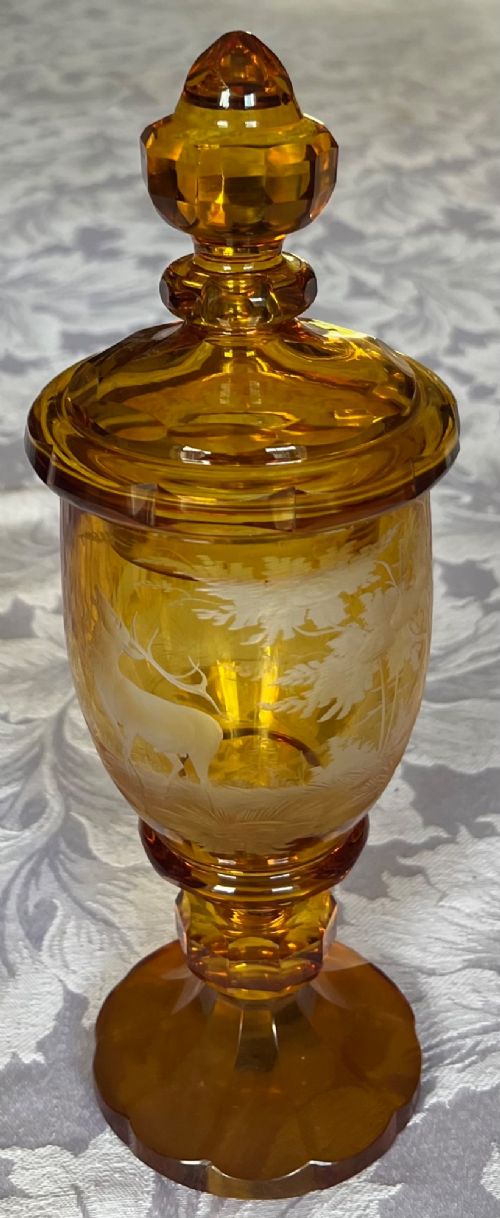
Ceramic and glass vessels require gentle dusting with a dry, soft cloth to protect painted glazes and gilt details. Avoid using water or chemical cleaners on antique surfaces.
Metal pieces like bronze or silver benefit from minimal intervention, preserving the natural patina accumulated over generations.