



Antique Library Wall Art
Antique library wall art brings character and history to a room through framed prints, oil paintings and carved wood pieces spanning the eighteenth to the twentieth centuries.
Antique Library Wall Art
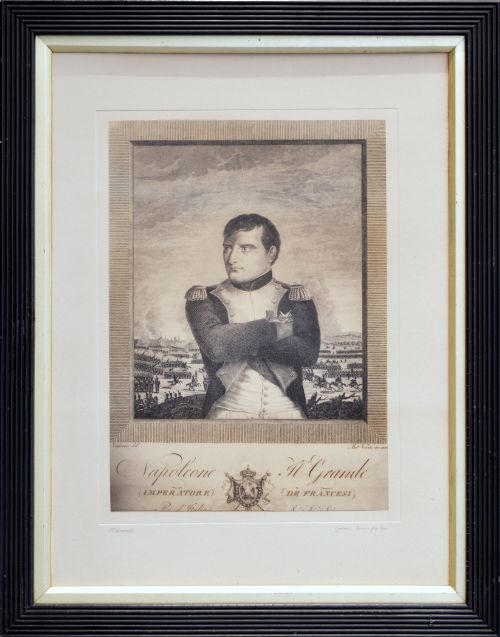
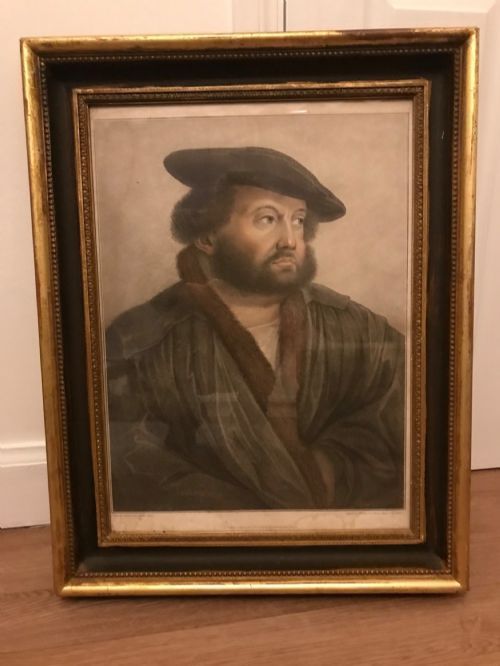
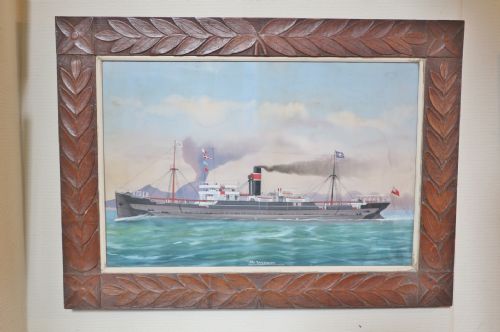
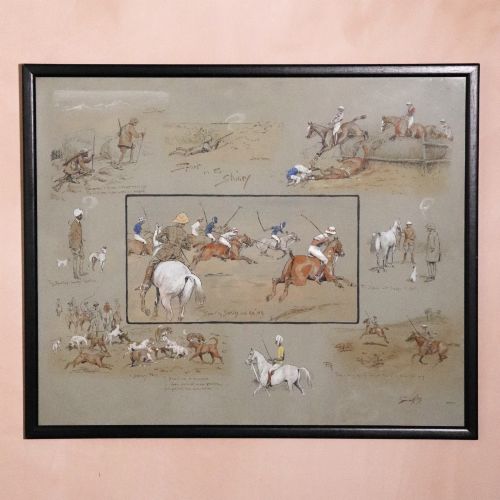
When searching for antique library wall art, buyers encounter a diverse selection of framed prints, engravings, oil paintings and wall sculptures spanning from the eighteenth century through to the interwar period. These works encompass portraits, sporting scenes, satirical cartoons, maritime subjects and botanical or figural studies suited to traditional study spaces.
The Victorian and Edwardian eras dominate the available forms, particularly through satirical portraiture like Vanity Fair prints and dynamic racing or hunting scenes. Alongside paper works, collectors find substantial oil paintings on canvas, early aviation pieces and carved oak architectural elements set in brass frames.
Materials and construction
Works on paper rely on traditional stipple engraving and print techniques, often framed behind glass to protect delicate surfaces from environmental damage. Many pieces utilise durable oak frames, sometimes enhanced with gilded gesso or gold leaf details that accentuate carved wooden crests and plaques.
Original oil paintings employ oil on canvas applied by British school artists and portraitists, capturing rich textures and deep tones. Mixed media presentations combine carved wood elements inset directly into brass or wooden frames to create dimensional wall sculptures.
Antique Library Wall Art Retail Price Guide 2026
Typical asking prices for library wall art among the pieces listed under this phrase on Sellingantiques today, from the lower quarter to the upper quarter. They describe what is for sale here now, not the wider market.
Listings feature paper, glass, wood, oil on canvas, oak, gold leaf, carved oak and gilded gesso across multiple historical periods.
Assessing quality and authenticity
Quality separates through the crispness of the original impression in engravings and the handling of pigment in oil paintings. Finer works retain their original paper tone, clear signatures and period framing materials without excessive modern restoration.
The distinction between decorative mass-produced prints and original watercolours or stipple engravings by known publishers shapes value. Intricate hand-carved woodwork and well-preserved nineteenth-century canvases command greater attention than later decorative reproductions.
The Antique Library Wall Art Glossary
- Stipple engraving
- A method of printing that uses dots of varying density to create tonal gradations and subtle shadows. This technique allows for delicate portraiture replication.
- Gilded gesso
- A plaster-based material applied to wood and coated with gold leaf to create ornate decorative mouldings. It provides a bright, reflective surface for period frames.
- Trompe-l'œil
- An artistic illusion that creates optical deception by depicting three-dimensional objects on a flat surface. This clever painting style tests the viewer's perception.
- Carved oak
- Heavy hardwood shaped with chisels to form structural crests and decorative wall plaques. Oak was widely utilised in traditional British interiors for its durability.
Antique Library Wall Art: Frequently Asked Questions
What periods do these pieces come from?
The collection spans from the eighteenth century through the Victorian and Edwardian periods up to the nineteen-thirties.
Most items originate from the nineteenth and early twentieth centuries, reflecting changing aesthetic tastes in British interiors.
How were these artworks displayed originally?
Original pieces hung in private studies, country houses and libraries to display sporting pursuits, political figures and familial heritage.
Framed engravings and oil paintings were arranged in close groupings to cover wood-panelled walls entirely.
Are the frames original to the art?
Many works retain period framing, such as gilded gesso, brass surrounds or carved oak borders matching the era of the piece.
Some items combine older elements, like carved oak crests, with later mounting to ensure secure wall hanging.
How do I care for antique paper art?
Paper prints and watercolours require protection from direct sunlight to prevent fading of the ink and discolouration of the paper substrate.
Maintaining stable indoor humidity levels prevents warping of the wooden frames and degradation of the paper.