


Antique Liberty Table
When you search for an antique liberty table, you enter a world of Arts and Crafts design, solid oak construction, and thoughtful British craftsmanship.
Antique Liberty Table
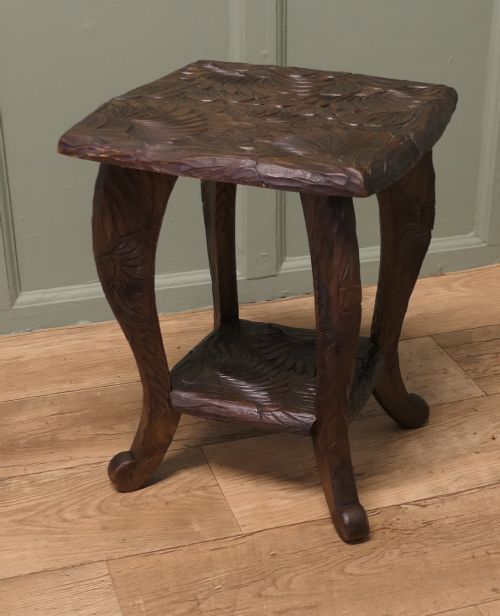
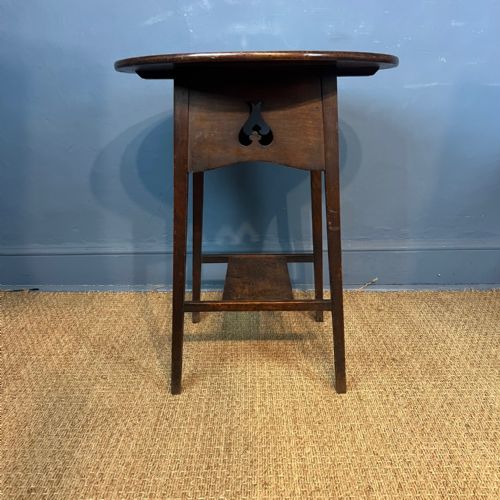
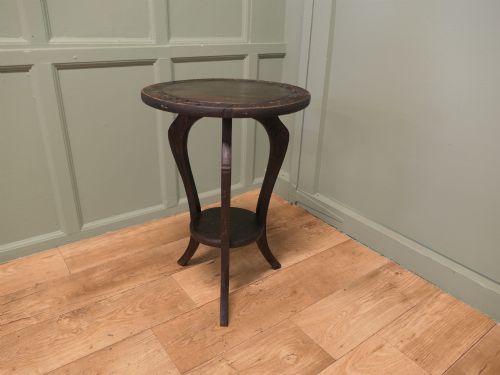
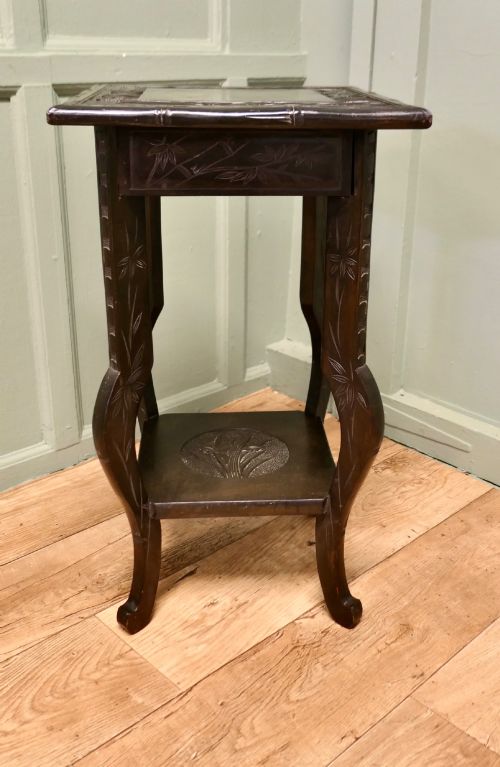
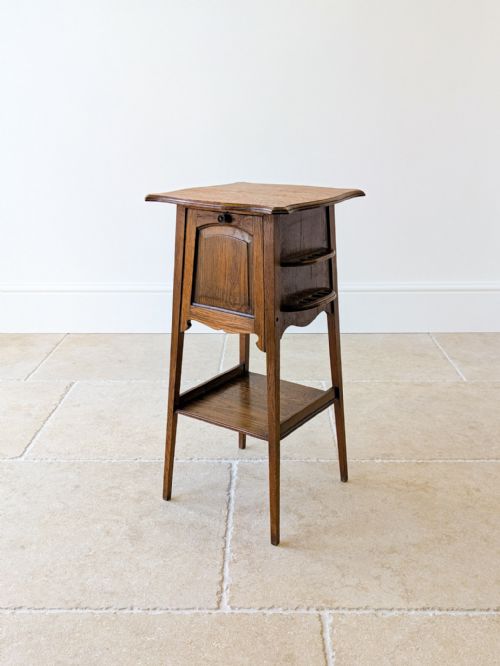
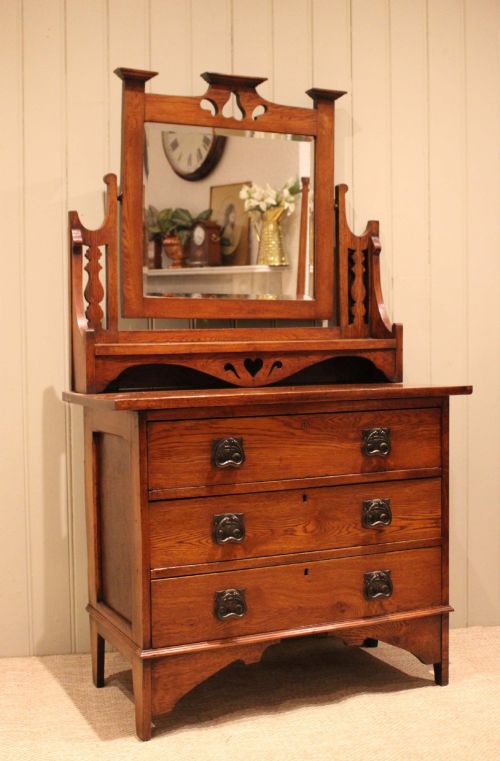
An antique liberty table embodies the practical philosophy of the late nineteenth and early twentieth centuries, merging utility with decorative integrity. Buyers seeking an antique liberty table most frequently encounter compact forms such as side tables, occasional tables, and plant stands produced in oak.
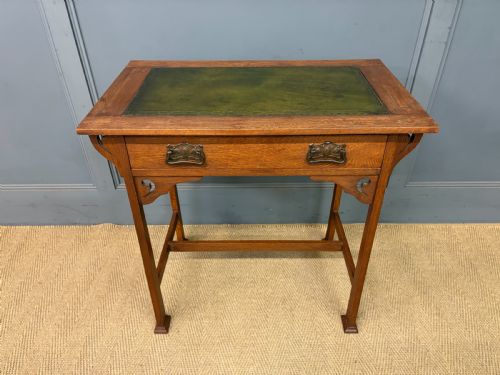
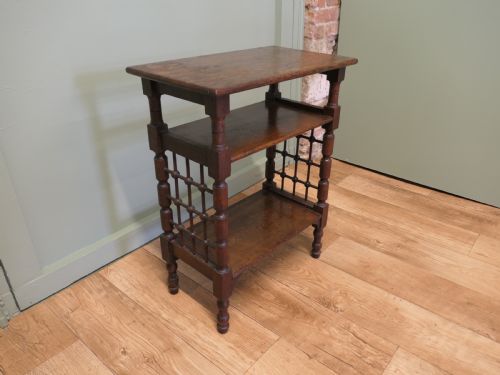
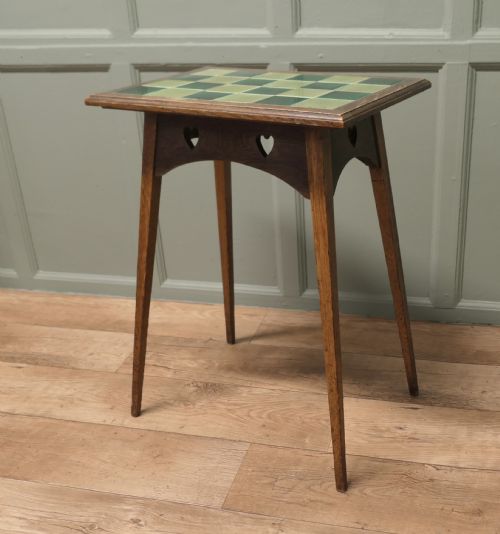
The pieces on this page span several decades, reaching from the Victorian era through the Edwardian period into the 1920s. Alongside standard occasional furniture, forms extend to magazine racks, desks, and tiled top tables reflecting distinct aesthetic movements.
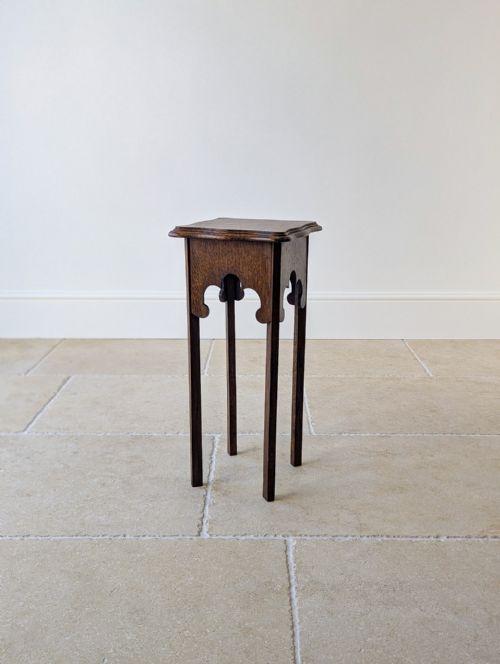
Makers and designers associated with these listings include Leonard Wyburd, William Birch, Baillie Scott, and Archibald Knox. Their output ranges from plain functional oak frames to more elaborate Moorish Revival and Anglo-Moresque occasional furniture.
How they were made
Makers relied primarily on solid oak, mahogany, walnut, and ash, supplemented by ebonised wood and bamboo for alternative stylistic effects. Construction techniques prioritized visible structural joints, pegged mortise and tenon connections, and honest grain presentation in line with Arts and Crafts ideals.
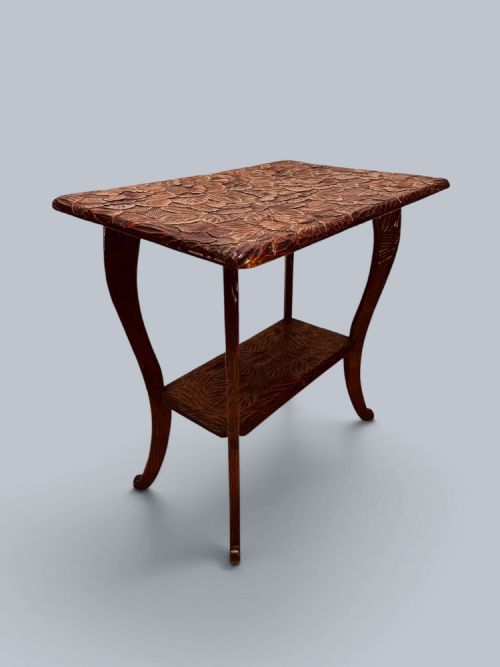
Metalwork played a key supporting role, utilising brass, copper, and pewter alongside inlaid elements of abalone and enamel. Table tops frequently incorporated decorative ceramic tiles, fretwork, carved botanical motifs, and chequered wood inlay.
Antique Liberty Table Retail Price Guide 2026
Typical asking prices for liberty table among the pieces listed under this phrase on Sellingantiques today, from the lower quarter to the upper quarter. They describe what is for sale here now, not the wider market.
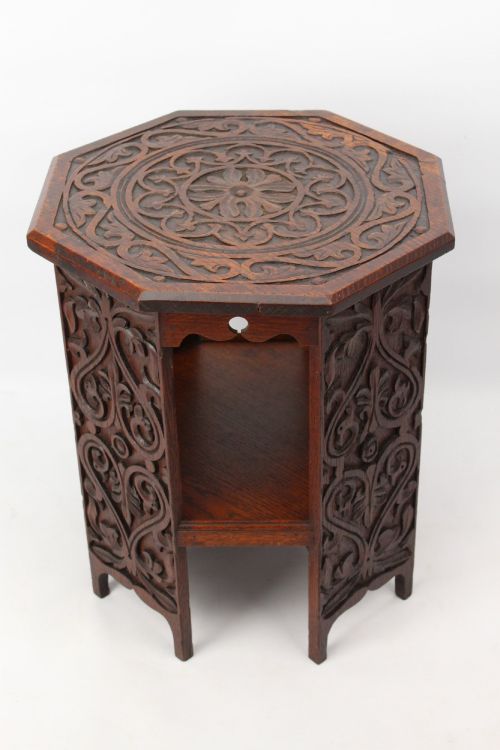
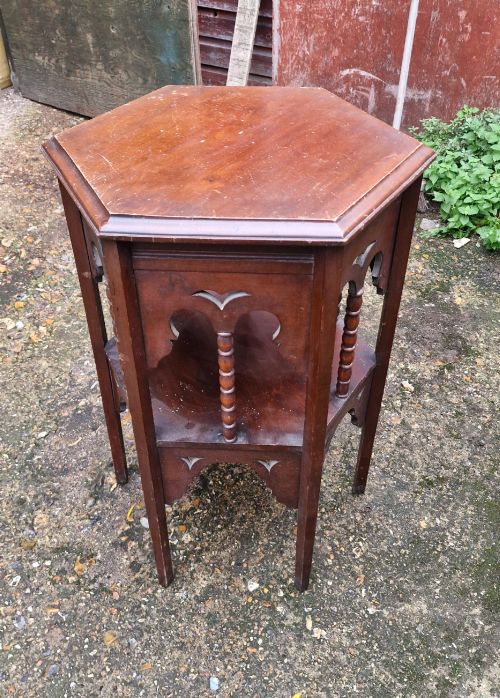
Several pieces combine sturdy British oak with the intricate geometry of Moorish Revival design, proving that Victorian globe-trotting started right in the living room.
What varies in quality
The distinction between standard commercial output and exceptional pieces rests upon the ambition of the design and the pedigree of the maker. Tables attributed to specific designers or bearing recognised retail stamps display greater sculptural confidence in their carving and framing.
Material selection and decorative enrichment also set pieces apart. The incorporation of specialised inlays, hand-beaten metal tops, or hand-painted ceramic tiles elevates a basic utility frame into a refined example of period decorative art.
Leonard Wyburd·William Birch·Baillie Scott·Archibald Knox·David Veasey·Finnigans
The Antique Liberty Table Glossary
- Arts and Crafts
- A design movement advocating for traditional craftsmanship, simple forms, and plain materials. It rejected mass production in favour of visible construction and honest utility.
- Moorish Revival
- An architectural and decorative style drawing inspiration from medieval Islamic architecture. It brought intricate geometric patterns and low-slung octagonal forms to British domestic furniture.
- Tudric
- A trade name used by Liberty and Co for a range of pewterware. It often incorporated stylized plant motifs and blue-green enamel inserts designed by artists like Archibald Knox.
- Occasional table
- A small, movable table designed for specific, intermittent household tasks. These pieces function easily beside chairs or in hallways as plant stands.
- Chequered inlay
- A decorative technique using small alternating squares of contrasting wood. It creates a precise geometric border along table edges and surfaces.
Antique Liberty Table: Frequently Asked Questions
How were these tables used originally?
Households utilised these compact pieces as side tables, lamp stands, or dedicated plant holders in principal rooms. Their modest scale allowed them to move easily around domestic spaces.
Larger variants served as writing surfaces, card tables, or central display fixtures in hallways and drawing rooms.
How do I style one at home?
Place a solid oak or walnut side table beside a low armchair to serve practical everyday needs. The rich timber tones complement both historic interiors and modern minimalist settings.
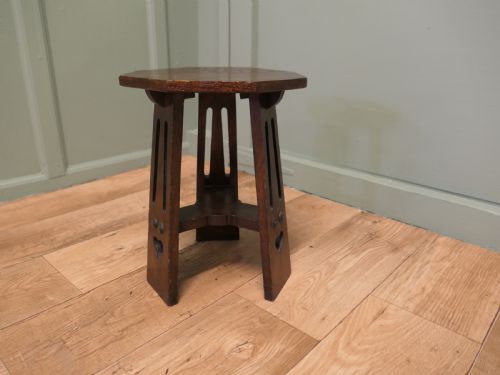
Octagonal plant stands and tiled top tables work effectively in corners or near windows to support ceramics and greenery.
How do I identify the period?
Examine the timber, construction methods, and decorative motifs to establish a chronological frame. Pieces from the Victorian era and the 1890s often lean towards Moorish or Aesthetic movement influences.
Edwardian and early twentieth century examples tend toward cleaner lines and simpler oak construction. Stylistic details often point toward specific designers associated with Liberty and Co.