





Antique Letter Case
These antique letter case items are practical deskside and desktop companions designed for correspondence, ranging from Victorian stationery boxes to Edwardian telegram folders.
Antique Letter Case
An antique letter case serves to organise correspondence, holding writing paper, telegrams, and envelopes upon the desktop or table. Buyers seeking an antique letter case will find forms ranging from tabletop stationery boxes and fall-front deed boxes to folding folders.
The evidence shows these pieces span the Georgian, Victorian, and Edwardian periods, alongside early twentieth-century iterations. Materials commonly recorded include mahogany, oak, leather, brass, steel, and sterling silver.
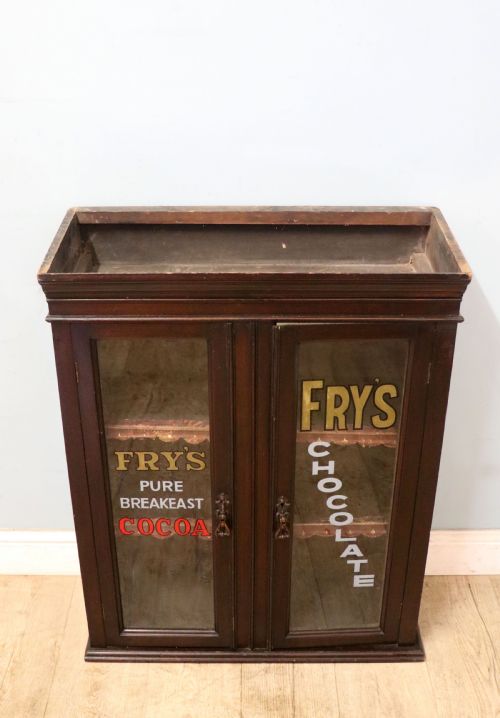
Commercial and domestic contexts overlap in the selection, with country house hotel key boxes, desk sets, and correspondence cases appearing alongside display cabinets and haberdashery fittings. Scottish leatherwork and English craftsmanship both feature prominently in the historical record.
Materials and construction
Cabinet makers utilised hardwoods such as mahogany and oak to construct the carcasses of stationery boxes, knife boxes adapted for letters, and deed chests. Brass mounts, hinges, and locks reinforce the corners and lids of these storage containers.
One recorded postal box takes the whimsical form of a longcase clock.
Assessing craftsmanship and finish
The standard of an antique letter case rests upon the joinery of the timber and the quality of its secondary materials. Finely fitted interiors with dedicated compartments for stationery elevate a piece above simpler utilitarian storage boxes.
Metalwork details, from engraved brass hinges to hallmarked sterling silver mounts on telegram folders, distinguish finer examples from standard commercial output. The integration of quality leatherwork and hand-tooled surfaces also marks out superior items.
W & J Milne·Sampson Mordan
The Antique Letter Case Glossary
- Stationery box
- A tabletop desk accessory designed to hold writing paper and envelopes upright. These containers often feature sloping lids or fall-front panels.
- Telegram folder
- A slim case created to hold telegraph messages upon a desk or table. Examples incorporate sterling silver fronts and fabric interiors.
- Deed box
- A secure metal or wooden chest used for storing legal documents and correspondence. Versions in steel and mahogany appear in the period record.
- Sealing wax holder
- A small desk accessory made to store wax sticks used for sealing letters. They frequently incorporate a seal matrix on the terminal.
- Correspondence case
- A portable folder or box for writing materials and letters. Scottish leather examples demonstrate regional specialisation in this field.
Antique Letter Case: Frequently Asked Questions
What is an antique letter case?
An antique letter case is a desktop container or folder designed to keep writing paper, envelopes, and incoming post organised. These items date from the Georgian, Victorian, and Edwardian eras.
They were kept on writing desks in homes and offices to manage daily correspondence before the era of digital messaging.
How were letter cases used?
Users stored blank paper, answered letters, and telegrams inside these compartments to keep writing areas tidy. Some versions were portable folders taken on travels.
Desk sets often included matching letter openers and scissors alongside the main storage case.
What materials are they made from?
Common materials include hardwoods such as mahogany and oak, paired with brass hinges and locks. Leather, steel, and sterling silver also feature prominently.
Finer desk accessories incorporate glass elements and gold leaf decoration on leather surfaces.
How do I date a stationery box?
Dating relies on stylistic markers from the Georgian, Victorian, and Edwardian periods, alongside assay marks on silver components. Construction methods and wood choices also indicate the era of manufacture.
Makers' marks stamped into leather or metal provide further clues to the exact decade of production.