
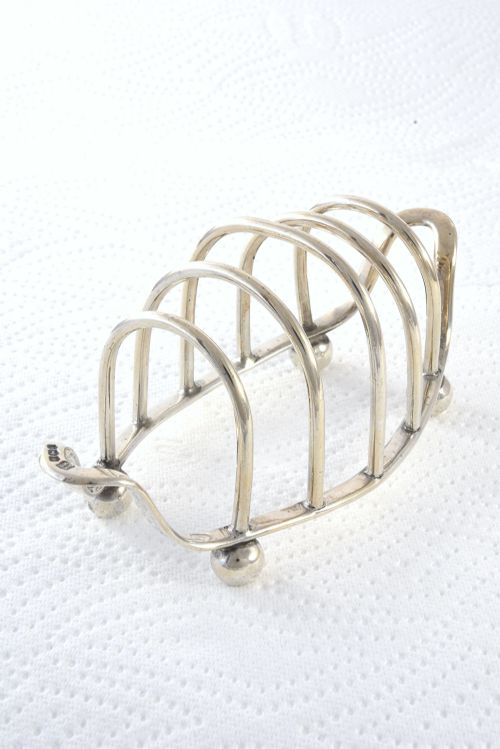


Antique Letter Caddy
An antique letter caddy keeps your correspondence organised in the traditional manner while bringing period craftsmanship to a desk or tabletop.
Antique Letter Caddy
When you search for an antique letter caddy, you are looking at desk accessories and stationery boxes designed to hold letters and post neatly. These pieces appear in forms such as brass mesh holders, oak post boxes, and mahogany stationery caddies.
How they were made
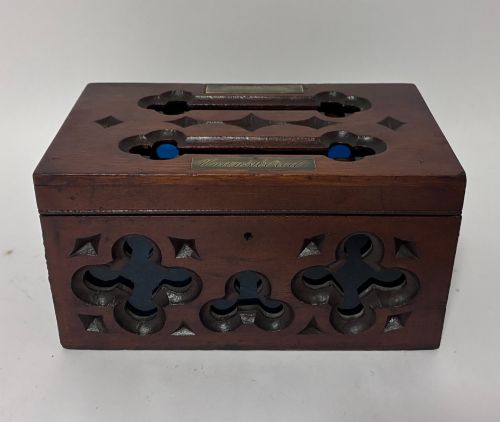
Cabinet makers utilised fine timbers including satinwood, burr walnut, mahogany, and oak to construct the main bodies of these boxes and racks. Many pieces incorporate brass mountings, mesh panels, and hand-painted porcelain plaques for structural reinforcement and decoration.
Joinery techniques ranged from simple pegged boxes to more elaborate veneering and Boulle work. Metalwork elements were cast, pierced, or plated to create durable frames and dividers.
The listings show desk accessories spanning the Georgian, Victorian, and Edwardian eras, utilising silver, brass, satinwood, and burr walnut.
What varies in quality
The distinction between standard utility items and finer examples rests on the selection of timber and the precision of the cabinet work. Matched veneers, such as burr walnut or figured mahogany, indicate a higher grade of manufacture.
Hardware execution also defines the standard of a piece. Substantial brass mountings, integrated locking mechanisms, and careful metal mesh construction separate workshop productions from mass-market output.
Elkington
The Antique Letter Caddy Glossary
- Stationery box
- A desk accessory with internal partitions designed to hold writing paper, envelopes, and correspondence upright. These pieces often feature sloping lids or folding fronts.
- Boulle work
- An elaborate form of marquetry utilising brass and tortoiseshell inlaid into wood surfaces. This technique appears on French and English desk boxes from the nineteenth century.
- Satinwood
- A durable hardwood with a natural golden sheen and smooth grain. Cabinet makers utilised this timber extensively during the Georgian and Sheraton periods.
- Burr walnut
- Wood taken from the gnarled growths of a walnut tree, yielding dense and swirling grain patterns. It served as a decorative veneer on high-status Victorian boxes.
- Toast rack
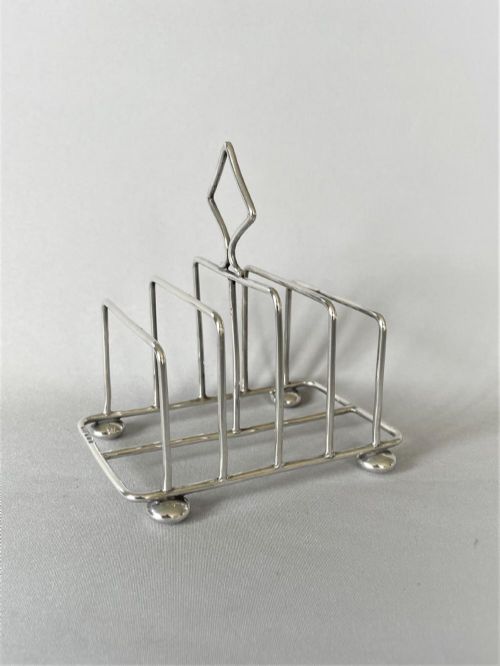
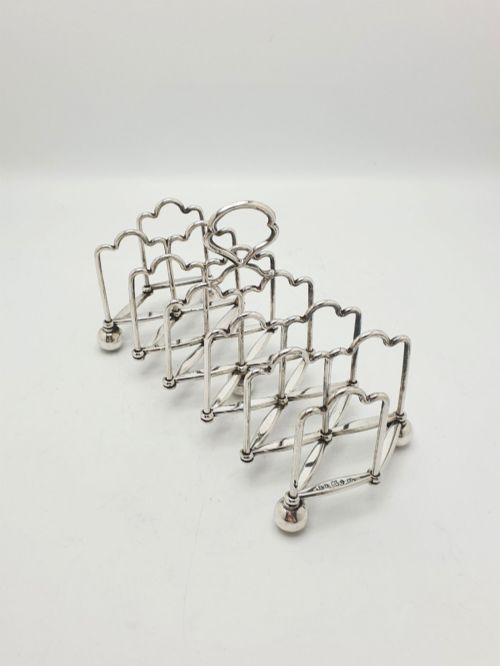
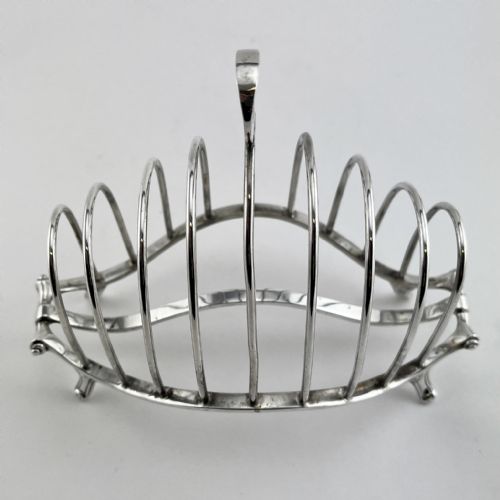
- A domestic table accessory occasionally grouped with desk items in listings. These metal frames hold slices of toast and share period characteristics with silver letter stands.
Antique Letter Caddy: Frequently Asked Questions
What is an antique letter caddy used for?
These caddies were designed to sort incoming and outgoing post on a desk or hall table. They kept correspondence upright and accessible before the widespread use of envelopes and modern postal services.
Today, they serve a similar practical function for holding mail, notes, or stationery while adding period character to a room.
How do I distinguish a Victorian letter caddy from a Georgian one?
Georgian pieces generally display restrained lines in mahogany or satinwood, often reflecting neoclassical or Sheraton influences. Victorian examples tend to be more heavily ornamented, featuring burr walnut, Gothic Revival brass mounts, or inlaid Boulle work.
Examining the internal construction and timber choice helps clarify the period of manufacture.
Are French letter caddies different from English ones?
French letter holders from the late nineteenth century frequently combine mahogany with detailed brass galleries and mesh panels. English examples more commonly utilise oak, walnut, or mahogany with brass post and delivery inscriptions.
Both national traditions focused on desk organisation but employed distinct decorative vocabularies.
How do I care for an antique wooden stationery box?
Keep wooden boxes away from direct sunlight and strong heat sources to prevent the veneers from drying out or cracking. Occasional dusting with a soft, dry cloth maintains the surface finish.
Avoid using modern liquid polishes, which can build up on nineteenth-century polishes and wax finishes.