


Antique Leather Furniture
Antique leather furniture brings substance and enduring utility to a room, spanning grand partners desks to sturdy library chairs.
Antique Leather Furniture
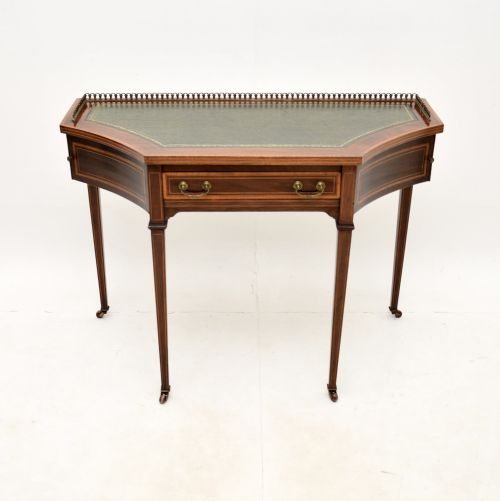
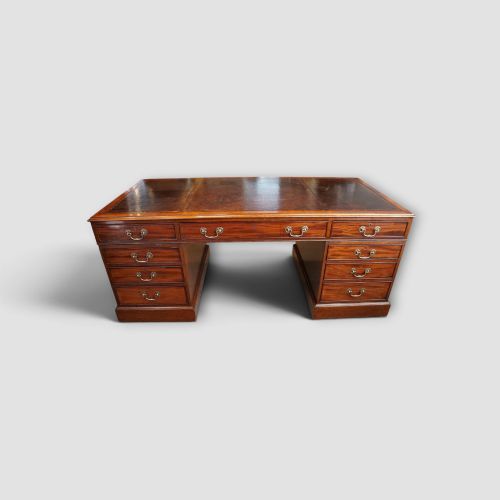
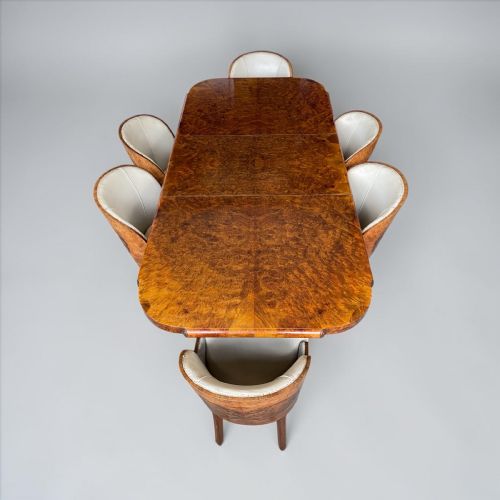
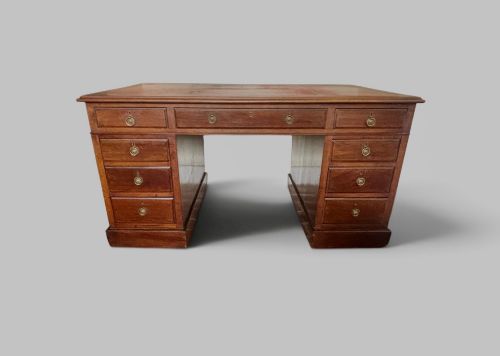
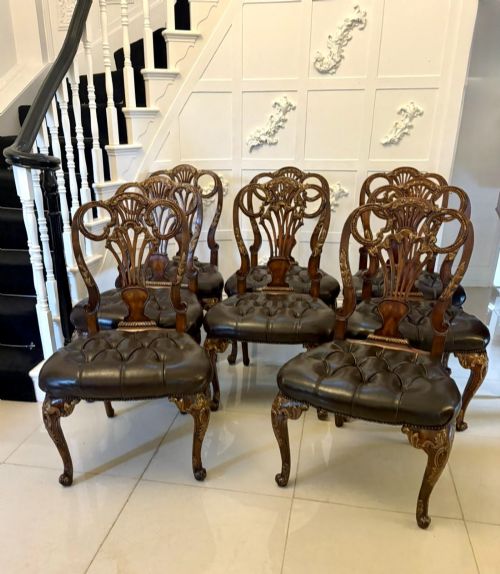
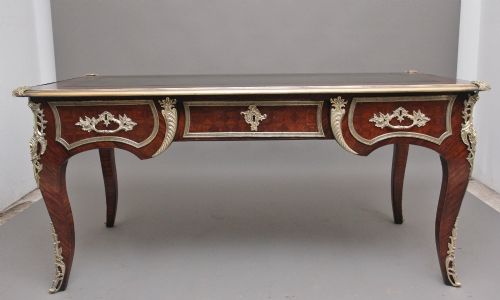
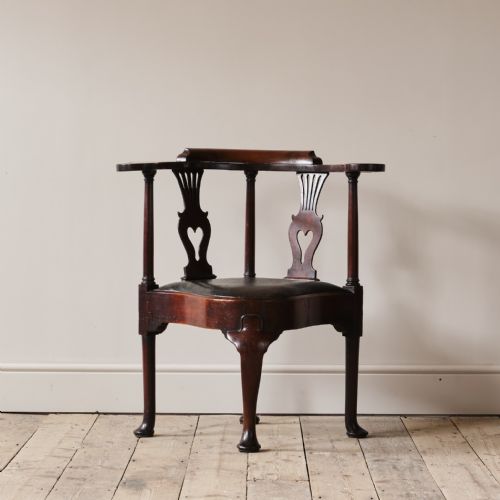
When you search for antique leather furniture, you encounter pieces designed primarily for writing, dining, and seating, spanning periods from the eighteenth century through to the art deco era. The most common forms on this page include partners desks, pedestal desks, writing tables, armchairs, and dining sets.
The materials paired with leather in these listings include mahogany, burr walnut, oak, satinwood, and occasionally ormolu mounts, brass, or gold leaf. Styles range from Victorian and Edwardian to Regency, William IV, and Italian Baroque.
How they were made
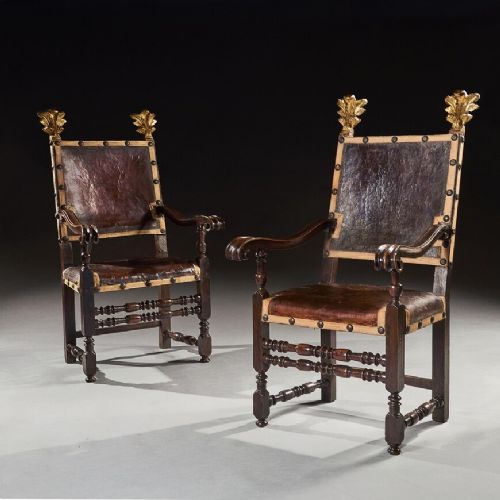
Makers utilised solid hardwoods like mahogany and oak alongside decorative veneers such as burr walnut and satinwood for carcasses and framing. Desk surfaces and chair seats were inset with cattle hide, frequently embellished with gold leaf tooling around the perimeter.
Joinery techniques relied on traditional methods appropriate to the period, incorporating brass hardware for campaign chests, ormolu mounts on French pieces, and hand-painted or carved details on Edwardian and baroque designs.
Rocking horses appear alongside partners desks and leather armchairs, proving that nineteenth-century workrooms catered to occupants of all ages.
What varies in quality
The grade of timber selection and the depth of natural figuring in woods like burr walnut or mahogany set finer items apart. Superior examples display meticulous hand-carving, subtle inlay work, and well-executed ormolu or brass mounts rather than mechanical repetition.
The condition and texture of the leather insert, along with the crispness of the gilt tooling, heavily influence the overall character of a desk or chair. Original hardware and matching components across a dining set or office suite elevate the integrity of the piece.
Maurice Adams·Trollope and Sons·Charles Andrea Nosotti·Jackson and Graham·G and J Lines of London·Harry and Lou Epstein·Mercier Freres·Bell Barn Furniture
The Antique Leather Furniture Glossary
- Partners desk
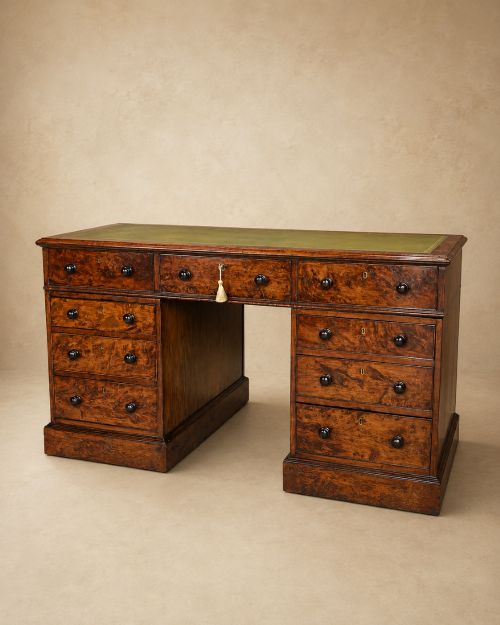
- A large double-sided pedestal desk designed for two people to work opposite one another, featuring drawers and cupboards on both faces. These pieces were traditionally used in banks, libraries, and grand estate offices.
- Gilt tooling
- The application of gold leaf into an impressed pattern around the border of a leather desk top or writing surface. This decorative technique creates a bright metallic frame for the leather.
- Pedestal desk
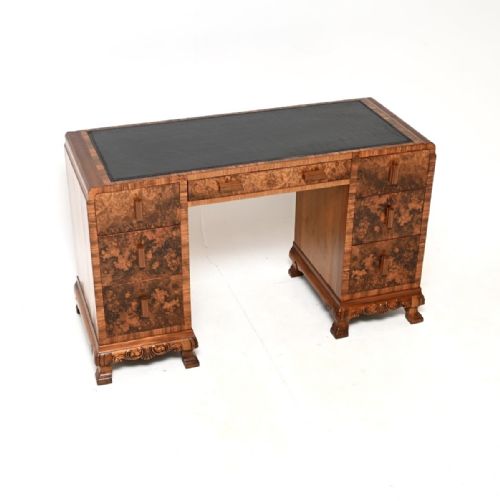
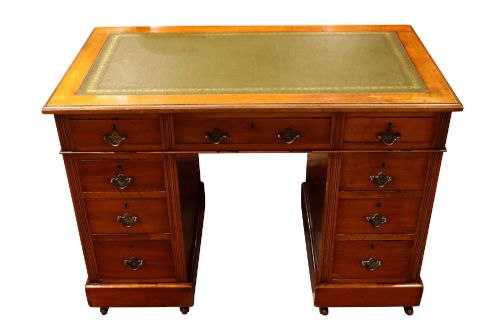
- A freestanding desk comprising a top surface supported by two separate pedestals containing banks of drawers. They frequently feature inset leather writing panels.
- Ormolu
- Gilt bronze ornamentation mounted onto the surface of fine furniture, particularly popular on nineteenth-century French pieces. The technique involves applying a gold-mercury amalgam to bronze.
- Campaign chest
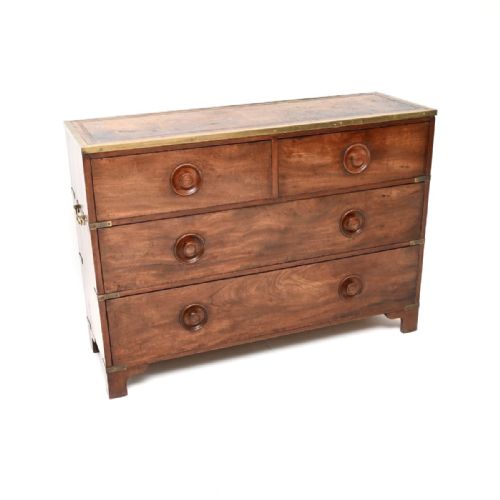
- A portable set of drawers constructed in sections with brass corners and recessed handles for military transport. These items are typically fashioned from sturdy timbers such as mahogany.
Antique Leather Furniture: Frequently Asked Questions
How do I care for antique leather?
Keep leather furniture away from direct sunlight and heat sources to prevent the hide from drying out and cracking. Apply specialist leather balms periodically to maintain suppleness and clean surfaces with a soft, dry cloth.
Avoid using harsh chemical detergents or saddle soaps that strip natural oils. Gentle dusting helps preserve the surface sheen without damaging the underlying material.
What is a partners desk?
A partners desk is a large double-sided desk built with drawers and cupboards on both faces, allowing two people to sit and work opposite each other. These items were originally commissioned for estate offices, banks, and large libraries.
They are typically constructed from dense hardwoods like mahogany or walnut and feature inset leather tops with gilt tooling. Their generous proportions make them striking centrepieces in spacious rooms.
How do I identify a Victorian desk?
Victorian desks often display rich mahogany or walnut timbers, robust proportions, and heavy moulding, reflecting the confidence of nineteenth-century manufacturing. Look for construction details such as hand-cut dovetails in the drawer boxes and traditional brass pulls.
Many incorporate inset leather writing surfaces framed by blind-stamped or gilt tooling. Maker stamps inside drawer linings can sometimes confirm the exact period of production.
Are these pieces suitable for daily use?
Antique leather furniture was built using durable hardwoods and robust construction methods designed for everyday practicality. Desks, chairs, and tables from these periods adapt readily to contemporary office and dining spaces.
Routine care and sensible handling ensure these items withstand regular use while retaining their structural integrity and surface character.