
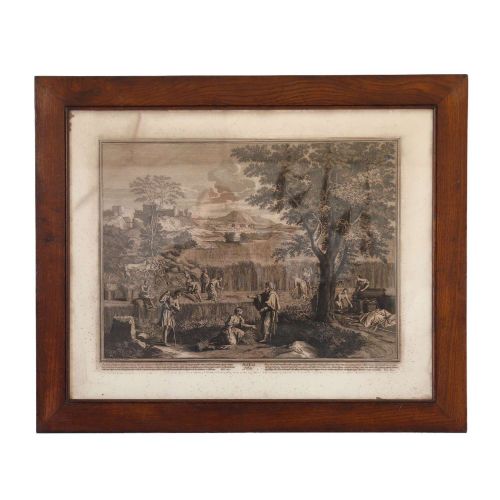


Antique Landscape Engraving
An antique landscape engraving brings the quiet drama of rivers, ancient ruins and distant hills onto your wall.
Antique Landscape Engraving
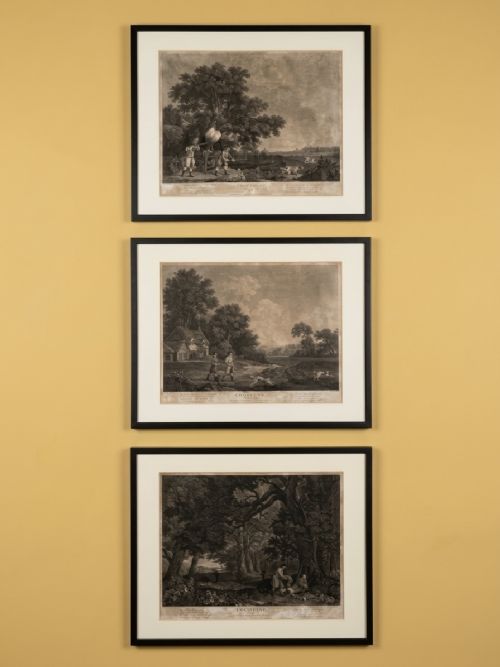
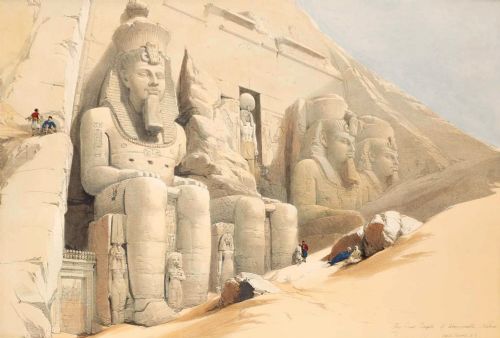
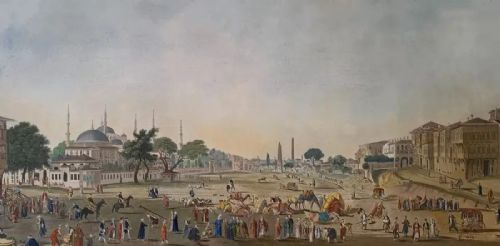
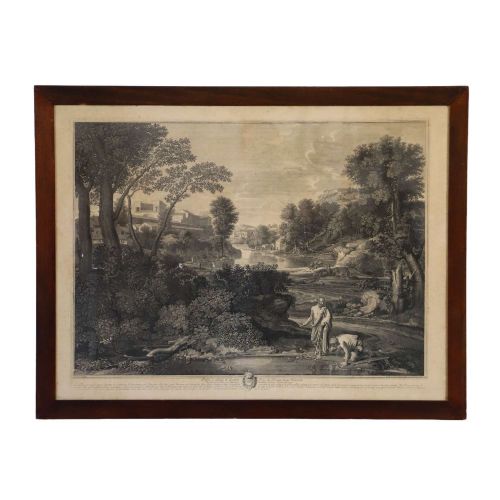
When you search for an antique landscape engraving, you encounter works spanning the seventeenth century through to the Victorian era. The subjects range from classical European pastoral scenes and British river views to topographical plates of Constantinople and the Middle East.
Framed prints and wall art dominate the selection, often preserved in original wood or gilt wood frames that date alongside the paper. You will also find sets of architectural views and hand-tinted plates depicting rural life and coastal landmarks.
The compositions often adapt paintings by celebrated artists of the period, translating oils and watercolours into finely worked intaglio plates. These works capture the grand tour aesthetic and the romantic appreciation of natural scenery popular in Georgian and Regency drawing rooms.
Materials and techniques
The foundation of these pieces is heavy laid or wove paper, upon which ink is transferred using copper or steel plates. Artisans worked lines into the metal using burins or acid baths, creating the recessed channels that hold the pigment during the press run.
Many examples incorporate hand colouring, where watercolour or ink washes were carefully applied over the printed lines to enrich the foliage, sky and garments. Mounts often combine paper with glass and wooden framing, occasionally accented with gold leaf.
Some plates utilise variant printmaking methods such as aquatint, mezzotint or crayon manner to mimic the soft gradations of wash drawings and chalk sketches. These tonal techniques allow the printed landscape to achieve atmospheric depth without relying solely on line work.
Sheep and shepherds frequently wander through lake district vistas, reminding us that even historic copper plates appreciated a good woolly distraction.
Indicators of quality
The clarity and crispness of the impression define the upper tier of works, where the engraved lines remain sharp before the metal plate wears down from repeated printing. Early impressions reveal subtle details in distant foliage and architectural masonry that later printings lose.
The skill and subtlety of contemporary hand colouring elevate certain plates, transforming a simple monochrome impression into a vibrant topographical record. Tone, palette and preservation of the original paper without heavy foxing determine the desirability of the piece.
The survival of original framing elements, such as period wood mouldings and historic glass, adds integrity to the presentation. Contextual provenance, including legible signatures or inscriptions identifying the draughtsman and engraver, further distinguishes finer sheets.
David Roberts·Anton Ignaz Melling·George Morland·Thomas Allom·Claude Lorrain
The Antique Landscape Engraving Glossary
- Engraving
- A printmaking process where an artist cuts lines directly into a metal plate with a sharp tool called a burin. The resulting incisions hold ink for transfer under pressure.
- Etching
- A technique where acid bites the lines into a metal plate through a protective wax ground. This method allows for fluid, free-flowing marks resembling pen and ink drawings.
- Aquatint
- A printmaking method that creates tonal areas resembling watercolour washes by acid-biting through powdered resin. It was widely used in landscape prints to render skies and shadows.
- Mezzotint
- A tonal engraving process where the metal plate is roughened uniformly to print solid black, then scraped and burnished to create highlights. This technique produces rich, velvety dark areas.
- Hand-tinted
- Colour applied by hand to a monochrome print using watercolours or transparent inks. It was a common practice in topographical publishing to enhance visual appeal.
Antique Landscape Engraving: Frequently Asked Questions
How should I frame antique engravings?
Protect the paper by using acid-free backing boards and conservation-grade window mounts that prevent the sheet from touching the glass. This simple precaution avoids moisture condensation and preserves the fragile fibres over decades.
Retain period frames whenever they are structurally sound, as they provide authentic context to the artwork. For damaged historic mouldings, consult a specialist restorer rather than replacing them with modern alternatives.
Are these prints originals or copies?
Printmaking in this era was a legitimate form of original fine art creation, where the artist, draughtsman and engraver collaborated to produce an edition. Each impression pulled from the metal plate is an original period artefact rather than a modern photographic reproduction.
Examine the surface under magnification to confirm the presence of indented plate marks and physical ink resting slightly proud of the paper. Modern mechanical copies display flat dot patterns instead of crisp intaglio lines.
How do I spot hand colouring?
Genuine historic colour is applied with varying density and fine brushwork that follows the printed contours without bleeding into the margins. Look closely for subtle tonal shifts where the wash pools naturally within the etched lines.
Modern digital or offset reprints often feature flat, uniform colour fills that lack the translucent quality of period watercolours. Historic tinted sheets also show appropriate fading and mellowing consistent with age.
Why do some prints have plate marks?
The plate mark is the physical indentation left in the paper by the sharp edges of the metal printing matrix under high press pressure. Its presence confirms traditional intaglio printing methods used before the advent of modern commercial lithography.
Trimmed margins sometimes remove this indentation, though collectors generally prefer sheets where the complete plate mark and surrounding margins remain intact. Full margins offer proof of authenticity and room for historic inscriptions.