




Antique Lalique Bowl
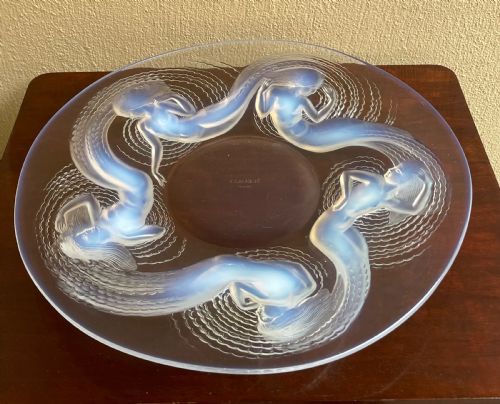
An antique lalique bowl brings glass artistry into a room, capturing light through opalescent surfaces and moulded forms.
Antique Lalique Bowl
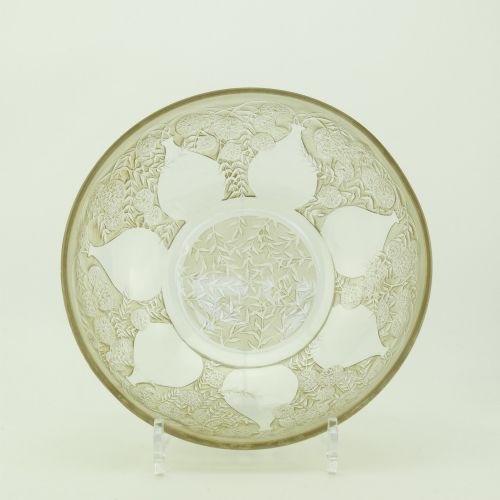
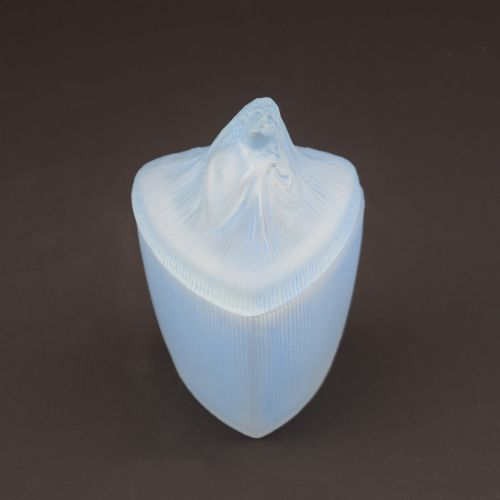
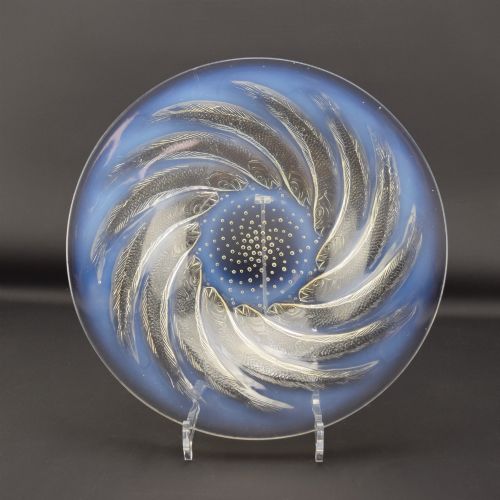
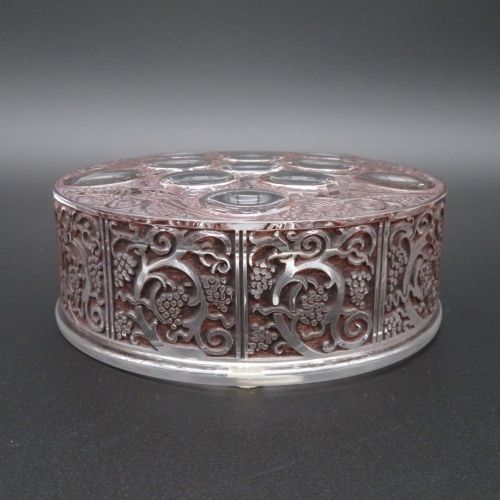
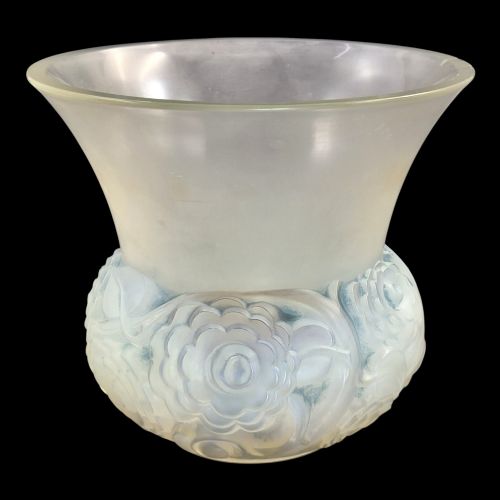
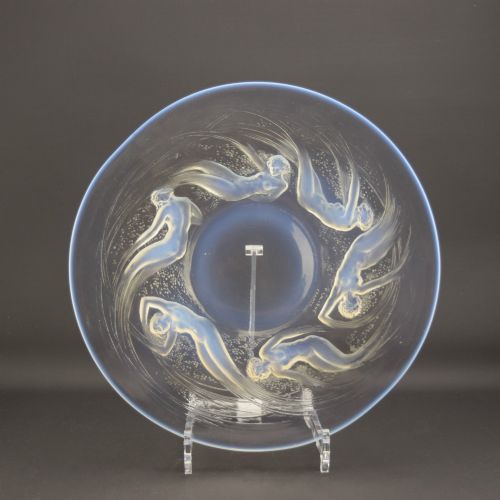
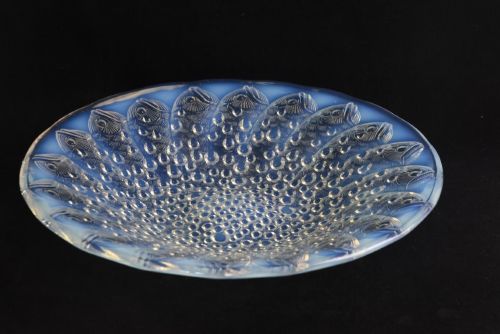
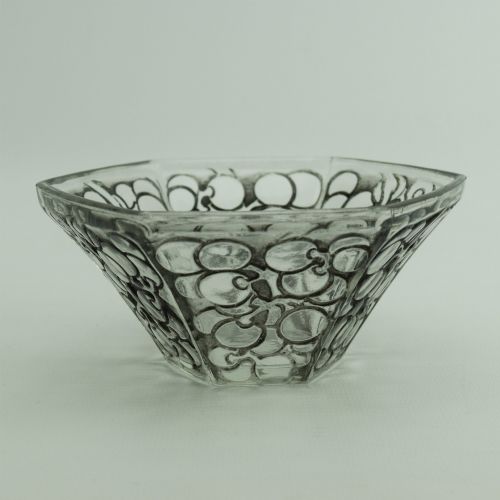
When you search for an antique lalique bowl, you encounter decorative vessels and powder boxes shaped during the Edwardian period, 1910, 1920, and 1930 eras. These items manifest as shallow bowls, footed bowls, chargers, and plates decorated with naturalistic and geometric motifs.
The most common versions on this page are opalescent glass pieces from the 1920 and 1930 decades, displaying fish, flora, and avian designs. Art Deco and Art Nouveau styles dominate the forms, reflecting the aesthetic movements of their production periods.
What varies in quality
Quality rests in the crispness of the moulded relief and the vibrancy of the opalescent effect within the glass. Superior examples exhibit precise handling of stain and enamel that heightens the contrast of the design.
The complexity of the form dictates distinction, where multi-panelled vessels or intricate botanical motifs require greater technical execution than simpler geometric shapes.
Rene Lalique
The Antique Lalique Bowl Glossary
- Opalescent Glass
- Glass that diffuses light to display milky, blue, or amber tones depending on the angle of illumination. This effect defines the visual character of many 1920 and 1930 pieces.
- Frosted Glass
- Glass treated to achieve a matte, non-reflective surface texture that highlights high-relief ornamentation. Makers utilised this finish to create contrast against clear sections.
- Coupe Ouverte
- An open bowl form frequently utilised for large decorative table pieces. These wide vessels showcase expansive moulded motifs across their interiors.
- Plafonnier
- A ceiling lighting bowl mounted directly against overhead surfaces. These fixtures distribute diffused illumination through decorated glass panels.
- Patinated Glass
- Glass treated with coloured pigments applied to recessed areas of the design. This technique emphasises the outlines of fish, leaves, and geometric patterns.
Antique Lalique Bowl: Frequently Asked Questions
How do I clean an antique lalique bowl?
Wash the glass gently in warm water using a mild, non-abrasive detergent and a soft cloth. Avoid harsh chemicals or abrasive sponges that might damage patination or enamel work.
Dry the vessel thoroughly with a lint-free towel to prevent water spots from obscuring the opalescent finish.
Can I use these bowls for serving food?
Most decorative bowls and powder boxes function primarily as display objects rather than practical tableware. Their historic surfaces can be sensitive to acidic foods and frequent washing.
Keep them on stable surfaces away from high traffic areas to preserve the integrity of the glass.
How do I identify Art Deco versus Art Nouveau pieces?
Art Nouveau items from the 1910 era typically feature flowing, organic lines inspired by natural plant forms. These pieces often incorporate enamel and grey staining.
Art Deco examples from the 1920 and 1930 periods lean towards symmetry, stylised floral motifs, and geometric repeating patterns.
What causes the opalescent effect?
The milky blue or amber glow results from specific chemical compounds added to the glass batch during the manufacturing process. Controlled cooling allows light diffraction to create the characteristic shimmer.
Different production batches yield varying intensities of this optical phenomenon across different bowls.