
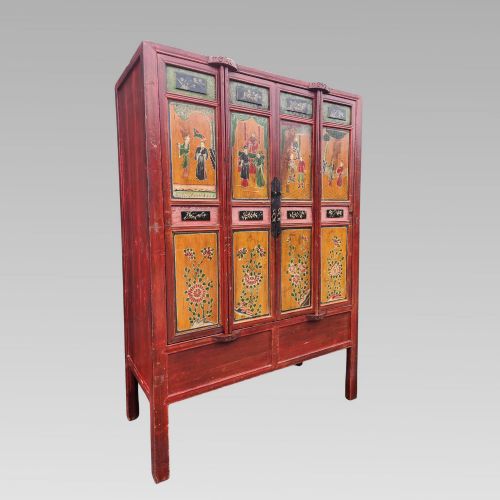


Antique Lacquered Coffer
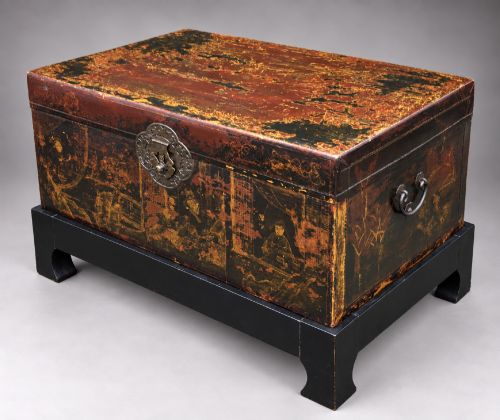
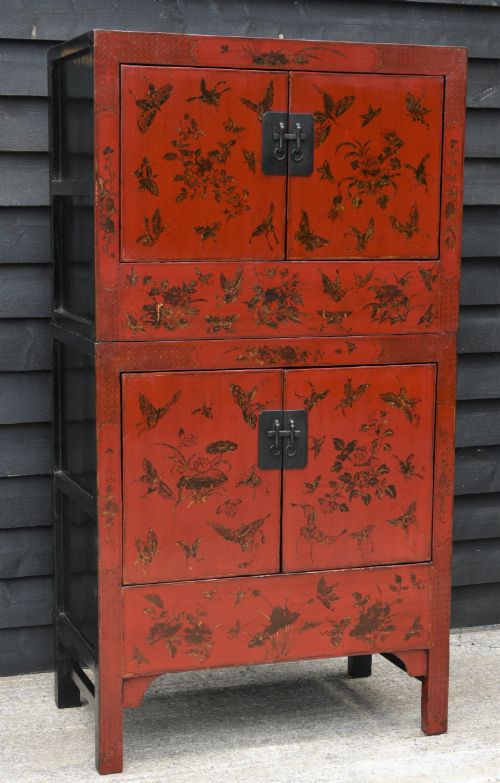
An antique lacquered coffer brings deep black and red pigment finishes together with substantial storage, offering striking visual presence to any room.
Antique Lacquered Coffer
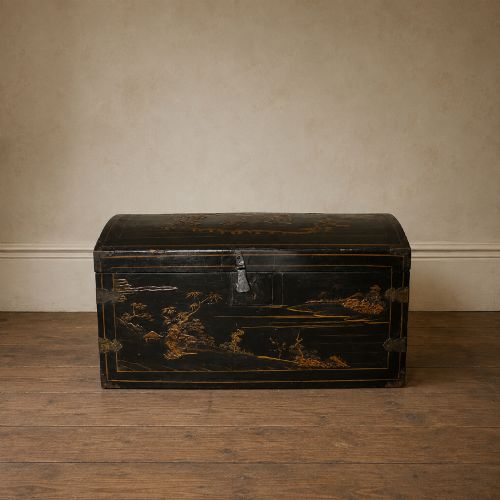
An antique lacquered coffer is a substantial storage piece finished with layered protective coatings, appearing frequently here as trunks, blanket boxes, and marriage cabinets from the seventeenth century onward.
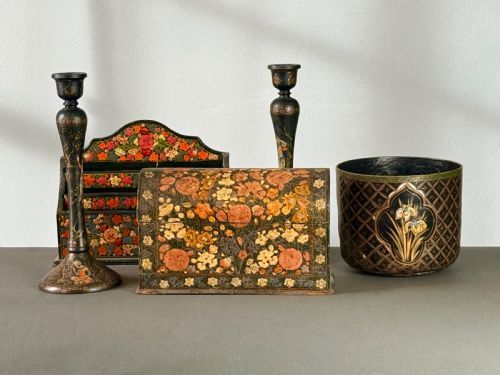
These items originate from diverse traditions including Chinese export, Japanese Edo period workshops, Anglo-Indian makers, and Korean studios.
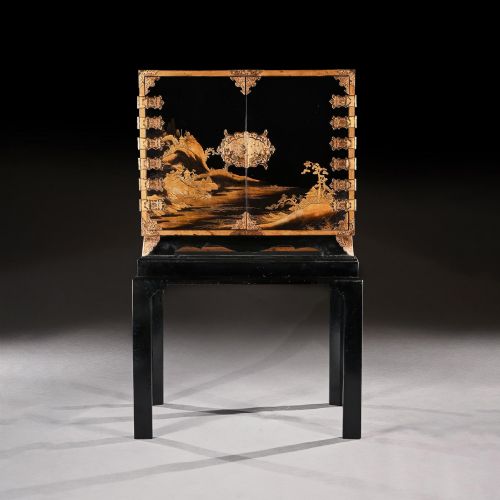
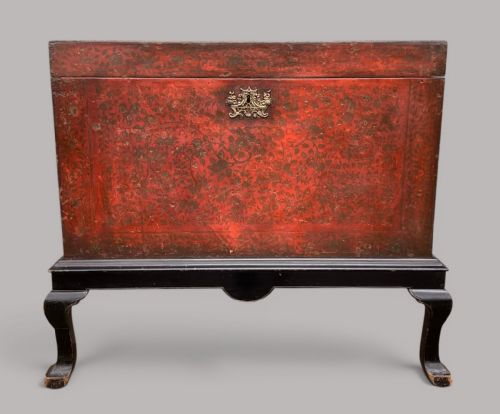
Buyers encounter forms ranging from domed shipping chests and campaign cases to elaborate cabinets mounted on carved stands.
How they were made
Wood frameworks of elm, camphor wood, or general hardwoods provide the structural foundation for these pieces.
Surfaces receive applications of lacquer, pigment, and gold leaf, frequently accompanied by brass or iron hardware and hinges.
One particularly robust travel option substitutes standard wood for pig skin, keeping personal belongings safe across bumpy colonial shipping routes.
What varies in quality
The sophistication of the surface decoration, from simple monochrome finishes to complex gilt Chinoiserie scenes, dictates the tier of the piece.
The integrity of the underlying timber and the retention of original stands or mounts heavily influence the standing of an individual box or chest.
The Antique Lacquered Coffer Glossary
- Lacquer
- A durable protective and decorative finish applied in multiple layers to wooden substrates. This technique creates a smooth, lustrous surface impervious to basic moisture.
- Chinoiserie
- European artistic interpretation and imitation of Chinese and East Asian artistic traditions. This style manifests through painted landscapes and figures on furniture surfaces.
- Edo Period
- A historical division of Japanese history lasting from sixteen hundred and three to eighteen hundred and sixty-eight. Pieces from this era often display refined regional craftsmanship.
- Pigment
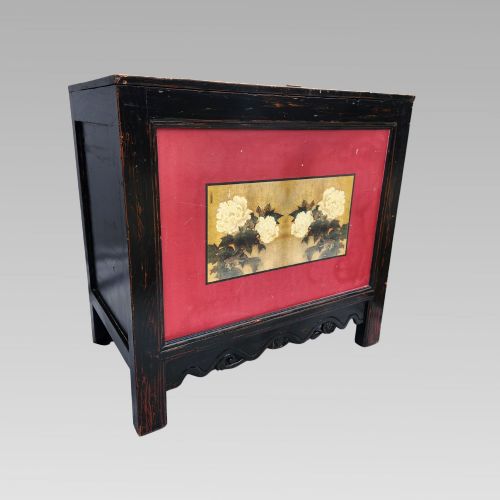
- Coloured powder substances mixed into binders to impart colour to the wooden or leather surfaces of chests. Red and black variants dominate this category.
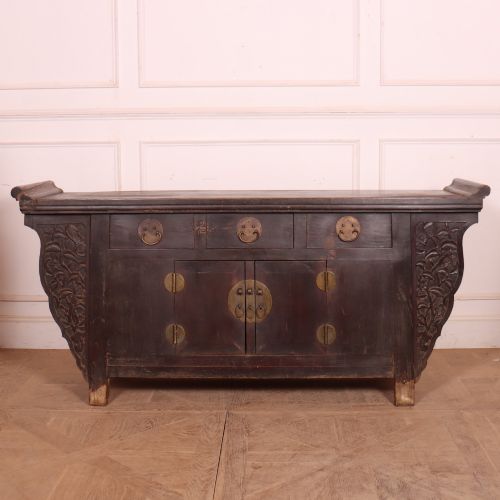
- Tansu Chest
- A traditional Japanese mobile storage cabinet built from timber. These units serve utilitarian storage functions with multiple drawers and compartments.
Antique Lacquered Coffer: Frequently Asked Questions
What is an antique lacquered coffer used for?
These pieces function primarily as heavy storage containers for blankets, garments, and valuables. Their decorative surfaces allow them to serve as prominent focal points within domestic interiors.
Historically, larger trunks travelled via shipping routes or served as marriage chests for domestic households. Today, they operate effectively as coffee tables, sideboards, or standalone storage furniture.
How do I identify a Japanese Edo period piece?
Identification relies on examining the specific construction methods, timber choices, and lacquer application techniques characteristic of Japanese workshops. Documentation or distinct stylistic markers often separate them from Chinese export work.
Edo period examples frequently exhibit restrained elegance and precise hardware placement compared to later nineteenth-century revival pieces.
Are these trunks made of solid wood?
The primary bodies utilise solid timbers such as elm, camphor wood, or general hardwoods to ensure structural stability. These woods provide a stable base for the subsequent layers of lacquer and pigment.
Secondary woods may appear in internal partitions or drawer linings depending on the regional workshop of origin.
How do I care for antique lacquer furniture?
Protection from direct sunlight and sudden humidity shifts prevents the lacquer and underlying wood from degrading. Gentle dusting with a dry microfibre cloth maintains the surface sheen without abrasive chemicals.
Maintaining stable indoor environmental conditions ensures the finish and any applied gold leaf remain secure over time.