
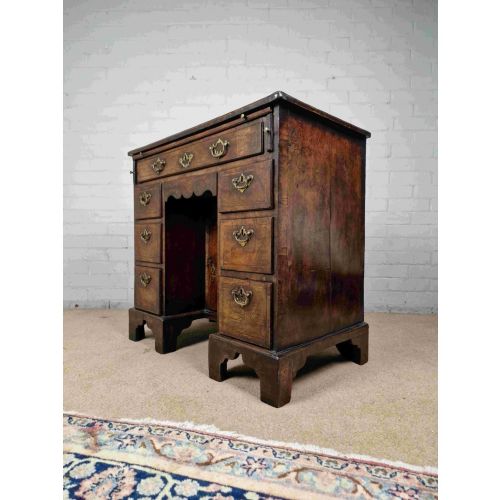
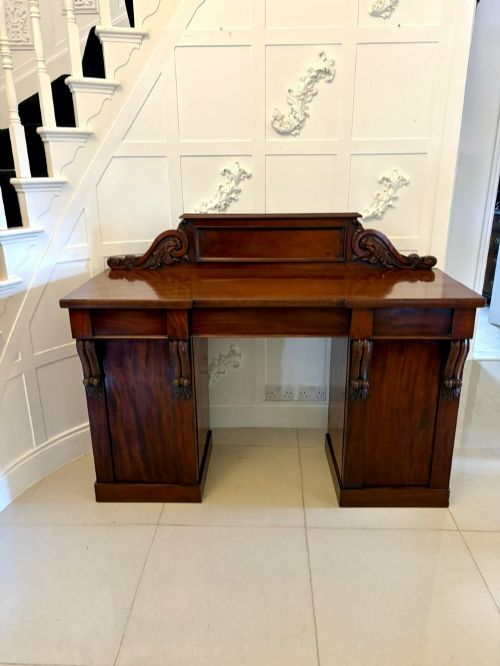

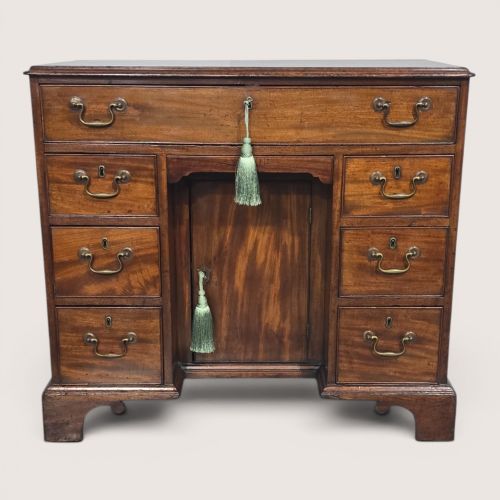

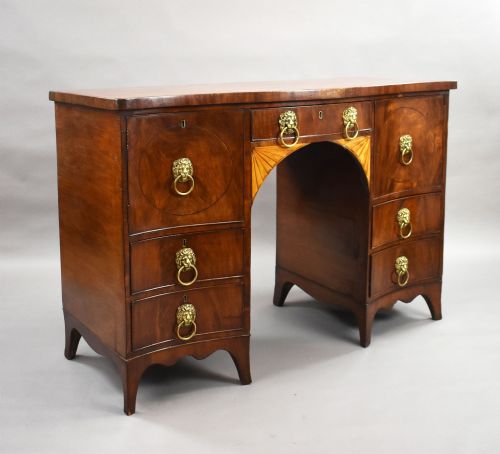

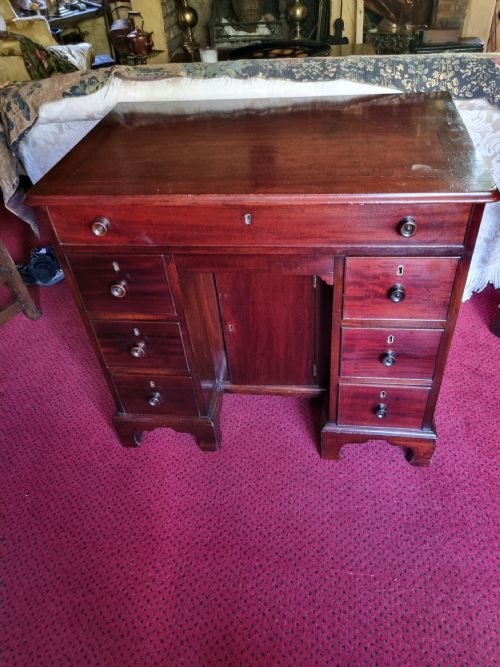

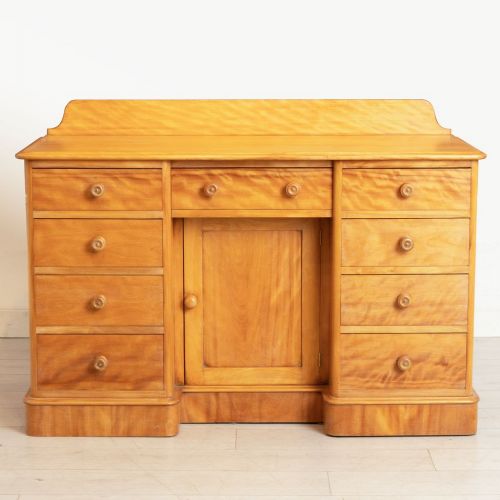


Antique Kneehole Cabinet
An antique kneehole cabinet offers compact workspace and concealed drawers beneath a central recess, uniting elegance with utilitarian function.
Antique Kneehole Cabinet
The search phrase antique kneehole cabinet brings up diminutive writing furniture and pedestal desks designed with a recessed central space for the user's knees. These pieces typically feature a central cupboard or drawer flanked by vertical banks of smaller drawers, creating a symmetrical facade.
Georgian examples from the eighteenth century appear alongside later nineteenth-century Victorian variants and early twentieth-century revivals. Walnut and mahogany dominate the offerings, occasionally embellished with burr veneers or subtle wood inlay.
Buyers encounter both full-sized desks and smaller miniature or diminutive proportions intended for private studies or dressing rooms. The form bridges the gap between large library writing tables and compact storage chests.
Materials and construction methods
Cabinetmakers utilised dense hardwoods such as mahogany, walnut, and oak to construct the primary carcases and drawer frames. Figured grains and burr walnut veneers were frequently applied to primary surfaces for visual depth.
Drawer linings often consist of secondary softwoods, assembled with hand-cut dovetail joints that indicate period construction. Brass hardware, including drop handles and escutcheons, secures the openings and complements the dark timber tones.
Surface finishing relied on hand-applied shellac polishes or wax, building a lustrous patina over decades of use. Inlaid banding and delicate stringing occasionally define the perimeters of drawers and tops.
Listings span multiple eras, showing eighteen-century pieces alongside Victorian, Regency, and 1920s revival interpretations.
Judging quality in kneehole furniture
Quality rests primarily on the selection of timber veneers and the crispness of the cabinetwork. Superior examples display continuous grain matching across drawer fronts and flawless integration of structural joints.
The interior execution of secondary drawers and the condition of original brass furniture distinguish exceptional pieces from standard workshops. Proportions also dictate value, with diminutive or miniature proportions commanding particular attention from collectors.
Subtle details such as the neatness of dovetailing and the retention of a rich, undisturbed surface patina separate master craftsmanship from later utility furniture.
The Antique Kneehole Cabinet Glossary
- Kneehole
- A recessed space beneath the top of a desk or cabinet designed to accommodate the user's legs while seated. This central void typically sits between two flanking pedestals of drawers.
- Dovetail
- A traditional wood joint formed by interlocking wedge-shaped fingers, used primarily in drawer construction. Hand-cut dovetails serve as an indicator of period cabinetmaking.
- Escutcheon
- A protective plate surrounding a keyhole, usually cast in brass. It prevents the wood around the lock from sustaining wear and tear.
- Stringing
- Thin lines of contrasting timber inlaid into the surface of a piece for decorative effect. This technique outlines drawers, borders, and tabletops in geometric patterns.
- Patina
- The surface sheen and softening of colour developed by timber over long periods through handling and ageing. A deep patina reflects genuine historical use.
Antique Kneehole Cabinet: Frequently Asked Questions
What is a kneehole cabinet used for?
These pieces functioned historically as writing desks, dressing tables, or compact bureaus for private correspondence and record keeping. The central recess allowed the user to sit comfortably while accessing the flanking drawers.
Today, buyers utilise them in studies, living rooms, or hallways as both functional writing surfaces and statement decorative furniture with built-in storage.
How do I tell an 18th-century piece from a revival?
Eighteenth-century examples display construction characteristics unique to their era, including hand-sawn timbers, oak or pine secondary drawer linings, and subtle wear patterns around the handles and keyholes.
Revival pieces from the Edwardian era or the 1920s often utilise machine-sawn components, standardised internal fittings, and timber finishes that lack the deep, settled patina of genuine age.
Which woods were used most often?
Mahogany and walnut represent the primary timbers found across eighteenth-century and nineteenth-century examples, frequently enhanced with burr veneers and fine stringing. Oak appears regularly in earlier or provincial pieces.
Later revival items occasionally incorporate satinwood, satin birch, or yew wood, providing lighter tones and distinctive grain patterns for Edwardian interiors.