

Victorian Wooden Dressing Desk
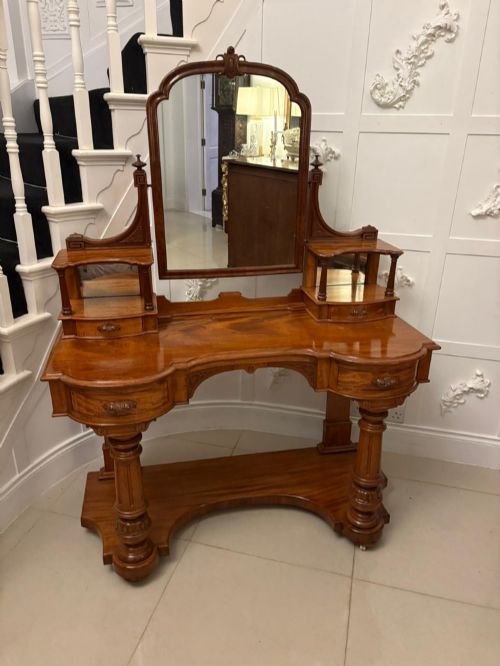
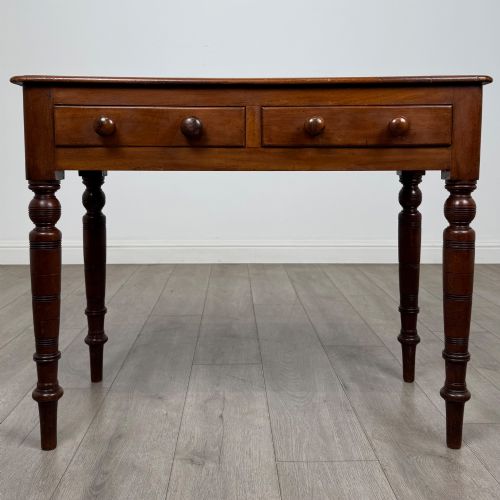
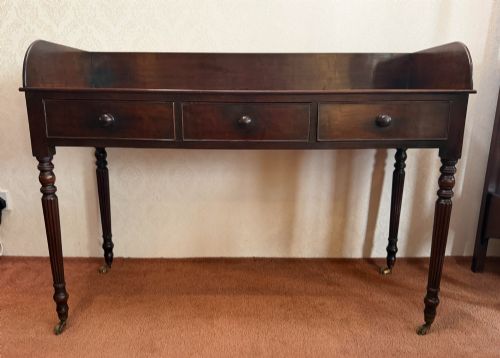
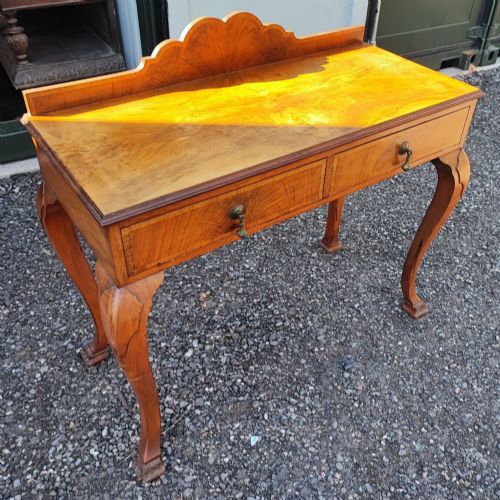
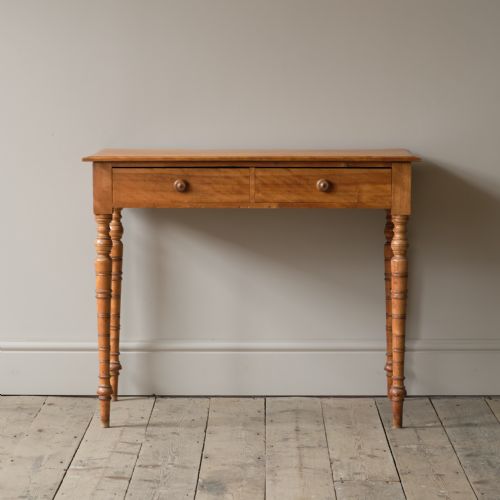
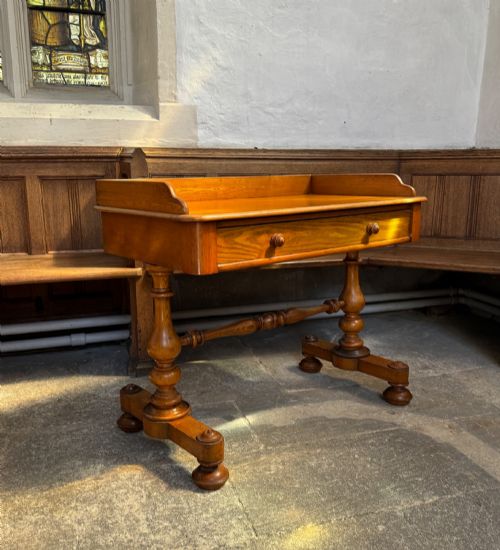
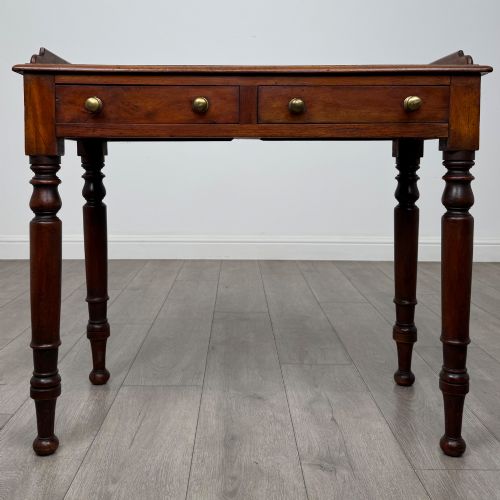
A victorian wooden dressing desk combines the practical surface of a writing table with the intimate storage of a dressing piece.
Victorian Wooden Dressing Desk
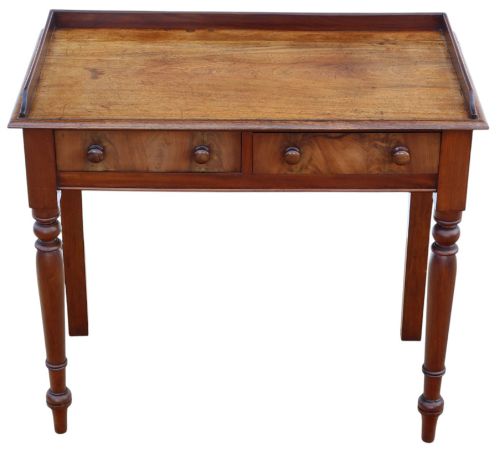
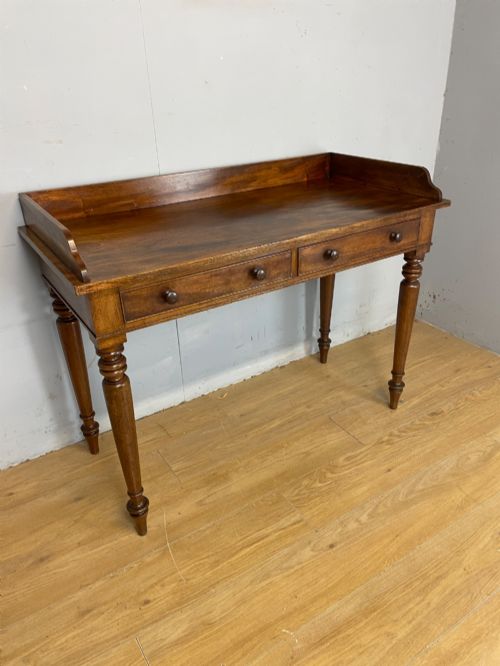
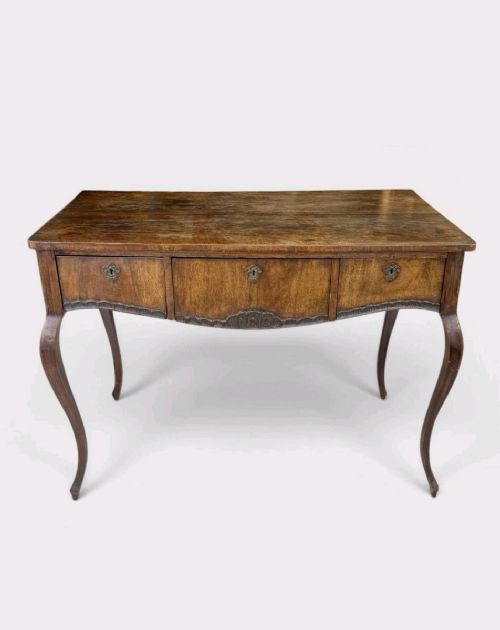
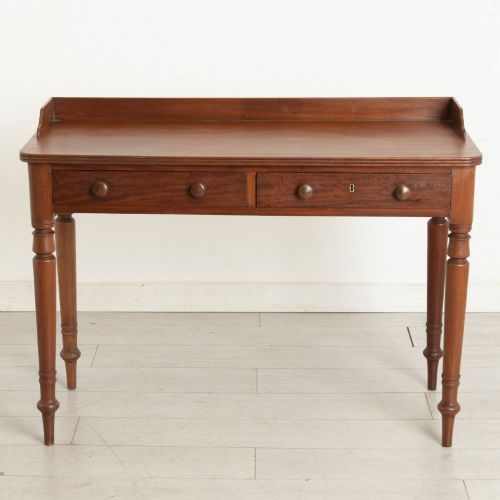
A victorian wooden dressing desk typically merges the functions of a writing table, a side table, and a dressing chest into a single piece of furniture. Buyers searching this phrase will find a predominance of nineteenth-century pieces constructed primarily in mahogany, walnut, and pine.
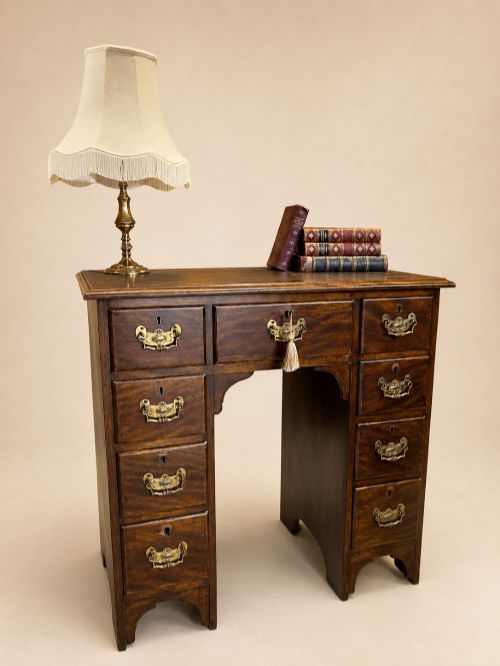
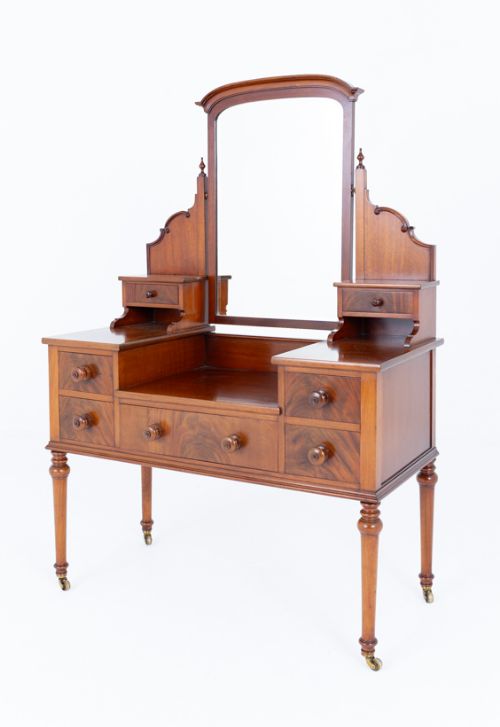
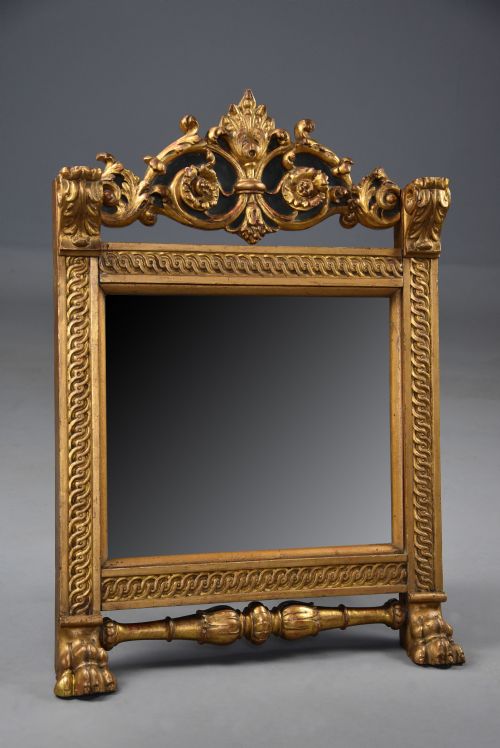
The inventory on this page ranges from kneehole desks and lowboys to vanity tables fitted with mirrors and multiple drawers. Pieces span the Victorian era, alongside related examples from the Regency and Edwardian periods.
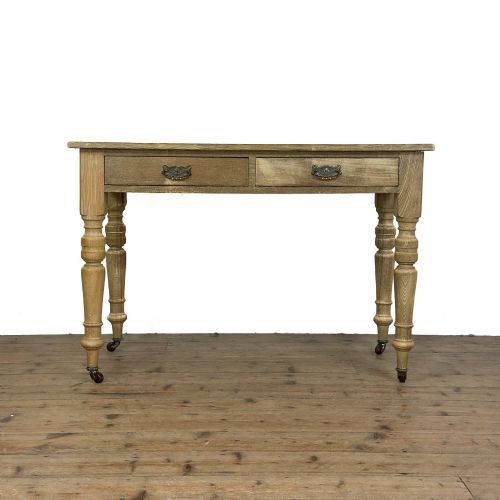
Makers and workshops utilised diverse regional timbers such as satin birch and ash, creating both utilitarian bedroom furnishings and highly decorative reception pieces.
Materials and Construction
Cabinetmakers relied heavily on solid and veneered mahogany, alongside burr walnut, satin birch, and pine for carcass work and drawer linings. Flame mahogany veneers and marquetry inlay added decorative surface pattern to principal facades.
Joinery techniques included hand-cut dovetailing for drawers and robust mortise and tenon framing for legs and underframes. Brass hardware, such as handles and mounted escutcheons, completed the functional assembly of these desks.
Listings feature eighteenth-century through early twentieth-century periods, utilising mahogany, walnut, oak, and pine across various writing and dressing table forms.
Distinguishing Quality
Quality rests upon the selection of timbers, such as figured mahogany or burr walnut, and the precision of the cabinetmaker's joinery. Superior examples exhibit well-matched veneers, smooth drawer actions, and crisp carved detailing rather than mass-produced uniformity.
The retention of original brass fittings, glass mirrors, and interior partitions significantly elevates the integrity of a piece. Finer desks also display considered proportions and refined secondary timbers within the drawer linings.
Shoolbred and Co·W Williamson and Sons of Guildford·Gillows
The Victorian Wooden Dressing Desk Glossary
- Flame mahogany
- A veneer cut from the fork of the mahogany tree, producing a distinctive, highly figured flame-like pattern across the wood surface.
- Kneehole desk
- A compact desk featuring a central recessed space for the legs, flanked by pedestals of small drawers.
- Lowboy
- A small seventeenth- or eighteenth-century style table with drawers, frequently utilised as a dressing or writing surface in later periods.
- Marquetry
- The art of applying decorative pieces of veneer to a structure to form intricate geometric or floral designs.
- Satin birch
- A light-coloured, lustrous timber utilised during the nineteenth century for bedroom furniture and decorative tables.
Victorian Wooden Dressing Desk: Frequently Asked Questions
What is a victorian wooden dressing desk?
These pieces are nineteenth-century functional tables designed for writing, grooming, or general bedroom use. They often feature drawers for storage and sometimes include attached mirrors.
Buyers encounter various forms, including kneehole desks, lowboys, and washstands adapted for dual purposes.
How do I date a wooden dressing desk?
Dating relies on observing construction methods, timber choices, and stylistic cues recorded across the period. Mahogany and walnut dominate mid-nineteenth-century examples, while pine and ash appear in country or later pieces.
Hardware styles, secondary woods inside drawers, and hand-cut dovetails provide further clues to the decade of manufacture.
Were these desks used for writing or dressing?
They served both purposes depending on the specific layout and the era. Many tables feature shallow drawers suitable for papers and writing implements alongside surface space for grooming items.
Some include mirrors or compartments specifically intended for cosmetics and dressing accessories.
How do I care for antique wood furniture?
Keep wooden surfaces away from direct sunlight and extreme temperature fluctuations to prevent timber splitting. Regular dusting with a soft, dry cloth preserves the polished finish.
Apply appropriate beeswax sparingly when the wood appears dry to nourish the grain without buildup.