


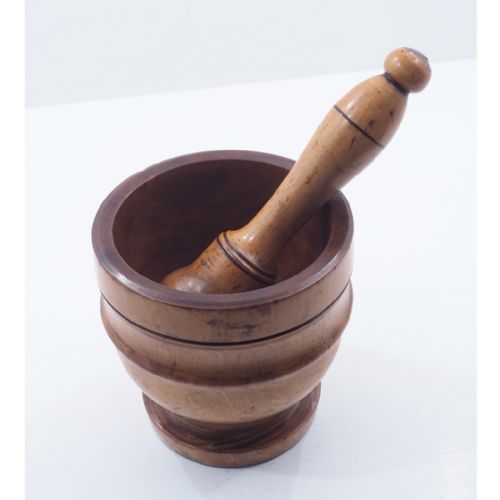


Antique Kitchenalia Wood
These antique kitchenalia wood pieces are utilitarian vessels and tools shaped by hand from timber, offering a tangible link to domestic history that collectors prize.
Antique Kitchenalia Wood
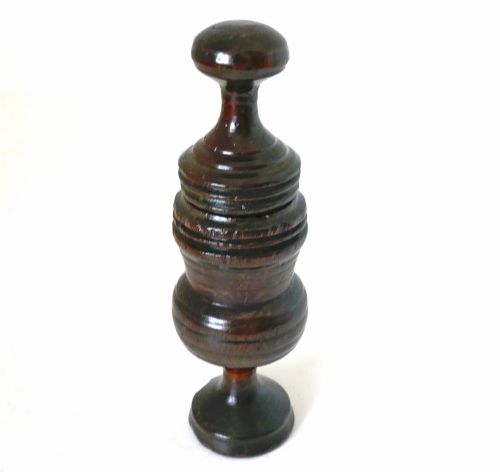
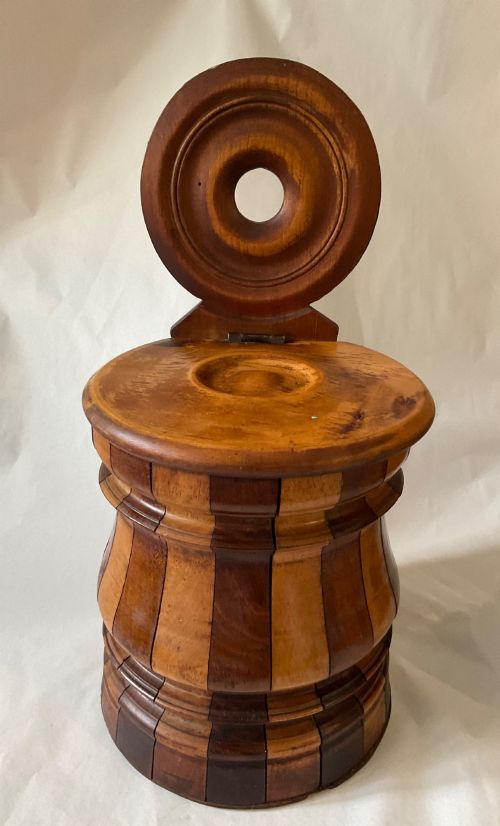
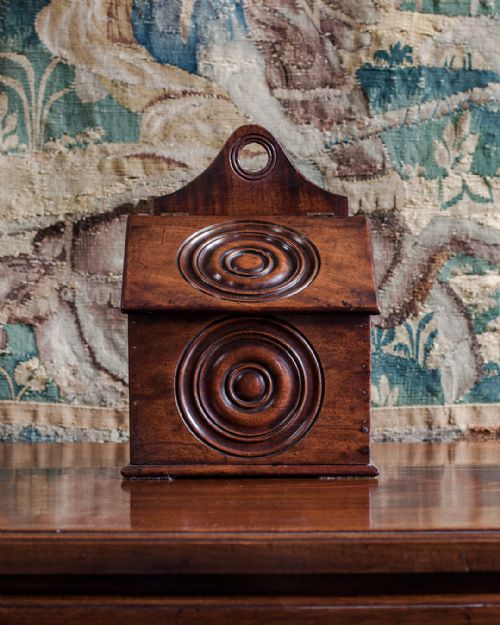
When you search for antique kitchenalia wood, you encounter implements fashioned for daily domestic labour in past centuries. The selection ranges from salt boxes and spice towers to dairy bowls and butter prints, each designed for specific culinary tasks.
You meet nineteenth-century turned wood forms most frequently, alongside occasional seventeenth-century survivors. These pieces originate from English, French, Welsh, and South Indian domestic spaces, reflecting varied regional methods of food preparation.
Materials and construction methods
Craftsmen utilised sycamore, fruitwood, boxwood, and mahogany, selecting each timber for density and grain structure. Turned wood and carved elements dominate the construction, employing lathes and hand chisels to shape utilitarian vessels.
Makers reinforced specific joints with brass fittings where necessary, while leaving utilitarian surfaces unglazed and natural. Tool marks remain visible across the wood, recording the direct intervention of the maker's hand.
A nineteenth-century nutmeg grater disguised as a wine bottle lets you grate your spices while whispering of clandestine cellars.
Distinctions in quality
Quality rests upon the crispness of turning and the depth of carving, particularly on items like spice towers, nutcrackers, and butter prints. Crisp architectural mouldings and deeply articulated details distinguish superior examples from plain domestic work.
The visual appeal of the patina, developed through decades of handling and use, dictates desirability. Pieces retaining an undisturbed surface texture and honest wear command greater attention than heavily scrubbed or altered examples.
The Antique Kitchenalia Wood Glossary
- Treen
- Small handmade wooden domestic objects. The term derives from the old English word for tree.
- Butter print
- A carved wooden stamp used to impress decorative motifs onto butter. They often feature carved designs of wheatsheaves, acorns, or initials.
- Spice tower
- A multi-tiered turned wooden container designed for storing various spices. Individual sections screw or fit together securely.
- Dairy bowl
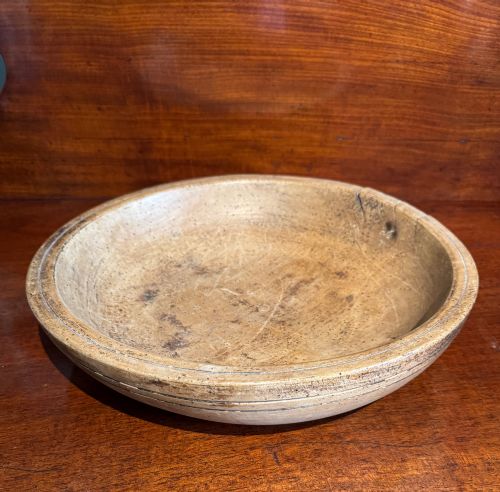
- A large vessel utilised for setting milk and separating cream. Sycamore and fruitwood were chosen for their resistance to splitting when wet.
- Mortar and pestle
- A heavy bowl and club-like tool used for crushing and grinding ingredients. Apothecaries and domestic cooks utilised these for powders and pastes.
Antique Kitchenalia Wood: Frequently Asked Questions
What is treen kitchenware?
Treen kitchenware comprises small, functional wooden items made for use in the kitchen and dairy.
These pieces include spice containers, bowls, salt boxes, and lemon squeezers shaped by turning or carving timber.
How were wooden spice towers used?
Wooden spice towers stored multiple powdered spices in stacked, interlocking sections.
Each tier held a different seasoning, allowing domestic cooks to keep flavourings organised in a compact footprint.
Why use sycamore for dairy bowls?
Sycamore timber does not taint milk or impart flavours during the cream-setting process.
Turners shaped this pale hardwood into large bowls that withstood daily scrubbing in the dairy.
How do I care for antique kitchenalia wood?
Keep wooden kitchenalia away from direct heat sources and extreme humidity fluctuations to prevent splitting.
Maintain the surface by applying occasional coats of neutral mineral oil or beeswax rather than washing them in water.
Are butter prints marked by makers?
Butter prints rarely carry maker signatures, though carved initials occasionally appear on the reverse.
Carvers focused on producing crisp motifs like acorns and wheatsheaves for commercial dairy production.