



Antique Kingwood Box
An antique kingwood box brings rich wood grain and fine brass mountings into a room, offering a small architectural centrepiece for letters or trinkets.
Antique Kingwood Box
An antique kingwood box encompasses small personal caskets, miniature commodes, and strongboxes built from distinctive timber. These pieces span the seventeenth, eighteenth, and nineteenth centuries, often showing revival styles like French Rococo.
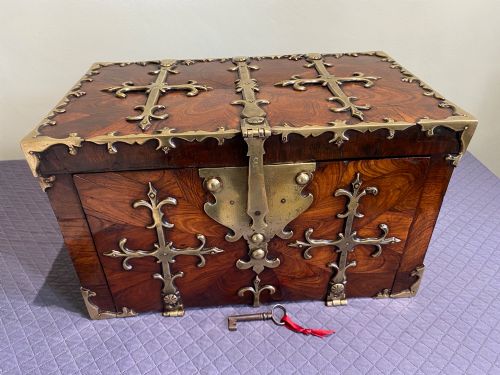
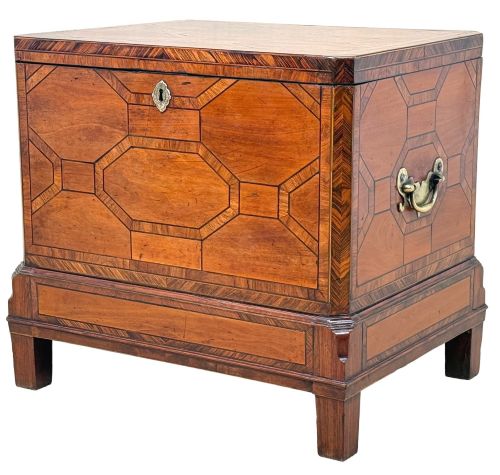
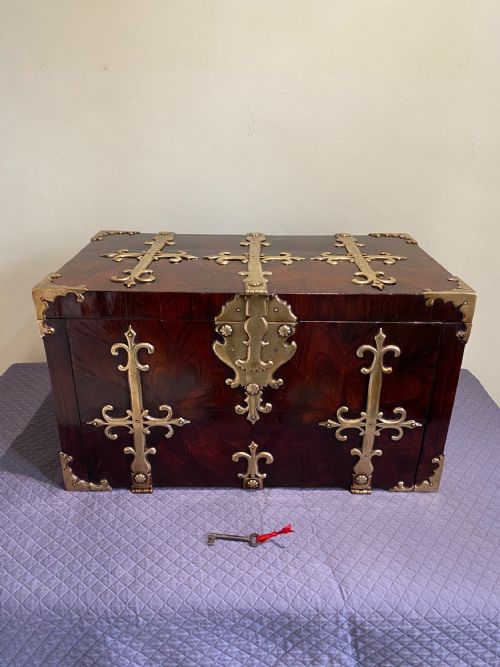
The version most frequently met on this page is the nineteenth-century French box, often mounted in ormolu and designed for display or jewellery storage. Alongside these, earlier seventeenth-century coffre forte examples and Georgian cellarettes appear.
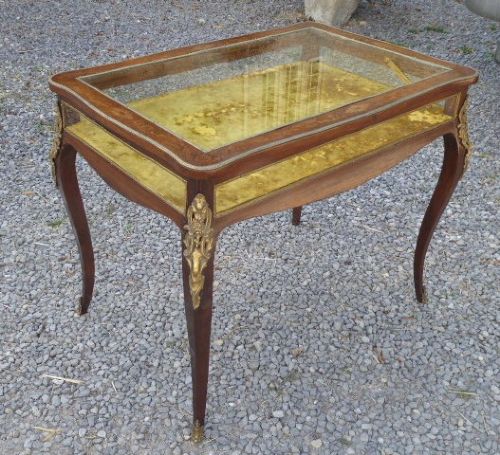
Forms range from side tables with integrated compartments and lady's dressing cases to table cabinets and miniature furniture. Each object serves to contain precious items while displaying decorative veneers on a desk or surface.
Judgements of quality
Quality rests upon the selection of the timber and the precision of the veneer matching across the surfaces. Finer pieces demonstrate intricate marquetry work and harmonious grain patterns that flow uninterrupted over the corners.
The weight, chasing, and gilding of the ormolu mounts distinguish superior workshops from ordinary production. Crisp casting and securely fitted bronze details indicate a higher standard of manufacture.
The integrity of the internal compartments, working locks with original keys, and preserved silk or velvet linings elevate the standing of a box. Proportions that balance the decorative metalwork against the timber show deliberate design.
One surviving cribbage box from eighteen-ninety proves that past generations enjoyed playing card games with miniature wooden precision.
Victor Raulin
The Antique Kingwood Box Glossary
- Kingwood
- A dense South American timber showing rich dark violet-brown tones with lighter streaks. Cabinet makers valued it for high-end veneering during the seventeenth and eighteenth centuries.
- Ormolu
- Gilded bronze applied to furniture mounts and decorative hardware. The technique involves coating bronze with a mercury and gold amalgam before heating.
- Coffre Forte
- A heavy strongbox or chest built for secure storage of valuables. These items often date to the seventeenth and eighteenth centuries.
- Bijouterie
- A glass-topped display table or box made for showing small valuable objects or ornaments. These pieces gained popularity during the nineteenth century.
- Oyster Veneer
- Slices cut transversely across small branches or roots to produce circular or oval patterns resembling oyster shells. This technique appears on seventeenth-century pieces.
Antique Kingwood Box: Frequently Asked Questions
What is an antique kingwood box used for?
These boxes served multiple domestic functions, from holding letters and sewing gear to safeguarding jewellery and loose coinage. Many acted as portable dressing cases or desktop storage for private papers.
Larger versions functioned as cellarettes for bottles or small display tables for curiosities. Today, they serve similar decorative and practical roles on sideboards and desks.
How do I date an antique kingwood box?
Dating relies on combining the timber preparation, the style of the mounts, and construction methods inside the carcass. Seventeenth-century pieces often display oyster veneers and heavy iron locks, whereas nineteenth-century examples lean towards ormolu mounts and silk interiors.
Revival styles from the Victorian era frequently copy earlier French models, so examining the secondary woods and interior papers helps clarify the actual period of manufacture.
What is the difference between a coffre forte and a jewellery box?
A coffre forte is a robust strongbox designed for security, typically featuring thick wooden construction and heavy iron or brass locking mechanisms. These seventeenth and eighteenth-century pieces prioritised the safe storage of coin or documents.
By contrast, a jewellery box or vanity case focuses on internal velvet partitions, removable trays, and delicate exterior decoration intended for a dressing table.
How should I care for kingwood veneer?
Kingwood requires a stable indoor environment away from direct sunlight and sudden humidity changes to prevent the veneer from lifting. Dusting with a dry, soft cloth preserves the polished surface without stripping the natural oils.
Avoid using modern liquid polishes or silicone sprays, which can penetrate hairline cracks in the old finish and damage the underlying wood.