





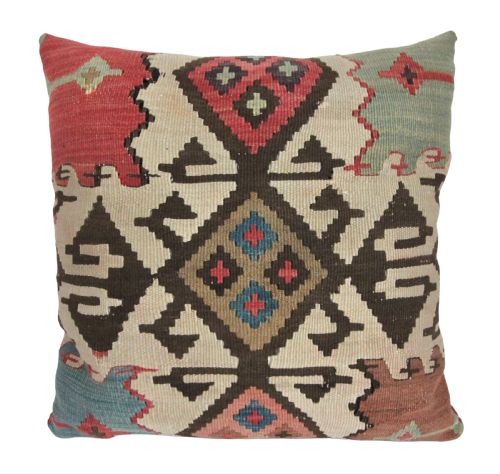
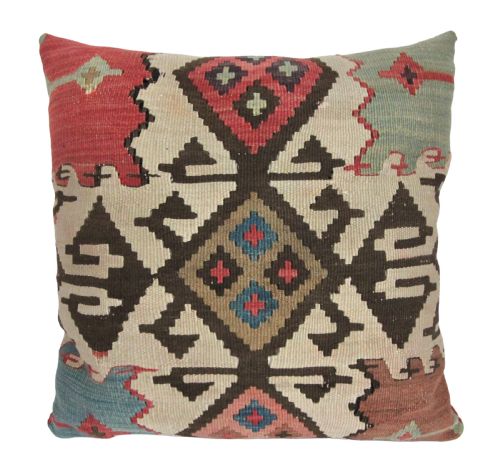
Antique Kilim Pillow
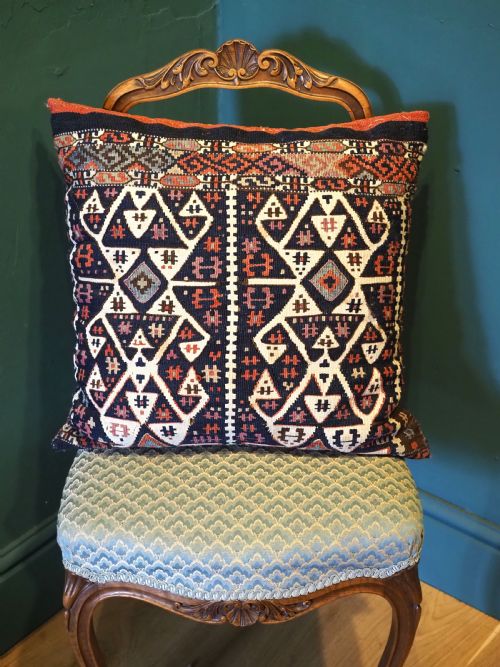
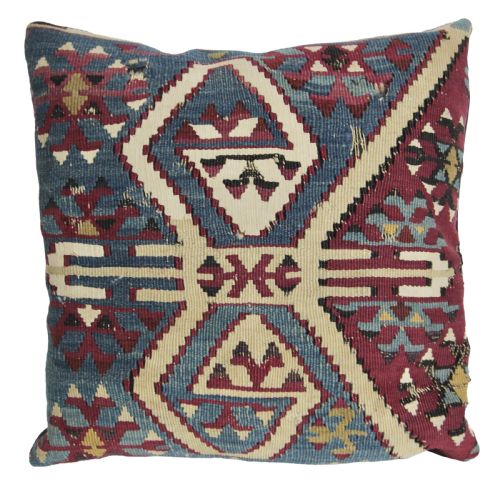
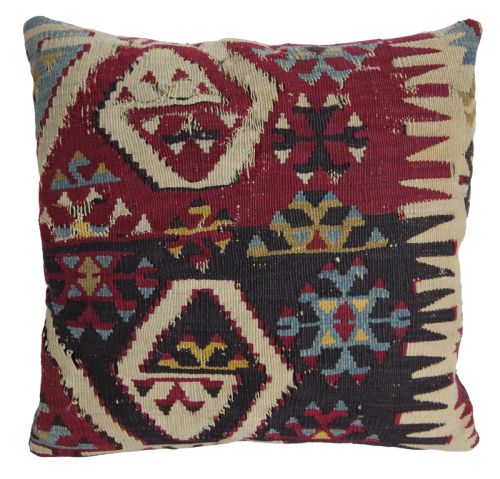
An antique kilim pillow brings authentic tribal weaving into a room, formed from flat-woven textile fragments created by nomadic weavers.

Antique Kilim Pillow
When you search for an antique kilim pillow, you encounter decorative soft furnishings fashioned from repurposed nomadic bags, saddlebags, and flatweave textiles. These pieces originate predominantly from tribal groups in Anatolia, Persia, and Central Asia, including Turkmen, Qashqa'i, and Shahsavan makers.
The most common formats on this page are cushions and pillows constructed from antique bag faces or portions of larger flatweaves. Dating spans from the mid nineteenth century through the early twentieth century, encompassing periods such as eighteen fifty and nineteen twenty.
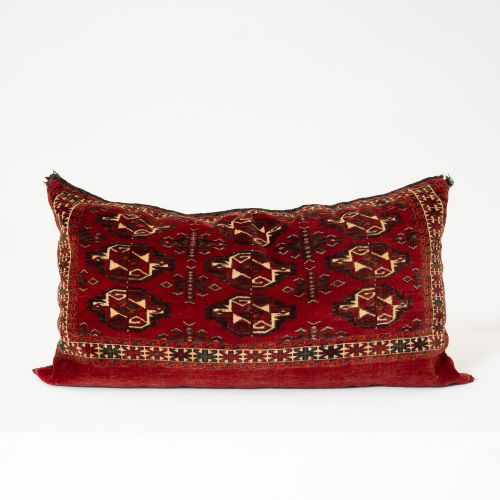
Each item represents a functional tribal object adapted for modern interiors, retaining traditional geometric patterns and flat-woven structures. The forms vary from square cushions to long bolster-style pillows derived from torba, chuval, and mafrash bag faces.
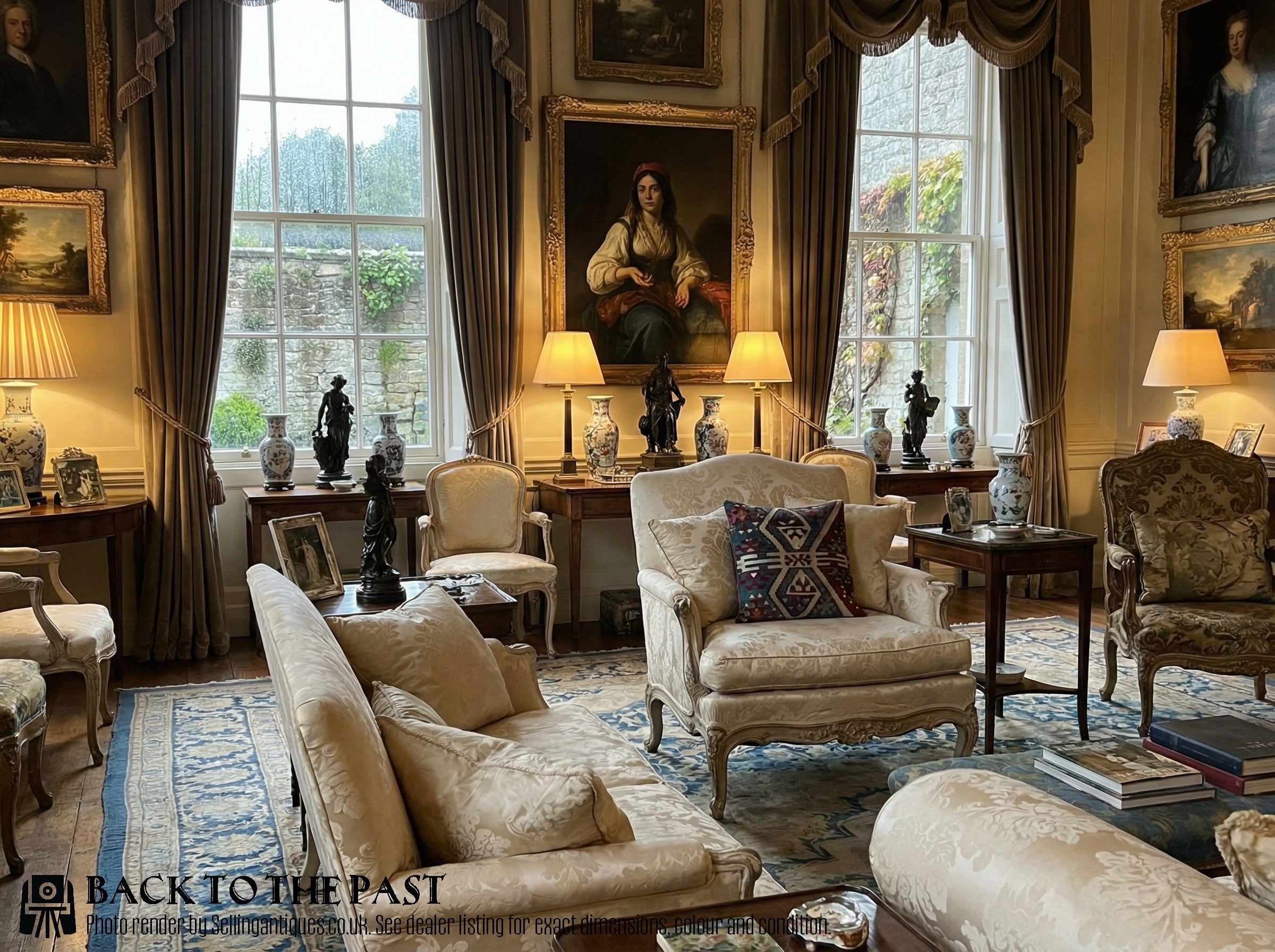
Assessing quality in flatweave cushions
Quality in these textiles rests upon the fineness of the flatweave and the complexity of the tribal design. Tighter weft-faced structures and crisp geometric definition distinguish superior bag faces from simpler, coarser weaves.
The integrity of the natural dyes and the preservation of the hand-spun wool surface determine the visual depth of the cushion. Pieces that retain complete borders, original tassels, and authentic structural elements command greater interest among collectors of tribal textiles.
Object types include cushions, throw cushions, saddlebags, and bag faces originating from regional groups such as the Shahsavan and Qashqa'i.
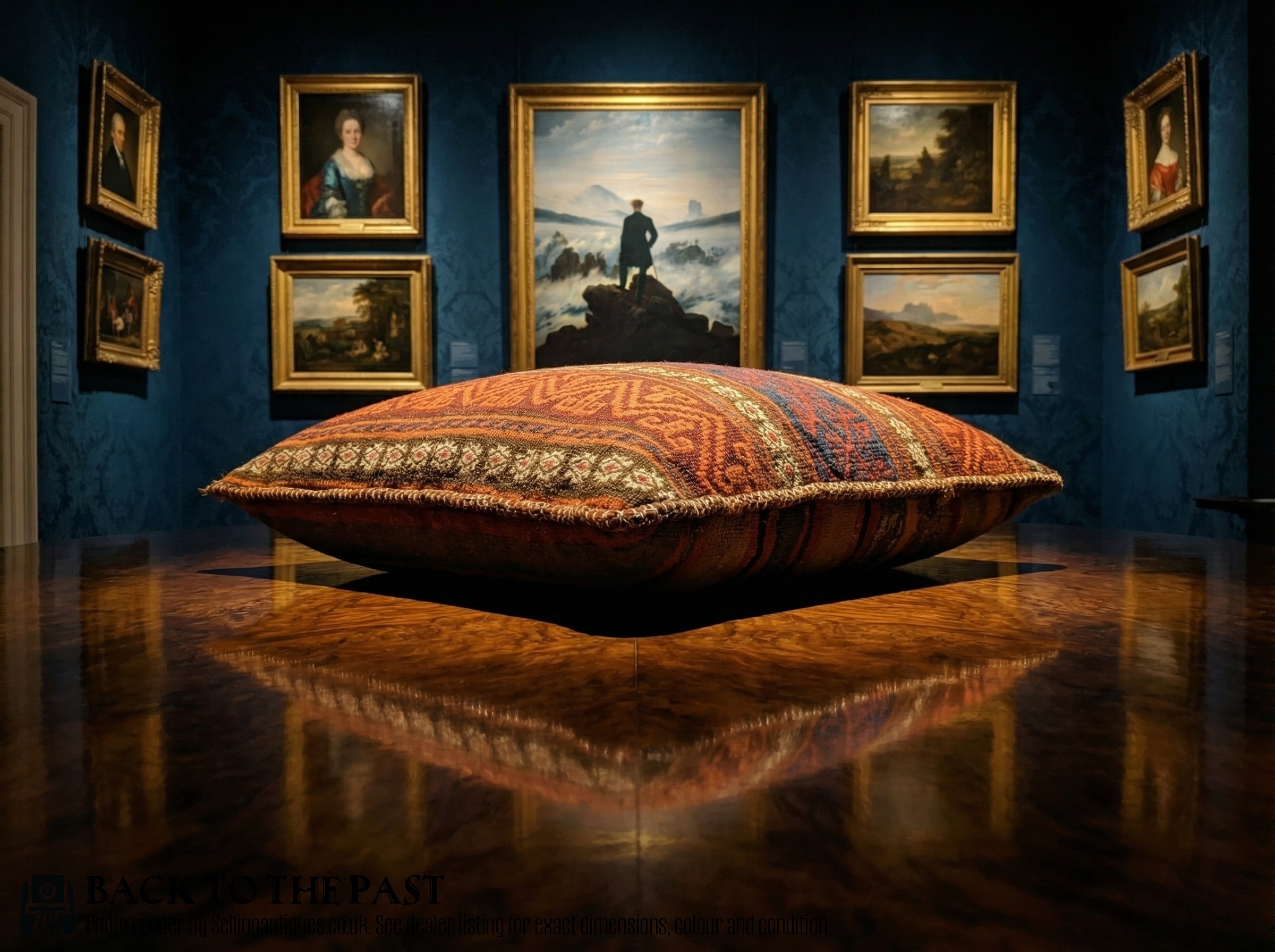
The Antique Kilim Pillow Glossary
- Kilim
- A flat-woven carpet or textile produced without pile by tightly interweaving warp and weft strands. This technique creates a lightweight fabric traditionally utilised for rugs, tent dividers, and storage bags.
- Chuval
- A large tent storage bag produced by Turkmen tribes, often featuring multiple gul motifs. Fragments of these bags frequently form decorative cushions.
- Torba
- A smaller storage bag made by nomadic groups for domestic use inside the tent. Their banded flatweave designs adapt well to cushion formats.
- Mafrash
- A rectangular storage chest or bedding bag woven in flatweave technique by tribes such as the Yomut Turkmen. The side panels provide distinctive geometric panels for soft furnishings.
- Bag Face
- The decorative front panel of a nomadic storage bag. These sections display the primary tribal designs and are frequently converted into throw cushions.
Antique Kilim Pillow: Frequently Asked Questions
What is an antique kilim pillow?
An antique kilim pillow is a decorative cushion constructed from genuine flat-woven textile fragments, such as nineteenth-century tribal saddlebags and storage sacks. These pieces repurpose nomadic weaving into functional home accessories.
The textiles originate from regions including Anatolia, Persia, and Central Asia, displaying traditional geometric patterns woven by tribal makers using hand-spun wool and natural dyes.
How do I care for wool kilim cushions?
Care for these antique wool cushions by vacuuming them gently on a low setting without a rotating brush. This removes dust without catching the flatweave fibres or tassels.
Keep them out of direct sunlight to protect the natural dyes from fading. Professional specialist cleaning is recommended if the textile requires deeper maintenance.
How are bag faces used in pillows?
Nomadic bag faces are the decorative front panels of original storage sacks utilised in tents for bedding or possessions. Craftsmen repurpose these panels by attaching suitable backs and stuffing them to form cushions.
This method preserves the intricate flatweave patterns and tribal designs of the original bags while adapting them for modern seating and decor.
How can I tell the age of a kilim pillow?
Determining the age involves examining the wool type, dye composition, and weaving structure. Hand-spun wool and natural dyes typically indicate nineteenth-century or early twentieth-century manufacture.
Tribal attributions, such as Yomut Turkmen or Qashqa'i designs, also provide contextual clues to the period of origin based on documented regional patterns.