


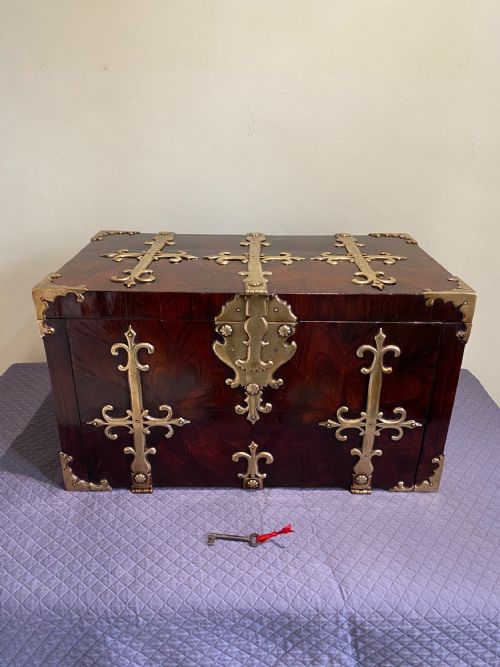

Antique Key Box
An antique key box is a secure receptacle designed to hold security keys, often rendered in oak or walnut from the Victorian era.
Antique Key Box
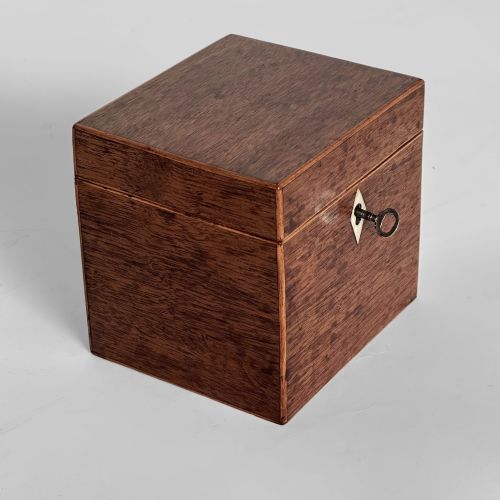
When searching for an antique key box, buyers encounter small wall-mounted cabinets, desktop cupboards and hotel reception racks designed to keep working keys secure. These pieces span Georgian, Victorian and Edwardian periods, reflecting the domestic and commercial security needs of their time.
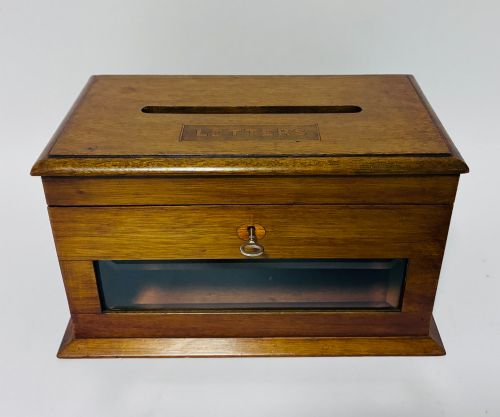
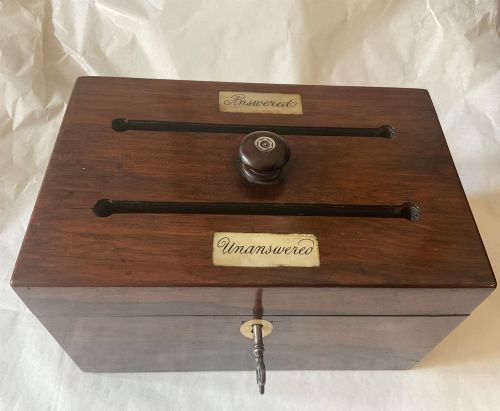
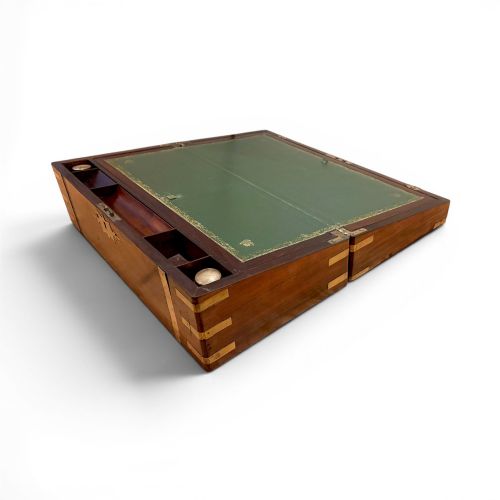
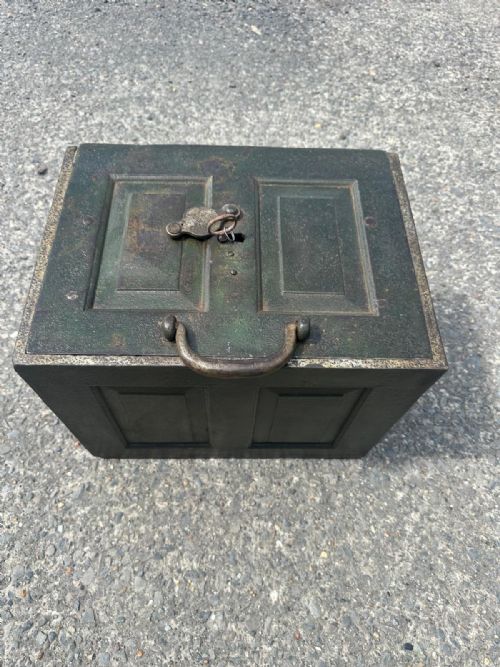
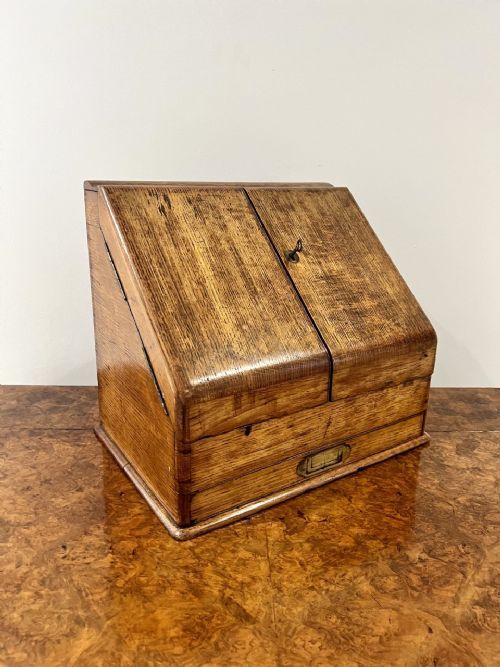
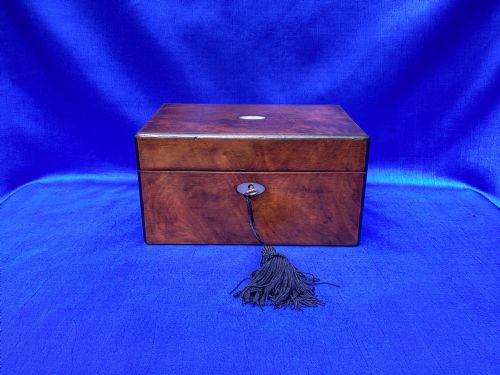
The versions most frequently found on this page are oak key cabinets and letter boxes from the nineteenth century, often built with brass mounts or glazed doors. Alongside dedicated wall cabinets, the selection includes related storage forms such as writing slopes, deed boxes and strongboxes that incorporate functional locks.
Country house and hotel variants appear regularly, showing partitioned interiors meant to sort multiple room keys systematically. Their construction ranges from utilitarian oak to decorative carved walnut and arts and crafts styles.
How They Were Made
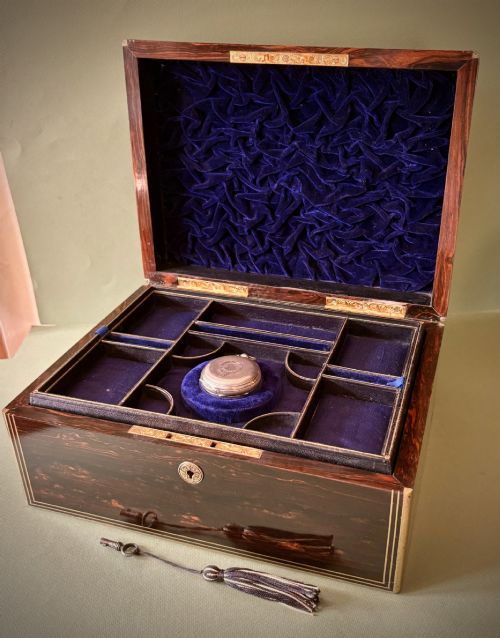
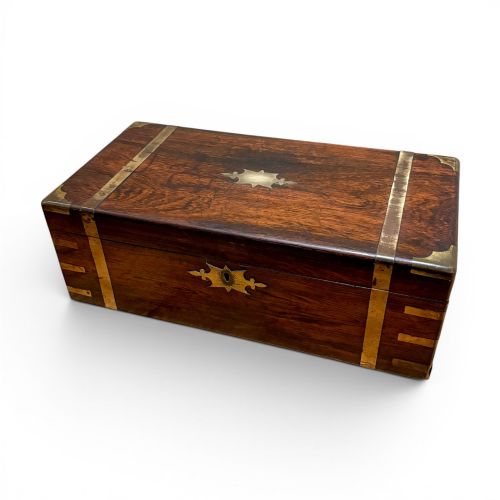
Cabinet makers utilised dense hardwoods such as oak, mahogany, rosewood and walnut, frequently applying brass binding, escutcheons and campaign corners to reinforce corners and edges. Interiors were often fitted with velvet linings, metal hooks or numbered slots to hold keys orderly.
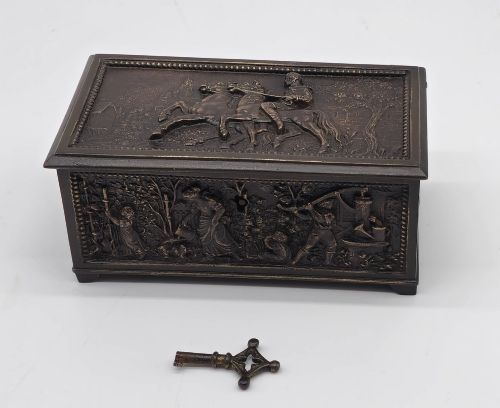
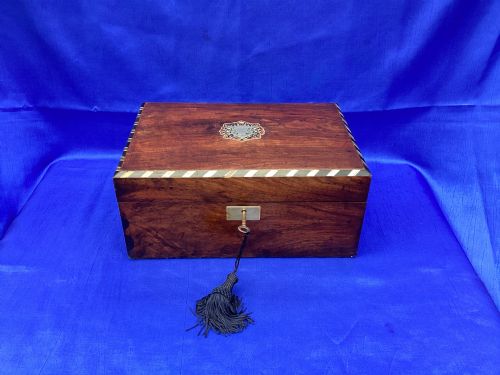
Security relied on robust iron locks, sometimes featuring Bramah mechanisms, paired with original working keys that remained with the box through generations. Wood surfaces were finished with French polish or wax, while decorative examples incorporated mother of pearl inlay, tortoiseshell or carved panels.
Some night porters clearly guarded their keys with extra vigilance, as evidenced by surviving brass-mounted tantalus combinations.
What Varies in Quality
Quality rests in the integrity of the timber selection, the crispness of the joinery and the survival of original hardware such as numbered brass hooks and working locks. Superior pieces retain their fitted interior partitions and functional keys without later alterations.
Finer boxes display thoughtful details like hand-carved accents, flush-fitting doors and well-figured wood veneers, whereas simpler utilitarian boxes rely on sturdy dovetailed construction intended for daily service in a hallway or hotel office.
Milners of Liverpool·Walker & Hall
The Antique Key Box Glossary
- Bramah lock
- A high-security cylindrical lock patented by Joseph Bramah in the late eighteenth century. These mechanisms are known for their intricate internal slides and pick-resistance.
- Escutcheon
- A protective metal plate surrounding a keyhole. It prevents the wood around the lock from splitting or wearing away through repeated use.
- Campaign
- A style of furniture designed for travel, featuring recessed brass handles, reinforced corners and durable hardwoods. These pieces were built to withstand military transport.
- Tantalus
- A locking beverage cabinet featuring a visible wooden framework that holds decanters in place. The frame prevents guests from pouring drinks without the matching key.
- Treen
- Small handmade wooden household objects. Collectors use this term to describe turned bowls, small boxes and utilitarian wooden items made before the era of mass production.
Antique Key Box: Frequently Asked Questions
What were antique key boxes used for?
These boxes served to secure important property keys in large households, country estates and hotels. Staff used them to manage access to rooms, wine cellars and desks.
Commercial variants functioned as reception key boards for guests, keeping check-in arrangements orderly throughout the Victorian and Edwardian periods.
How do I know if the key is original?
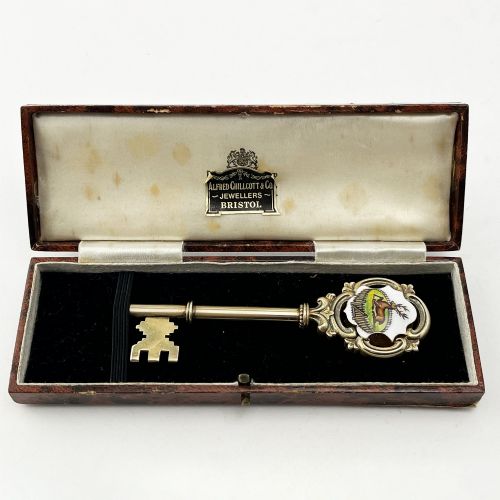
Original keys generally match the wear, patina and metal composition of the box's lock and internal escutcheon plates. They operate the mechanism smoothly without forcing the tumblers.
Many period pieces retain their working keys, which is noted in descriptions when the original mechanism remains fully functional.
Can I mount an old key box on the wall?
Many key cabinets and hotel letter boxes were built specifically for wall hanging, featuring pre-drilled mounting points or flat backs. Heavier desktop strongboxes or deed chests are better suited for placement on tables or inside shelves.
Review the back panels and hanging brackets of each specific piece to determine its original installation method before mounting.
What is the difference between a key box and a writing slope?
A key box is designed specifically to store and organise loose keys, often featuring internal hooks or numbered compartments. A writing slope opens to reveal a slanted desk surface for correspondence, along with inkwells and secret drawers.
While some writing slopes include working locks, their primary purpose is stationery storage rather than key management.