


Antique Jewellery Bar Brooch
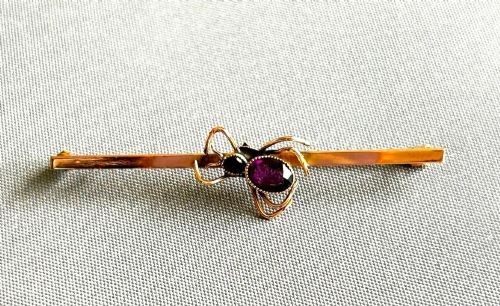
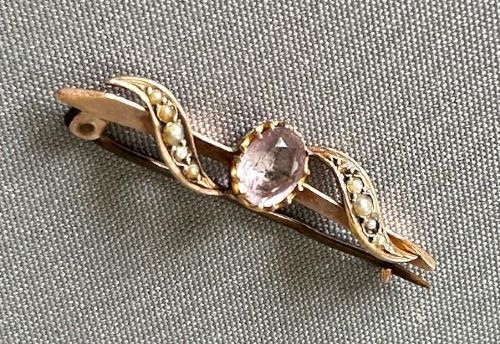
An antique jewellery bar brooch is a pin designed to fasten clothing while displaying precious stones and metals from the Georgian, Victorian, Edwardian, and Art Deco eras.
Antique Jewellery Bar Brooch
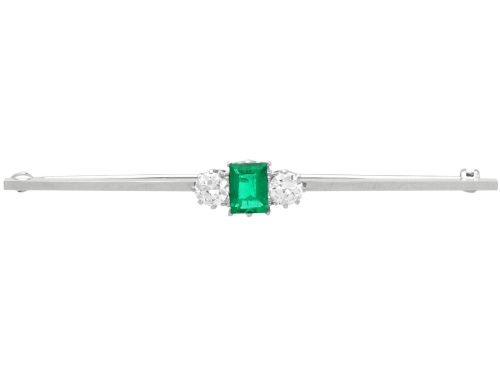
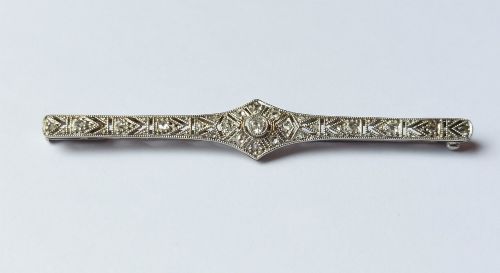
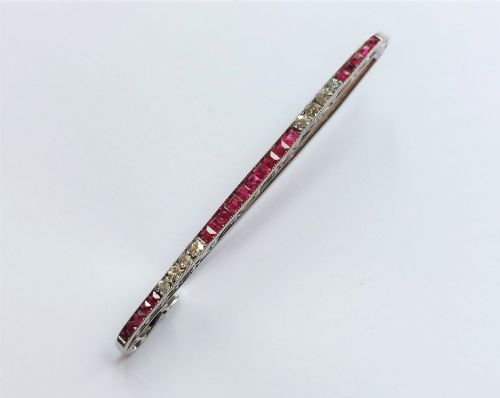
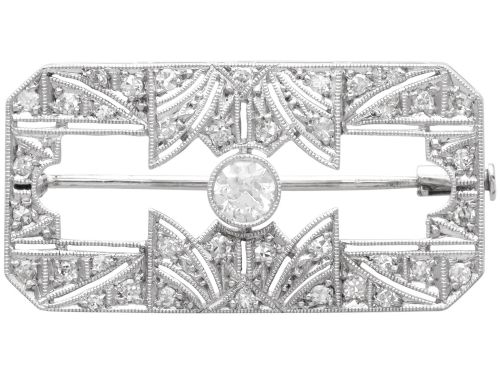
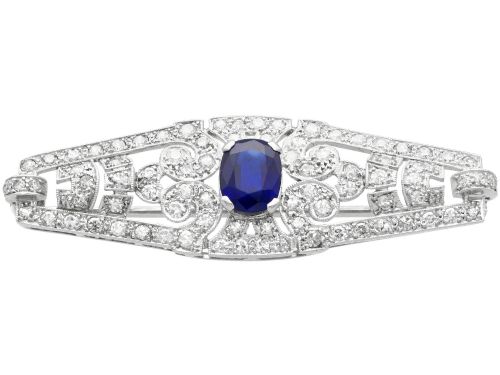
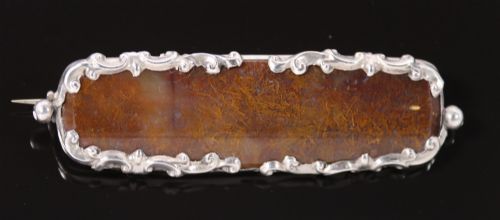
When you search for an antique jewellery bar brooch, you encounter horizontal pin forms spanning several decades of design. The selections range from early Georgian silver and moss agate pieces up to geometric Art Deco platinum creations.
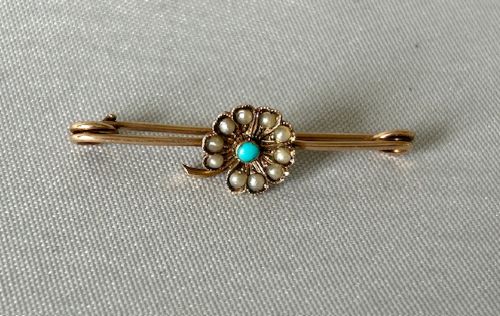
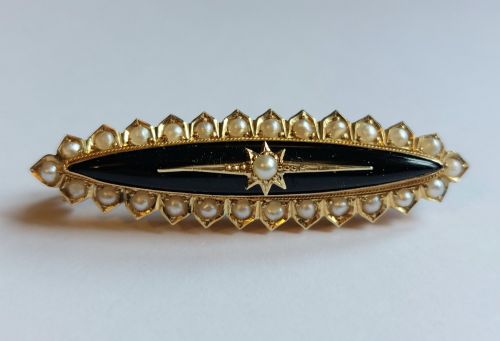
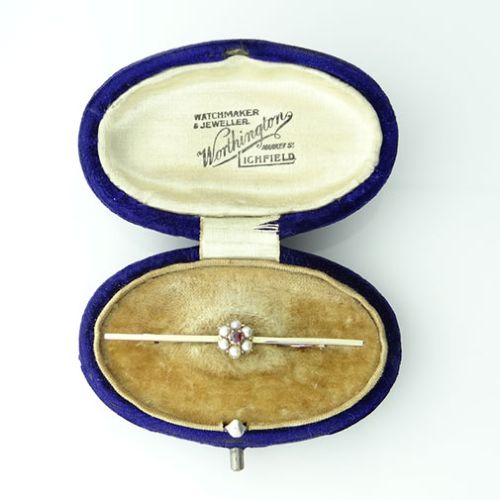
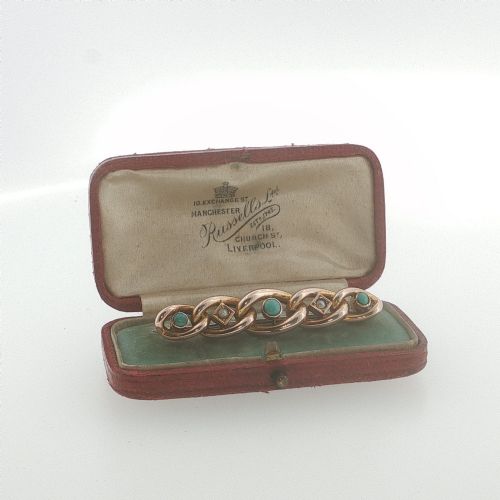
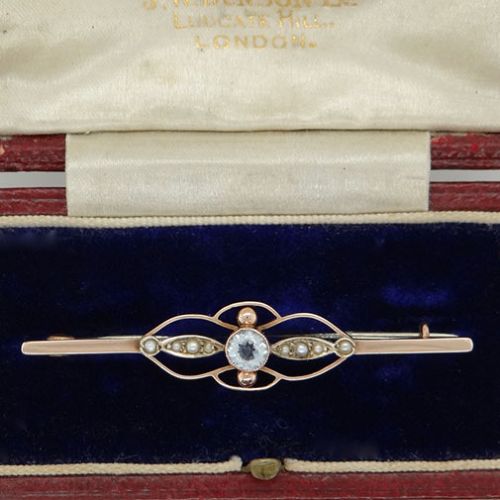
Victorian and Edwardian versions appear frequently on this page, often combining 9ct or 15ct gold with seed pearls, turquoise, and aquamarines. These wearable accessories served both decorative and functional purposes in historical wardrobes.
How they were made
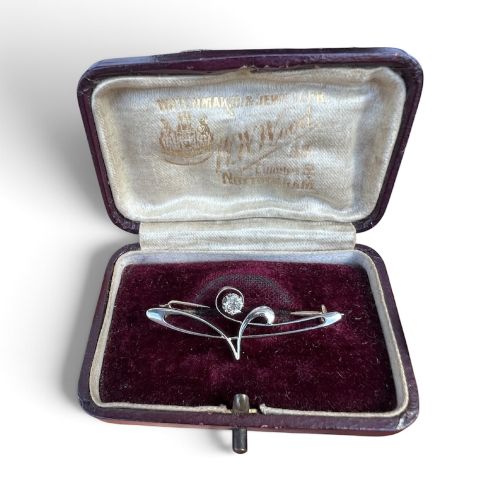
The construction relies heavily on yellow and rose gold, silver, and platinum frameworks designed to support stones securely. Goldsmiths utilised fine collet settings and delicate wirework to construct floral motifs, hearts, and linear bars.
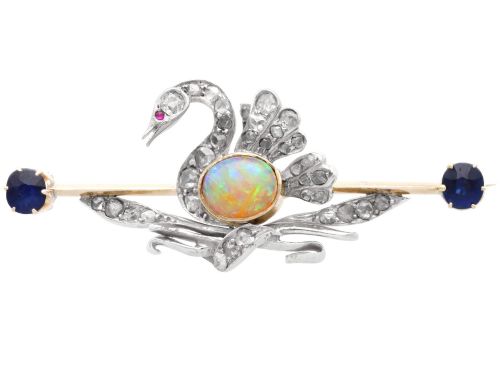
Gems such as diamonds, sapphires, rubies, garnets, and pearls were hand-cut and mounted into the precious metal foundations. Artisans also incorporated organic materials like moss agate, onyx, and opals into the central designs.
Antique Jewellery Bar Brooch Retail Price Guide 2026
Typical asking prices for jewellery bar brooch among the pieces listed under this phrase on Sellingantiques today, from the lower quarter to the upper quarter. They describe what is for sale here now, not the wider market.
The listings span the Victorian, Edwardian, and Art Deco periods, utilising materials such as platinum, silver, 15ct gold, and diamonds.
What varies in quality
The distinction between tiers rests upon the choice of gemstones and the precision of the metalwork. Pieces featuring matched natural diamonds, unheated sapphires, or well-carved chrysoberyl represent the upper end of the scale.
Construction methods also dictate quality, as finer examples exhibit seamless stone seating, balanced proportions, and robust pin mechanisms that have survived decades of use.
The Antique Jewellery Bar Brooch Glossary
- Seed pearl
- A very small, naturally formed saltwater or freshwater pearl, frequently drilled and strung or set en masse in Victorian and Edwardian cluster designs.
- Bar brooch
- A horizontal pin featuring a slender metal shaft, often decorated with gemstones, clusters, or drops along its length.
- Mourning brooch
- A commemorative piece containing hair, jet, onyx, or dark stones, produced to remember a deceased loved one during the Victorian era.
- Suffragette chain brooch
- A piece incorporating the colours green, white, and violet - represented by stones such as peridot, seed pearls, and amethyst - associated with the political movement.
Antique Jewellery Bar Brooch: Frequently Asked Questions
How do I wear a bar brooch today?
These pieces fasten securely onto the lapels of tailored jackets, heavy wool scarves, or thick knit sweaters. Placing them centrally on a collar or near the shoulder provides stable support for the weight of the metal.
Ensure the safety catch or C-clasp functions properly before pinning the item to valuable fabrics. Selecting garments with a tighter weave prevents the pin stem from pulling threads.
What is the difference between Victorian and Edwardian brooches?
Victorian examples often feature heavier gold weights, darker gemstones like garnets and onyx, and sentimental motifs such as hearts or mourning elements. They reflect the romantic and sometimes solemn aesthetic of the nineteenth century.
Edwardian pieces shift towards lighter platinum settings, openwork filigree, and brighter diamond or aquamarine stones. This later period prioritises delicate lace-like patterns and airier silhouettes.
Are these pins suitable for everyday wear?
Solid gold and platinum constructions handle regular use well when treated with appropriate care. However, softer organic gems like pearls and opals require gentle handling to avoid scratching or moisture damage.
Removing the item before sleeping, exercising, or swimming preserves the structural integrity of the delicate settings and pin mechanisms.
How can I date my brooch accurately?
Examining the metal purity marks, stone cuts, and overall stylistic motifs provides a reliable timeline. Hallmarks often reference specific assay offices and decades of production.
Clasp styles also indicate age, transitioning from simple C-clasps on nineteenth-century pieces to more secure safety catches on later twentieth-century items.