




Antique Japanese Shelf
An antique japanese shelf brings distinctive eastern craftsmanship and rich timber grain directly into a room.
Antique Japanese Shelf
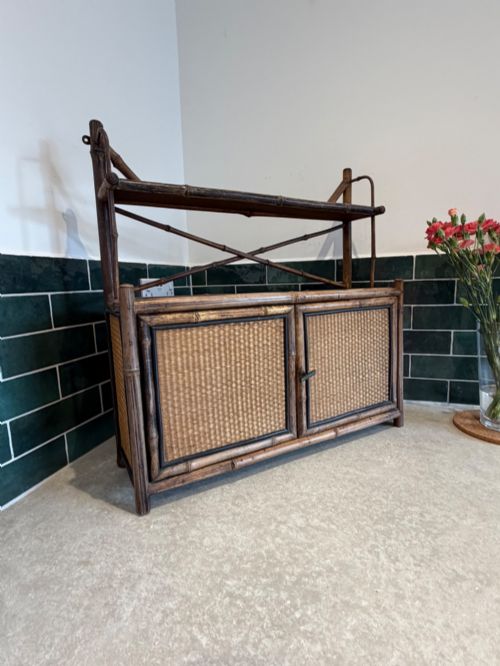
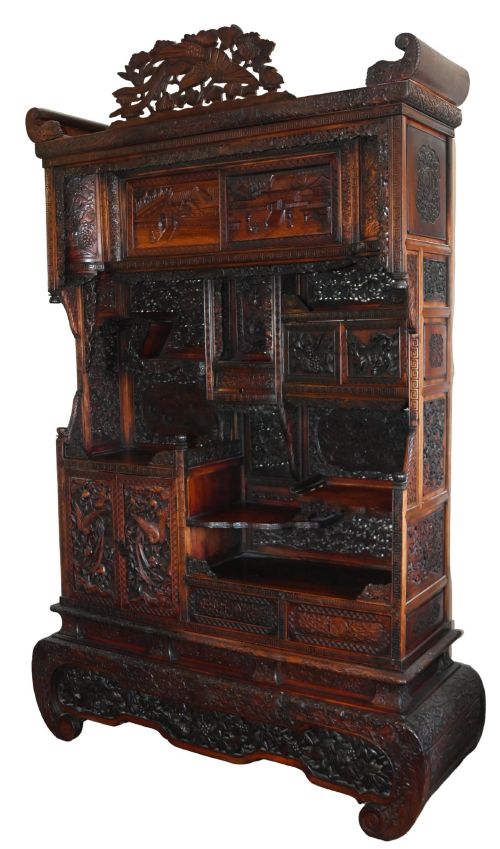
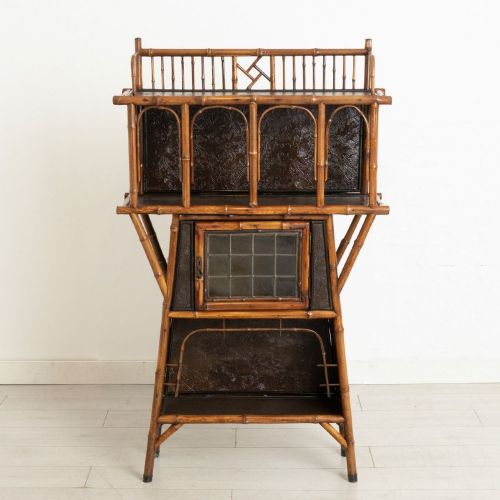
When you search for an antique japanese shelf, you encounter intricate display furniture designed to showcase treasured objects. These pieces include tiered shodana cabinets, corner brackets, and bamboo stands originating from the nineteenth century.
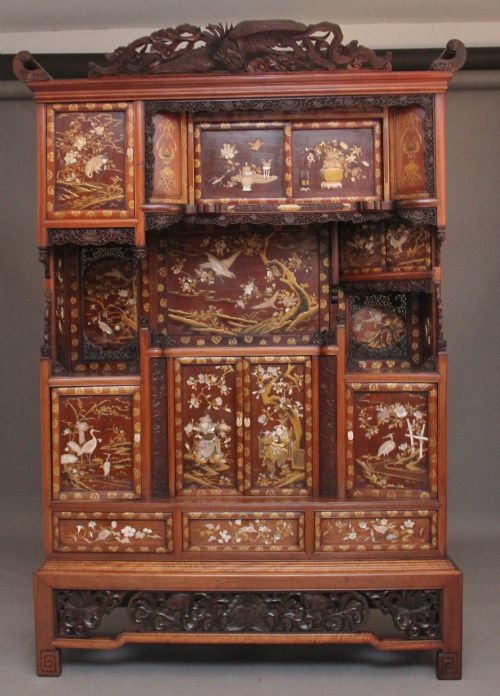
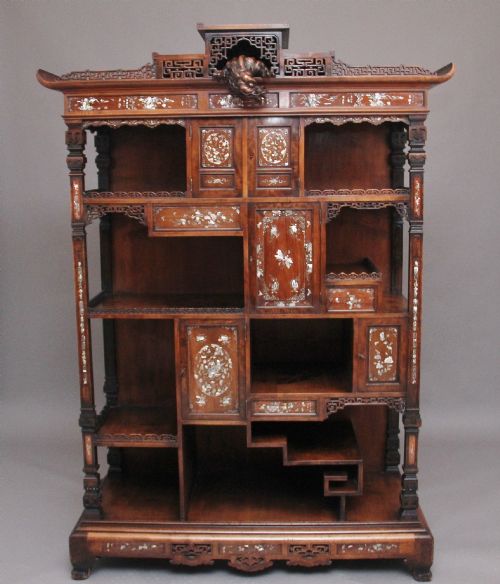
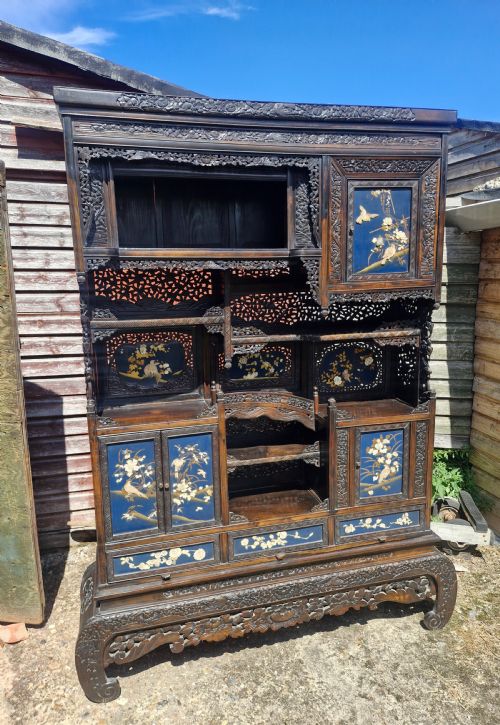
The version you are most likely to meet on this page is a shodana cabinet from the Meiji period, featuring asymmetric shelving and lacquer decoration. Such items combine traditional Japanese joinery with the aesthetic tastes of Victorian Britain.
How they were made
Cabinet makers utilised natural materials including hardwood, bamboo, and lacquer to construct these display pieces. Artisans applied detailed mother-of-pearl inlay and bone elements to enrich the wooden surfaces.
Structural framing often relied on flexible bamboo or ebonised timber, reflecting both Asian export methods and the British Aesthetic Movement.
Antique Japanese Shelf Retail Price Guide 2026
Typical asking prices for japanese shelf among the pieces listed under this phrase on Sellingantiques today, from the lower quarter to the upper quarter. They describe what is for sale here now, not the wider market.
Some bamboo stands from this era hide tiny compartments that only reveal themselves when you slide a secret panel.
What varies in quality
The distinction between standard items and superior examples lies in the depth of hand-carved detail and the complexity of the lacquerwork. Finely executed shodana cabinets display harmonious asymmetry and precise joinery across multiple tiers.
Materials also dictate standing, with genuine lacquer and intricate mother-of-pearl inlay separating elite export pieces from simpler domestic bamboo stands.
E.W Godwin·Leonard Wyburd for Liberty and Co
The Antique Japanese Shelf Glossary
- Shodana
- A traditional Japanese tabletop or freestanding display cabinet featuring staggered shelves and cupboards. These pieces were built for exhibiting small ornaments and scholarly objects.
- Aesthetic Movement
- A late nineteenth-century British design style that championed art for art's sake and drew heavy inspiration from Japanese forms. It is frequently seen in ebonised furniture and bamboo stands.
- Meiji Period
- The era in Japanese history spanning from 1868 to 1912, marked by the opening of trade with the West. Cabinets from this time combine native craftsmanship with European demand.
- Lacquer
- A durable, glossy finish derived from tree sap, applied in multiple layers to wooden furniture. It provides a smooth surface often decorated with gold or inlaid materials.
- Mother-of-Pearl
- The iridescent inner layer of certain mollusc shells, carved into thin pieces and embedded into wood surfaces. This technique adds shimmer and contrast to dark cabinet panels.
Antique Japanese Shelf: Frequently Asked Questions
What is a shodana cabinet?
A shodana is a traditional Japanese cabinet featuring asymmetrical shelves, sliding doors, and small compartments designed for displaying ornaments.
These pieces were produced for both domestic use and export to Britain during the nineteenth century.
How do I clean bamboo furniture?
Bamboo requires gentle maintenance using a dry cloth to remove dust without harming the natural fibres.
Avoid excessive moisture and harsh chemical polishes that can degrade the vintage finish.
Where were these shelves placed?
Owners typically placed these cabinets and stands in drawing rooms or parlours to display ceramics and curiosities.
Corner shelves and wall units maximised space while introducing decorative eastern motifs to Victorian interiors.
How do I date a Meiji piece?
Dating relies on examining the construction methods, wood types, and export documentation typical of the late nineteenth century.
Meiji period items often combine traditional Japanese lacquer techniques with forms popularised by the British Aesthetic Movement.