



Antique Japanese Plant Pots
These antique japanese plant pots are substantial vessels designed for display, bringing historic craftsmanship and natural greenery together in any interior.
Antique Japanese Plant Pots
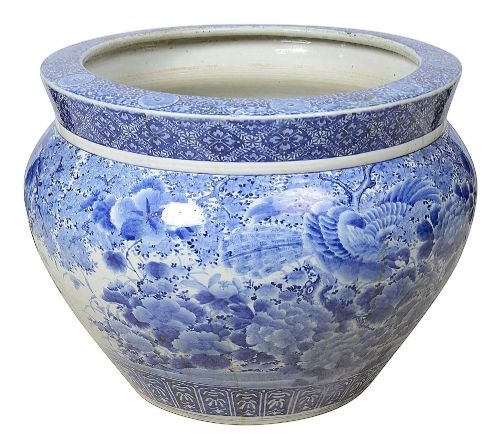
When you search for antique japanese plant pots, you encounter robust jardinieres, planters, and supporting stands shaped from ceramic, porcelain, and metal. The selection spans the Edo and Meiji periods alongside later Victorian Anglo-Japanese interpretations.
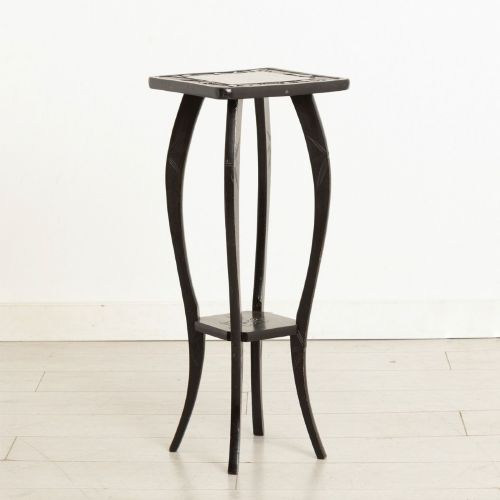
The most common vessels are blue and white porcelain bowls and heavy bronze jardinieres intended to house indoor flora. These are frequently paired with carved hardwood or ebonised wood stands that elevate the piece from the floor.
Originating from the eighteenth, nineteenth, and early twentieth centuries, these objects reflect distinct shifts in design, moving from traditional Arita Imari decoration to intricate bronze work and champleve enamel.
How they were made
Potters shaped porcelain and stoneware by hand or on the wheel before applying detailed blue and white glaze pigments and firing the clay at high temperatures. Imari examples integrate rich underglaze blue with supplementary overglaze colours.
Metalworkers cast bronze and brass vessels, sometimes incorporating champleve enamel decoration to create textured, multicoloured surfaces. Woodworkers constructed plant stands using ebonised timber and hand-carved hardwoods to support the heavier bowls.
The inventory spans the eighteenth century through to the nineteen-twenties.
What varies in quality
The distinction between standard utility vessels and superior examples lies in the crispness of the casting in bronze pieces or the fineness of the painted detail on porcelain. Heavier bronze bowls and precisely potted stoneware demonstrate greater command of material.
The integrity of the associated stands also influences the overall standard, as original or well-matched hardwood and ebonised supports enhance the presence of the main planter.
Liberty of London·Makuzu Kozan II
The Antique Japanese Plant Pots Glossary
- Jardiniere
- A decorative ceramic or metal bowl designed to hold a plant or flower pot. These vessels often sit upon matching tables or floor stands.
- Imari
- A style of Japanese porcelain featuring underglaze blue and contrasting iron red and gold decoration. This palette originated in the town of Arita.
- Champleve
- An enamelling technique where troughs or cells are carved into a metal surface and filled with vitreous enamel prior to firing. The metal partitions remain visible between the coloured areas.
- Edo Period
- The period in Japanese history spanning from sixteen hundred and three to eighteen hundred and sixty-eight. Works from this era often display traditional decorative motifs.
Antique Japanese Plant Pots: Frequently Asked Questions
How were antique japanese plant pots used?
These vessels functioned primarily as indoor containers for large house plants and decorative foliage, protecting interior surfaces while displaying botanical specimens.
They stood in reception rooms, halls, and parlours, often elevated on dedicated wooden stands to command attention within the domestic space.
How do I care for bronze and porcelain planters?
Bronze planters require gentle dusting and occasional cleaning with a dry or slightly damp cloth to preserve the metal surface without stripping the natural patina.
Porcelain and stoneware vessels tolerate mild soap and water, though liners should be used inside to prevent moisture damage to the historic ceramic body.
How do I distinguish Edo from Meiji pieces?
Edo period items date prior to eighteen sixty-eight and generally reflect older aesthetic traditions, whereas Meiji period works correspond to the subsequent era of expanding international trade and heightened decorative detail.
Stylistic markers and manufacturing techniques help separate the earlier restrained forms from the more elaborate bronze and enamel output of the late nineteenth century.
Can these jardinieres hold soil directly?
Most collectors prefer to place a separate potted plant inside the jardiniere rather than filling the antique vessel with soil and water directly.
This practice protects the internal glaze, bronze, or enamel from moisture accumulation and mineral deposits that could alter the interior over time.