
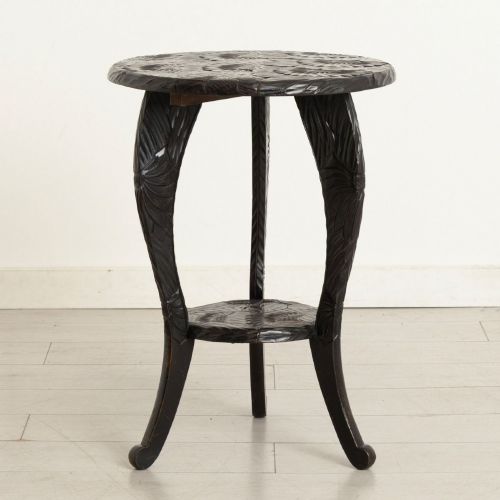


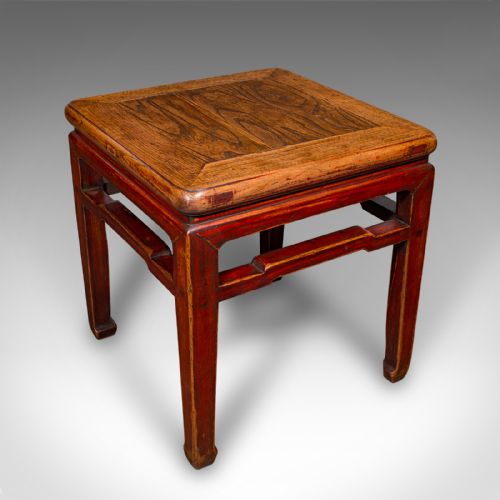
Antique Japanese Occasional Table
These antique japanese occasional table pieces bring refined orientalism into a room, offering versatile surfaces shaped by late nineteenth and early twentieth century tastes.
Antique Japanese Occasional Table
An antique japanese occasional table encompasses low tea tables, nests of four, and carved side tables produced during the Victorian and Edwardian eras. These domestic pieces reflect nineteenth century and early twentieth century interpretations of eastern design.
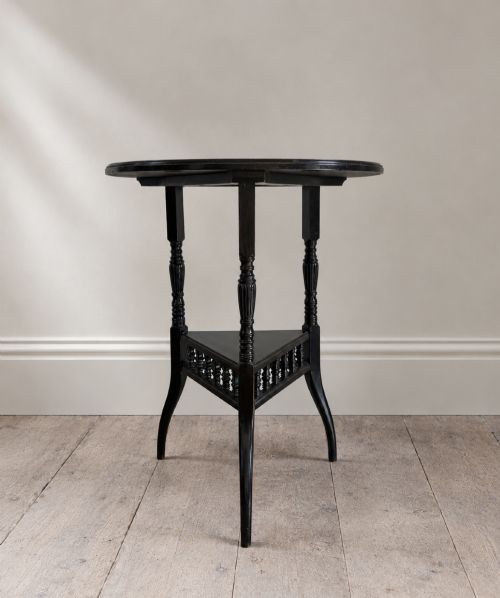
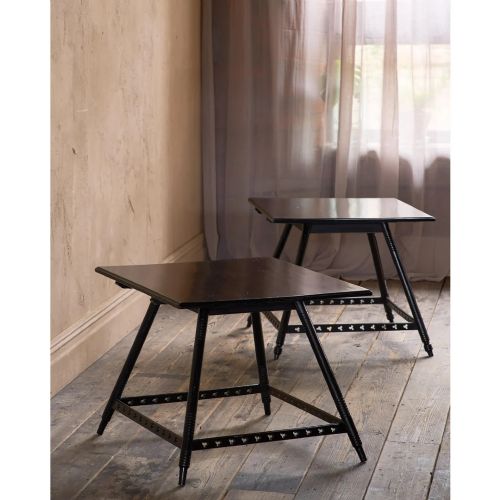
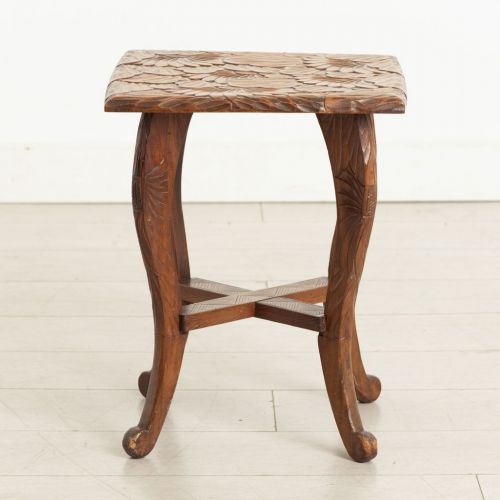
The selection ranges from ebonised wood designs influenced by the Aesthetic Movement to hand carved hardwood tables and lacquered panels. Buyers encounter forms designed for side placement, lamp display, and multi table nests.
Originating through British retailers and cabinetmakers inspired by Japanese Meiji craftsmanship, these tables combine traditional oriental motifs with western functional forms like the centre table and two tier stand.
How they were made
Cabinetmakers utilised hardwoods, mahogany, elm, and ebonised wood to build these frames, applying black finishes and lacquer to mimic oriental surfaces. Carved hardwood and bamboo provide structural detail and texture.
Decoration incorporates hand carving, parcel gilding, painted finishes, and inset panels of lacquer or cloisonne enamel. Crossbanding and brass fittings appear on select Edwardian and Victorian examples.
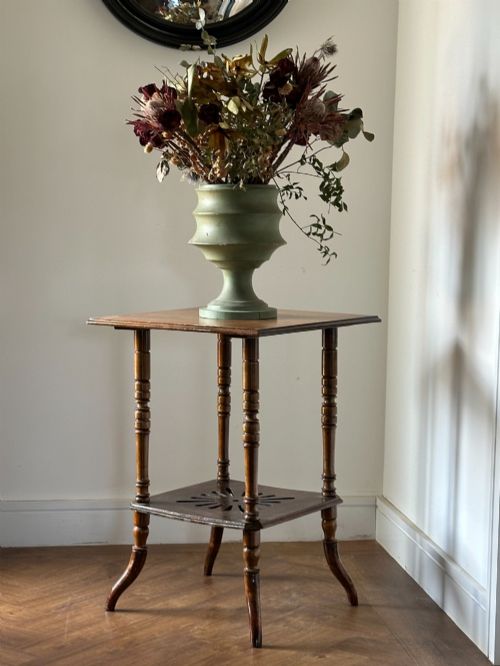
Form variations span nests of four, two-tier stands, drum centre tables, and low tea tables.
What varies in quality
The distinction between standard production and superior work rests in the execution of the carving and the integrity of the lacquered or ebonised surfaces. Finer items exhibit crisp hand carving and tightly fitted joints across nests and tiered stands.
Signatures of notable retailers or attribution to specific designers elevate certain pieces, alongside the presence of specialised inserts such as cloisonne enamel or well preserved parcel gilt decoration.
Liberty of London·Liberty and Co·Gabriel Viardot·E W Godwin
The Antique Japanese Occasional Table Glossary
- Aesthetic Movement
- A late nineteenth century design style prioritizing visual beauty over narrative subject matter. It heavily influenced Anglo-Japanese furniture through clean lines and ebonised finishes.
- Chabudai
- A short-legged traditional Japanese low table used for serving tea or meals. Western makers adapted these low forms for domestic use.
- Japonisme
- The influence of Japanese art on western culture during the late nineteenth century. This movement inspired the forms and decorative motifs seen on these tables.
- Ebonised
- Wood treated with a dark stain or finish to imitate ebony. This technique was popular in Victorian and Aesthetic Movement furniture.
- Cloisonne
- An ancient technique for decorating metalwork objects with coloured material held in place by metal strips. Tabletops occasionally feature inset panels of this work.
Antique Japanese Occasional Table: Frequently Asked Questions
What is an antique japanese occasional table?
An antique japanese occasional table is a small domestic surface produced in the nineteenth or early twentieth century that incorporates Japanese design motifs or construction styles. These include side tables, nests, and low tea tables.
Such pieces often blend British furniture forms with oriental aesthetics, reflecting the popularity of Japanese design during the Victorian and Edwardian periods.
How do I identify an Aesthetic Movement table?
Aesthetic Movement tables typically feature ebonised wood surfaces, clean geometric lines, and structural simplicity inspired by Japanese design principles. They often date from the late nineteenth century.
These pieces focus on visual form rather than heavy ornamentation, sometimes bearing design traits associated with makers like E W Godwin.
Where were nests of tables used?
Nests of tables served as flexible furniture for drawing rooms and parlours, allowing multiple surfaces to deploy when entertaining guests. The smaller tables tuck neatly beneath the largest one when not in use.
Victorian and Edwardian households utilised them for tea, lamps, and decorative display without crowding the room.
What materials are common on these tables?
Common materials include ebonised hardwood, mahogany, elm, and bamboo, frequently finished with black lacquer, parcel gilding, or hand carving. Some examples incorporate specialised top panels made of lacquer or cloisonne enamel.
These varied materials reflect both traditional cabinetmaking and the specific decorative demands of the Anglo-Japanese style.
How do I care for lacquered wood?
Lacquered wood surfaces require gentle cleaning with a soft, dry cloth to remove dust without scratching the finish. Avoid moisture, direct sunlight, and chemical polishes that can damage antique coatings.
Maintaining a stable room temperature helps protect the wood and lacquer from cracking or warping over time.