




Elm Low Tea Table
An elm low tea table brings grounded proportion and tactile warmth to a room, offering a versatile surface for daily living.
Elm Low Tea Table
An elm low tea table is a low-slung surface designed for informal dining, service, or display, drawing on diverse regional traditions from Europe and Asia. When you search for an elm low tea table, you encounter pieces spanning the eighteenth century through to the early twentieth century, reflecting both country workshops and sophisticated urban design.
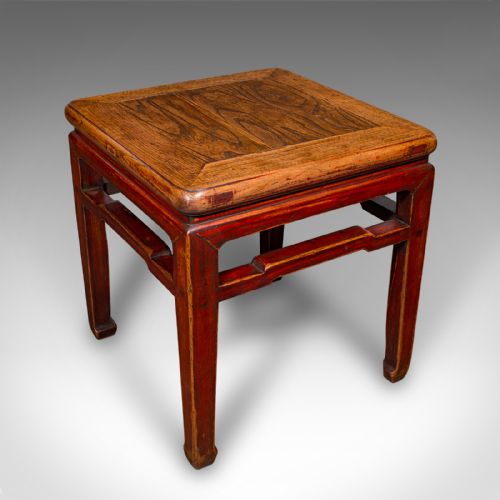
The selection on this page leans heavily towards rustic country forms, nineteenth-century Chinese regional pieces, and European vernacular furniture. You will regularly find low tables originating from Austria, China, Japan, and Sweden, demonstrating how different cultures utilised low furniture for domestic comfort.
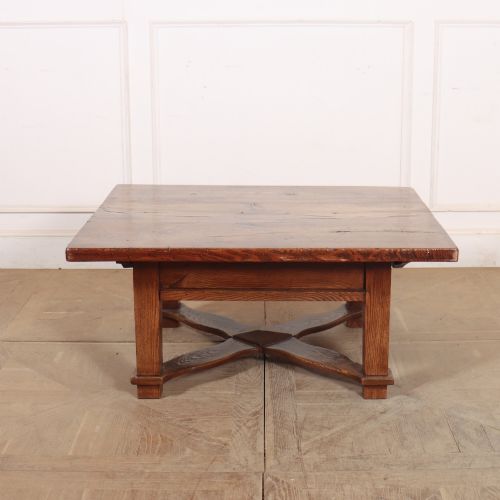
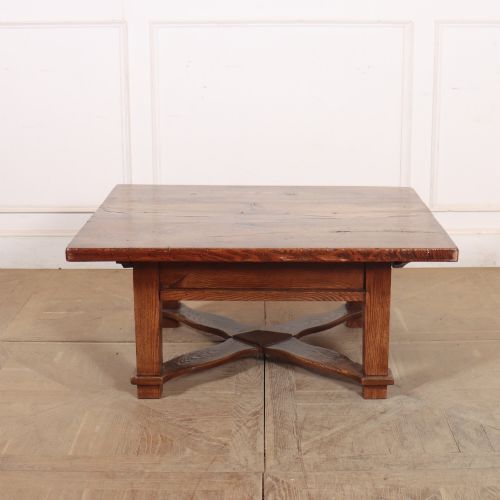
Forms range from simple rustic coffee tables with honest joinery to refined Japanese chabudai tables and Swedish Grace designs featuring birch veneer. Each piece balances utility with distinct regional character, making them adaptable as coffee tables or side tables in contemporary interiors.
How they were made
The primary material across these listings is elm timber, chosen for its strong grain pattern, resilience, and rich textural depth. Cabinetmakers and country joiners utilised the durable hardwood to construct sturdy low frames capable of withstanding daily use.
Selected pieces incorporate contrasting materials such as birch veneer and lacquer, particularly in Swedish Art Deco and Asian regional variants. Surface finishes range from natural waxed grain to traditional oriental lacquering, protecting the wood while accentuating its organic figures.
Several low tables retain the subtle knocks and warm patina acquired from generations of morning tea ceremonies.
What varies in quality
Proportion and restraint separate exceptional examples from simpler vernacular items. A well-balanced frame with thoughtful carving or clean geometric lines demonstrates superior design intent compared to purely utilitarian builds.
The Elm Low Tea Table Glossary
- Elm
- A durable hardwood characterised by an interlocking grain and warm brown tones. It provides both strength and distinct visual texture to vernacular furniture.
- Chabudai
- A traditional short-legged table used in Japan for partaking in meals and drinking tea while kneeling on tatami mats. These tables sit very low to the floor.
- Swedish Grace
- A neoclassical and early modernist design style in Sweden that flourished during the nineteen-twenties and thirties. It combines classical proportion with pared-down modern simplicity.
- Meiji
- The period in Japanese history spanning from eighteen sixty-eight to nineteen twelve, marked by modernization and opening to Western trade while retaining traditional craftsmanship.
- Veneer
- A thin layer of finer wood adhered to a base panel to provide a decorative surface. Birch veneer often appears alongside elm in twentieth-century pieces.
Elm Low Tea Table: Frequently Asked Questions
What is an elm low tea table used for?
These pieces serve primarily as low coffee tables or display surfaces in modern living spaces. Their modest height grounds a room and creates an intimate focal point.
Historically, similar low tables supported tea service or dining while seated close to the floor. Today, they bring organic warmth and utility to contemporary seating arrangements.
How do I date an antique elm low table?
Dating relies on examining construction methods, tool marks, and regional stylistic cues. Eighteenth-century and nineteenth-century examples often display hand-cut joinery and signs of genuine vernacular wear.
Twentieth-century pieces, such as those from the nineteen-twenties or thirties, incorporate modern veneer techniques and cleaner lines. Comparing the hardware and finish against established period styles clarifies the timeline.
Are these tables sturdy enough for daily use?
Elm is a notoriously tough and resilient hardwood well-suited to the demands of daily life. The sturdy timber frames handle routine placement of books, cups, and objects with ease.
Properly maintained joints ensure these low tables remain stable across decades. Simple beeswax conditioning keeps the timber nourished and protected.
How do European and Asian low tables differ?
European country pieces, such as Austrian rustic tables, emphasise robust vernacular construction and heavy timber boards. They reflect rural European domestic traditions and unpretentious utility.
Asian regional tables, including Chinese and Japanese variants, often feature refined framing, subtle tapering, or lacquer finishes. These designs prioritise balance and philosophical harmony within interior spaces.