

Antique Japanese Jars
Antique japanese jars encompass centuries of ceramic and metalwork craft, offering collectors rich painted palettes and intricate cloisonné forms.
Antique Japanese Jars
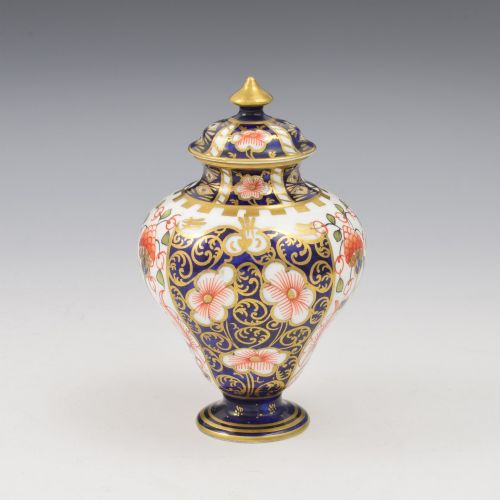
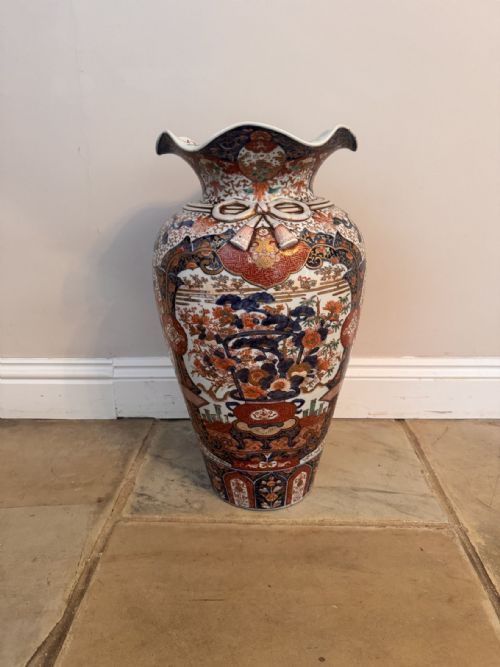
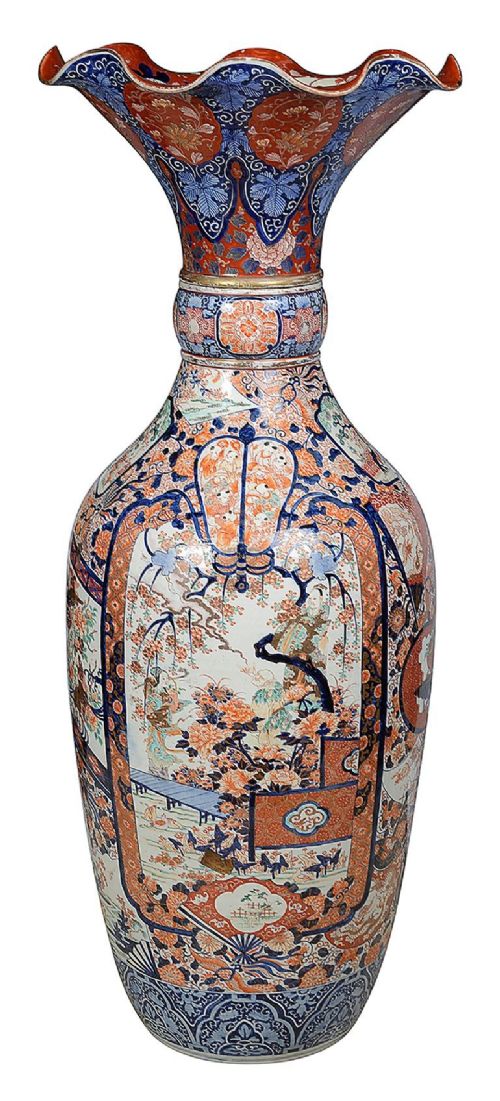
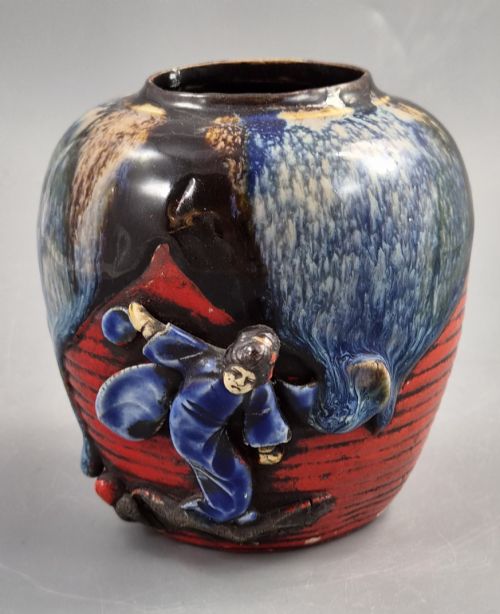
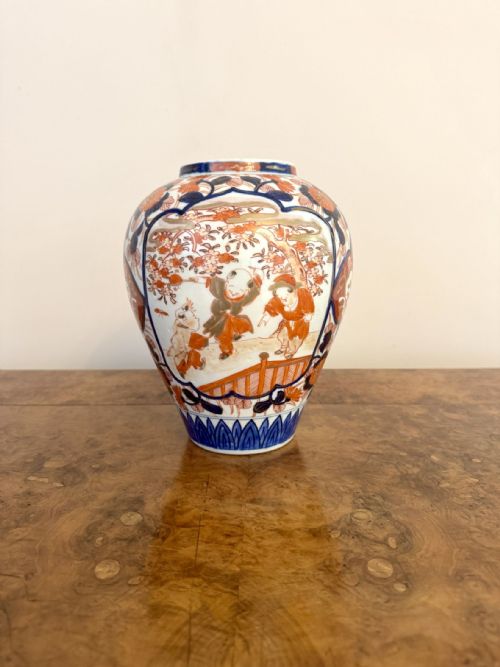
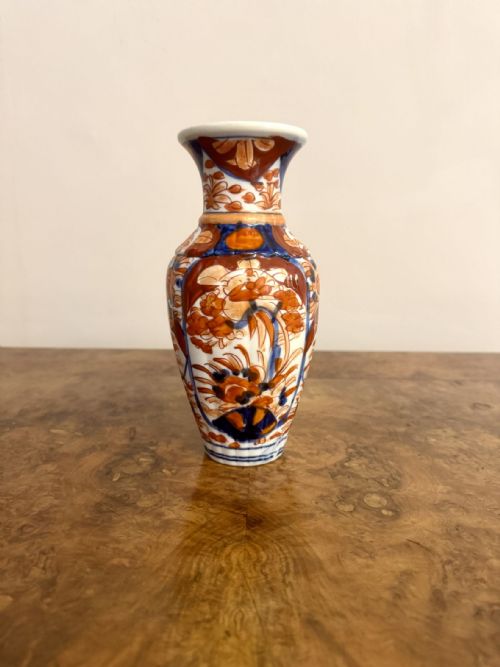
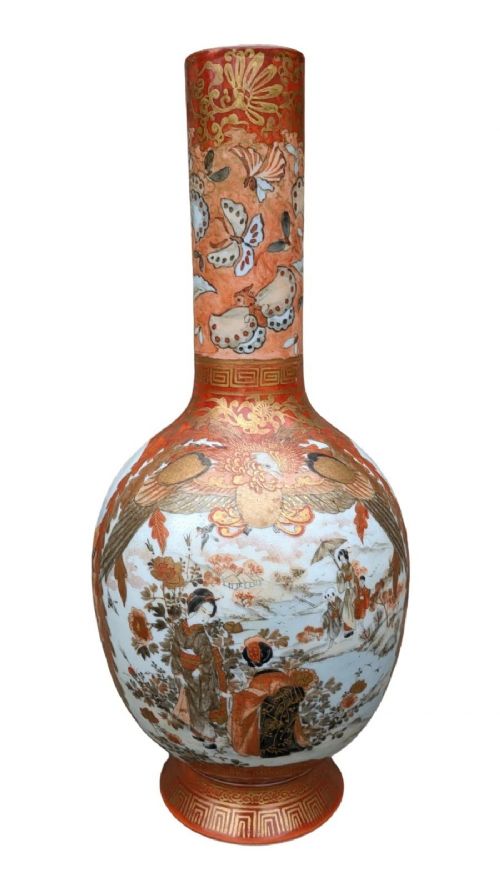
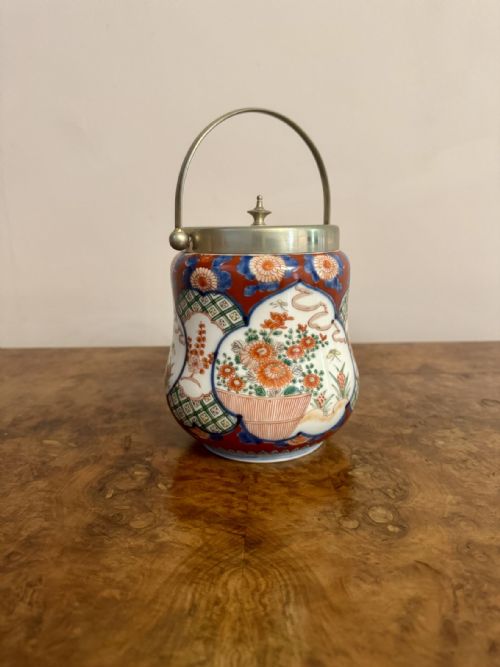
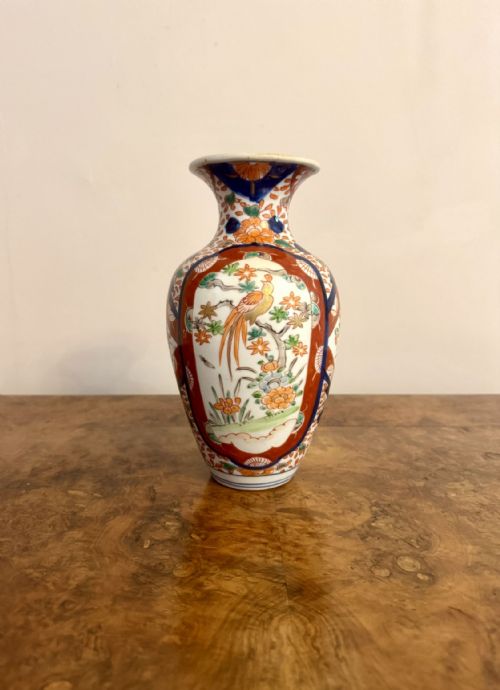
When you search for antique japanese jars, you encounter a diverse selection of ceramic vessels, lidded pots, and ginger jars created primarily during the nineteenth century and the Meiji period. These pieces frequently showcase traditional decorative styles such as Japanese Imari, Satsuma, and Kutani, ranging from small cabinet pieces to large floor-standing containers.
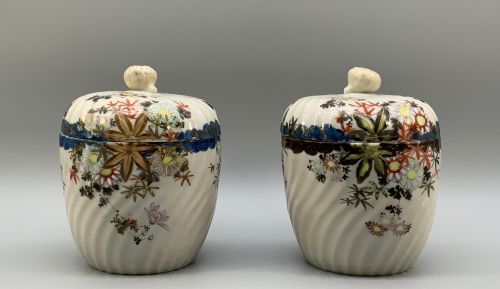
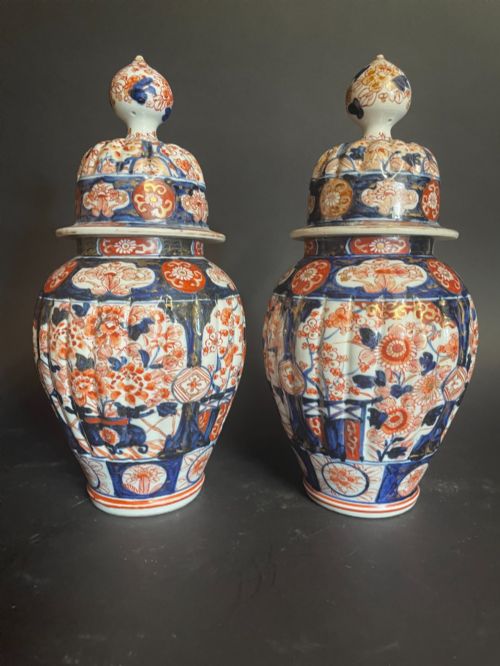
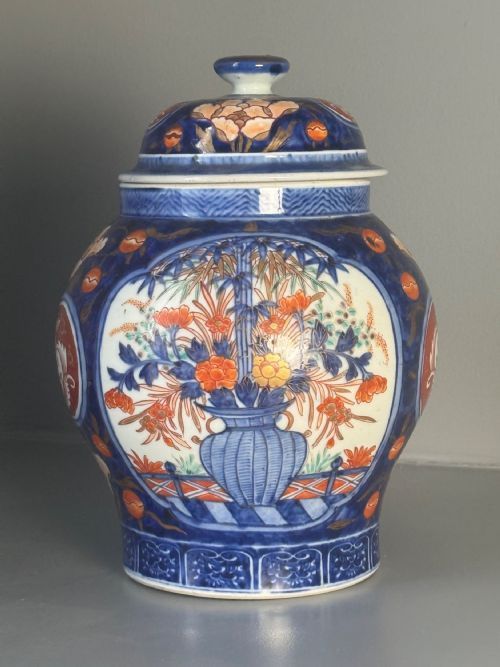
The objects on this page span lidded ginger jars, covered pots, and baluster vases, often found as matched pairs or garnitures. The forms reflect the utilitarian origins of storage vessels transformed into decorative display items for European and domestic interiors.
Makers and regional potteries such as Arita, Satsuma, and Kyoto dominate the material record, utilising porcelain, earthenware, and bronze. Collectors encounter works marked by distinct historical periods, including the late Edo, Meiji, and Taisho-Showa eras.
Materials and production methods
Potters and metalworkers utilised porcelain, earthenware, bronze, and copper as the primary substrates for these vessels, applying glaze, enamel, and gold leaf for surface decoration. Ceramic pieces were thrown or moulded before undergoing high-temperature firing, followed by intricate hand-painting in cobalt blue, iron red, and gilt highlights.
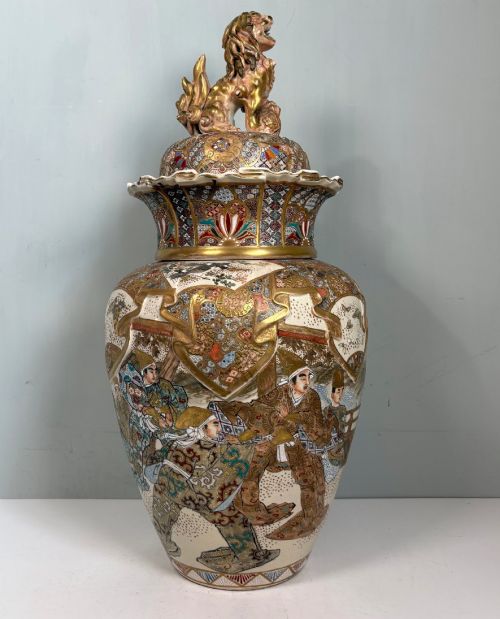
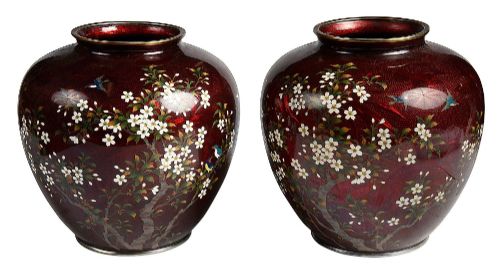
Cloisonné pieces required soldering fine copper or silver wires onto a metal body to form cells, which artisans then filled with enamel pastes before firing and polishing. Satsuma ware relied on a distinctive crackle-glaze earthenware body, painted meticulously with polychrome enamels and raised gold details.
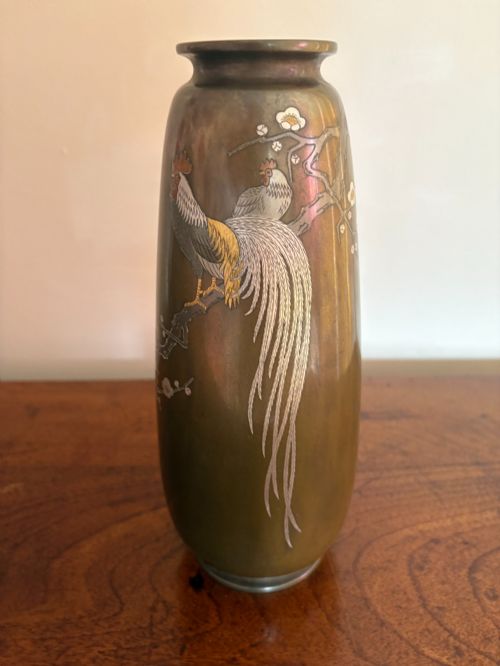
Specialised techniques such as ginbari enamel and inlaid bronze demonstrate the advanced metallurgical skills of Meiji period workshops. Artisans combined precious metals, carved wood bases, and layered glazes to achieve textural depth and chromatic richness.
Several ginger jars still retain their tight-fitting lids after surviving over a century of global travel.
Evaluating craftsmanship and execution
Quality in these vessels depends heavily on the precision of the brushwork, the complexity of the palette, and the fineness of the metallic details. Superior examples exhibit tightly controlled underglaze cobalt painting or flawlessly smooth enamel cells without pitting.
The crispness of moulded or carved relief work distinguishes finer atelier production from standard commercial output. Signed pieces attributed to recognised makers or kilns often demonstrate superior balance in form and composition.
The preservation of original covers and lids significantly influences the integrity of lidded jars and ginger jars. Consistency in the gilding and the absence of firing distortions separate masterwork pieces from simpler utilitarian wares.
KANASAWA·Ando Jubei·Makuzu Kozan·Kinkozan·Tokyo Taizan
The Antique Japanese Jars Glossary
- Imari
- A style of Japanese porcelain decorated in underglaze blue, iron red, and gold. This palette originated in Arita and became widely exported to Western markets.
- Satsuma
- A type of earthenware originating from Satsuma Province, characterised by a fine ivory-coloured crackle glaze and elaborate polychrome enamel decoration.
- Cloisonné
- A metalwork technique where wires are soldered to a base to create compartments filled with enamel. This method produced intricate pictorial designs on vases and jars.
- Kutani
- A style of Japanese porcelain known for bold colours and pictorial designs. Green, yellow, red, purple, and blue pigments frequently dominate the palette.
- Koro
- A traditional Japanese incense burner featuring a perforated lid. These vessels often rest on short legs and share forms similar to lidded jars.
- Garniture
- A set of matching vases or jars designed to be displayed together on a mantelpiece or cabinet. They typically consist of three or five graduated pieces.
Antique Japanese Jars: Frequently Asked Questions
What is a ginger jar?
A ginger jar is a ceramic vessel with a removable lid, originally used in ancient China and later Japan to store spices and salt. Over time, Western collectors repurposed them purely for decorative display.
In the nineteenth century, Japanese kilns produced these jars in large quantities for export, applying traditional Imari and Satsuma patterns to the rounded bodies.
How do I identify Meiji period pieces?
Meiji period vessels typically date between eighteen sixty-eight and nineteen twelve, an era marked by intense artistic experimentation for international exhibition. Look for high technical precision in cloisonné wires, complex gilt Satsuma scenes, or documented signatures.
Many pieces from this time bear workshop marks or artist seals on the base, reflecting the pride of specific Japanese potteries and metalworkers.
What is Arita porcelain?
Arita porcelain refers to wares produced in and around the town of Arita in Hizen province, the historic birthplace of Japanese porcelain production. Kilns in this region supplied the bulk of exported Imari and Kutani wares.
These pieces are known for their refined white paste and durable high-temperature glaze, making them resilient structural canvases for intricate cobalt painting.
How should I display lidded jars?
Lidded jars and ginger jars suit prominent placement on mantelpieces, sideboards, or dedicated display cabinets where their height and colour can be appreciated. Pairs and garniture sets look best arranged symmetrically to balance interior spaces.
Ensure the display surface is stable and protected from direct foot traffic, as these ceramic and bronze vessels remain vulnerable to accidental knocks.
What does a Fukagawa mark mean?
A Fukagawa mark indicates production by the Fukagawa porcelain company in Arita, known for refined painting and modern design sensibilities during the Meiji era. These marks help attribute pieces to specific historic kilns.
Such signatures provide collectors with a clearer understanding of the workshop lineage behind individual sugar bowls, jars, and vases.