
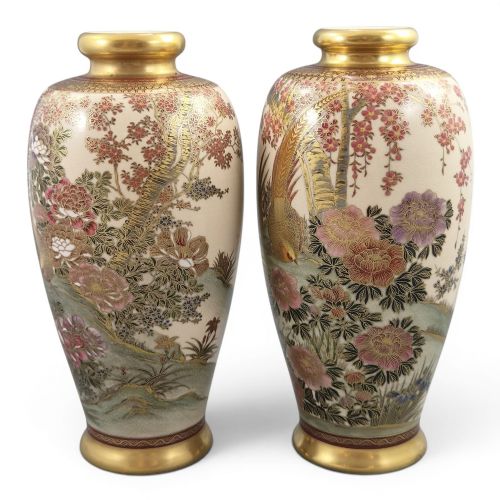
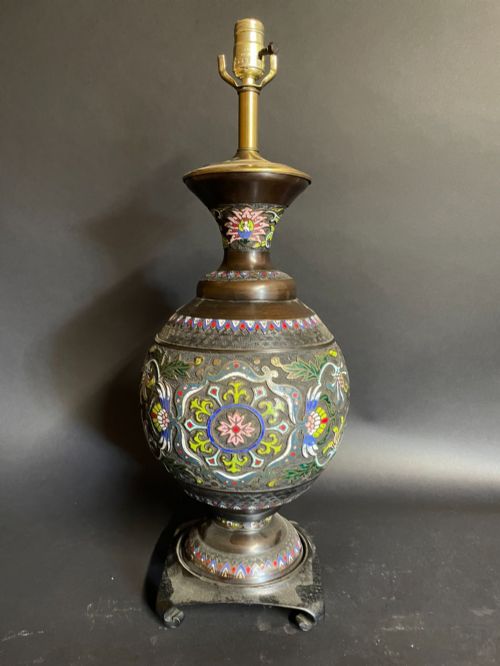


Antique Japanese Floral Vase
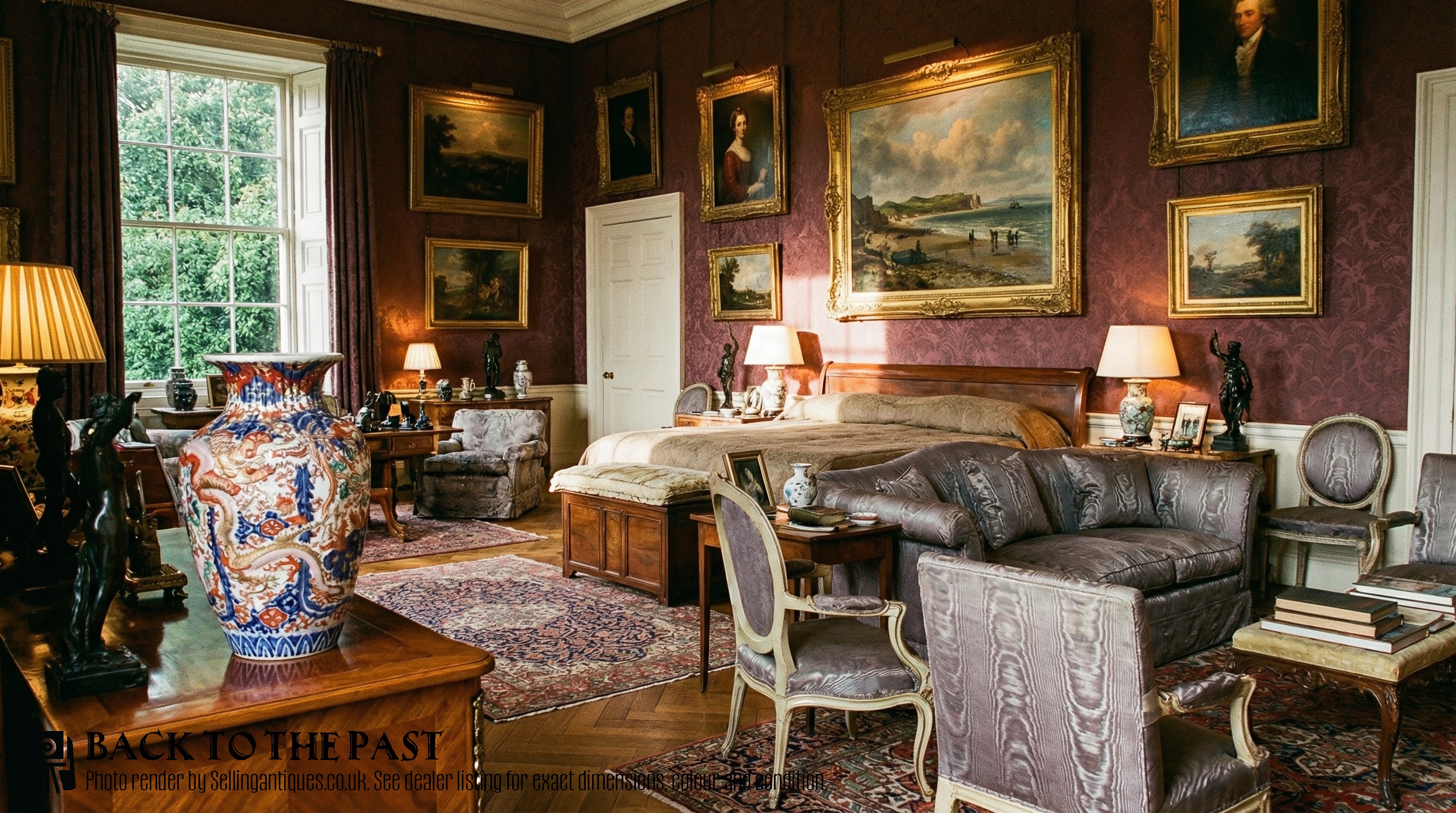
An antique japanese floral vase brings vivid Meiji period botanical artistry and rich traditional palettes directly into a room.
What these pieces are
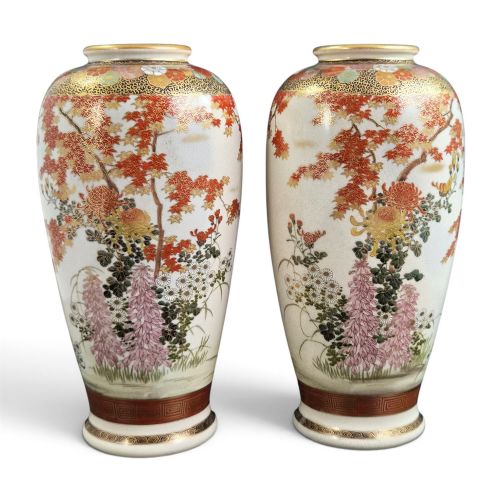
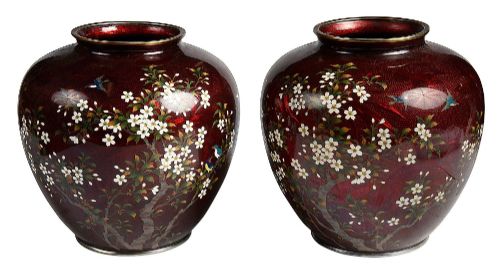
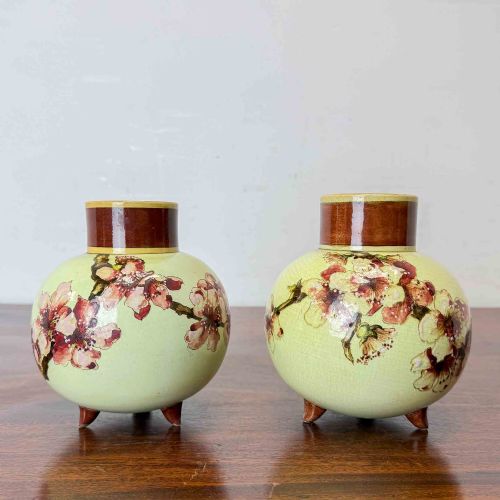
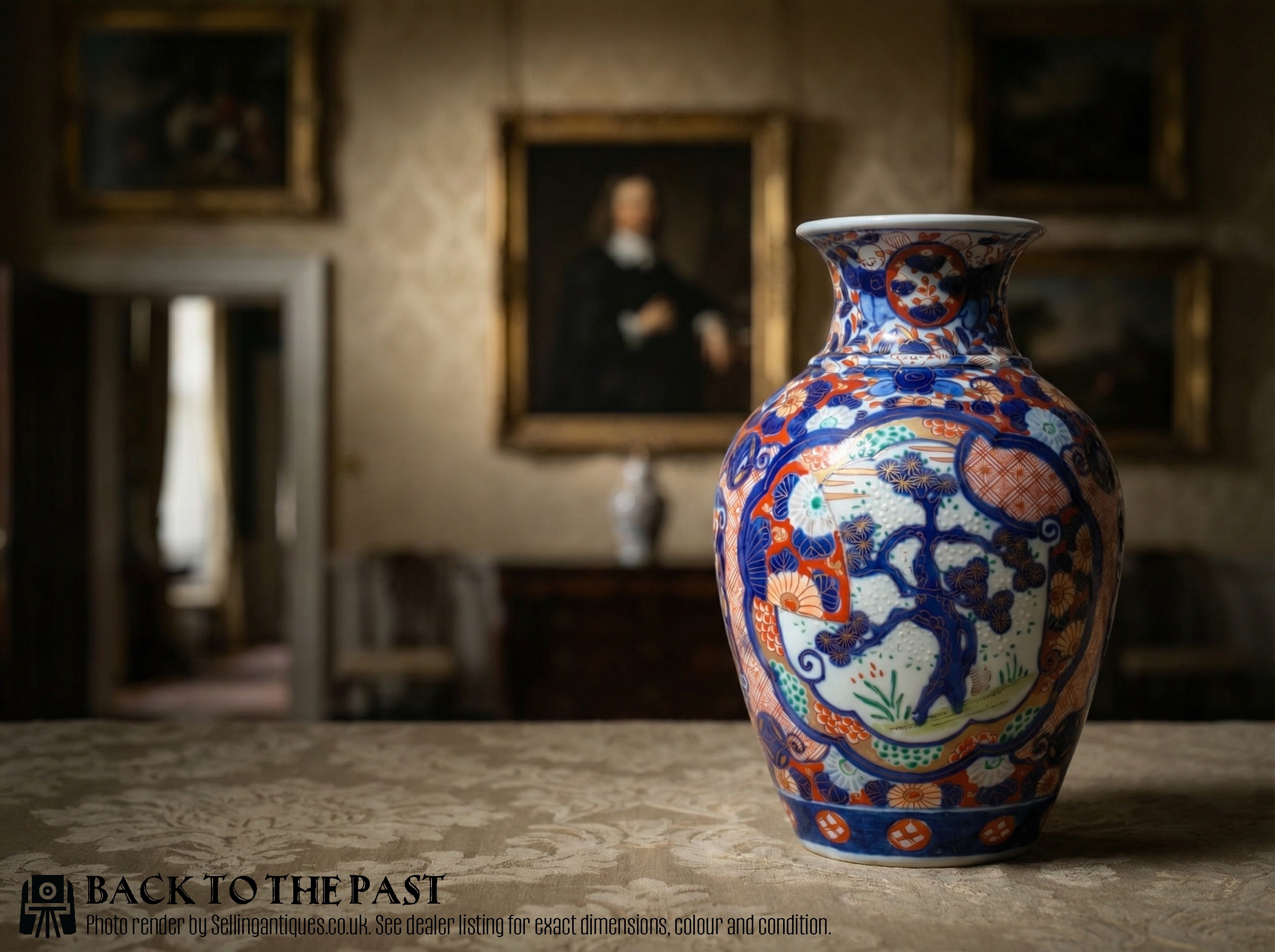
An antique japanese floral vase encompasses decorative vessels created across the nineteenth and early twentieth centuries, featuring distinct botanical motifs. These pieces typically display traditional Japanese Imari, Kakiemon, or cloisonne designs rooted in historical craftsmanship.
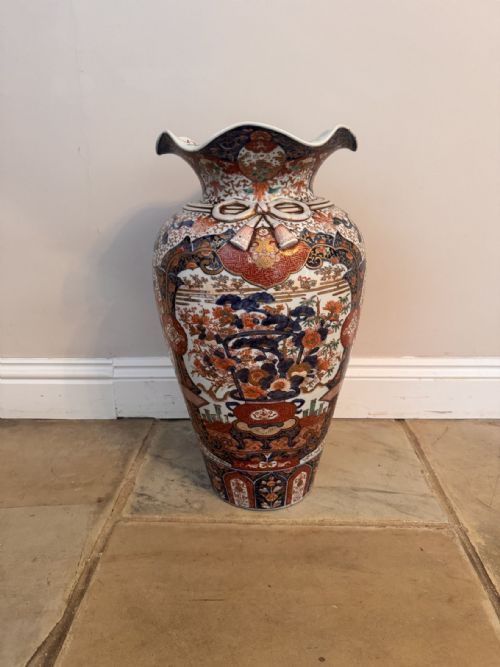
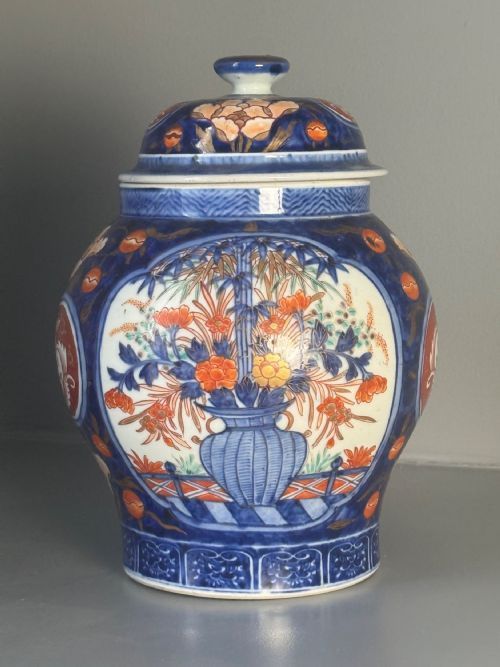
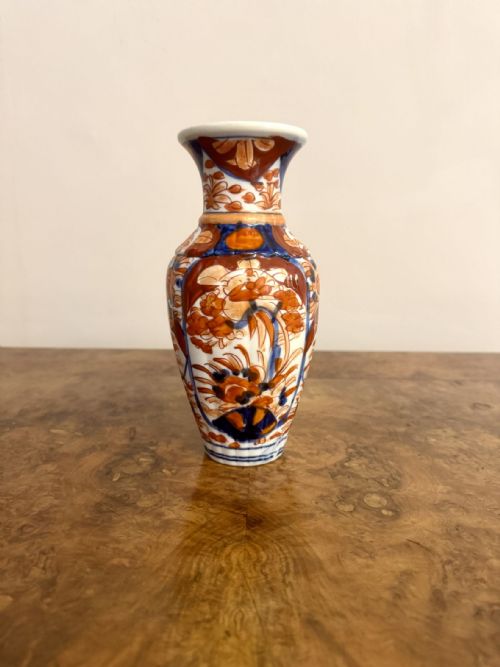
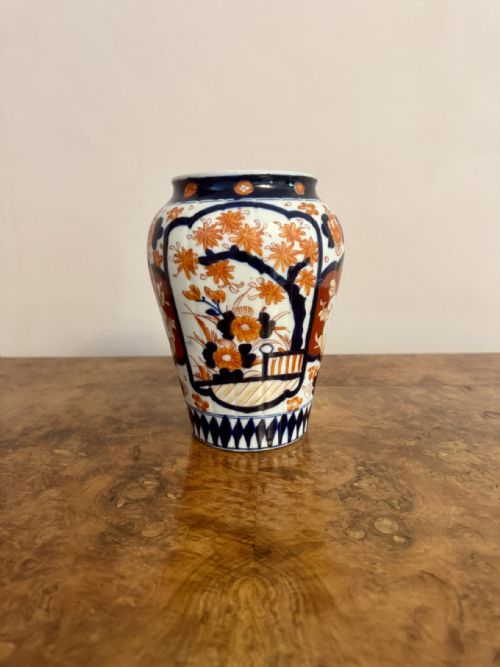
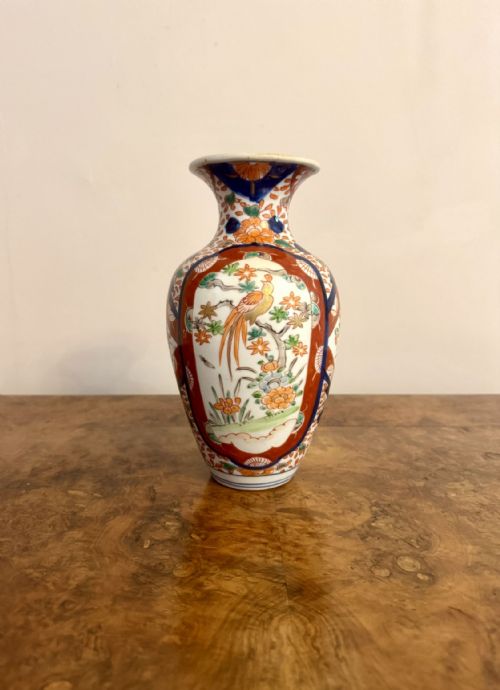
The versions most commonly met on this page include Imari vases from the nineteenth century alongside Edwardian era pieces. Buyers encounter various forms such as double gourd shapes, fluted bodies, and ribbed or moulded vessels.
How they were made
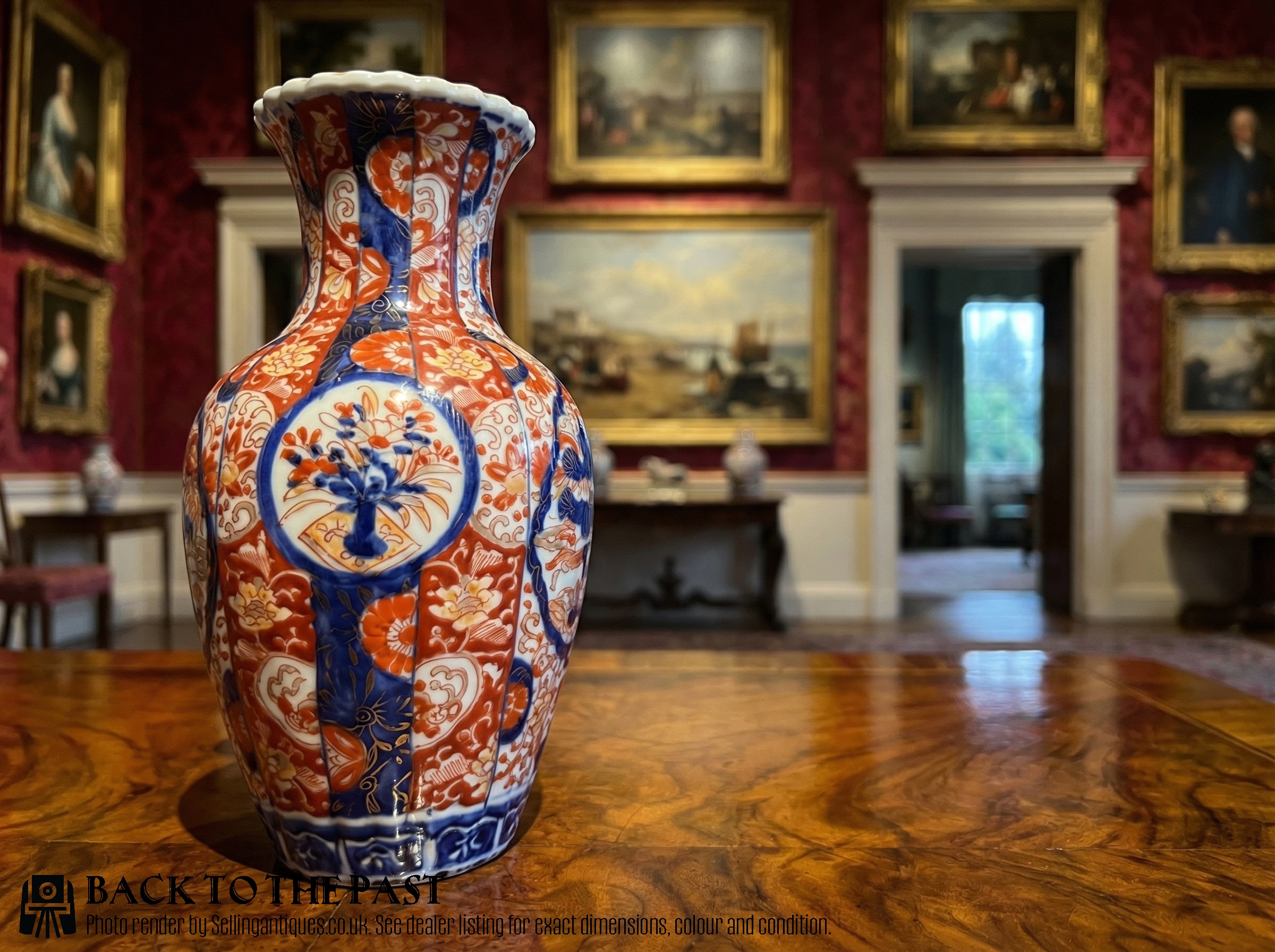
The manufacturing process utilises porcelain and copper as foundational materials, shaped into distinctive vase forms. Enamel and gold leaf are then applied to create intricate floral and decorative patterns across the surface.
Techniques range from traditional ceramic moulding and underglaze or overglaze enamelling to meticulous cloisonne metalwork. These methods demand high levels of artisanal skill to achieve the fine surface detailing seen on the pieces.
Retail Price Guide 2026
Typical UK retail prices for japanese floral vase, calculated from the Sellingantiques database of over a million retail prices indexed since 2003. This retail price guide relies exclusively on Sellingantiques data; no external sources or auction records are used, so the figures do not describe the wider market.
Double gourd vases stack two bulbous sections together, proving that nature's oddest vegetables make the most elegant silhouettes.
What varies in quality
Quality differences emerge in the precision of the enamel work and the refinement of the painted botanical motifs. Superior pieces display crisper lines, more complex colour palettes, and a harmonious balance between the floral design and the vessel form.
The sophistication of the underlying material and the execution of special shapes, such as double gourd profiles or moulded ribs, distinguish finer examples. Masterful handling of gold leaf and enamel depth elevates certain pieces above standard production.
The Antique Japanese Floral Vase Glossary
- Imari
- A traditional style of Japanese porcelain decorated in underglaze blue and overglaze iron red, gold, and green. This palette creates a striking visual contrast on the surface of the vase.
- Cloisonne
- A technique where enamel is applied to compartments made by soldering silver or gold wires on a metal body. It produces a detailed and colourful mosaic effect.
- Kakiemon
- An asymmetric style of Japanese enamel decoration known for its milky white porcelain background and refined floral motifs. It represents an understated approach to ceramic artistry.
- Double gourd
- A traditional vase shape formed by two stacked bulbous sections resembling a fruit. This balanced silhouette holds significant cultural symbolism in Japanese design.
Frequently Asked Questions
How were antique japanese floral vases used?
These vessels functioned primarily as decorative art objects within traditional interiors, often displayed in tokonoma alcoves or prominent living spaces. They held seasonal floral arrangements or stood alone to showcase their painted botanical designs.
Over time, many of these pieces transitioned into collector items displayed on mantelpieces or cabinets. Their intricate enamel and gold leaf decoration made them focal points in nineteenth and early twentieth century rooms.
How do I care for my antique vase?
Cleaning requires only a gentle wipe with a soft, dry cloth to remove dust from the porcelain or cloisonne surface. Avoid using harsh chemical cleaners or abrasive materials that could damage the delicate enamel and gold leaf.
Keep the vessel out of direct sunlight to prevent any fading of the traditional Imari or Kakiemon colours. Place the vase on a stable, flat surface away from high traffic areas to protect its structure.
What is the difference between Imari and Kakiemon?
Imari wares are characterised by a rich and dense palette featuring underglaze blue, iron red, and gold leaf. The designs are often bold and highly detailed, covering much of the porcelain surface.
Kakiemon pieces utilise a cleaner, milky white porcelain background with more restrained and asymmetric floral motifs. This style focuses on delicate spacing and a lighter touch with the enamel colours.