


Antique Japanese Decorative Bronze
These antique japanese decorative bronze objects combine meticulous metalwork and centuries-old foundry traditions, offering distinct focal points for interior spaces.
Antique Japanese Decorative Bronze
When searching for antique japanese decorative bronze, collectors encounter vessels and ornaments spanning the Edo and Meiji periods through the early twentieth century. The selections available here heavily favour vases, chargers, and planters produced during the late nineteenth century.
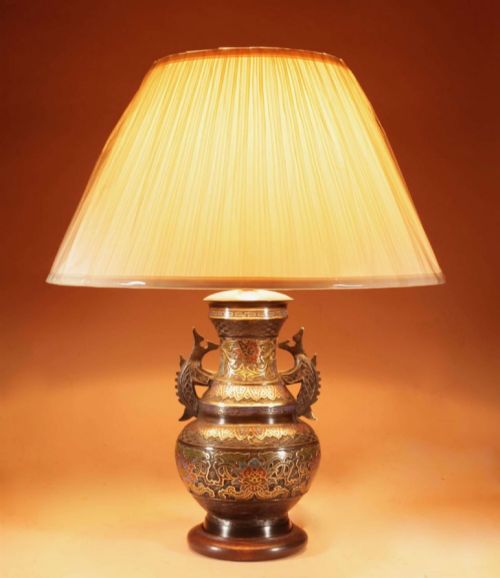
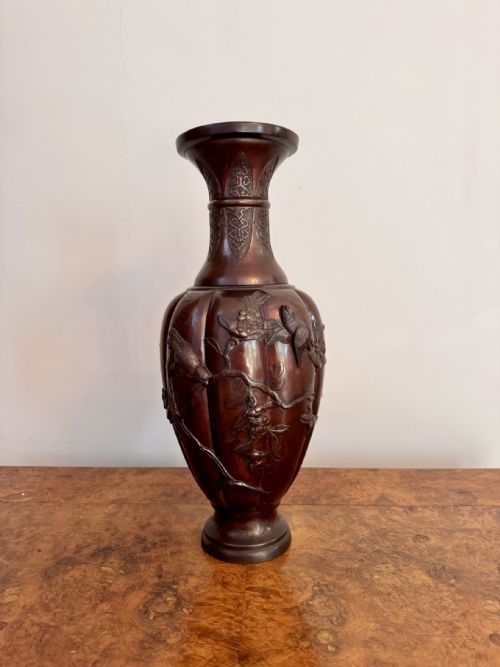
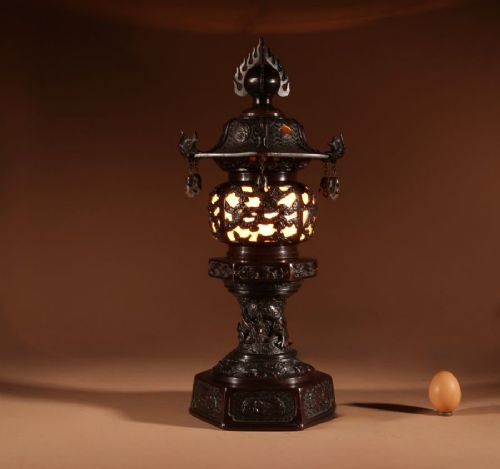
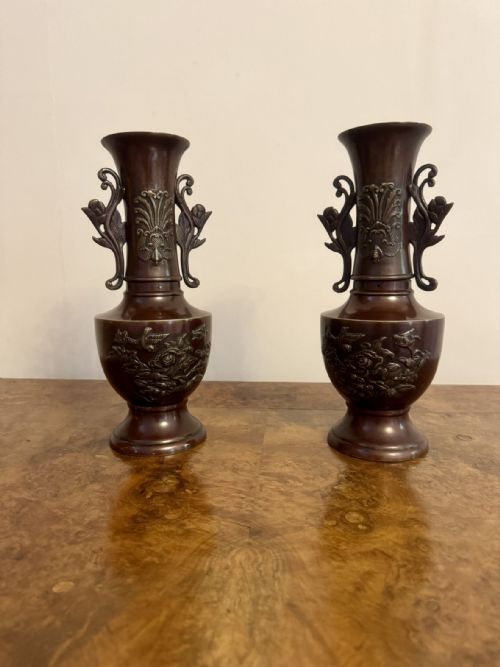
Vessels range from slender baluster urns and twin-handled forms to massive decorative jardinieres and large table lamps. These pieces demonstrate the transition from traditional craftsmanship to the international exhibition wares of the Meiji era.
Materials and construction methods
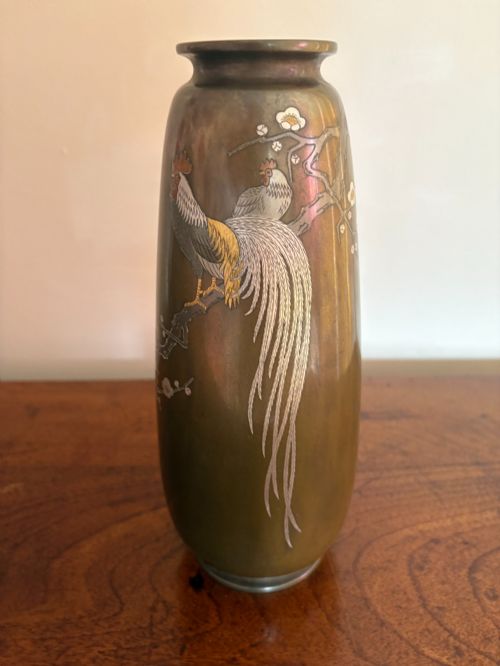
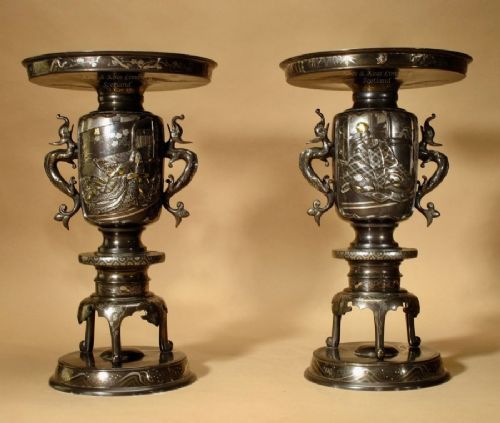
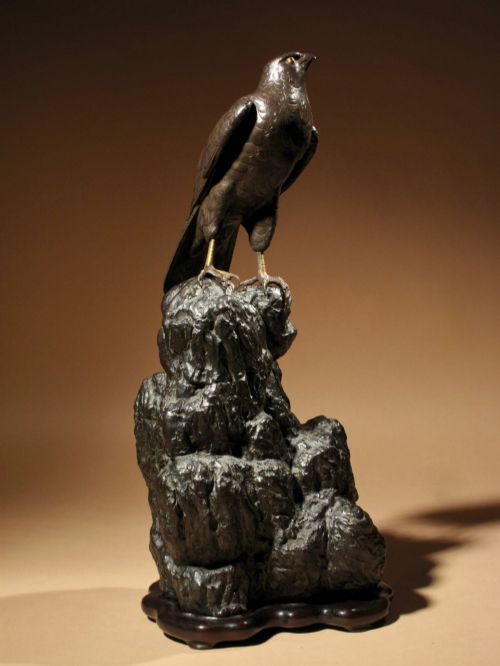
Foundries utilised bronze alongside brass and copper, frequently employing patinated surfaces to achieve deep brown or black tones. Inlaid elements, mixed metals, and champlevé or cloisonné enamel details added colour and texture to the metallic bodies.
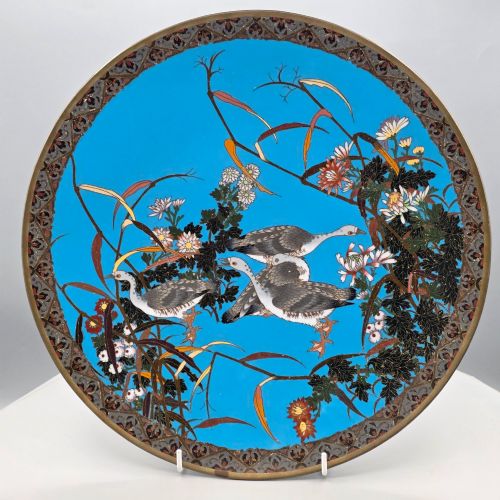
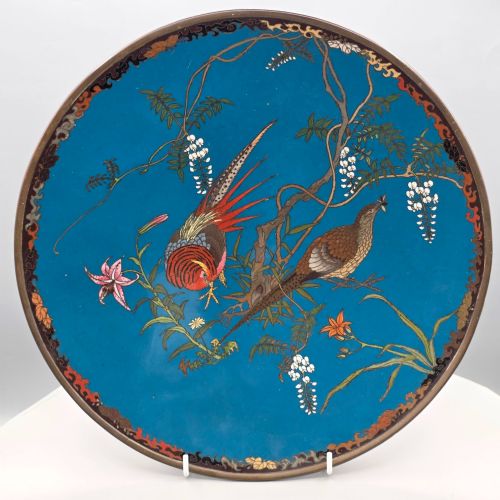
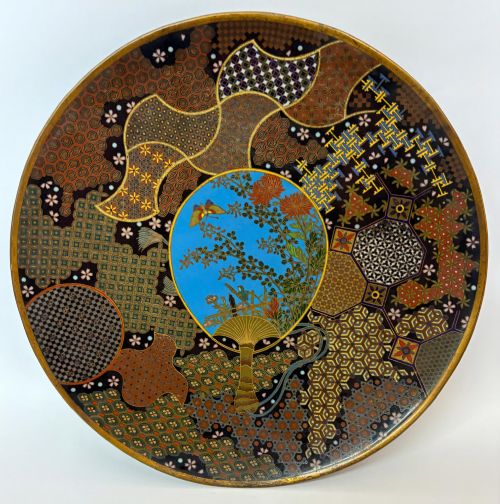
Artisans applied fine wirework cells to create intricate cloisonne enamel designs depicting birds, blossoms, and dragons. Many pieces incorporate signature panels, demonstrating the specialised skills of master metalworkers and enamel workshops.
Listings feature items spanning the eighteenth through the early twentieth centuries, encompassing Edo, Meiji, and Victorian periods.
Distinctions in execution and design
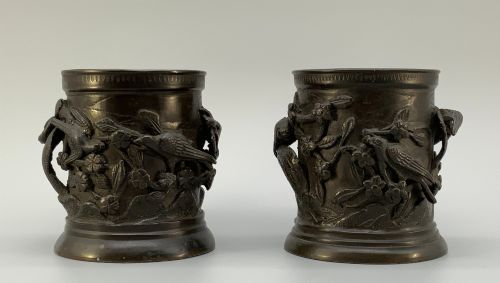
Quality rests upon the crispness of the casting and the precision of any inlay or enamel work. Finer examples display balanced proportions, clean relief details, and controlled patination rather than hasty finishing.
Signed works and pieces associated with known makers generally exhibit superior attention to detail in motifs such as feathers, scales, and floral arrangements. The complexity of the wirework in cloisonne items also separates standard production wares from ambitious masterworks.
KANASAWA·Haruyama Shunzan·Kizan·Kinkozan
The Antique Japanese Decorative Bronze Glossary
- Meiji Period
- The era spanning from 1868 to 1912, characterised by opening trade and exceptional decorative metalwork. Pieces from this time often display intricate surface decoration and naturalistic motifs.
- Cloisonne
- A technique where flat metal wires are soldered to a metal body to form compartments, which are then filled with enamel paste and fired. This method creates colourful pictorial designs across vases and chargers.
- Champleve
- A process where troughs or cells are hollowed directly into the thick bronze surface and filled with enamel before firing. It yields bolder, recessed patterns compared to wire-based cloisonne.
- Jardiniere
- A large decorative pot or planter designed to hold plants or floral arrangements. In bronze, these often feature heavy handles or relief panels.
- Charger
- A large ornamental plate intended for display on a wall or stand rather than for dining. These frequently showcase elaborate scenic or animal compositions.
Antique Japanese Decorative Bronze: Frequently Asked Questions
How do I date these bronzes?
Dating relies on stylistic markers, manufacturing techniques, and historical periods such as the Edo or Meiji eras. Pieces from the late nineteenth century often reflect the surge in export production following the opening of trade.
Examining the depth of the patina, signature panels, and the complexity of any enamel work helps narrow down the decade of production.
What is the difference between vases and urns?
Vases generally feature narrower necks designed for holding cut stems or standing alone as sculptural elements. Urns and koro often include covers, wider bodies, or multiple handles intended for ritual or decorative display.
Both forms utilise similar bronze casting and patination methods but serve different visual weights within a room.
Where were these objects displayed?
In nineteenth-century European and Japanese interiors, large chargers hung on walls on specialised wire brackets, while vases and censers sat on mantelpieces and side tables. Jardinieres were placed on pedestals or tables to house large indoor plants.
Table lamps represent later adaptations where historical bronze vessels were converted for electrical illumination.
How do I care for antique bronze?
Maintenance requires only gentle dusting with a soft, dry cloth to protect the original patination and enamel surfaces. Avoid harsh chemical cleaners, polishes, or abrasive cloths that can strip away the historic finish.
Keeping pieces away from direct sunlight and excessive moisture preserves the stability of both the metal and any inlaid elements.