




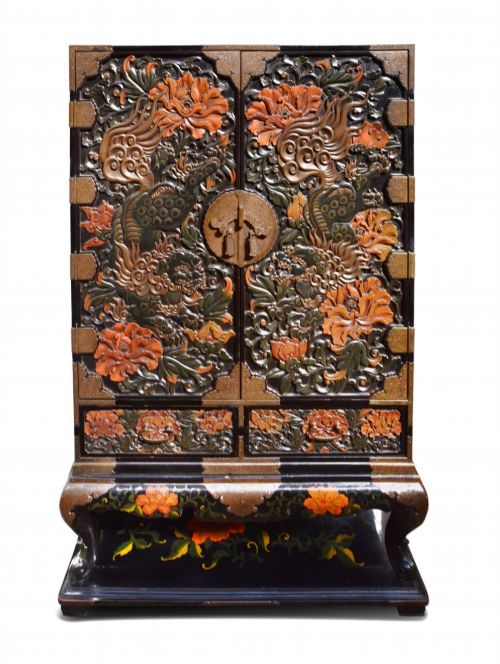


Antique Japanese Cupboard
An antique japanese cupboard brings rich lacquer, intricate joinery and striking form into a room.
Antique Japanese Cupboard
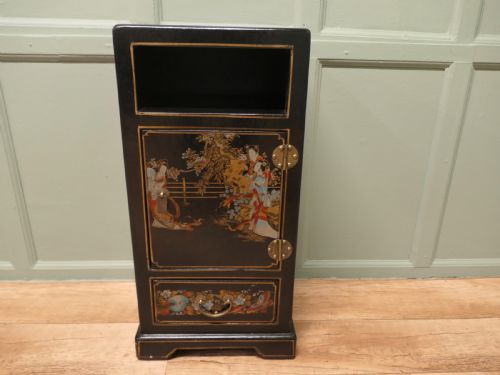
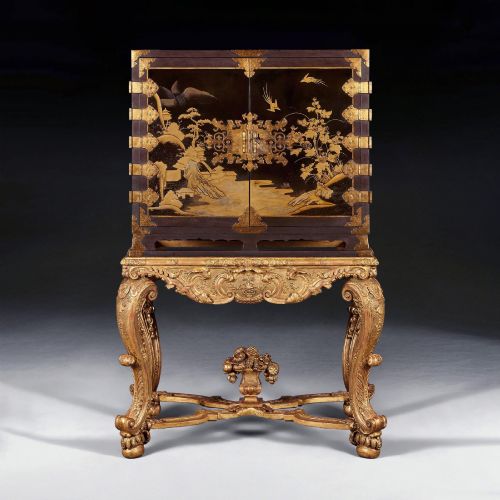
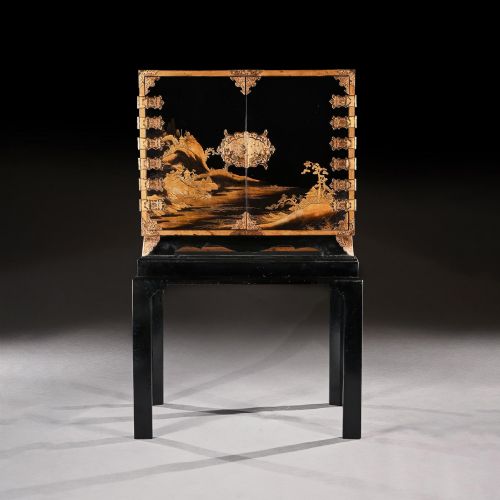
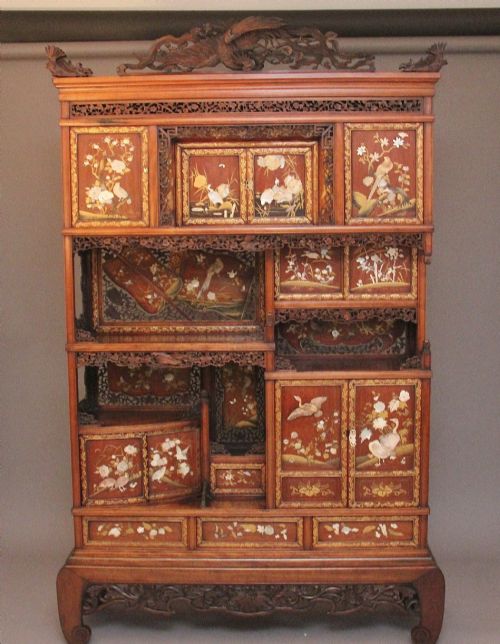
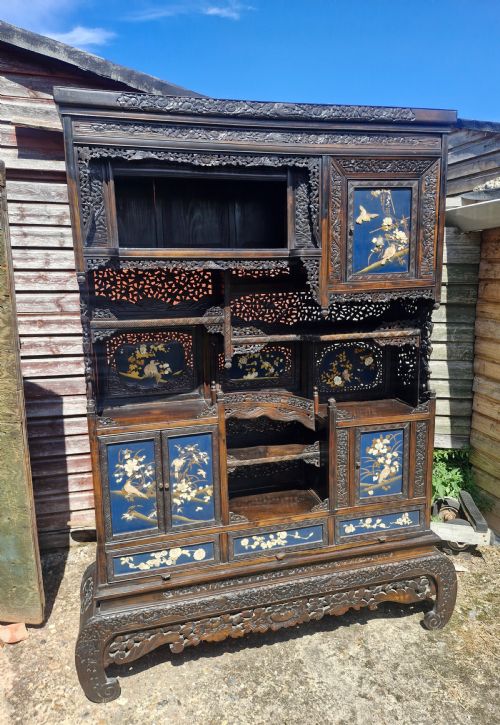
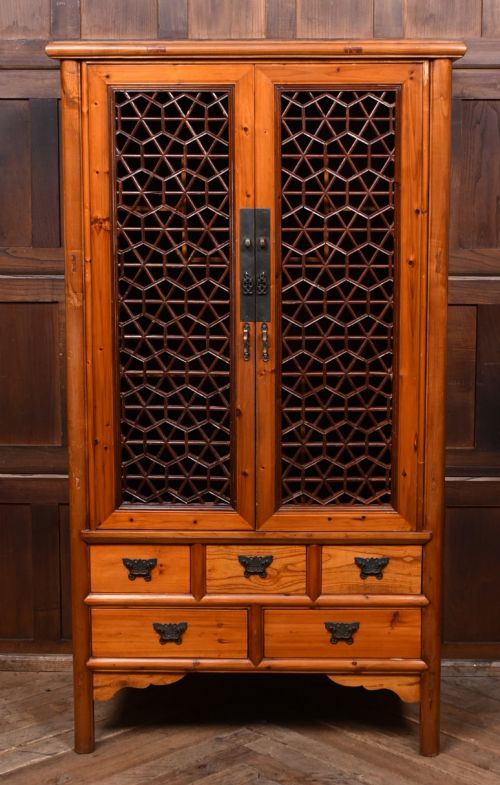
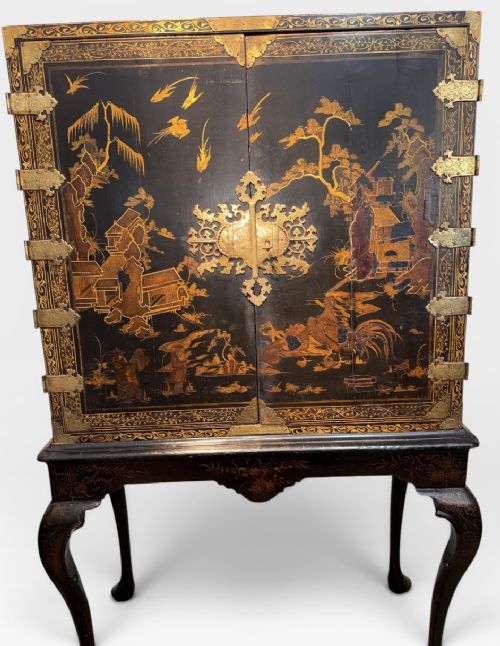
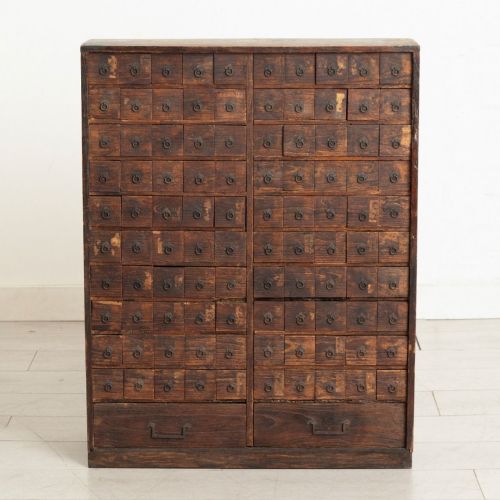
When you search for an antique japanese cupboard, you are looking at storage pieces spanning from the seventeenth century through to the taisho period. These range from utilitarian kitchen tansu and merchant chests to elaborate shodana display cabinets and lacquer cabinets on stands.
The version you are most likely to meet on this page is the nineteenth century tansu chest or meiji period cabinet. These pieces combine practical compartments with traditional joinery, often fashioned from elm, keyaki or hardwood.
Makers and workshops across the periods produced everything from table top cabinets to large step chests, known as kaidan tansu. Each object reflects the domestic storage needs or export tastes of its era.
Materials and Construction
Wood forms the primary structure of these pieces, utilising native timbers such as elm, hardwood and keyaki alongside walnut in anglo-japanese adaptations. Cabinet makers applied layers of lacquer, gold leaf and cinnabar to achieve deep, durable surface finishes.
Metal hardware plays an essential role in construction and decoration. Iron and brass feature heavily as strapwork, corner brackets and decorative lock plates that secure and reinforce the wooden panels.
Antique Japanese Cupboard Retail Price Guide 2026
Typical asking prices for japanese cupboard among the pieces listed under this phrase on Sellingantiques today, from the lower quarter to the upper quarter. They describe what is for sale here now, not the wider market.
Some step chests double as staircases, proving that seventeenth-century storage could also help you reach the loft.
Judging Quality and Execution
Quality rests in the precision of the joinery and the depth of the surface decoration. Fine lacquer work demands meticulous layering and polishing, while lesser pieces show wear or flat surfaces without the same reflective sheen.
The integrity of the original metal hardware and the selection of timber distinguish superior examples. Cabinets retaining original keyaki or dense hardwood frames demonstrate greater skill than those constructed with softer secondary woods.
Maples and Co·Gabriel Frederic Viardot·Beurdeley
The Antique Japanese Cupboard Glossary
- Tansu
- A traditional Japanese mobile storage chest or cabinet used for various domestic purposes. These range from merchant chests to kitchen storage units.
- Shodana
- A type of Japanese display cabinet featuring asymmetrical shelving and small cupboards. They typically date from the meiji period.
- Kaidan Tansu
- A step chest designed to serve as both a staircase and storage space in traditional Japanese homes. Each step opens into a drawer or cupboard.
- Keyaki
- A species of Japanese elm highly prized for its grain and durability in traditional cabinet making. It frequently appears in merchant and tansu chests.
- Cinnabar
- A bright scarlet mineral pigment carved in layers over a wooden core to create relief patterns on decorative cabinets. It provides a distinctive textured surface.
Antique Japanese Cupboard: Frequently Asked Questions
How do I identify a shodana?
A shodana is a display cabinet characterised by its asymmetrical arrangement of shelves, sliding doors and small compartments. They became popular during the meiji period.
These cabinets were designed to showcase art objects and ceramics rather than store bulk items.
What is a kaidan tansu used for?
A kaidan tansu is a step chest built to function as both a staircase and a storage unit. They were placed in traditional homes to access loft spaces.
Each step incorporates a drawer or cupboard door, making efficient use of compact living areas.
How do I care for lacquer furniture?
Lacquer surfaces require gentle treatment to maintain their finish. Keep them away from direct sunlight and extreme temperature changes.
Dust regularly with a soft, dry cloth and avoid chemical polishes that can damage the delicate surface.