

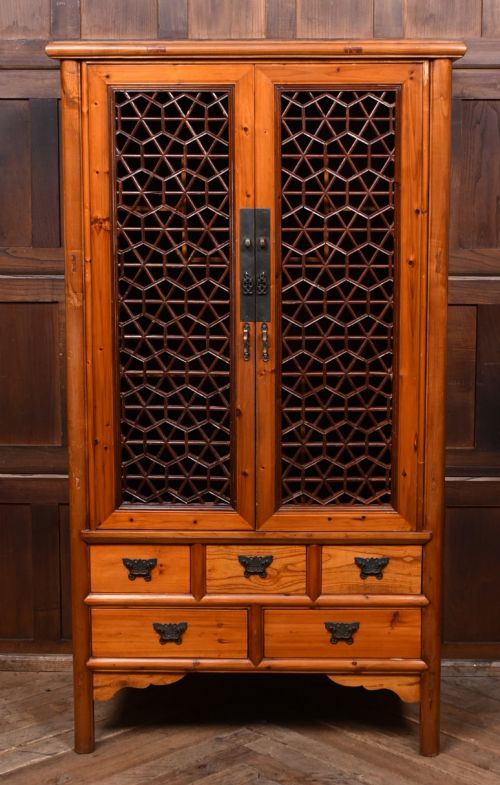


Asian Wooden Storage Cabinet
An asian wooden storage cabinet brings practical depth and centuries of regional craftsmanship into a modern interior.
Asian Wooden Storage Cabinet
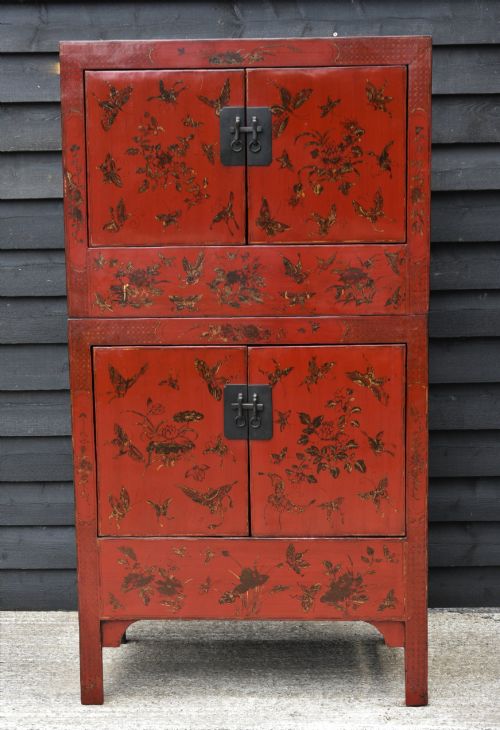
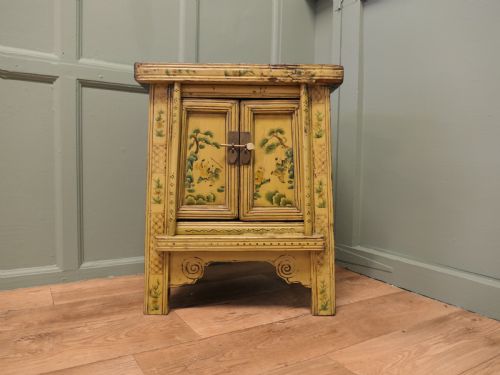
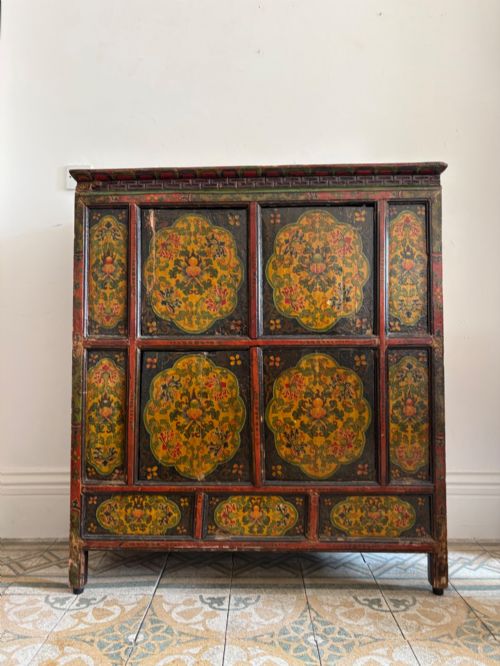
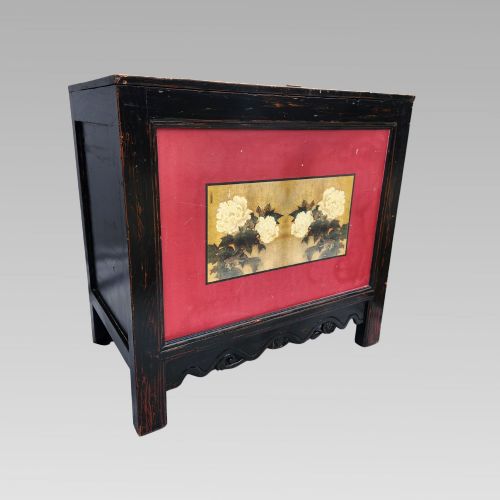
When you search for an asian wooden storage cabinet, you encounter a diverse array of regional furniture types spanning several centuries. The selection on this page leans heavily towards nineteenth-century examples, including Japanese tansu chests, Chinese lacquered cupboards, and Korean storage chests.
Buyers frequently find functional forms such as side cabinets, larder cupboards, and multi-drawer merchant chests designed for domestic organisation. These pieces range from monumental wedding cabinets to compact tabletop chests originating from specific provinces and periods.
Traditional styles represented here include Qing Dynasty works, Meiji period Japanese woodwork, and Joseon style Korean chests. Each piece reflects the specific domestic requirements and aesthetic traditions of its maker and era of origin.
Materials and construction
Construction relies upon traditional timber selection, with eastern elm, cedar, keyaki, camphor wood, and pine forming the structural core of these cabinets. Joinery techniques prioritise durable framing to support heavy domestic storage demands without relying on modern fixings.
Surface finishes include applied red, black, and polychrome lacquer, alongside hand-painted floral chinoiserie and carved wood decorations. Many examples incorporate contrasting metal hardware such as brass and iron plates, hinges, and corner brackets to reinforce the timber and secure the drawers.
Asian Wooden Storage Cabinet Retail Price Guide 2026
Typical asking prices for asian wooden storage cabinet among the pieces listed under this phrase on Sellingantiques today, from the lower quarter to the upper quarter. They describe what is for sale here now, not the wider market.
Several chests feature cunning secret compartments designed generations ago to keep household ledgers and family valuables safely out of sight.
Assessing quality
Quality rests upon the integrity of the original timber frame, the crispness of any carving, and the preservation of authentic surface finishes like lacquer or paint. Pieces retaining their original hardware show superior craftsmanship compared to those with later replacements.
Structural refinement also dictates value, seen in the precision of the joinery within drawer construction and the harmonious balance of proportions. Examples featuring detailed inlaid elements or intricate hand-painted decoration demonstrate a higher order of specialist artisan skill.
The Asian Wooden Storage Cabinet Glossary
- Tansu
- Traditional Japanese mobile storage chests built primarily for domestic organisation and merchant use. They often feature multiple internal drawers and substantial iron or brass hardware.
- Chinoiserie
- European-derived artistic styles that imitate Chinese artistic traditions. These decorative schemes appear on various nineteenth-century cabinets.
- Lacquer
- A durable resin finish applied to wooden surfaces in multiple layers. It provides both a protective barrier and a deep, polished decorative sheen.
- Keyaki
- Japanese zelkova wood utilised for high-quality furniture framing. It offers a pronounced grain pattern and considerable structural resilience.
- Burr elm
- Timber featuring distorted grain growths that create complex, highly figured patterns. Cabinet makers prize this wood for decorative drawer fronts and panel inserts.
Asian Wooden Storage Cabinet: Frequently Asked Questions
How were tansu chests originally used?
These Japanese storage pieces served multiple domestic functions, from storing clothing and bedding to housing account books and merchant goods.
Their modular design allowed owners to stack units or transport them easily during fires or household relocations.
Where should I place a lacquer cabinet?
Lacquered storage pieces perform best in rooms with stable humidity and away from direct sunlight, which can fade pigmented finishes and delicate painted details.
Position them against interior walls where their decorative surfaces can serve as a distinct focal point in a living room or hallway.
Can these cabinets hold heavy items?
Traditional wooden storage furniture was engineered from dense regional timbers like elm, cedar, and teak to withstand heavy daily domestic use.
The robust internal framing and deep drawers make these cabinets well suited for modern storage needs such as tableware, linens, or media equipment.