

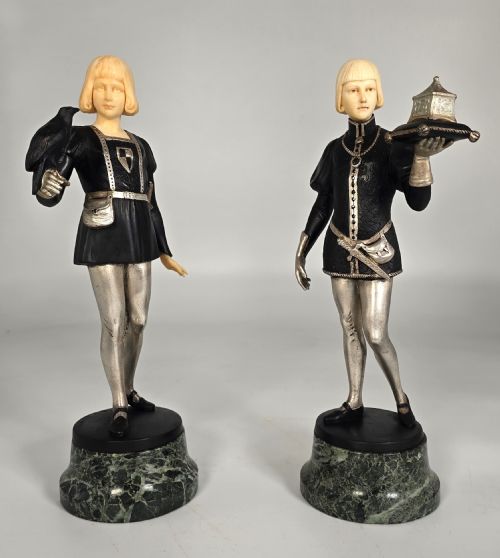


Antique Ivory Statue
These antique ivory statue examples span Victorian models to Art Deco chryselephantine figures, offering collectors distinct sculptural forms to acquire.
Antique Ivory Statue
An antique ivory statue encompasses diverse sculptural forms, from Victorian classical figures to Art Deco chryselephantine works. These pieces often combine ivory with materials such as bronze or porcelain.
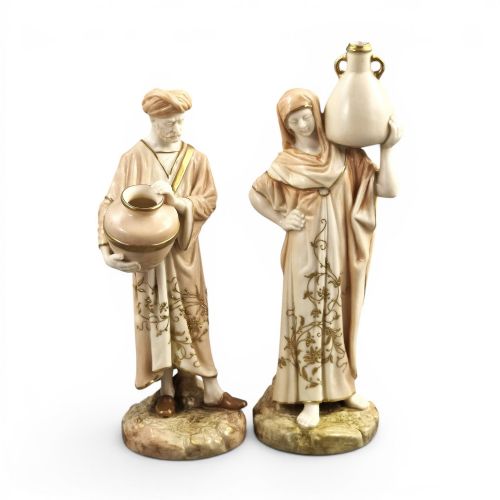
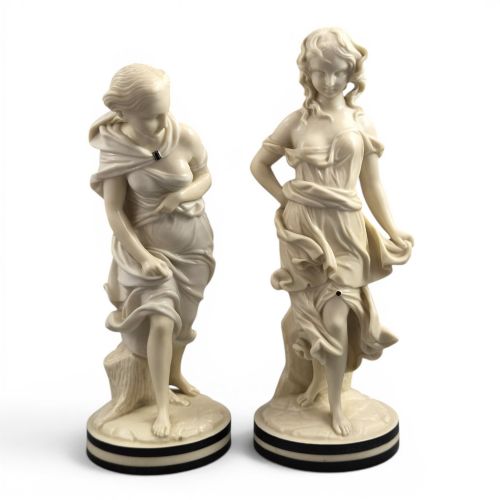
Buyers frequently encounter Royal Worcester figurines alongside Japanese bronze works and European chryselephantine sculptures. The selection ranges from nineteenth century orientalist subjects to modernist flapper girls.
How they were made
Maker studios utilised carved ivory alongside cast bronze, porcelain, and enamel details. Gilt, gilding, and gold leaf frequently enhance the surfaces.
Chryselephantine technique combines metal casting with carved ivory sections for faces and hands. Porcelain pieces utilise shot enamel and painted decoration on ceramic bodies.
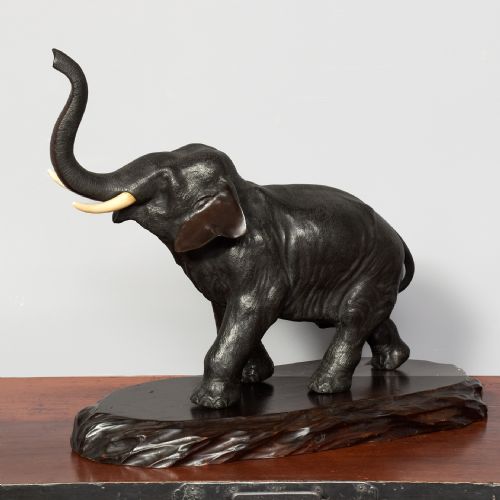
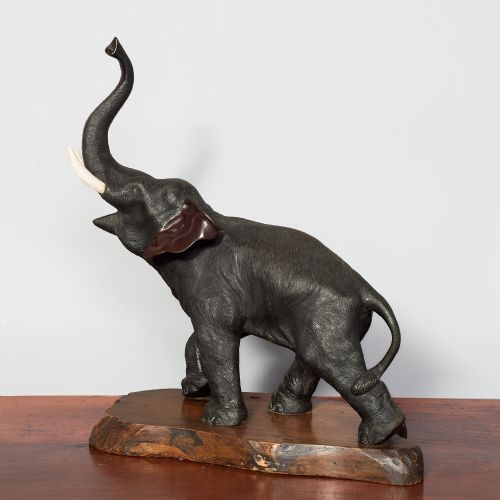
Certain bronze elephants carry real ivory tusks alongside diamond eyes, combining natural history with quiet luxury.
What varies in quality
Sculptural definition and the precision of carved details distinguish finer works from standard production. Artisanal execution in the metal casting or ceramic body determines the overall success of the piece.
The integration of mixed materials, such as diamond eyes or complex patination, elevates specific examples. Preservation of delicate ivory components and original surface finishes dictates desirability.
James Hadley·Gotthilf Jaeger·Paul Philippe·Demetre Chiparus·Kerr and Binns·Royal Dux
The Antique Ivory Statue Glossary
- Chryselephantine
- A sculpture made from a combination of bronze and ivory. This method gained prominence during the Art Deco period.
- Shot Enamel
- A type of ceramic glaze that produces an iridescent or shifting colour effect. It appears on several early twentieth century porcelain figures.
- Meiji Period
- The era in Japanese history from 1868 to 1912. Works from this time often feature intricate bronze and ivory combinations.
- Neoclassical Revival
- An artistic movement drawing inspiration from classical antiquity. Figures in this style often depict Greek or Roman subjects.
Antique Ivory Statue: Frequently Asked Questions
What is an antique ivory statue?
An antique ivory statue is a carved sculptural object produced during the nineteenth or early twentieth centuries. These items range from standalone ivory carvings to chryselephantine figures that combine ivory with bronze.
Buyers encounter various regional styles, including Japanese Meiji period works and European Art Deco sculptures. Many pieces also integrate porcelain and enamel elements.
How do I care for these pieces?
Maintaining an antique ivory statue requires stable environmental conditions with moderate humidity. Fluctuations in temperature can cause natural materials to crack.
Keep pieces away from direct sunlight to prevent discolouration. Dust gently with a soft, dry cloth without applying harsh cleaning agents.
How do I identify Art Deco pieces?
Art Deco pieces typically date from the 1920s and 1930s. They often feature stylised human forms, such as dancers or flapper girls, rendered in chryselephantine bronze and ivory.
These sculptures emphasise geometric lines and theatrical poses. Signatures from makers like Chiparus or Philippe frequently appear on the base.
What are Royal Worcester figures?
Royal Worcester figures are British porcelain sculptures produced by the famous Worcester factory. Many nineteenth century examples were modelled by designers such as James Hadley.
Subjects include orientalist water carriers, classical maidens, and figures from the Indian Craftsmen series. Some incorporate blush ivory glazes with gilt highlights.