
Antique Italian Urns
Antique italian urns bring classical form and monumental presence to a room, ranging from grand tour marble tazzas to vibrant majolica vessels.
Antique Italian Urns
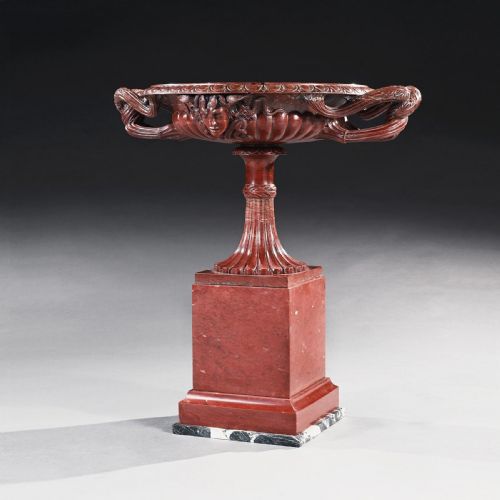
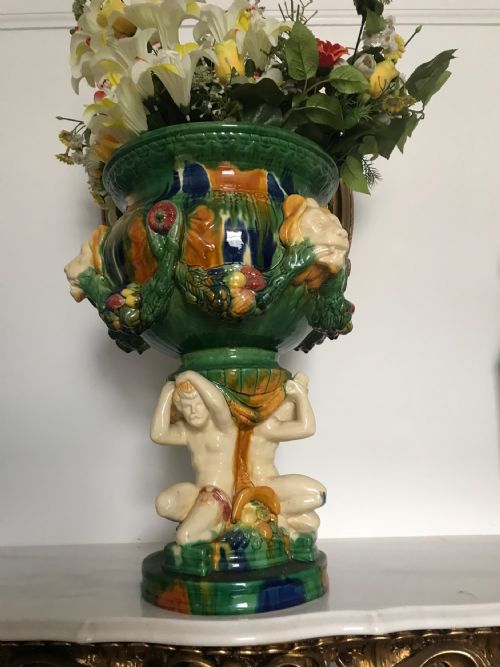
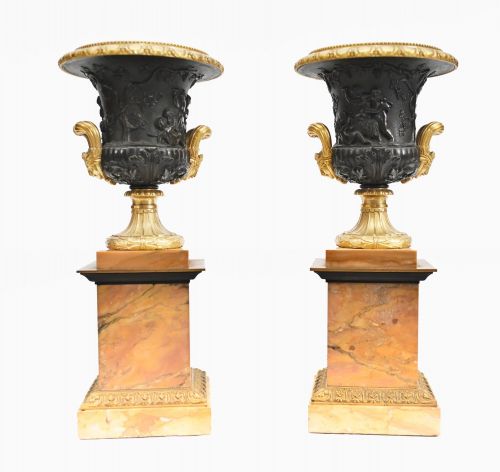
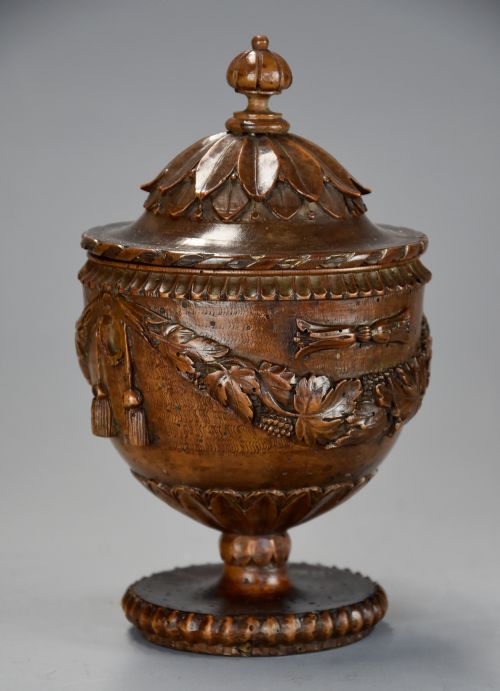
When you search for antique italian urns, you encounter a diverse group of ornamental vessels shaped by classical antiquity and later revivals. The selection spans carved stone table pieces, tin-glazed earthenware, and cast bronze works designed for display.
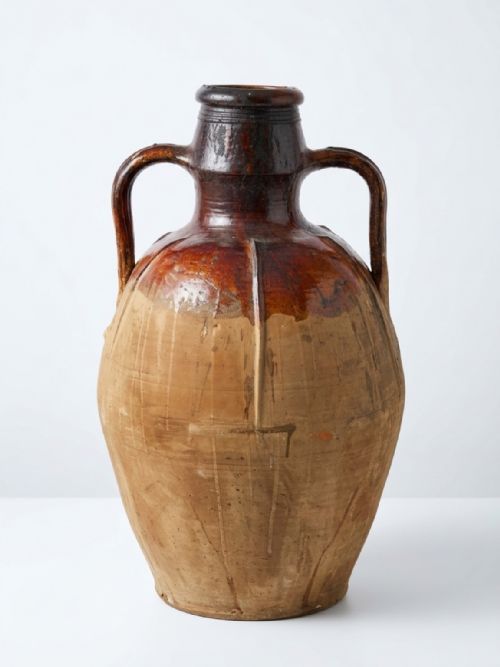
You are most likely to meet nineteenth-century grand tour souvenirs alongside earlier majolica pieces and heavy terracotta garden jars. These objects reflect centuries of craftsmanship rooted in classical design traditions across Italy.
The forms vary from lidded campana shapes and shallow tazzas to large wine jars and decorative planters. Many draw directly upon archaeological discoveries from sites like Pompeii and Rome.
Materials and methods
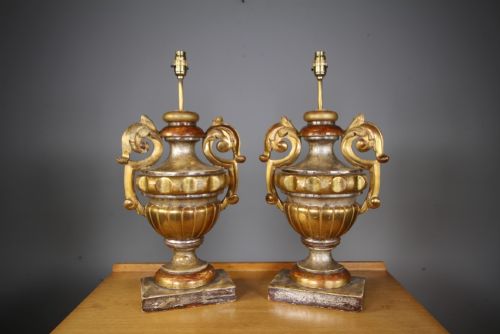
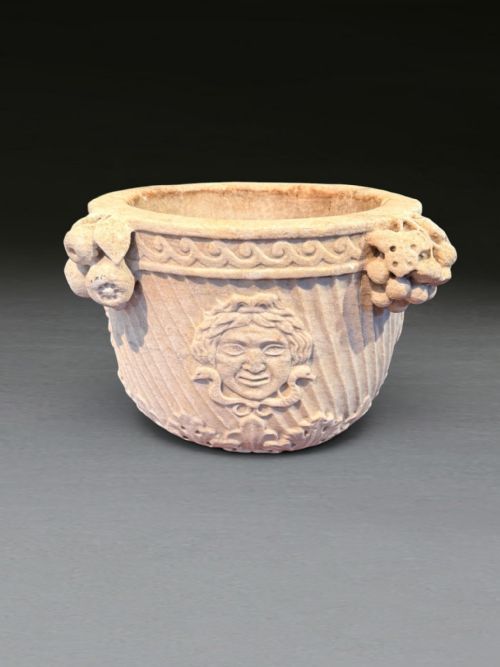
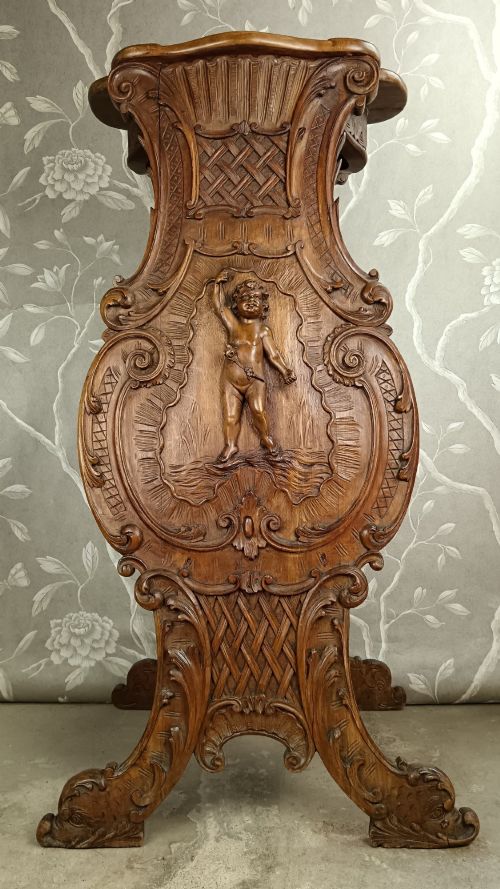
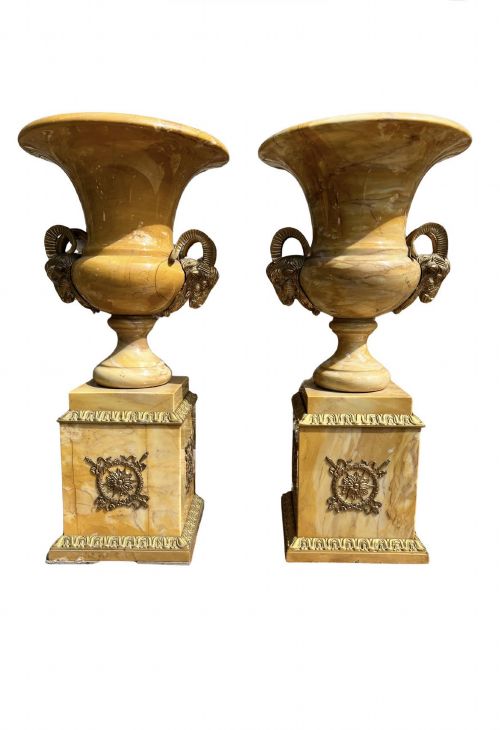
Makers shaped these pieces from characteristic materials such as Sienna and Rosso Antico marble, alabaster, bronze, and terracotta. Artisans often combined carved stone with cast brass mounts or applied gold leaf to carved pine.
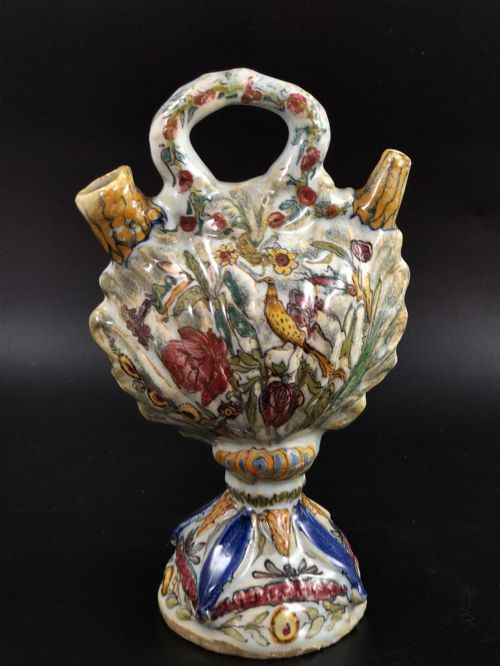
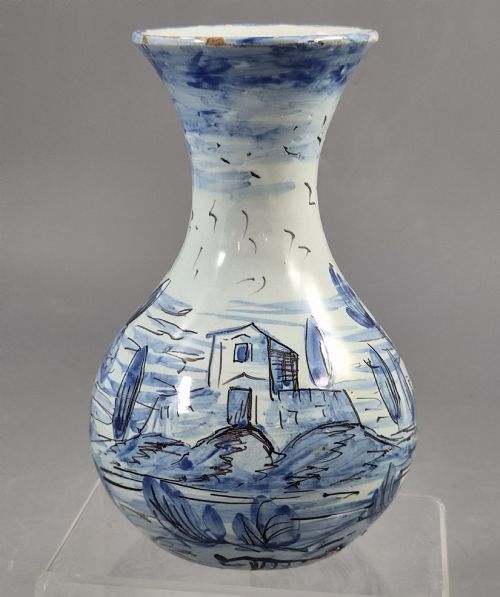
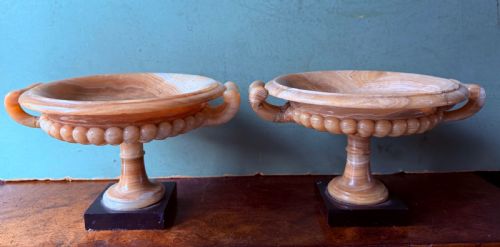
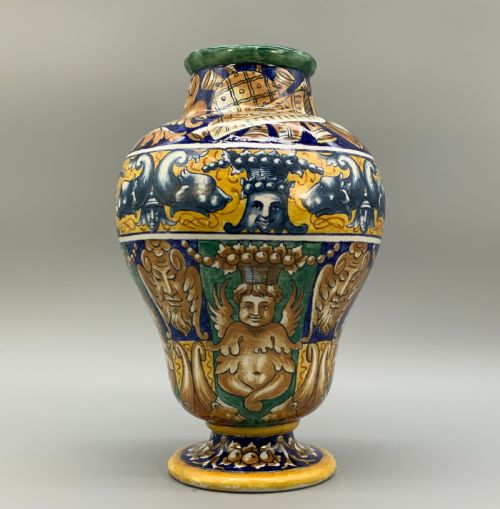
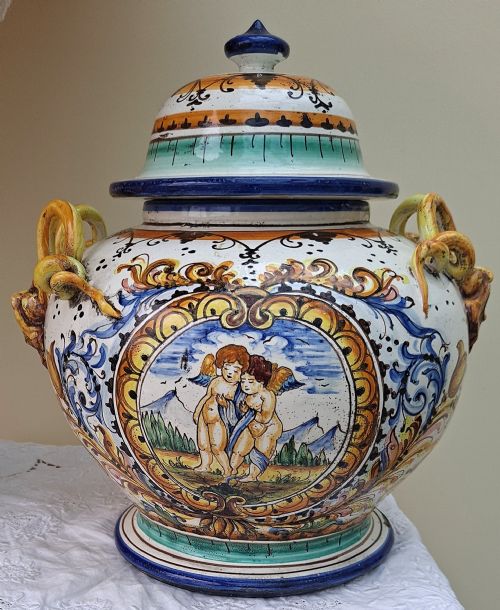
Ceramic vessels received tin glazes and intricate hand-painted polychrome decoration in styles emulating Renaissance traditions. Stoneworkers turned variegated marble and alabaster on lathes to create smooth, classical profiles for the export market.
The documented periods span from sixteenth-century Renaissance works through nineteenth-century grand tour items to early twentieth-century pottery.
Judgements of quality
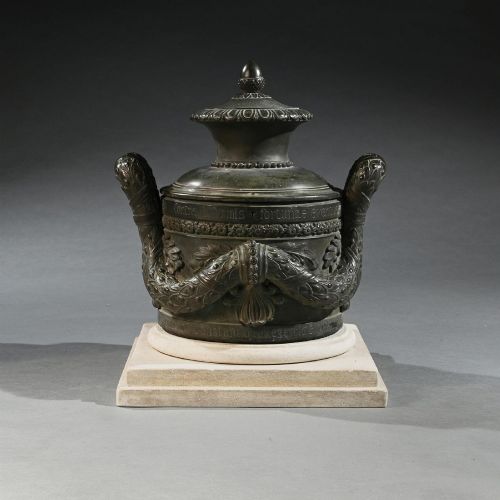
The distinction between ordinary and exceptional examples rests upon the depth of the carving, the selection of figured marbles, and the crispness of the bronze casting. Pieces created for the grand tour market demonstrate varying degrees of sculptural ambition in their handles and figural details.
Ceramic quality is judged by the precision of the tin glaze, the complexity of the hand-painted palette, and the fidelity to historical Savona or Renaissance motifs. Heavier stone vessels command attention through the natural grain and faultless turning of the material itself.
Cantagalli·Gallilleo Chini·Benedetto Boschetti
The Antique Italian Urns Glossary
- Campana urn
- A bell-shaped vessel with outward-curving rims and scrolling handles, widely replicated during the nineteenth-century grand tour. This classic silhouette originates from ancient pottery found in Italy.
- Majolica
- Tin-glazed earthenware decorated with opaque colourful pigments, often produced in Italian centres such as Florence and Naples. The technique produces a glossy, impermeable surface suitable for detailed narrative scenes.
- Tazza
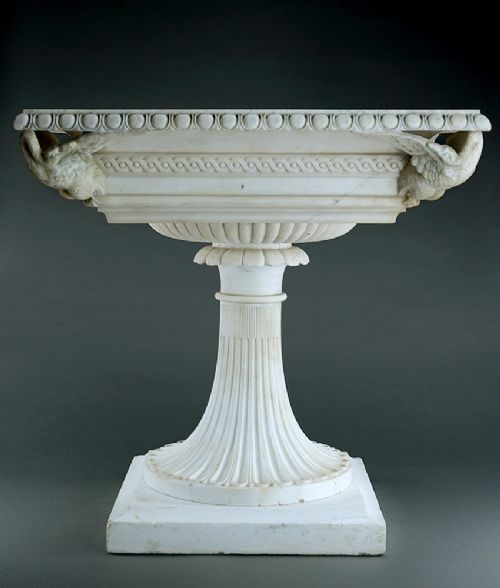
- A shallow saucer-shaped vessel raised on a stem and foot, frequently carved from coloured marble or alabaster. These pieces were collected as decorative cabinet objects by travellers.
- Grand tour
- A cultural journey undertaken by wealthy Europeans through Italy, acquiring souvenirs such as small bronzes and marble architectural models. These objects formed the backbone of nineteenth-century ornamental display.
- Terracotta
- Fired unglazed clay used for large garden jars, wine vessels, and architectural planters. Its porous nature and warm reddish-brown hue suit both interior and exterior settings.
Antique Italian Urns: Frequently Asked Questions
What are antique italian urns?
These decorative objects include carved marble tazzas, bronze campana vessels, and tin-glazed majolica vases made in Italy over several centuries.
They reflect changing tastes from the renaissance revival to the nineteenth-century grand tour souvenir trade.
How were grand tour urns used?
Wealthy travellers collected them as mementos of their travels through Rome and Florence to display in libraries and drawing rooms.
Smaller bronze and marble versions sat on pedestals or tables, while larger pieces served as architectural garnitures.
How do I care for marble urns?
Dust natural stone gently with a dry microfibre cloth and avoid using chemical cleaning agents or abrasive pads.
Keep alabaster and marble pieces away from direct moisture and sudden temperature changes to preserve their polished surfaces.
How can I tell the period?
Examine the tooling marks on the stone, the composition of the bronze alloy, and the characteristics of the ceramic glaze.
Nineteenth-century grand tour pieces often show specific patination and structural assembly methods distinct from earlier works.