




Relief Cast Bronze Vessel
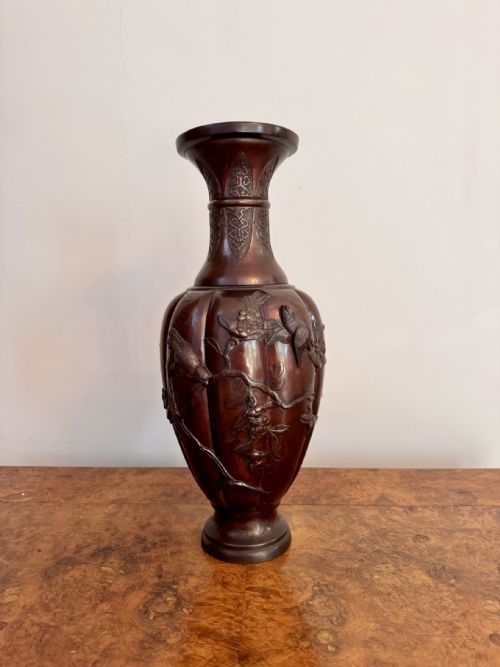
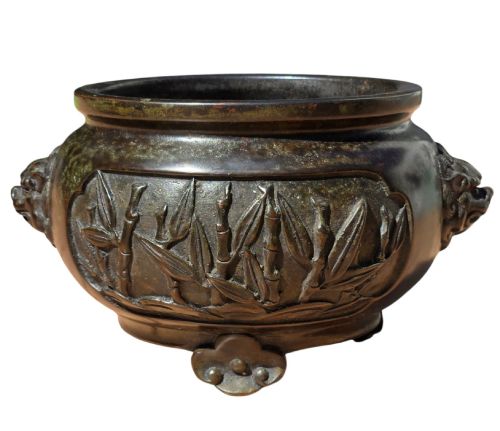
Relief cast bronze vessel forms encompass decorative vases, censers, and jardinieres shaped with cast surface ornament.
Relief Cast Bronze Vessel
A relief cast bronze vessel comprises utilitarian and display receptacles shaped through metal casting, featuring raised ornamentation across the exterior surfaces. These objects include Japanese Meiji period vases, Chinese Qing dynasty censers, and Italian Grand Tour planters.
Buyers meet Japanese Meiji period examples most frequently on this page, alongside Chinese bronzes and European nineteenth-century revival pieces. Forms range from large display urns and wine-coolers to small scholar's censers and stem vases.
Origins span nineteenth-century Britain and Europe, alongside East Asian pieces from the Meiji and Qing periods, plus sixteenth-century Ming dynasty works. Each culture applies distinct casting methods and decorative motifs to the metal surface.
Materials and casting methods
Makers utilise bronze, patinated bronze, and brass, occasionally incorporating mixed metal, ebonised wood, pigment, and gold leaf. These materials provide the dense foundation required for intricate surface casting.
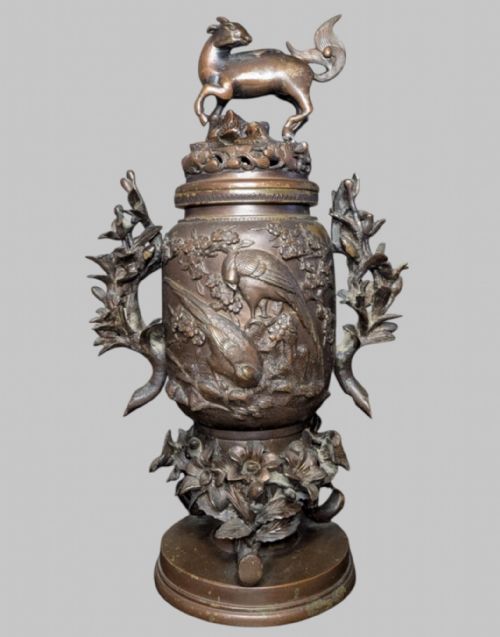
The casting process fixes raised panels, figural finials such as goats or Fu lions, and botanical motifs directly into the body of the vessel. Artisans refine these cast surfaces through patina application and gilding.
Listings feature bronze, brass, and mixed metal pieces spanning from the sixteenth century to the early twentieth century.
Distinctions in quality
Quality rests upon the crispness of the cast relief panels and the depth of the patination across the bronze surface. Superior vessels display sharp detailing in figural finials and botanical motifs without surface obscurities.
The weight and balance of the metal body differentiate standard production pieces from exceptional works produced by noted foundries and makers.
Kibundo·Barbedienne
The Relief Cast Bronze Vessel Glossary
- Censer
- A vessel designed for burning incense, frequently featuring pierced covers and figural finials. These pieces appear in East Asian decorative arts.
- Jardiniere
- A large ornamental bowl or planter intended to hold growing plants. Examples in this category often feature robust bronze casting.
- Patinated bronze
- Bronze treated with chemical solutions to produce a specific surface colour and tone. This finish protects the metal and defines the visual character of the relief work.
- Grand Tour
- A nineteenth-century travel phenomenon producing European bronze souvenirs modelled on classical antiquities. These items include campana-shaped urns and ewers.
- Meiji Period
- The era of Japanese history spanning from eighteen sixty-eight to nineteen twelve, noted for accomplished bronze casting and decorative export wares.
Relief Cast Bronze Vessel: Frequently Asked Questions
What is a relief cast bronze vessel?
A relief cast bronze vessel is a metal container shaped by casting with raised ornamental details across the body. These objects include vases, planters, and censers from various historical periods.
Craftsmen in Asia and Europe produced these receptacles for decorative and ritual use, incorporating motifs such as animals and floral panels.
How were these vessels used historically?
Historical uses varied by form, ranging from burning incense in scholars' spaces to displaying floral arrangements in domestic interiors. Larger jardinieres and planters held potted plants within nineteenth-century reception rooms.
European Grand Tour pieces served as decorative reminders of classical travel, while wine-coolers functioned during dining occasions.
How do I care for antique bronze?
Antique bronze requires gentle dusting with a soft, dry cloth to prevent accumulation in the cast crevices. Avoid abrasive cleaners or liquids that might strip the original patination.
Maintaining a stable indoor humidity helps preserve the surface metal and any applied gold leaf or pigment details.
How do I distinguish Meiji period bronzes?
Meiji period Japanese bronzes typically display precise casting, distinct patination, and traditional motifs like birds, flowers, or figurative elements. These pieces date from the late nineteenth or early twentieth century.
Comparing the weight, finial design, and surface crispness helps identify works from this specific Japanese era.