
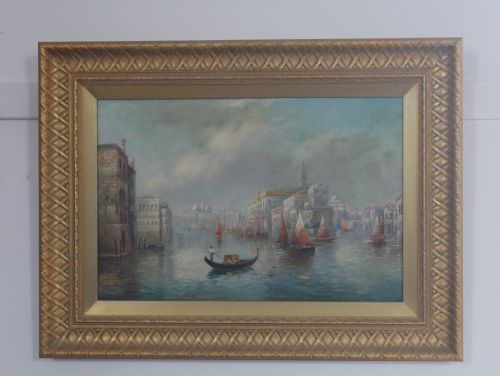
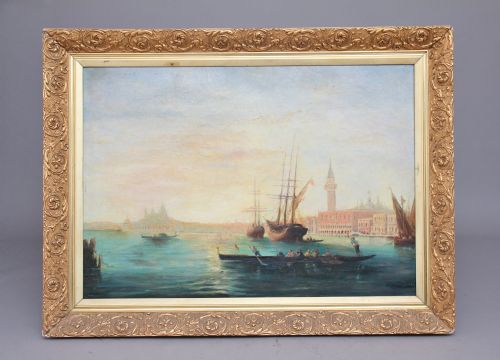


Antique Italian Cityscape
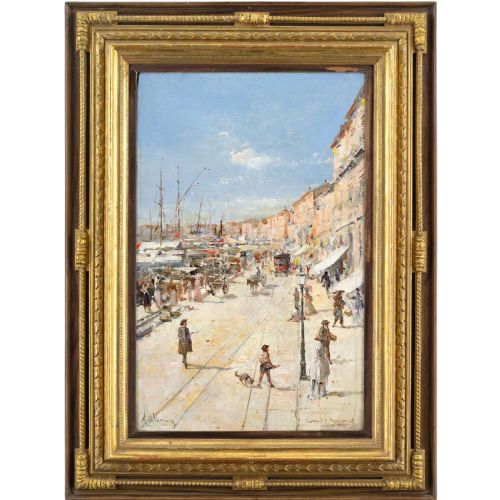
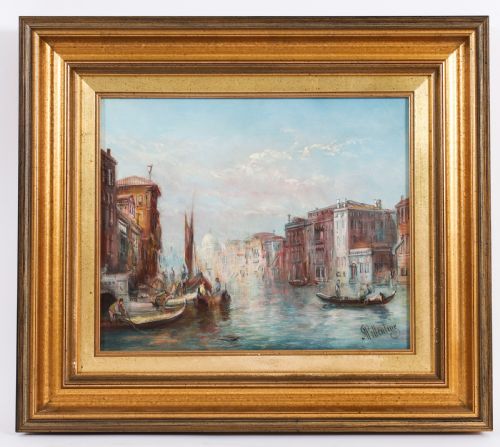
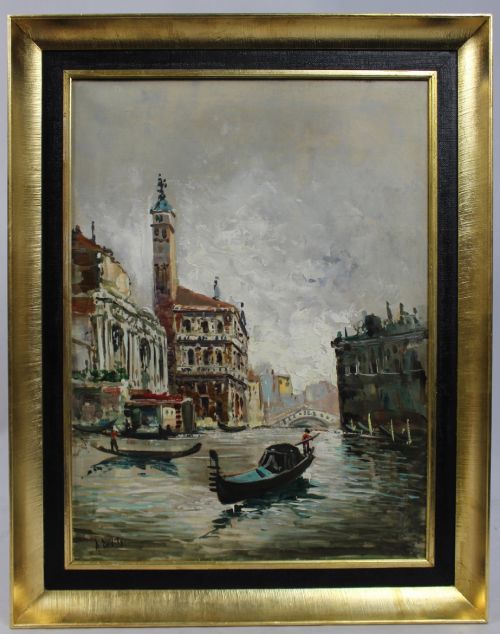
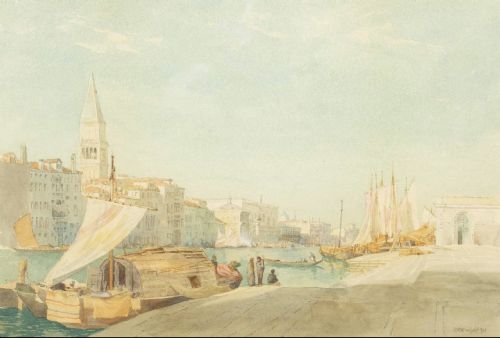
These pieces capture an antique italian cityscape, offering views of canals and palazzos that bring historic Mediterranean light into a room.
Antique Italian Cityscape
An antique italian cityscape presents architectural views and waterways, primarily recording the canals, palazzos and monuments of Venice, alongside scenes from Rome, Padua and Sicily. Buyers look to these works for evocative depictions of historic urban architecture rendered during the nineteenth and early twentieth centuries.
The versions most commonly met on this page include oil paintings on canvas or board, alongside watercolours and gouache works on paper. Many are framed in period giltwood, preserving the aesthetic context of the Grand Tour era.
Dating ranges from the Victorian period through to the mid twentieth century, encompassing academic townscapes, Romanticism and impressionist interpretations of Italian light and atmosphere.
How They Were Made
Artists built these compositions using oil paint on canvas, panel or board, applying pigments to capture the light reflecting off Venetian lagoons and stone facades. Watercolour on paper was also utilised extensively, often supported by ink pen drawings and pastel for finer architectural details.
Frames play an integral part in the manufacture of these works, constructed from wood and finished with gold leaf or giltwood to complement the visual weight of the paintings. Pigments were handled in traditional academic or impressionist manners, depending on the decade of execution.
Gondolieri continue to navigate silent canals across paper and canvas alike, unchanged by a century of passing time.
What Varies in Quality
Quality rests upon the artist's command of perspective, light and atmosphere, distinguishing atmospheric depictions of water and stone from rigid topographical illustrations. The precision of architectural rendering in complex subjects such as the Doge's Palace or Santa Maria della Salute marks the distinction between competent records and masterly compositions.
The integration of the frame also influences the overall standard, with original gilded wood mouldings enhancing the preservation and aesthetic cohesion of the artwork. Furthermore, the handling of the medium - whether fluid watercolour washes or richly layered oil paint - determines the visual depth of the scene.
Augusto Alberici·Alfred Pollentine·Richard Henry Wright·Claude Jousset·William Raymond Dommersen·Antonietta Brandeis·Jane Vivian·Vittore Zanetti Zilla·David Law·Henry Wimbush·Ettore Ascenzi·Charles Clement Calderon·Helen Donald-Smith
The Antique Italian Cityscape Glossary
- Grand Tour
- A traditional trip of Europe undertaken by upper-class European young men of sufficient means, which inspired many of the topographical watercolours and oil paintings collected here.
- Giltwood
- Wood that has been treated with gold leaf or gilt powder, commonly found on the antique frames enclosing these cityscapes.
- Impressionism
- A style of painting characterised by relatively small, thin, yet visible brush strokes and an accurate depiction of changing light, seen in several Italian lagoon scenes.
- Lagoon
- A stretch of salt water separated from the sea by a low sandbank or coral reef, frequently depicted in Venetian cityscapes.
Antique Italian Cityscape: Frequently Asked Questions
What subjects appear in these cityscapes?
The works primarily depict Venetian landmarks such as the Grand Canal, the Doge's Palace, the Bridge of Sighs and Santa Maria della Salute. Other Italian locations include Rome, Padua and Sicily.
Artists focused on urban canals, historic palazzos, lagoons and bustling architectural squares during the nineteenth and early twentieth centuries.
How do I care for these paintings?
Keep works away from direct sunlight and sources of extreme heat or humidity to protect both the canvas and the paper supports. Maintain stable indoor temperatures to prevent the wood and giltwood frames from warping.
Dust frames gently with a soft brush and avoid applying liquid cleaners directly to the painted surfaces.
Are these works signed by the artists?
Many pieces feature visible signatures, monograms or inscriptions indicating the hand of the painter or watercolourist. Some examples also retain period gallery labels or archival notes on the reverse of the frame.
Attributions are supported by stylistic comparisons and known recording periods of the artists active in Italy.
What is the difference between oil and watercolour versions?
Oil paintings utilise oil-based pigments on canvas or board, offering rich colour depth and heavily textured brushwork. Watercolours are executed on paper, providing a lighter, more luminous quality well suited to atmospheric lagoon views.
Both mediums were employed extensively during the nineteenth century to record Italian architecture.