




Canvas Architectural Landscape Artwork
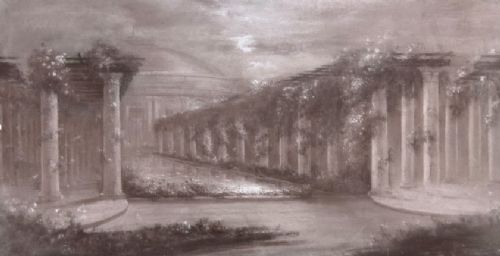
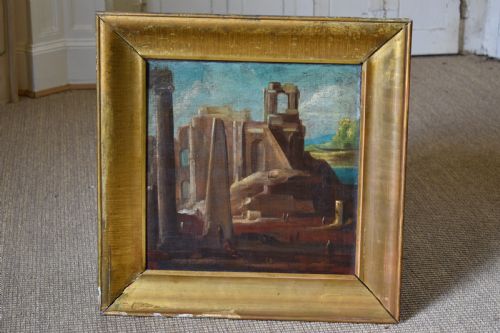
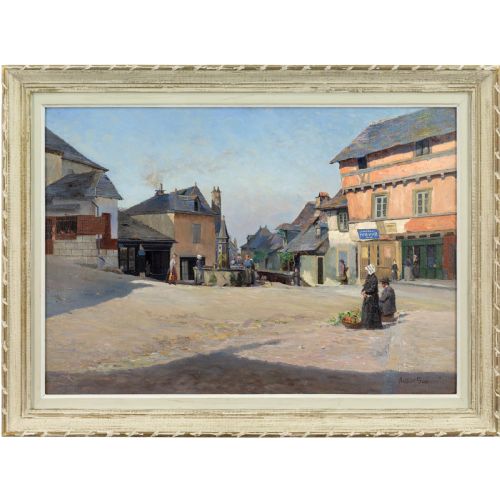
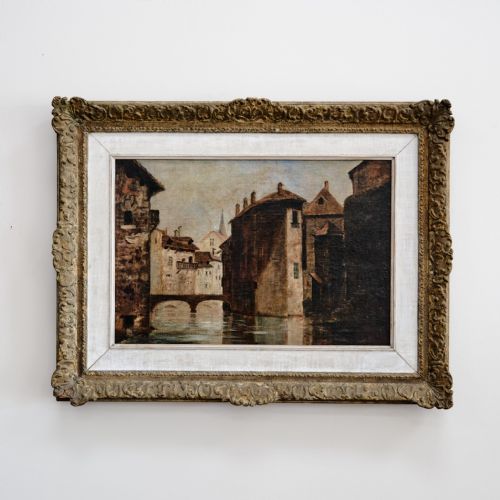
When you search for canvas architectural landscape artwork, you are looking at oil paintings on canvas that capture buildings, streets, and city views.
Canvas Architectural Landscape Artwork
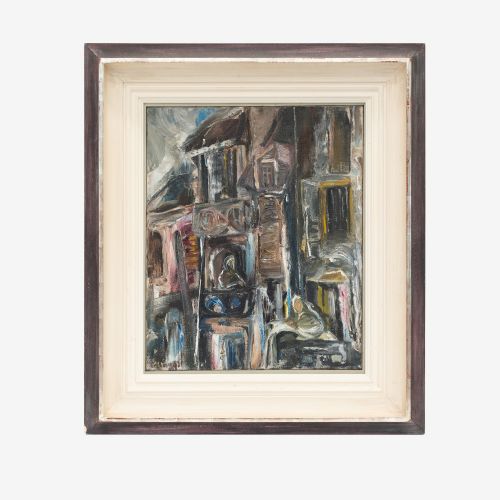
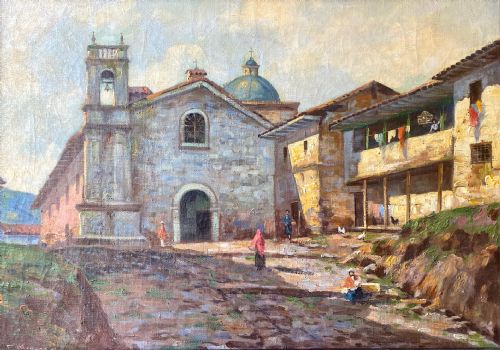
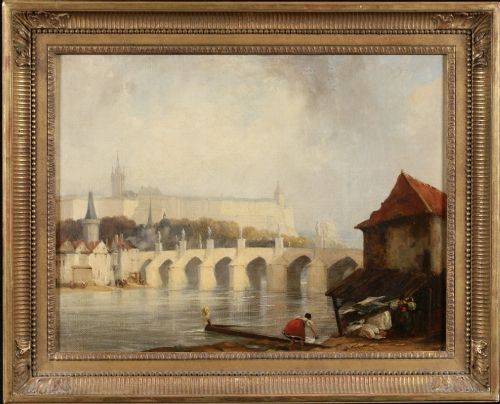
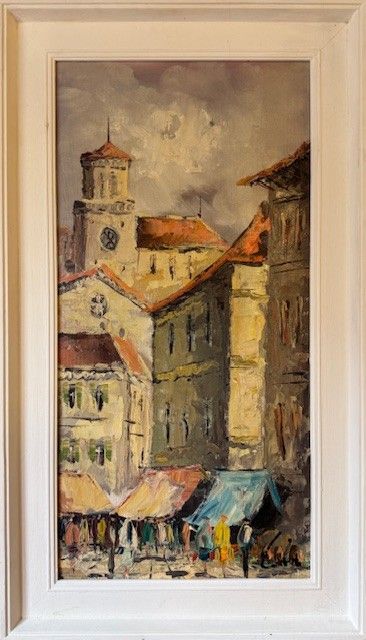
Canvas architectural landscape artwork comprises oil paintings on canvas depicting structures, cityscapes, squares, and towns. These works span from the nineteenth century through the mid-twentieth century, featuring scenes from Paris, Rome, Venice, and various European and domestic locations.
The pieces on this page appear in various styles including Impressionism, Post-Impressionism, Romanticism, and Expressionism. Buyers will find works ranging from grand continental views to smaller street scenes and naive architectural studies.
Origins vary across British, French, Flemish, German, and Latin American schools. Creators include named artists and works attributed to specific periods or circles.
How canvas architectural landscape artwork was made
These works utilise oil paint applied to canvas, frequently stretched over wood supports. Some examples incorporate impasto technique for textured surfaces, while others feature gesso and giltwood framing.
Artists worked across different periods using traditional preparatory methods, stretcher frames, and media such as charcoal underdrawings before applying oil layers.
Several artists captured bustling markets and quiet bridges without knowing their canvas would travel through centuries to digital screens.
What varies in quality in canvas architectural landscape artwork
Quality varies in the handling of perspective, light, and architectural detail across the painted structures and urban spaces. The skill with which the artist balances built forms against landscape elements dictates the strength of the composition.
Materials and framing also distinguish pieces, with period giltwood and gesso frames offering a different presence compared to simpler wooden stretches.
Arthur Gué·Alfred Wolmark·Lilian Colbourn·Ron Folland·Cornelis Christian Dommersen·Armand Guillaumin·Job de Vogel·Pieter Cornelis Steenhouwer·Samuel Sidley
The Canvas Architectural Landscape Artwork Glossary
- Impasto
- Paint applied thickly to a canvas, standing out from the surface to give a three-dimensional quality. This technique is often seen in mid-century abstract and expressionist cityscapes.
- Gesso
- A plaster-like mixture used as a base coat on wooden panels or frames before painting or gilding. It provides a smooth surface for finishing.
- Giltwood
- Wood that has been treated and covered with thin gold leaf or gold paint. Frames finished in this manner accompany many nineteenth-century paintings.
- Stretcher
- A wooden frame that holds a canvas taut. Historic pieces often display characteristic wedge keys in the corners of these wooden frames.
Canvas Architectural Landscape Artwork: Frequently Asked Questions
What periods do these paintings come from?
The selection includes pieces created across the nineteenth and twentieth centuries. Examples range from late eighteenth-century Scottish school works up to mid-century modern productions.
Specific dates within titles point to Victorian and Edwardian eras, as well as the 1930s, 1940s, 1950s, and 1960s.
Where were these architectural views painted?
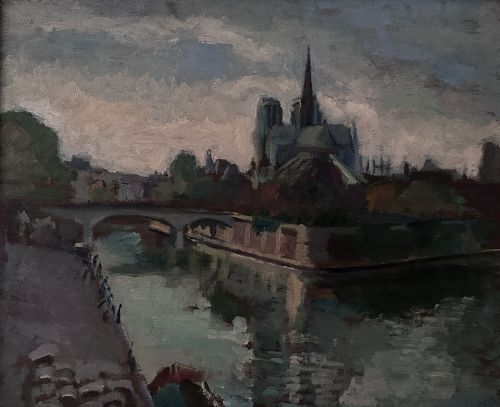
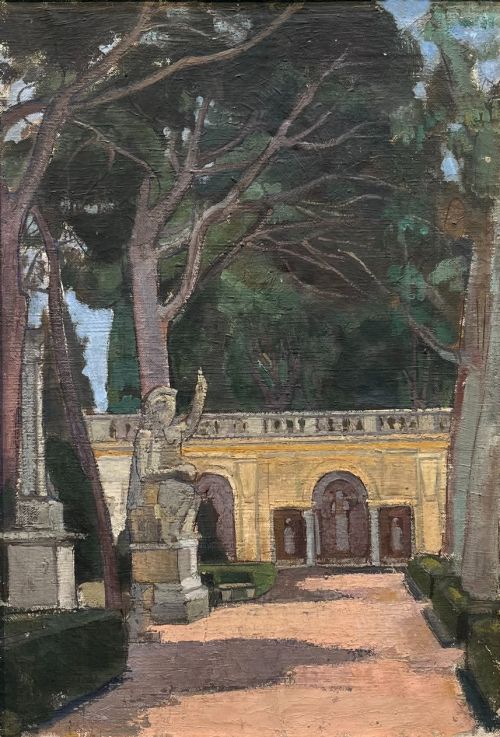
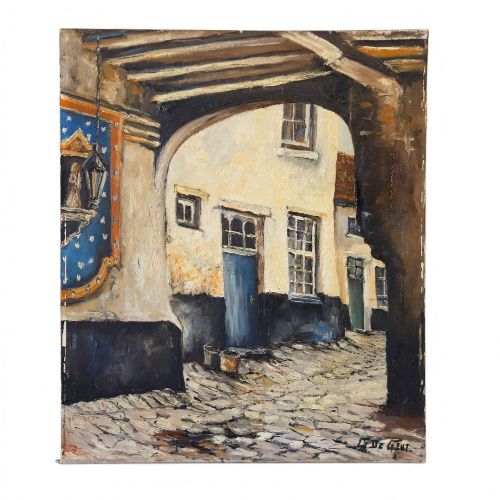
Locations span cities and towns across Europe and beyond, featuring scenes in Rome, Paris, Venice, Prague, Bruges, and local British settings. Artists recorded squares, cathedrals, bridges, and street corners.
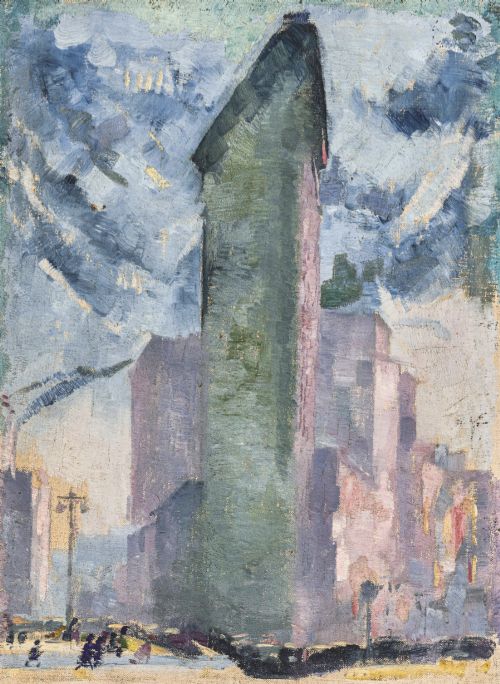
Some works document specific buildings like the Flatiron Building, Notre Dame, or various castles and churches.
How should I display a canvas painting?
These oil paintings on canvas suit wall display in traditional or contemporary interiors. Many retain their original or period frames in giltwood or wood.
Placement should avoid direct sunlight and excessive humidity to protect the oil paint and canvas over time.
How do I identify the artist?
Attribution relies on signatures, inscriptions, or surviving documentation attached to the canvas stretcher. Some listings refer to named painters, while others represent distinct regional schools or unknown hands.
Stylistic elements like brushwork and subject matter help connect works to specific movements such as German Expressionism or Impressionism.