



Antique Iron Urns
These antique iron urns bring classical presence to gardens and interiors through heavy metal casting and enduring nineteenth-century design.
Antique Iron Urns
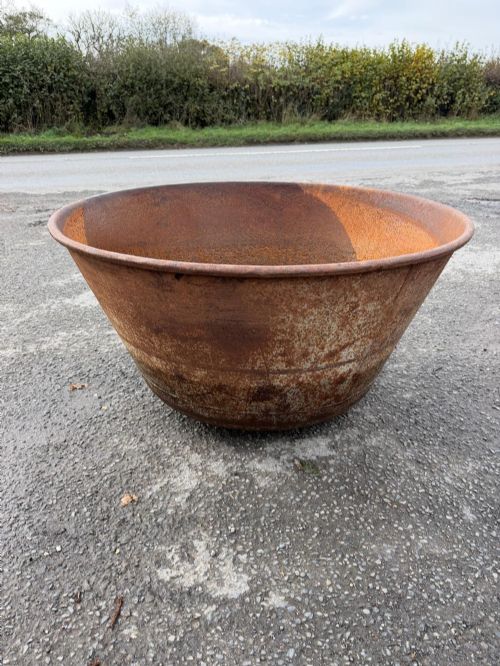
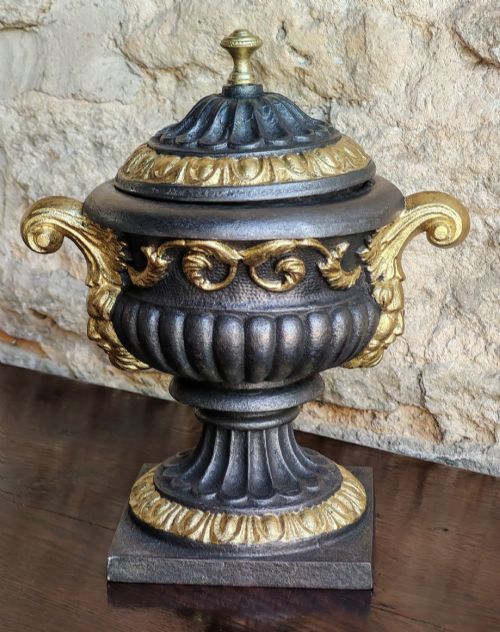
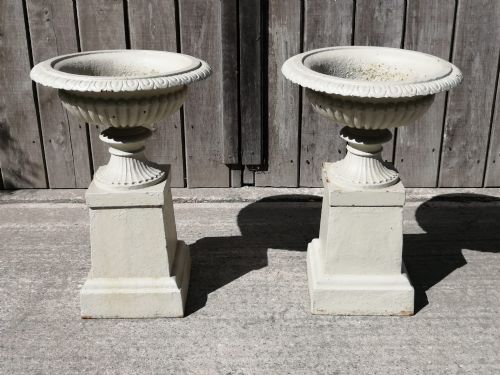
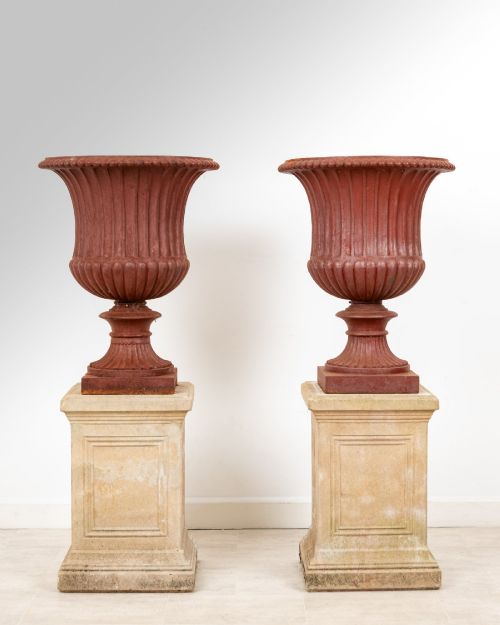
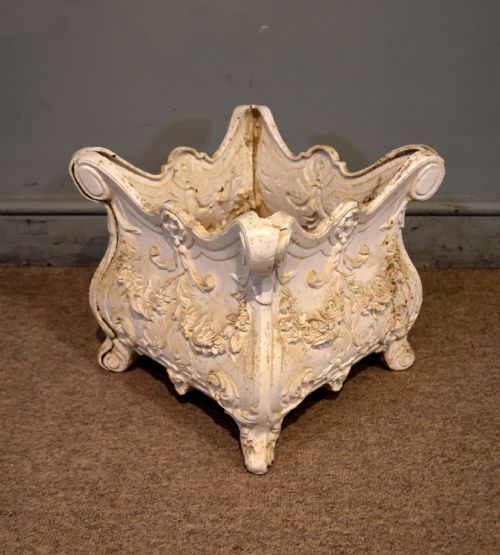
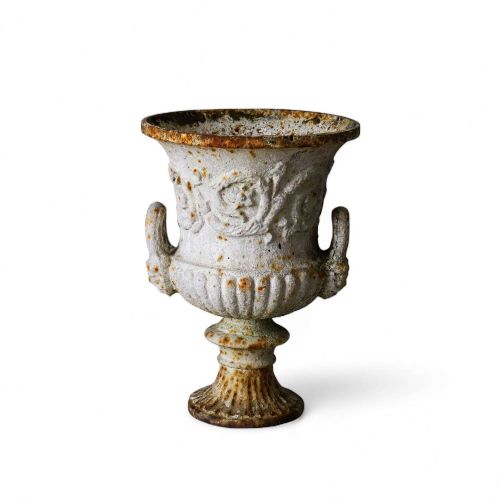
When you search for antique iron urns, you encounter robust garden ornaments and decorative vessels primarily cast during the nineteenth century. The most common forms on this page include Campana-shaped garden urns on pedestals, smaller table urns, and heavy planters designed for outdoor display.
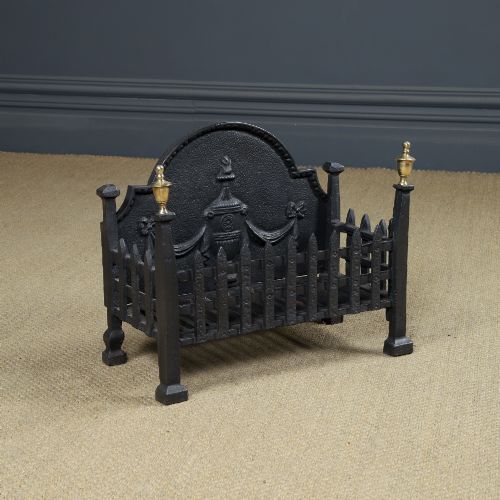
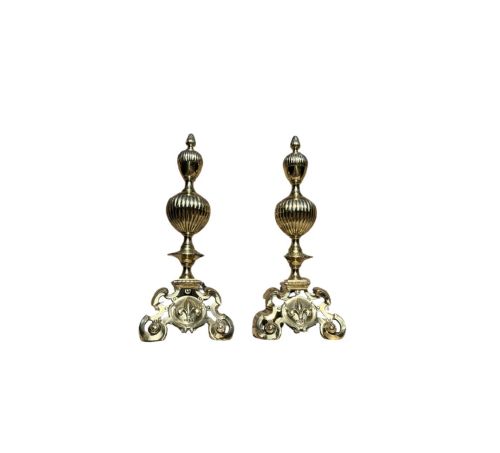
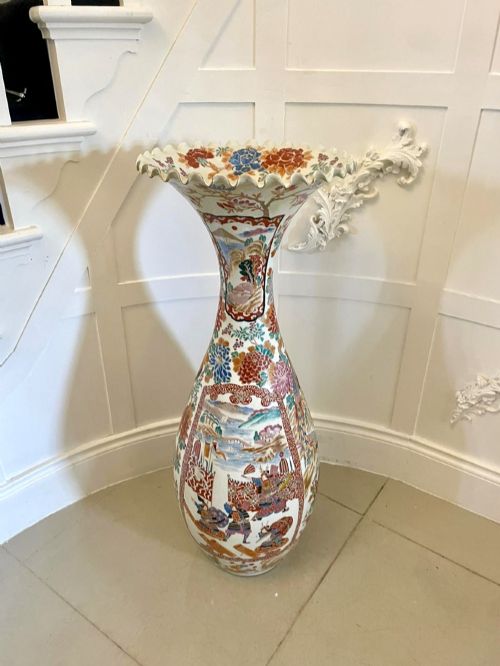
Makers and foundries such as Coalbrookdale, Carron, and Val d'Osne shaped much of this output, often adopting neoclassical motifs like acanthus leaves. You also find specialised pieces including kitchen mortars, fire dogs, and occasional porcelain vases decorated with iron-red pigments.
The inventory spans the Victorian era through the early twentieth century, showing both English and French regional influences. Garden planters and decorative yard urns dominate the selection, reflecting their original purpose as architectural focal points.
Materials and Casting Techniques
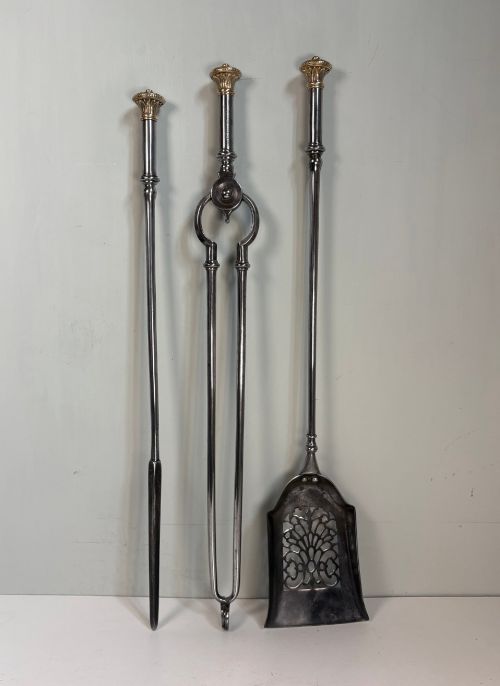
Foundries shaped these items primarily through cast iron production, pouring molten metal into detailed moulds to achieve crisp classical details and sturdy vessel walls. Wrought iron appears in select planters and fire tools, showing hand-forged construction rather than foundry casting.
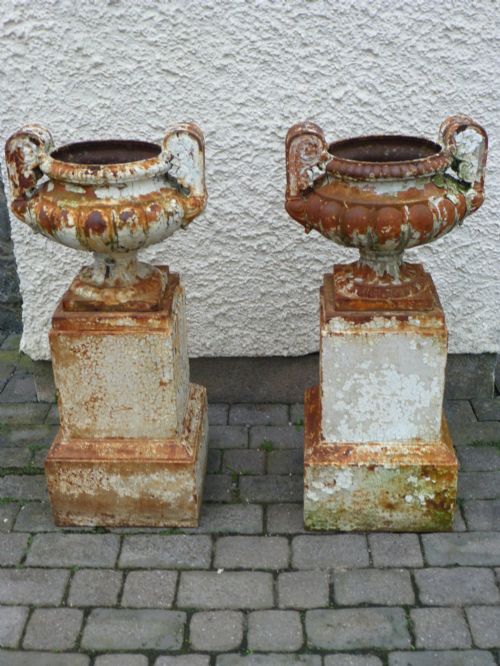
Surfaces frequently display layers of original paint, distressed finishes, or weather-worn patinas developed through decades of outdoor exposure. Brass components, gold leaf, and enamel accents occasionally supplement the iron body on specific decorative vases and fire accessories.
Antique Iron Urns Retail Price Guide 2026
Typical asking prices for iron urns among the pieces listed under this phrase on Sellingantiques today, from the lower quarter to the upper quarter. They describe what is for sale here now, not the wider market.
The listings span the nineteenth century through the early twentieth century, featuring cast iron, wrought iron, and porcelain materials.
Quality Variations in Cast Iron
Quality rests on the crispness of the cast detailing and the depth of the classical ornament, where superior pieces retain sharp acanthus foliage and well-defined rims. Inferior castings often exhibit blurred relief work and smoothed edges from worn moulds.
The presence of marked foundry stamps or original matching plinths separates standard utility planters from exceptional sculptural works. Retaining original distressed paint layers or intact lids similarly elevates the standing of a piece within this category.
Falkirk Carron foundry·Coalbrookdale·Andrew Handyside·Val d'Osne Foundry
The Antique Iron Urns Glossary
- Campana
- A bell-shaped garden urn with a flaring rim and a pedestal base, frequently cast in iron during the nineteenth century. This classical silhouette originates from ancient Roman pottery forms.
- Jardiniere
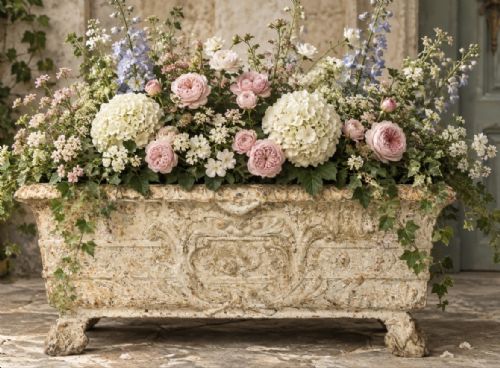
- A large ornamental pot or stand for holding plants or flowers, often constructed from cast iron for garden or conservatory use. These vessels typically sit directly on the ground or upon stone plinths.
- Foundry
- A workshop or factory where metal is melted and poured into moulds to create decorative objects and architectural elements. Famous foundries stamped their work to signify origin and trade standard.
- Fire Dogs
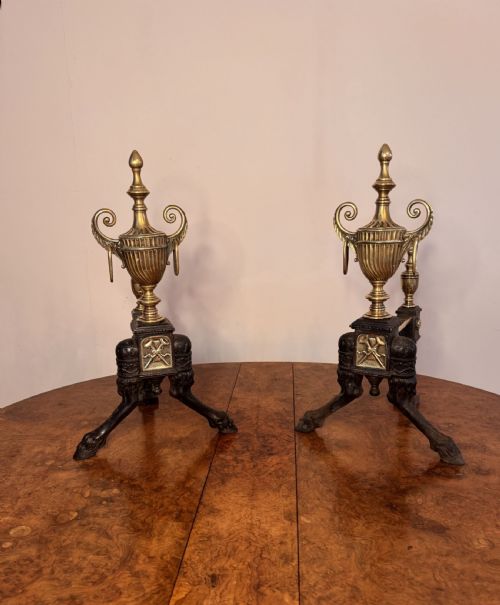
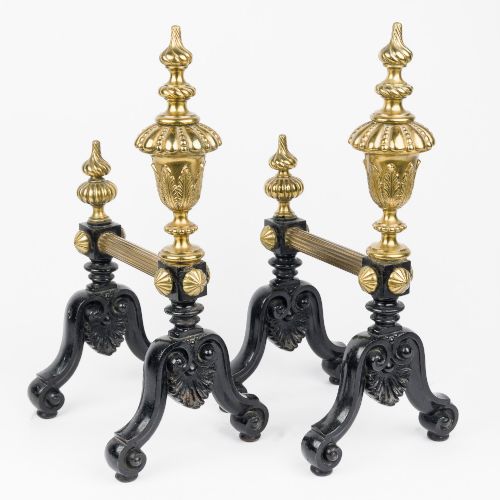
- Andirons used in pairs to support logs in an open fireplace, frequently manufactured from iron alongside complementary brass fire tools. They often feature decorative cast terminals matching period styles.
- Imari
- A style of Japanese porcelain featuring underglaze blue and iron-red overglaze details, occasionally appearing alongside iron vessels in mixed decorative collections. These pieces date from the Meiji period and the late nineteenth century.
Antique Iron Urns: Frequently Asked Questions
Where should I place a cast iron urn?
These heavy vessels suit outdoor garden displays, patios, and stone pedestals where their weather-resistant metal withstands the elements. Indoors, smaller table urns and decorative vases function as architectural accents on sturdy surfaces.
Because the iron construction adds substantial weight, permanent placement requires firm ground or reinforced flooring to prevent shifting over time.
How do I identify a Coalbrookdale urn?
Coalbrookdale pieces typically display registration marks, foundry stamps, or distinctive classical ornamentation such as acanthus leaf motifs. The crispness of the iron casting and the presence of documented nineteenth-century catalogue designs confirm attribution.
Many of these works take the classic Campana shape on original plinths, reflecting the firm's prominent role in Victorian garden ornamentation.
Can these urns stay outside all year?
Cast iron handles seasonal weather changes effectively, developing a stable rusted or weathered patina when left outdoors. Original paint layers will continue to weather naturally in exposed garden settings.
Ensuring proper drainage through the base prevents water accumulation and freezing damage during colder winter months.
What is the difference between an urn and a planter?
An urn generally follows a classical pedestal or footed form with a distinct rim, whereas a planter can take simpler box or tub shapes designed strictly for horticulture. Both object types serve similar functions for displaying plants in historical gardens.
Many nineteenth-century foundry pieces combine both definitions, functioning as decorative garden urns and practical planters simultaneously.