



Antique Iron Trestle Table
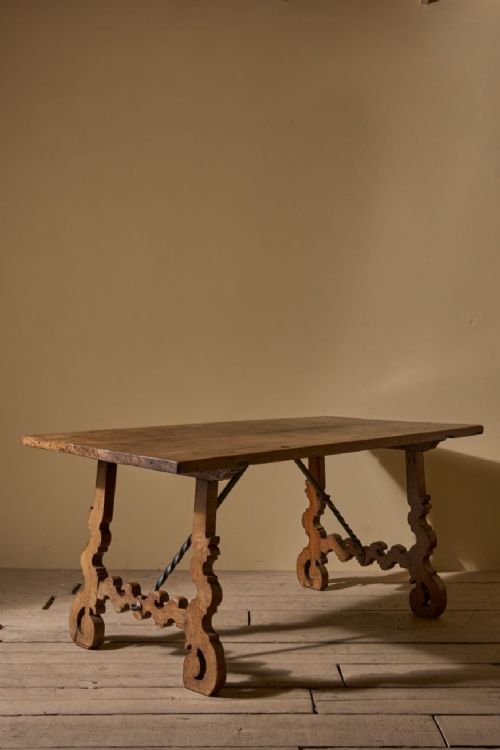
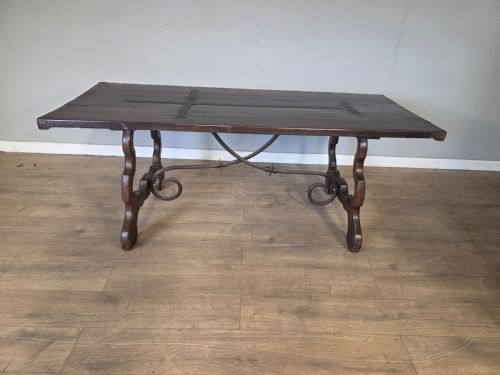
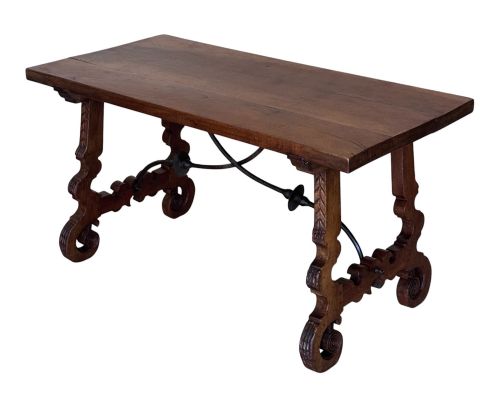
An antique iron trestle table brings structural strength and historic character to a room, combining a metal base with a timber top.
Antique Iron Trestle Table
An antique iron trestle table unites sturdy metal supports with wooden boards, creating a surface suited to dining, work or display. These pieces draw on centuries of utility across European workshops, conservatories and gardens.
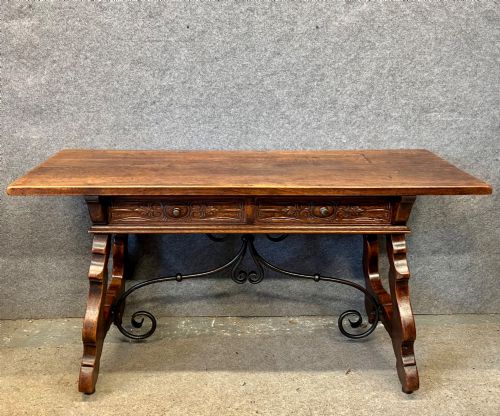
Buyers will encounter dining tables, coffee tables and work tables spanning the seventeenth century through to the early twentieth century. Spanish walnut examples alongside English pine and iron combinations make up the core of what is available.
The selection ranges from large refectory formats down to compact side and console tables. Many pieces reflect regional styles such as Spanish Baroque, French Provincial and industrial utility.
Materials and Construction
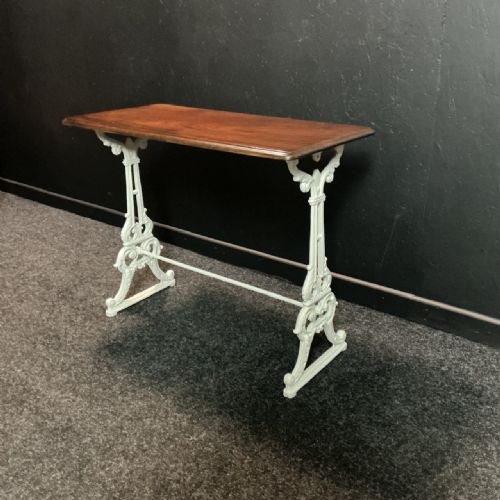
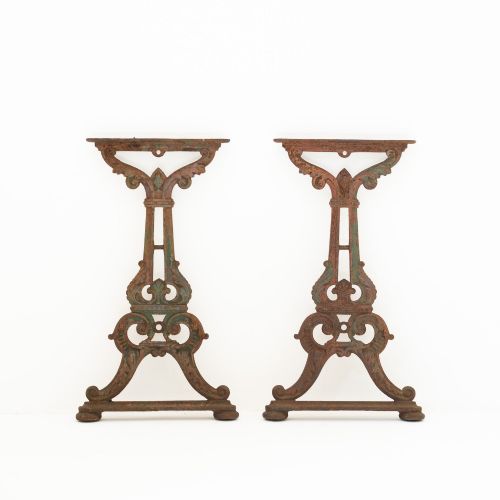
Makers built the bases using cast iron, wrought iron, steel or painted metalwork, sometimes forming paired trestle legs or decorative brackets. These metal structures provided enduring stability for heavy daily use.
Wooden tops were fashioned from solid walnut, oak, pine, chestnut and fruitwood planks. Joinery techniques varied from simple pegged construction to elaborate refectory framing, matched with original patinas.
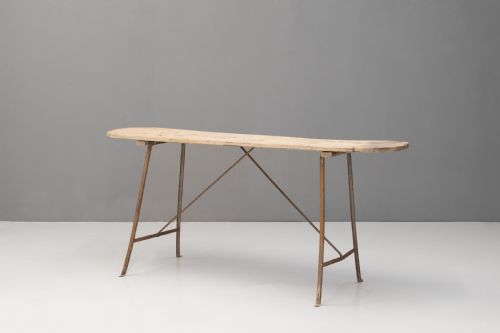
Listings feature oak, pine, walnut, chestnut and fruitwood paired with wrought iron, cast iron and steel.
Evaluating the Pieces
Quality rests in the harmony between the metal base and the timber top, particularly where original components remain intact. Tables with documented provenance or distinct regional traits command greater attention.
The depth of the natural patina on the wood and the integrity of the ironwork separate standard items from finer examples. Heavy industrial foundry pieces and early walnut tables show superior craftsmanship in their joints and surface finish.
The Antique Iron Trestle Table Glossary
- Trestle
- A structural framework consisting of a horizontal beam supported by two pairs of sloping legs. This design provides robust legroom beneath the tabletop.
- Refectory
- A long dining table traditionally used in communal dining halls. These pieces typically feature heavy wooden tops and substantial underframes.
- Patina
- The surface sheen and colour developed through age, use and polishing. It serves as an indicator of a piece's history.
- Wrought iron
- Iron that has been heated and hammered into shape by a blacksmith. This material displays characteristic surface textures from the forging process.
- Cast iron
- Iron poured into a mould to create rigid structural or decorative forms. Victorian garden tables and table bases frequently utilise this technique.
Antique Iron Trestle Table: Frequently Asked Questions
How are antique iron trestle tables used today?
These tables function primarily as dining surfaces, work desks or centrepieces in kitchens and living areas. Their sturdy construction accommodates daily family life while adding historic presence.
Smaller variants serve as coffee tables, console tables or conservatory planting surfaces. The mix of wood and metal suits both rustic and industrial interior schemes.
What woods were commonly used for the tops?
Spanish walnut appears frequently in seventeenth and eighteenth-century examples, often displaying rich grain and deep patina. English and French pieces frequently feature pine, oak, chestnut or fruitwood.
Some industrial and garden variants incorporate marble tops or steel surfaces alongside timber planks. Each wood type responds differently to historic wear and polishing.
How do I identify the period of a table?
Dating relies on examining the construction methods of both the wooden top and the iron base. Seventeenth and eighteenth-century pieces usually feature hand-carved walnut and pegged joints.
Nineteenth and early twentieth-century examples often incorporate cast iron components, industrial brackets or pine boards. Stylistic cues like Spanish Baroque or Victorian industrial taste further narrow down the origin.
Are the iron bases always original to the tops?
Many tables preserve their original pairings of metal trestles and wooden boards, particularly those from institutional or workshop settings. Some pieces consist of period table bases paired with complementary timber tops.
Checking the fixing points and weathering helps determine whether the components share a long history together. Both matched and assembled pieces appear across different eras.