





Antique Iron Panel
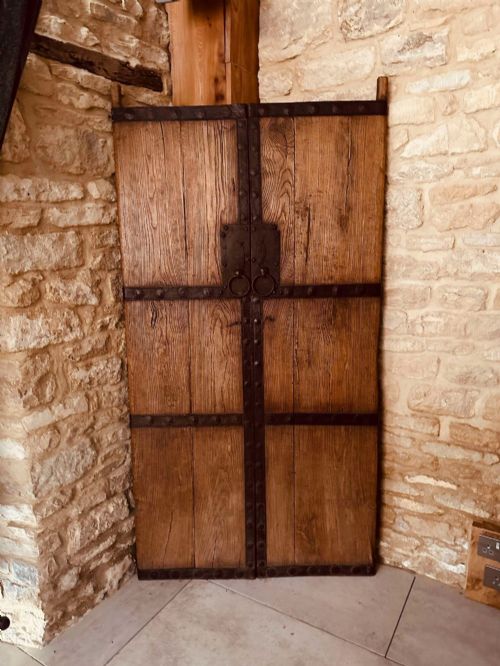
These antique iron panel pieces are robust architectural fragments and screens built from cast and wrought metal, offering instant industrial character and structural weight to modern interiors.
Antique Iron Panel
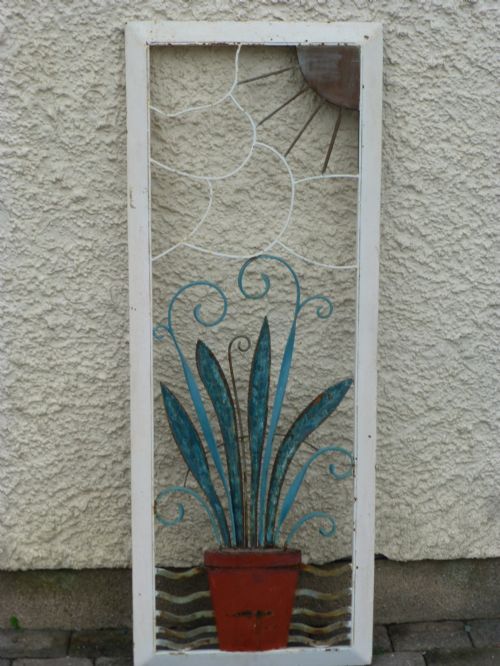
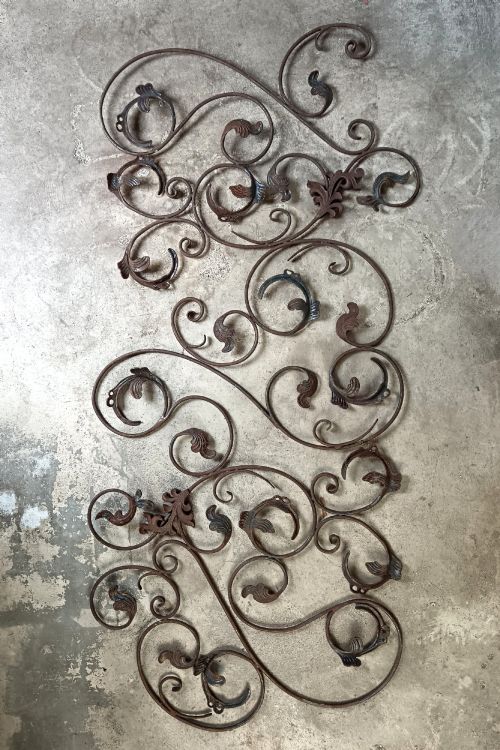
When searching for an antique iron panel, buyers encounter architectural salvage, garden screens, and balcony grilles originating from the nineteenth and twentieth centuries. These elements often derive from French and European structural ironwork, capturing utilitarian forms adapted for decorative display.
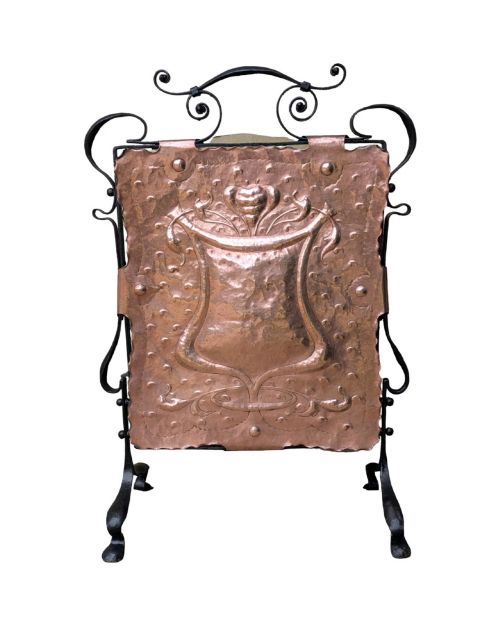
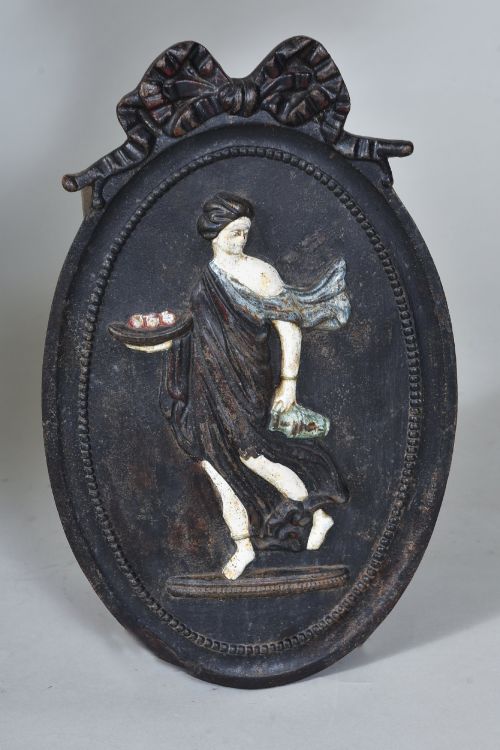
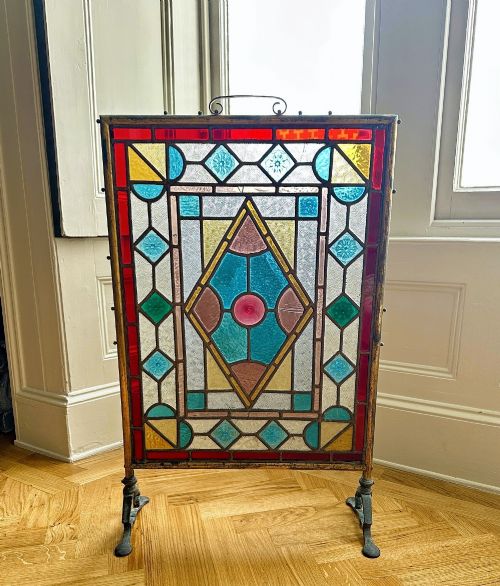
Cast iron and wrought iron variants dominate the selection, appearing as standalone decorative balustrade panels, architectural scrollwork, and fireplace guards. Pieces from the early twentieth century reflect modernist and Art Deco aesthetics through geometric discipline and clean metal lines.
The selection also encompasses related utilitarian ironmongery and gates, reflecting an industrial heritage where functional metalwork served structural purposes in domestic and civic architecture.
How they were made
Makers utilised traditional blacksmithing techniques for wrought iron pieces, manually heating and hammering bars into symmetrical scrolls and structural frameworks. Cast iron items required detailed sand moulds, capturing the crisp profiles of balustrades and decorative grilles straight from molten pours.
Surfaces frequently show natural oxidation, historic paint layers, or weathered patination developed through decades of exposure. Assembly methods rely heavily on traditional riveting and forge-welding rather than modern adhesives, ensuring permanent mechanical jointing.
Antique Iron Panel Retail Price Guide 2026
Typical asking prices for iron panel among the pieces listed under this phrase on Sellingantiques today, from the lower quarter to the upper quarter. They describe what is for sale here now, not the wider market.
Listings feature items spanning the seventeenth to the twentieth centuries, utilising wrought iron, cast iron, oak, and copper.
What varies in quality
The distinction between standard utility items and superior examples lies in the intricacy of the forge work and the crispness of the casting. Finer pieces demonstrate hand-finished detail, balanced proportions, and clean lines within the scrollwork or geometric framing.
Structural integrity and the survival of original mounting brackets or integral frames elevate a piece above simple fragments. The weight and gauge of the metal also dictate quality, with heavier sections providing greater stability and authenticity.
The Antique Iron Panel Glossary
- Wrought iron
- A tough, malleable form of iron that contains very little carbon and is shaped by hammering while hot. This material allows for intricate hand-bent scrolls seen in architectural panels.
- Cast iron
- An iron-carbon alloy poured into moulds to create rigid shapes and decorative patterns. It offers high compressive strength but lacks the bendability of wrought iron.
- Architectural salvage
- Building components rescued from demolition or renovation for reuse in interior design. These items preserve historic craftsmanship and material patination.
- Scrollwork
- Ornamental metalwork featuring spiral or coiled motifs. It forms the primary decorative vocabulary for many historical iron grilles and screens.
- Balustrade
- A row of vertical supports topped by a rail, often featuring decorative metal panels. They historically guarded staircases and balconies.
Antique Iron Panel: Frequently Asked Questions
How do I mount an iron panel on a wall?
Heavy iron panels require secure fixing into solid masonry or studwork using appropriate metal brackets and heavy-duty anchors. Because these pieces carry substantial weight, professional installation ensures structural safety.
Spacing brackets slightly away from the wall allows air circulation and creates a striking shadow play behind the open scrollwork.
Can these panels be used outside?
Many panels originated outdoors as gates or balcony grilles and tolerate exterior placement well. Applying a protective wax or clear sealant helps slow down active oxidation in damp climates.
Regular inspection prevents excessive corrosion from compromising the structural joints of antique wrought and cast iron.
How do I clean historic ironwork?
Dust the surface gently with a soft dry brush to remove loose debris and surface dirt. Avoid harsh chemical cleaners or abrasive scouring pads that strip away the historic patinated finish.
Applying a light coat of neutral microcrystalline wax helps preserve the metal surface and adds a subtle, protective sheen.
How do I date an iron panel?
Dating relies heavily on manufacturing methods, stylistic indicators like Art Deco geometry or Victorian scrollwork, and signs of wear. Hand-forged elements often point to earlier production periods, while standardised cast sections frequently suggest nineteenth or twentieth-century origins.
Comparing construction details such as rivet types and assembly marks aids in establishing an approximate decade of creation.