



Antique Iron Lantern
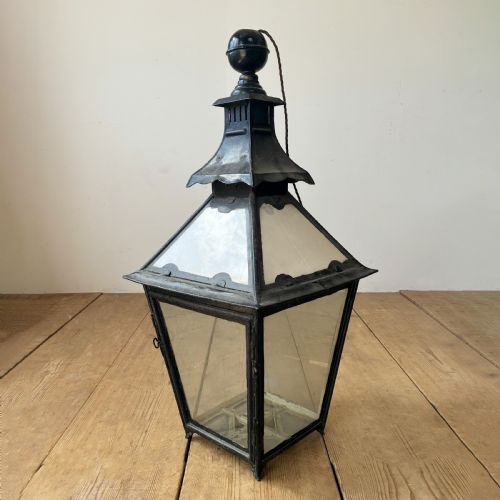
An antique iron lantern brings sturdy utility and atmospheric light into a room, forged to weather centuries outdoors or command a hallway.
Antique Iron Lantern
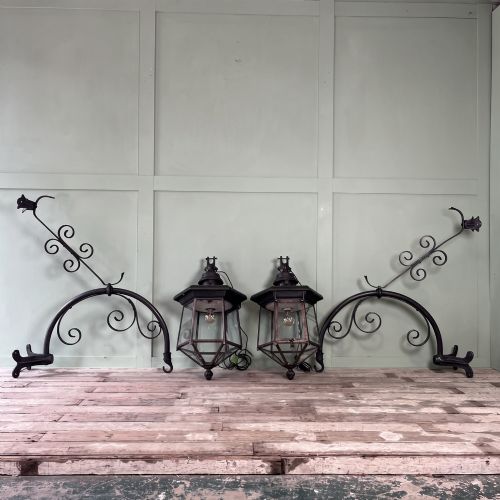
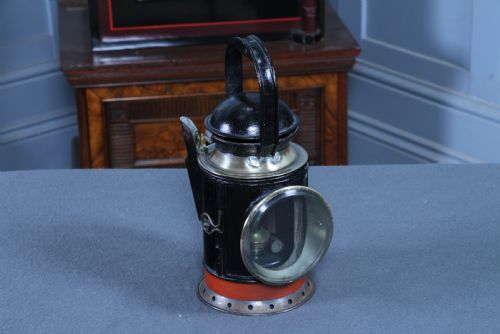
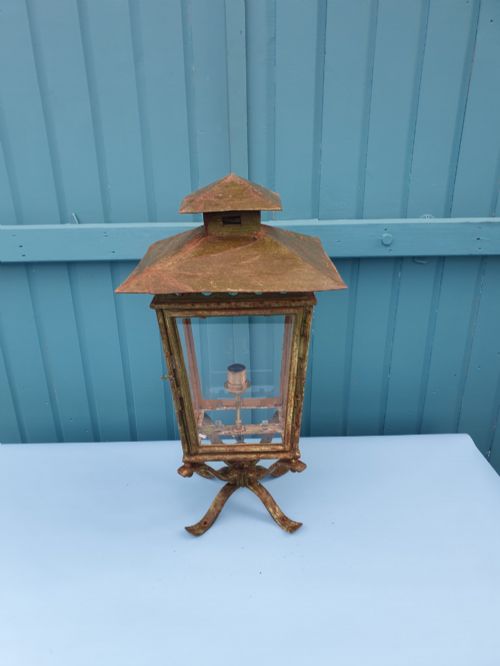
When you search for an antique iron lantern, you encounter robust lighting fixtures shaped by centuries of architectural and utilitarian demands. The selection spans domestic hall and porch pendants to street lamps and railway hand lanterns.
Nineteenth-century Victorian and Edwardian examples dominate the selection, alongside items from the 1920s and 1930s. Forms vary from simple wall brackets and hanging hexagons to massive outdoor lamp posts.
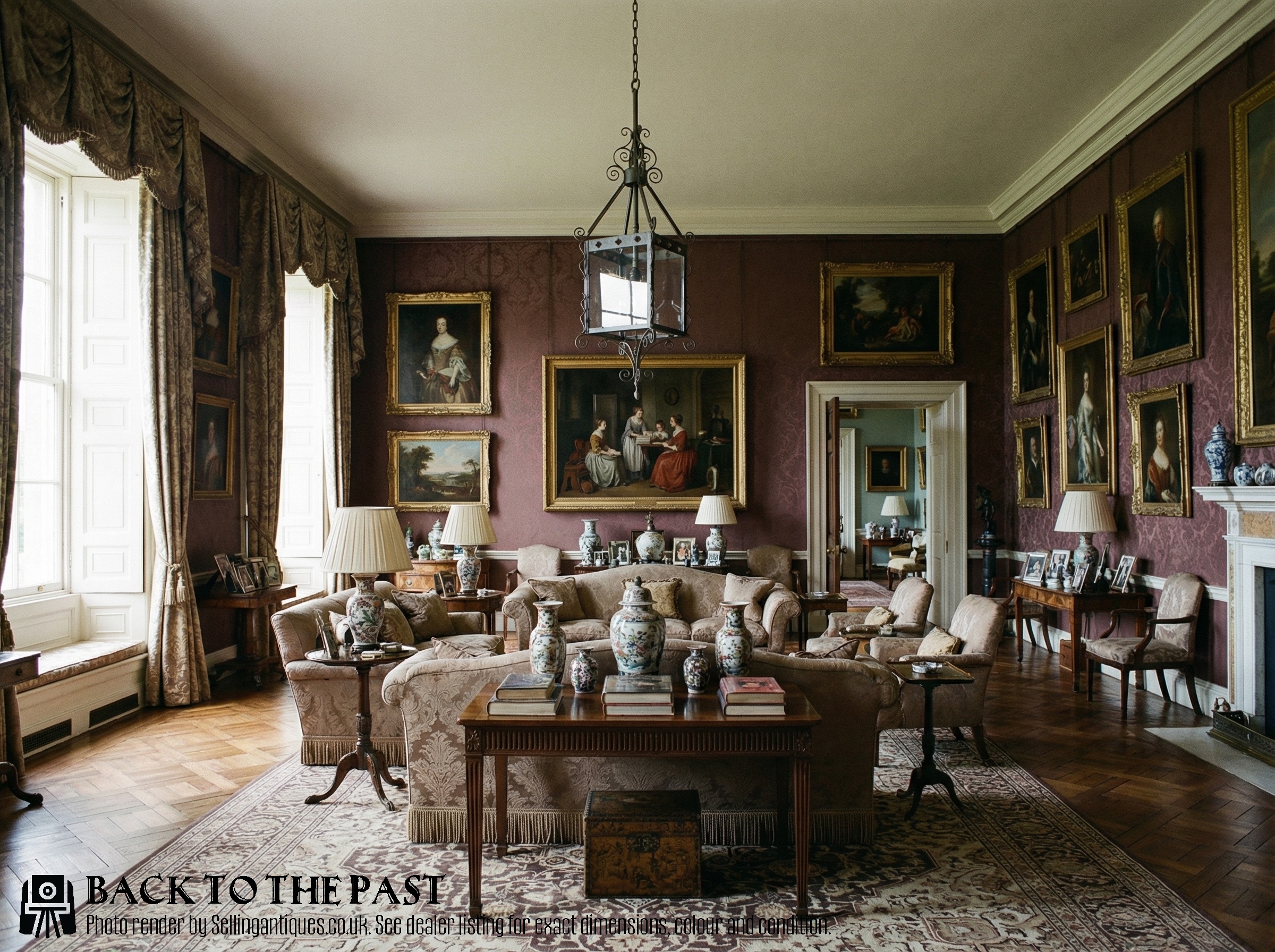
French and English origins appear frequently, reflecting regional tastes in Gothic Revival, Industrial, and Arts and Crafts styles. Buyers frequently select these pieces to anchor period hallways or exterior gardens.
Materials and construction
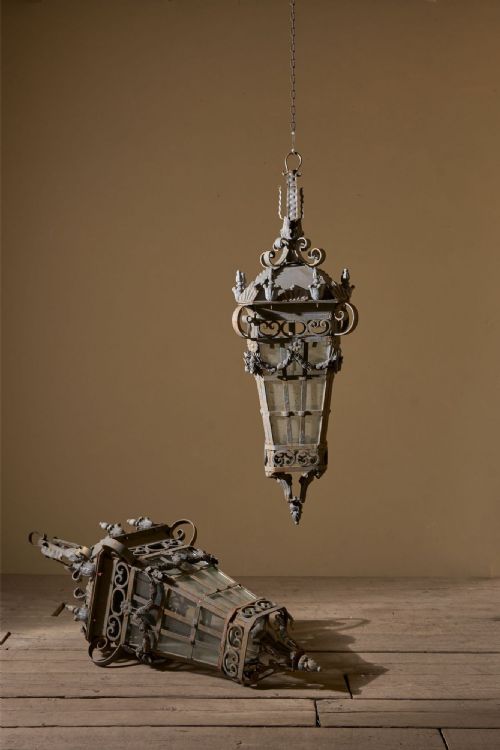
Makers shaped these lanterns primarily from iron, utilising both cast and wrought techniques alongside supporting elements of copper, brass, zinc, and steel. Heavy iron frameworks provide structural integrity, often paired with sheet copper or brass components.
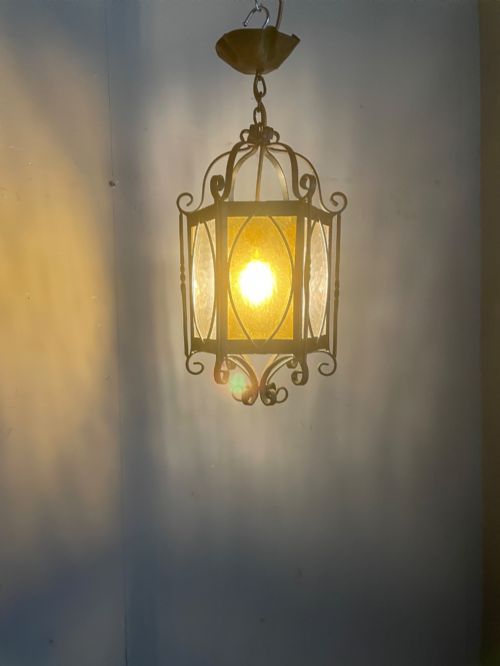
Panels of glass - clear, frosted, or stained - protect the interior flame or bulb from the elements. Artisans assembled these components using lead cording, rivets, and soldered joints designed to endure outdoor exposure and constant use.
Materials span wrought iron, cast iron, copper, brass, steel, and frosted glass across Victorian, Edwardian, and 1920s eras.
Evaluating craftsmanship and condition
Quality rests in the heaviness of the metalwork and the crispness of the blacksmithing, distinguishing standard utility items from bespoke architectural commissions. Hand-forged wrought iron joints and complex cast ornamentation show superior hand labour.
Intact original glass panels and preserved surface patinas elevate a piece's integrity. Modifications, such as conversions from gas or oil to electricity, alter the internal wiring but leave the outer metal shell intact.
REVO·Daris·Dressel
The Antique Iron Lantern Glossary
- Wrought iron
- Iron beaten into shape while hot by a blacksmith, yielding a fibrous texture and strong durability. It frequently forms the scrolling brackets and frames of hanging hall lights.
- Cast iron
- Molten iron poured into a mould to create rigid, highly detailed decorative structures. It appears on heavy base plates, lamp posts, and robust structural lanterns.
- Gothic Revival
- An architectural and decorative style drawing on medieval forms, featuring pointed arches and heavy iron tracery. This aesthetic suits castle wall lights and church porch fixtures.
- Arts and Crafts
- A design movement valuing visible handcraft and honest materials over mass production. Lanterns in this style exhibit plain structural honesty and simple geometric framing.
- Coach lamp
- A specialised side lantern originally mounted to horse-drawn carriages before transitioning to early automobiles. These typically feature glass panels set into rigid metal boxes with mounting brackets.
Antique Iron Lantern: Frequently Asked Questions
How do I hang a heavy iron lantern safely?
Heavy iron lanterns require secure anchoring into ceiling joists or masonry rather than standard plasterboard fixings. Consult a structural specialist to evaluate the weight capacity of your mounting point.
Ensure that any electrical conversion meets current safety standards before suspending the fixture overhead. Professional installation guarantees the bracket supports the mass of the metal and glass.
Can these outdoor lanterns withstand modern weather?
Most antique outdoor lanterns were constructed to endure decades of exposure to rain and wind. The durability depends on the current condition of the iron frame and protective surface coatings.
Applying a clear microcrystalline wax can help inhibit further oxidation on exterior metal surfaces. Regular checks of the glass seals prevent moisture from accumulating inside the housing.
How do I clean historic iron and glass?
Dust the iron framework gently with a soft dry brush to remove surface debris without damaging the patina. Avoid abrasive chemical cleaners that strip historic finishes.
Clean the glass panels separately with a mild detergent solution and a lint-free cloth. Take care not to dislodge old lead cording or brittle putty holding the panes in place.
Were all these lanterns originally used outdoors?
These pieces served diverse functions, ranging from railway signaling and street lighting to interior hallway illumination. Indoor hall lanterns utilised delicate wrought iron and stained glass meant for sheltered environments.
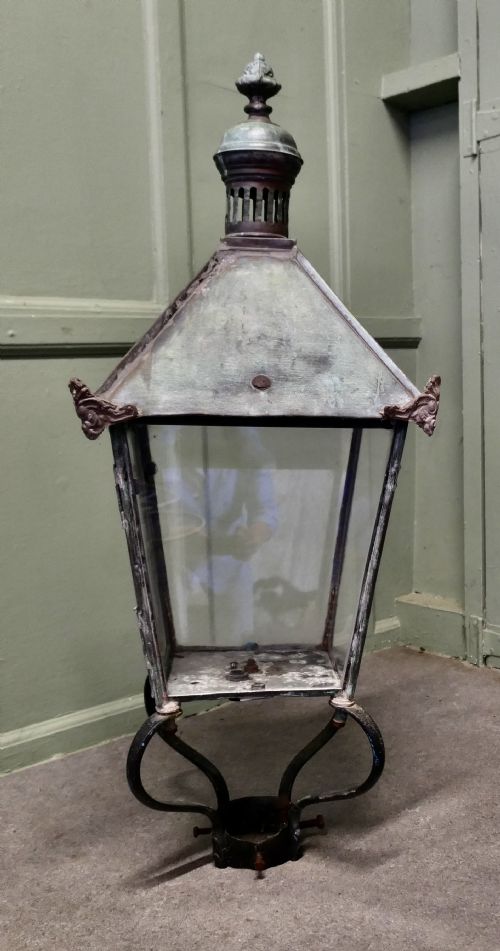
Exterior examples like porch lights, garden lanterns, and street lamps utilised heavier cast iron and thicker protective glass. Examining the mounting hardware usually reveals whether a piece hung inside a vestibule or outside on a wall.