


Vintage Entry Light
A vintage entry light sets the tone of a home, casting warm illumination over a threshold through period glass and metal.
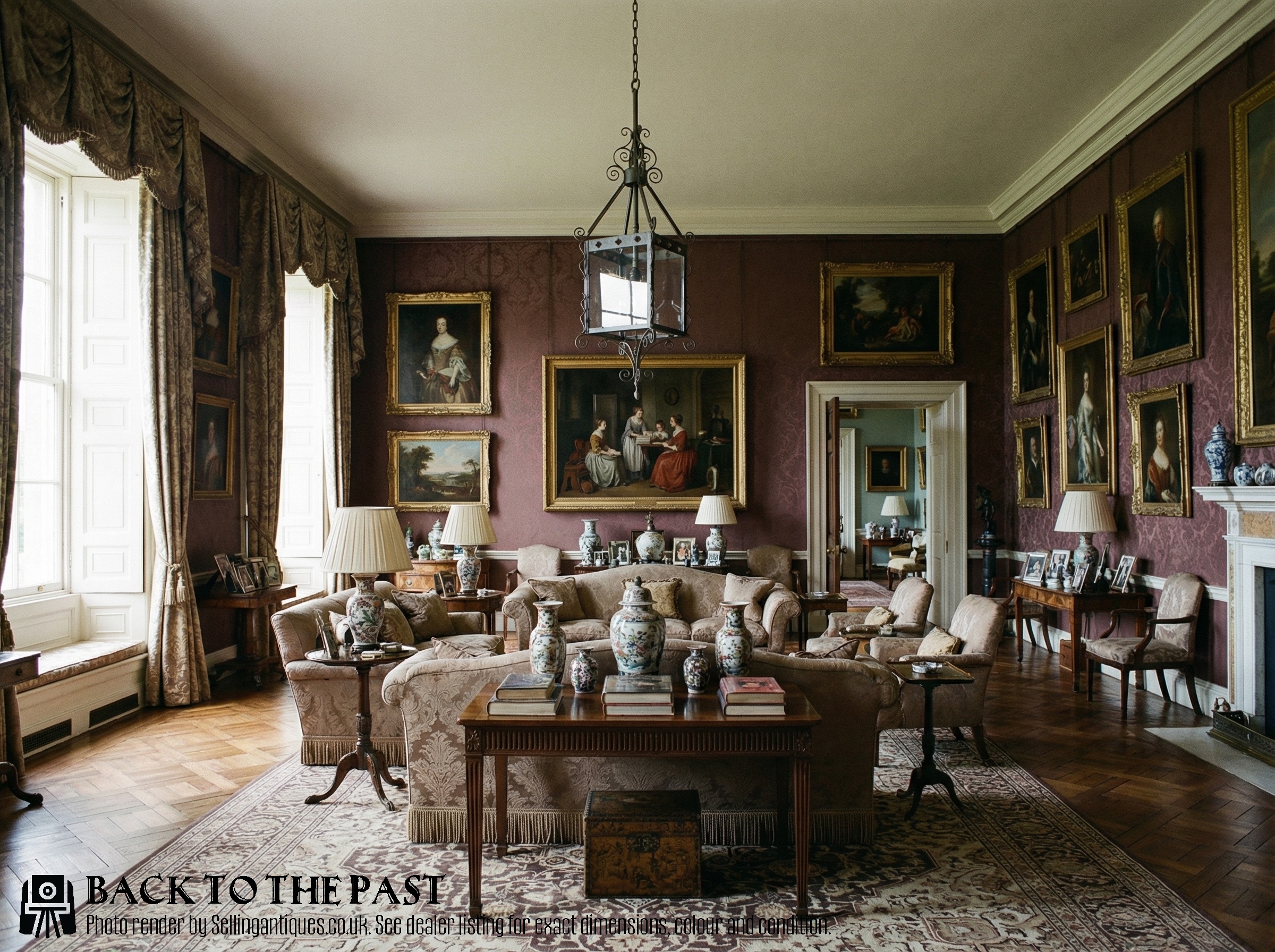
Vintage Entry Light
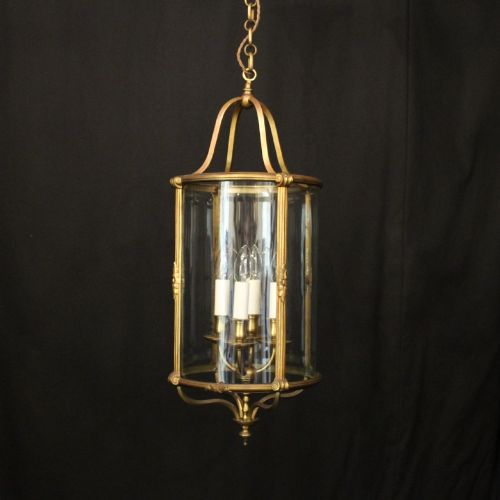
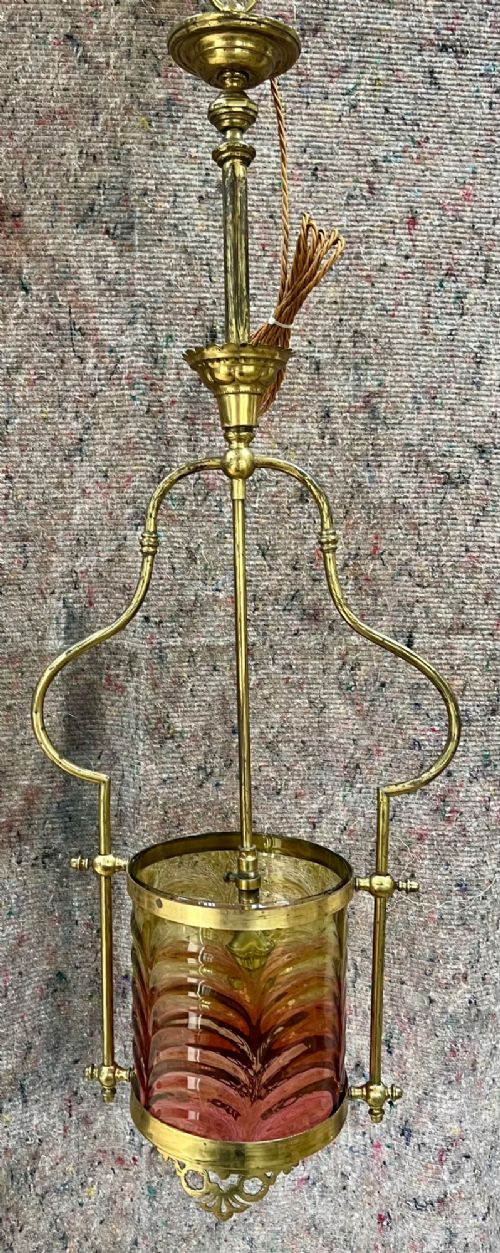
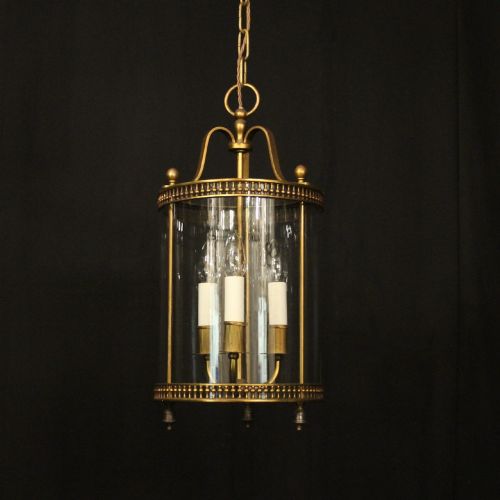
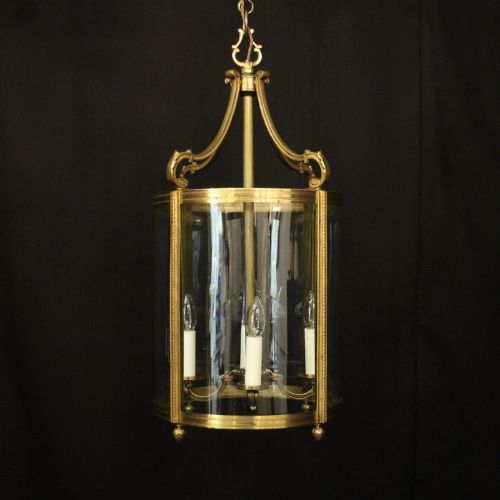
A vintage entry light spans hall lanterns, hanging fixtures, and wall-mounted lanterns designed to light corridors and vestibules. These pieces emerge from periods ranging from the Victorian era and Edwardian years through the 1920s and 1930s.
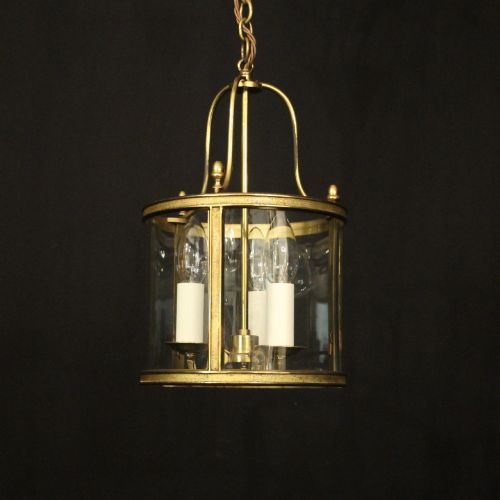
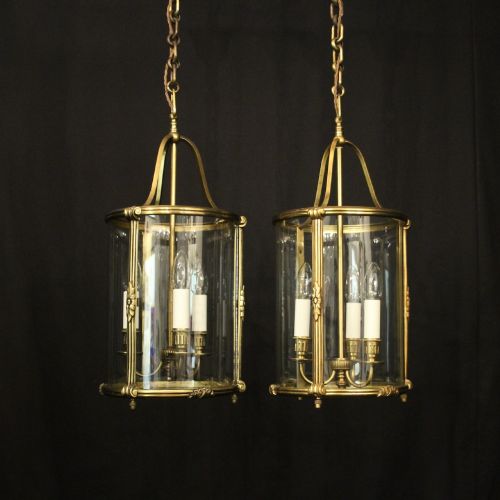
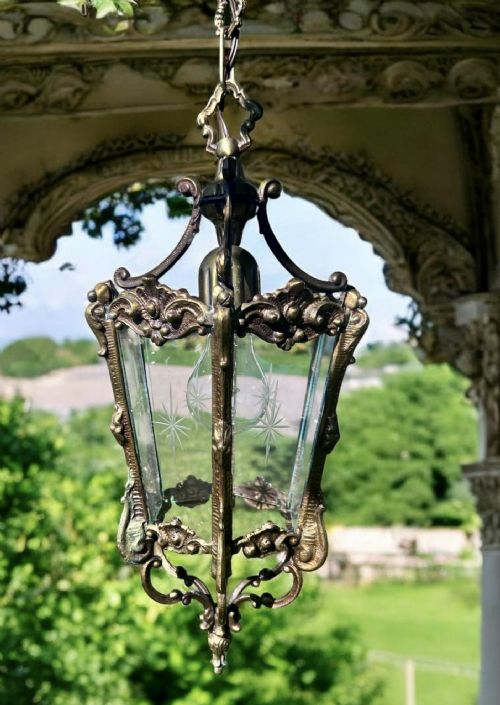
The most common examples on this page are French hall lanterns, often constructed with multiple lights and convex or bevelled glass panels. Alongside these hanging fixtures, the selection includes English and Italian brass, bronze, and copper designs.
Materials and construction
The primary structural materials are metals including brass, gilded bronze, gilt brass, copper, and wrought iron, which form the skeletal frames. These metal elements are frequently cast, forged, or soldered to create secure housing for internal bulbs.
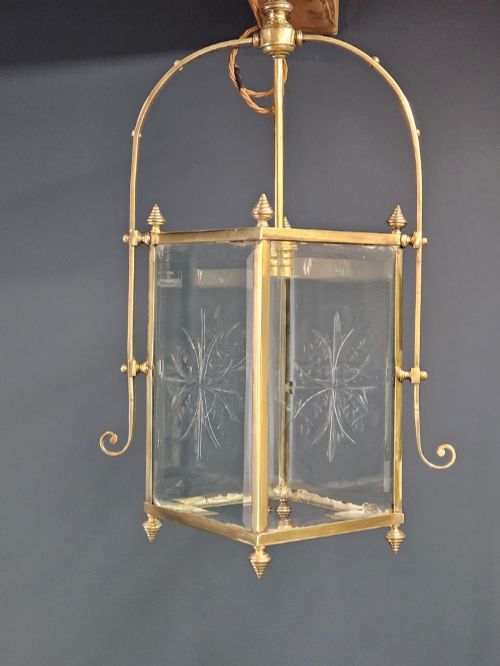
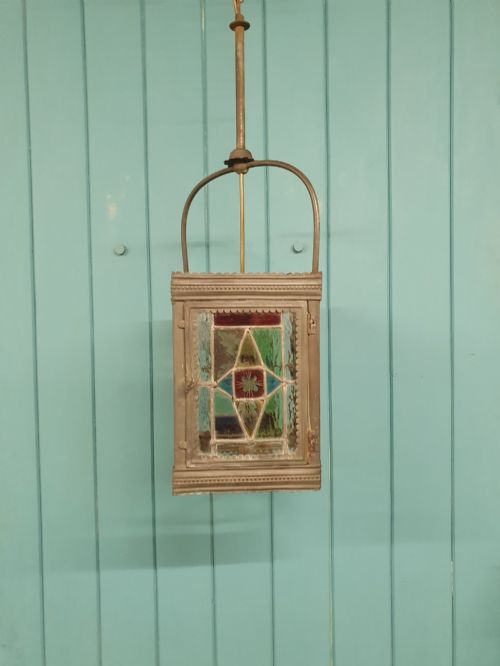
Glass forms the secondary component, appearing as clear, bevelled, or leaded panels fitted tightly into the metal framework. This combination allows light to diffuse evenly while protecting the flame or early electrical fittings from drafts.
Assessing quality and craftsmanship
Quality in these lanterns rests upon the weight and finish of the metalwork, distinguishing heavy cast bronze or thick brass from lighter folded sheet metal. Finer pieces exhibit crisp chasing, robust gilding, and securely joined structural components that withstand the rigours of a busy corridor.
The treatment of the glass further separates standard examples from superior ones. Bevelled edges, leaded joints, and curved convex panes require specialist skill to shape and fit, adding depth and optical clarity to the completed fixture.
Fortnum and Mason
The Vintage Entry Light Glossary
- Hall lantern
- A hanging light fixture designed specifically for narrow corridors, vestibules, and entrance halls. These pieces typically hang from a chain or rod.
- Gilded bronze
- Bronze metal treated with a thin layer of gold leaf or gold paint. This finish provides a durable, reflective surface that resists tarnishing.
- Convex glass
- Glass panels that curve outward from the frame. This technique diffuses light across a wider angle and adds visual dimension to the lantern.
- Bevelled glass
- Glass panes featuring an angled edge cut around the perimeter. The angled border refracts light to create a decorative prismatic effect.
- Arts and Crafts
- A design movement valuing handcraftsmanship and simple forms over mass production. Objects from this tradition often feature exposed joinery and honest materials.
Vintage Entry Light: Frequently Asked Questions
How do I hang a vintage entry light?
These fixtures typically suspend from ceilings using chains or rigid rods connected to a mounting canopy. Professional installation is recommended to support the weight of heavy bronze or brass frames.
Ensure the hanging height clears head height while positioning the light to adequately illuminate the entire entryway or hallway space.
Are these lights wired for modern electricity?
Most antique and vintage fixtures require rewiring or inspection by a qualified electrician to meet current safety standards. Original sockets are frequently replaced with modern equivalents during restoration.
Checking the internal wiring ensures compatibility with contemporary bulbs and standard domestic electrical circuits.
How do I clean brass and bronze lanterns?
Maintenance involves gently dusting the metal framework and glass panels with a soft, dry cloth. Avoid harsh chemical cleaners that strip historical patina or damage delicate gilding.
Glass panels can be removed carefully for cleaning with mild soapy water before being dried and refitted into the frame.
What distinguishes an Edwardian lantern from a Victorian one?
Victorian lanterns tend to display heavier ornamentation, darker patinas, and robust proportions influenced by historic revival styles. Edwardian designs often lean towards lighter brass frames and cleaner geometric lines.
Examining the metal alloy and glass cutting techniques helps determine the manufacturing period of each specific piece.