


Metal Hanging Light
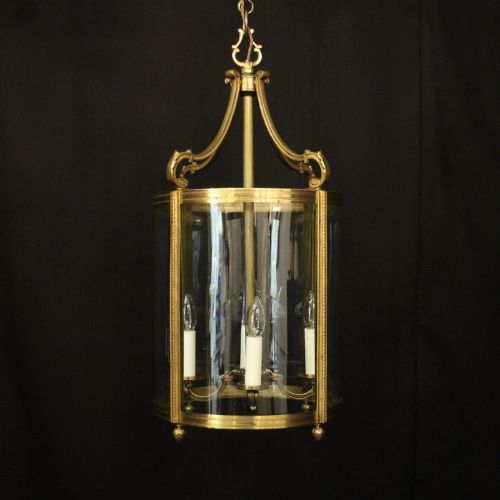
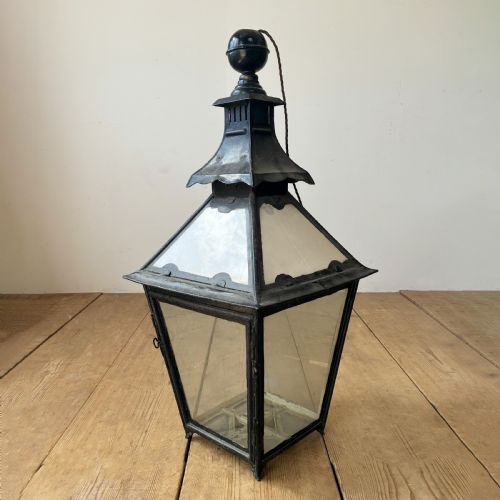
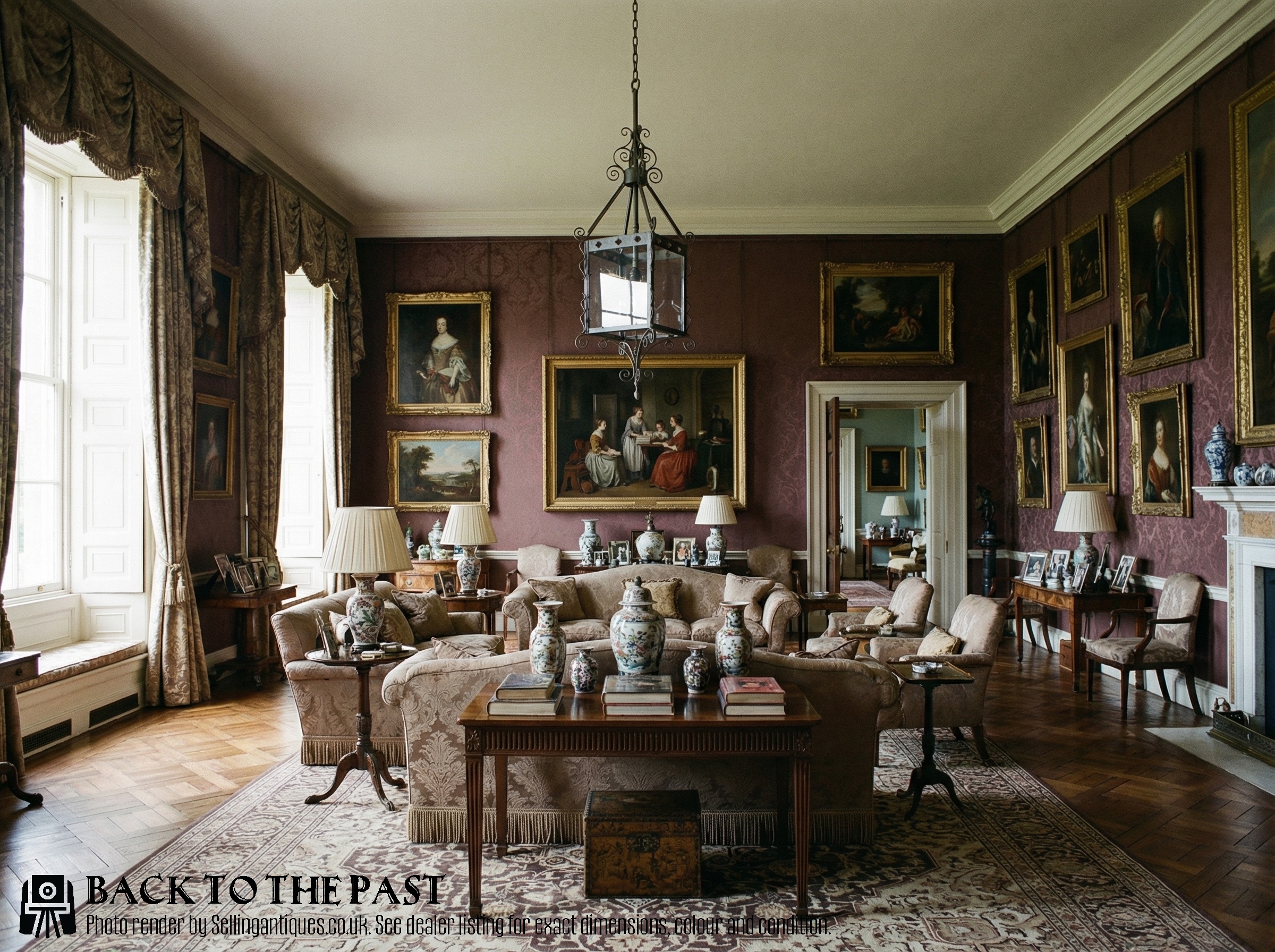
These metal hanging light fixtures bring period character and ambient illumination to high ceilings and entrance spaces.
Metal Hanging Light
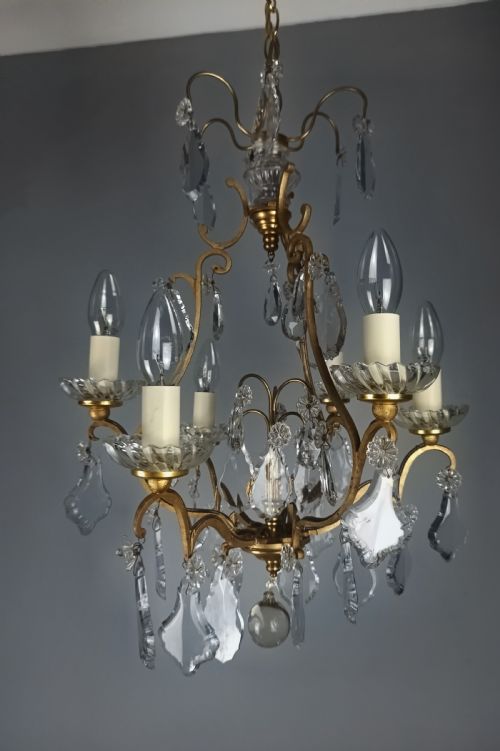
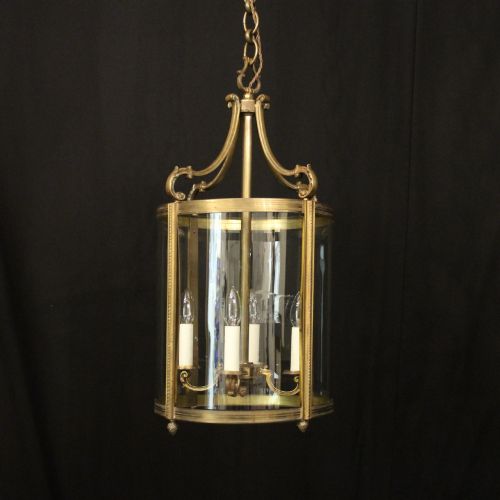
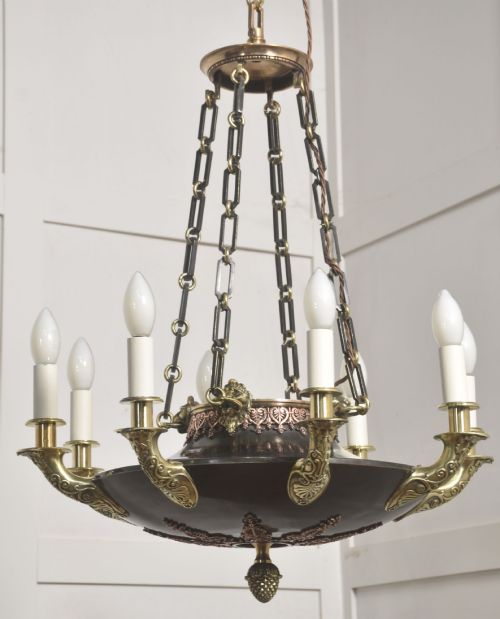
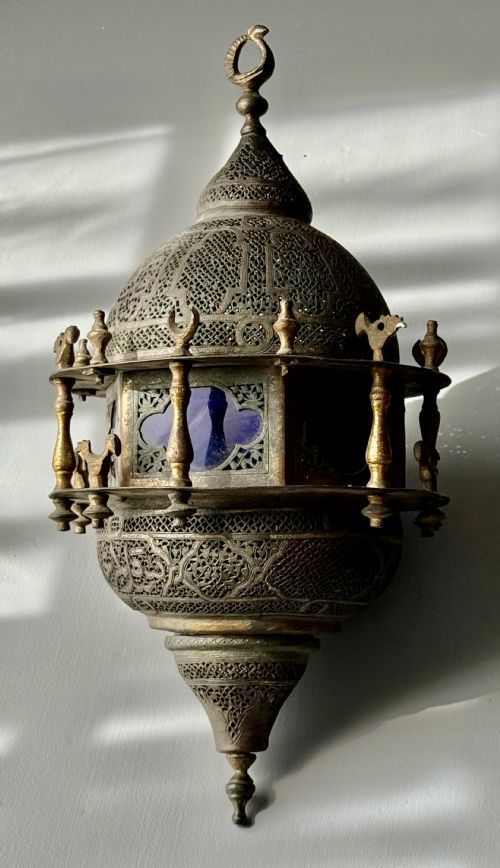
A metal hanging light encompasses fixtures suspended from ceilings by chains, rods, or cord, functioning primarily as central illumination for rooms and hallways. These pieces range from grand multi-armed chandeliers to enclosed hall lanterns and single pendant lamps, spanning periods from the nineteenth century through the 1930s. Buyers searching for a metal hanging light encounter diverse regional designs, with French and English examples appearing frequently alongside Italian and North African pieces.
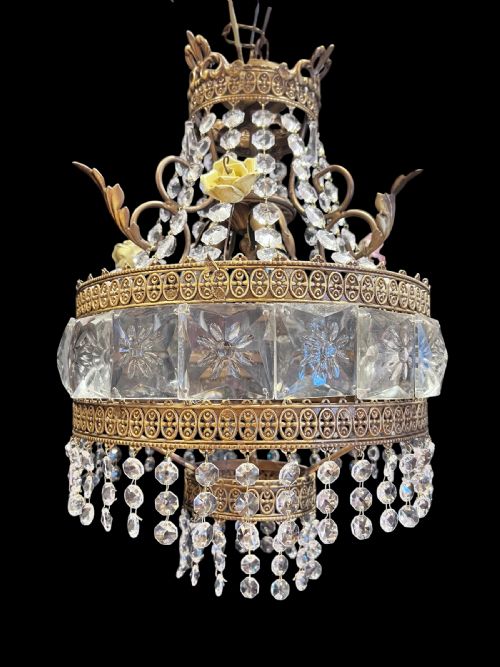
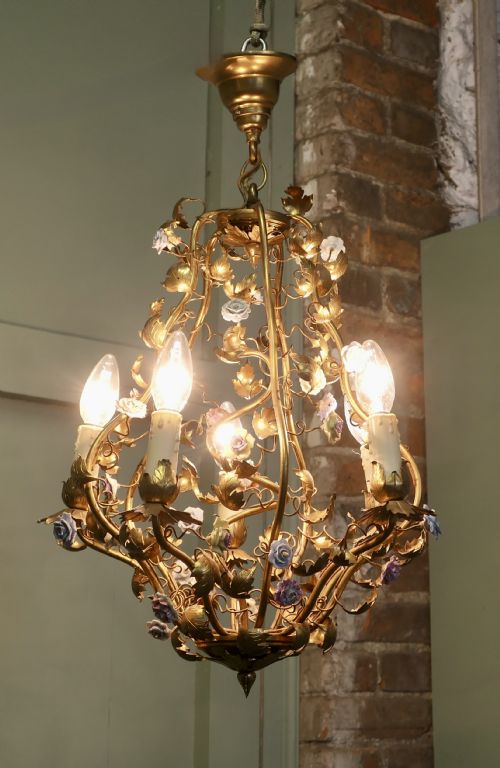
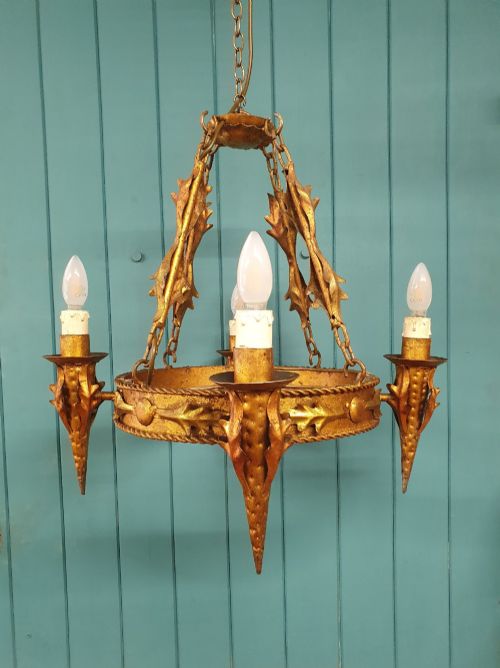
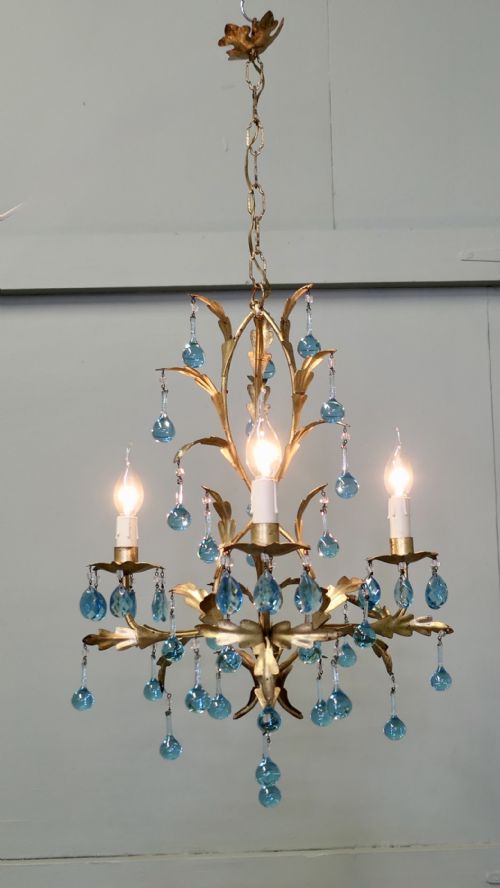
The materials utilised in these hanging lights define their visual weight and presence within a room, combining structural metal frames with glass, crystal, and ceramic elements. Brass, bronze, wrought iron, and gilt metal form the structural bones, often embellished with coloured crystal teardrops, porcelain flowers, or hand-blown bulls eye glass panels. Stylistic influences vary widely across the inventory, drawing on Art Deco, Art Nouveau, Gothic Revival, and various French classical revivals such as Louis XVI and Empire styles.
Materials and construction
Craftsmen built these hanging lights using cast, forged, and spun metals combined with hand-formed glass and crystal components. Bronze, brass, and wrought iron provide the primary structural support, shaped through casting or hand-forging to create intricate frames, arms, and pierced panels. Gilded finishes, tolewear paintwork, and patinated bronze surfaces were applied to enrich the metalwork before assembly.
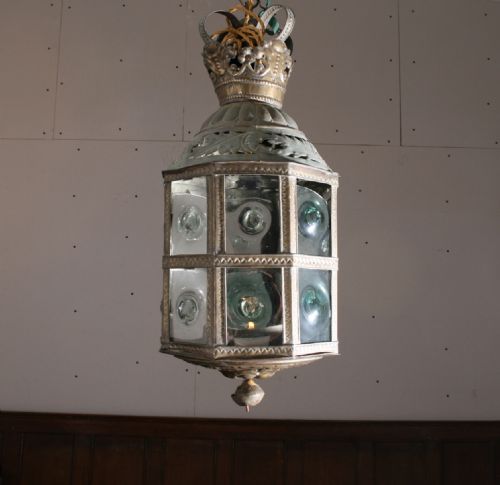
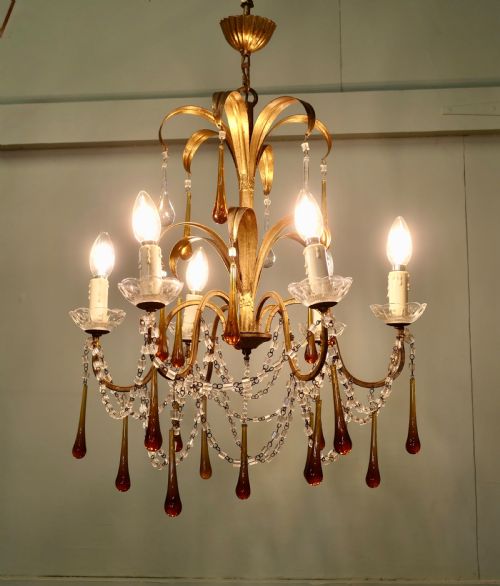
Glass and crystal elements were integrated to diffuse or refract light from the bulbs or candles within. Panels of bevelled glass, opalescent glass, and hand-blown bulls eye glass fit securely into metal lantern frames, while crystal teardrops, prisms, and coloured fruits dangle from chandelier branches. Pierced brass lantern bodies demonstrate intricate pierced work that casts patterned shadows when illuminated.
Periods represented on this page range from the 18th century through the Edwardian era and the 1930s.
Assessing quality in hanging lights
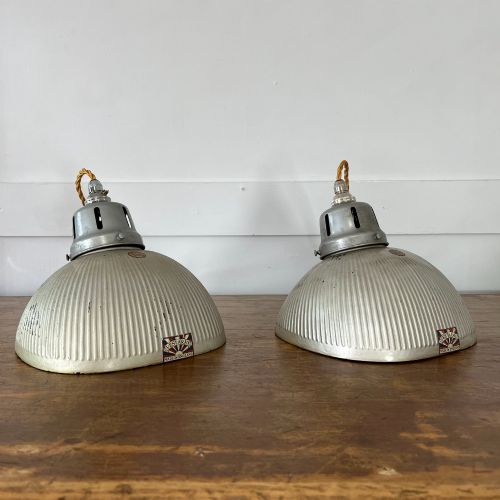
Quality in these fixtures rests upon the crispness of the metal casting, the weight of the bronze or brass, and the integrity of the structural joints. Finer pieces display sharply detailed chasing on cast bronze mounts and robust arm construction that supports the fixture without sagging. Lighter or later commercial examples often substitute pressed sheet metal for substantial cast elements.
The refinement of the glass and crystal components further separates standard pieces from exceptional ones. Hand-blown glass panels, bevelled edges, and lead-rich crystal prisms that retain sharp facets indicate superior production standards. The quality of original gilding, whether gold leaf or fire gilding, also determines the enduring depth of finish on bronze and brass frames.
G.E.C·Pugin
The Metal Hanging Light Glossary
- Hall lantern
- An enclosed hanging light designed specifically for entryways and corridors, typically featuring glass panels set within a metal frame. These fixtures protect the light source from drafts and direct illumination downwards.
- Chandelier
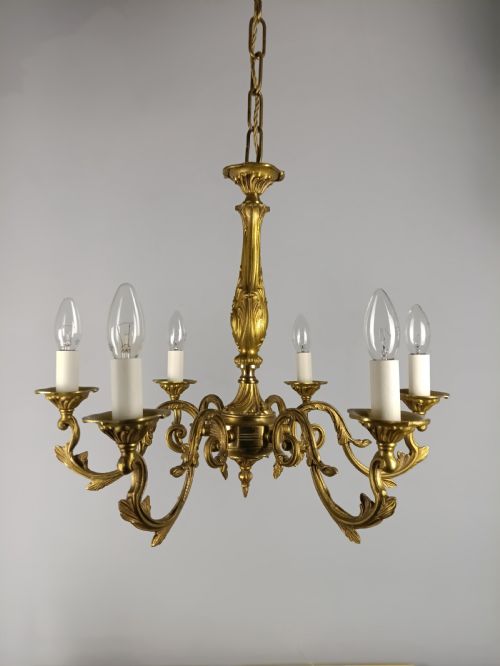
- A branched, suspended lighting fixture holding multiple bulbs or candles. They distribute light across a larger space and often incorporate crystals or decorative ceramic elements.
- Tolewear
- Painted or lacquered sheet metal, frequently decorated with floral motifs in imitation of more expensive Japanese or Chinese lacquerware. It appears commonly on French chandeliers from the early twentieth century.
- Ormolu
- Finely chased and gilt bronze ornament applied to furniture and lighting fixtures. The technique involves coating bronze with a gold amalgam and heating it to bond the precious metal.
- Bulls eye glass
- Thick, round panes of glass featuring a central circular distortion or boss left by the glassblower's pontil rod. These panels impart an uneven, textured appearance to lantern windows.
Metal Hanging Light: Frequently Asked Questions
How do I hang a heavy antique lantern?
Suspension of heavy bronze or iron lanterns requires anchoring directly into ceiling joists using a rated ceiling hook and appropriate mounting hardware. The weight of the fixture dictates whether a standard electrical box suffices or if an independent load-bearing support rod is necessary.
Professional installation is strongly advised for antique fixtures weighing more than a few kilograms. Electricians can also ensure the internal wiring safely accommodates modern electrical standards without compromising the historical metalwork.
What rooms suit a brass hall lantern?
Hall lanterns suit entrance hallways, stairwells, and high-ceilinged corridors where their enclosed design directs light downward and creates an immediate focal point. Their vertical proportions make them ideal for narrow spaces where a wide chandelier would obstruct movement.
Positioning the lantern at a height that allows comfortable clearance beneath ensures proper scale and safety. In high-ceilinged rooms, extending the hanging chain brings the light source down to a more intimate level.
How do I clean antique crystal and bronze?
Dusting crystal teardrops and glass panels regularly with a soft cloth prevents grime accumulation that dulls light refraction. For a deeper clean, remove loose crystal elements and wash them in lukewarm water with a mild detergent before drying thoroughly.
Bronze and brass frames require minimal intervention to preserve their historic patination. Avoid abrasive metal polishes and instead use a dry microfiber cloth to gently remove surface dust from chased and gilded surfaces.
Are these lights wired for modern electricity?
Many surviving fixtures have been rewired at various points in their history to accommodate contemporary electrical bulbs. Rewiring typically involves threading new heat-resistant flex through the central channel and arms without altering the outer metal structure.
Inspecting the internal wiring prior to installation ensures compliance with current safety regulations. A qualified electrician can easily update older bulb holders to standard modern fittings while retaining the exterior antique appearance.