



Gothic Hall Pendant
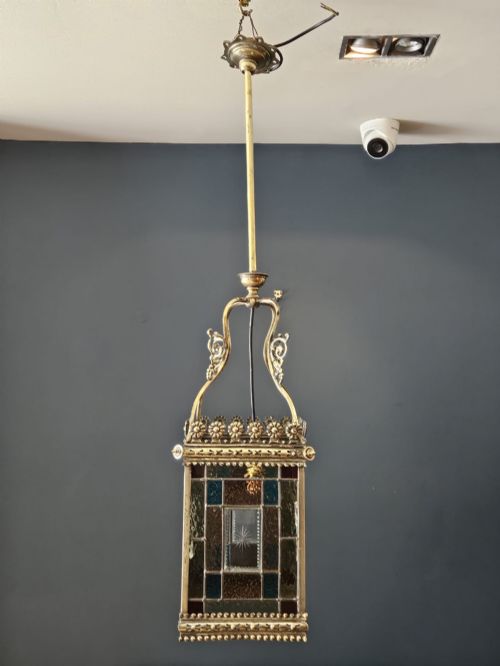
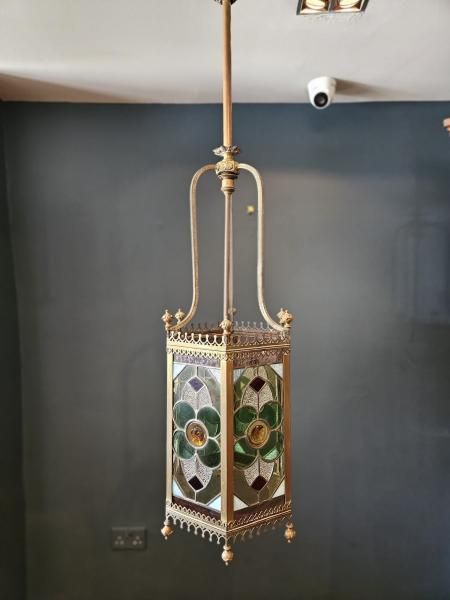
A gothic hall pendant sets a solemn tone in an entryway, combining structural metal frames with leaded or stained glass.
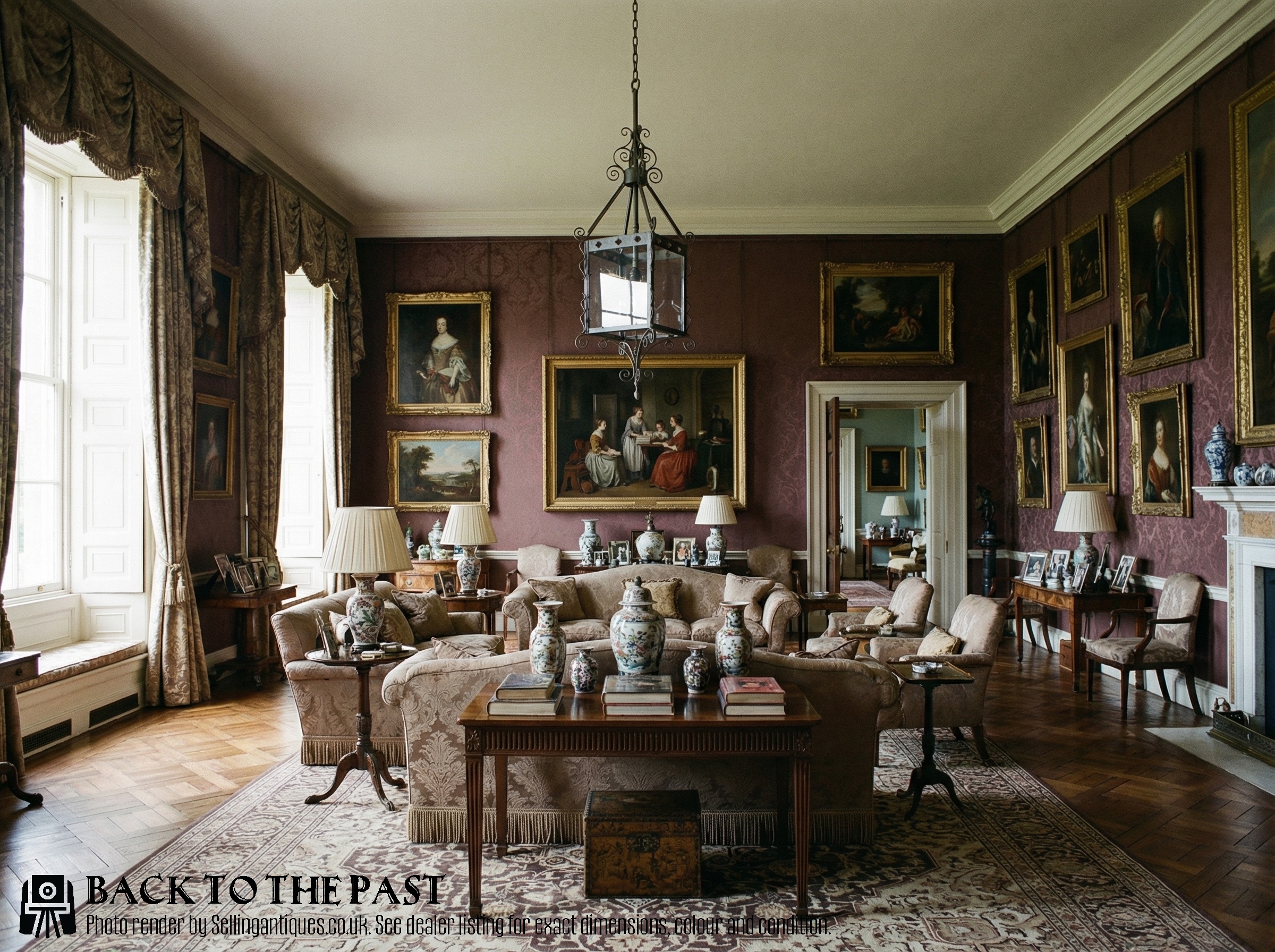
Gothic Hall Pendant
A gothic hall pendant provides overhead illumination in hallways, vestibules and porches, drawing on historical architectural motifs. These hanging lights span periods from the mid-nineteenth century through the 1930s, encompassing Victorian, Edwardian and Arts and Crafts examples.
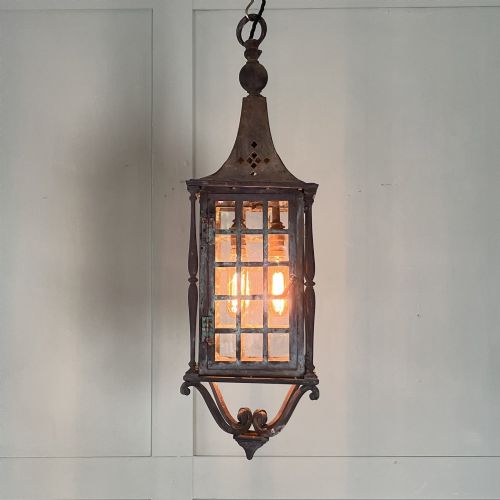
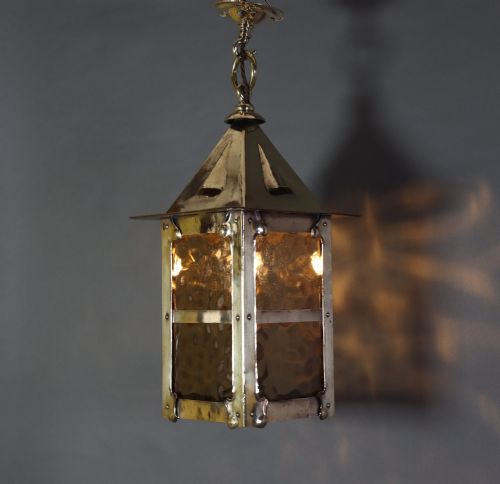
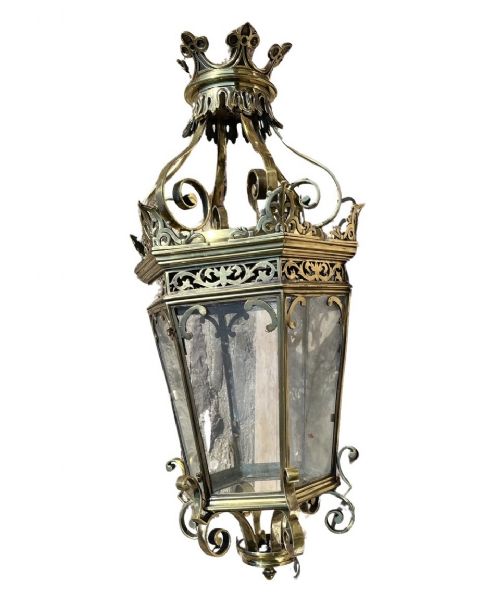
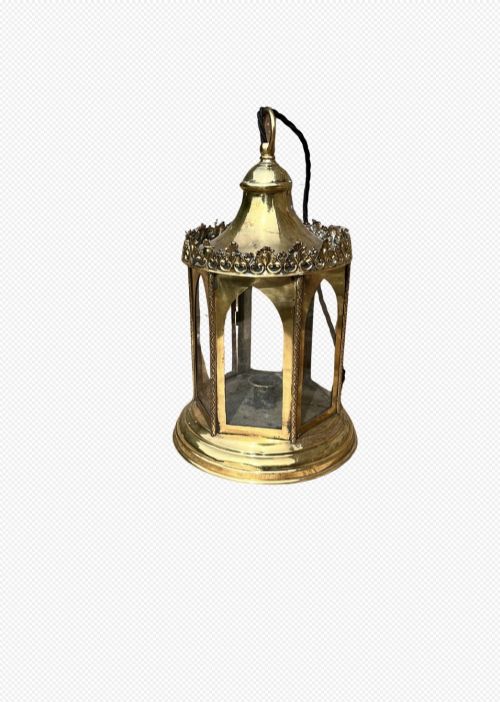
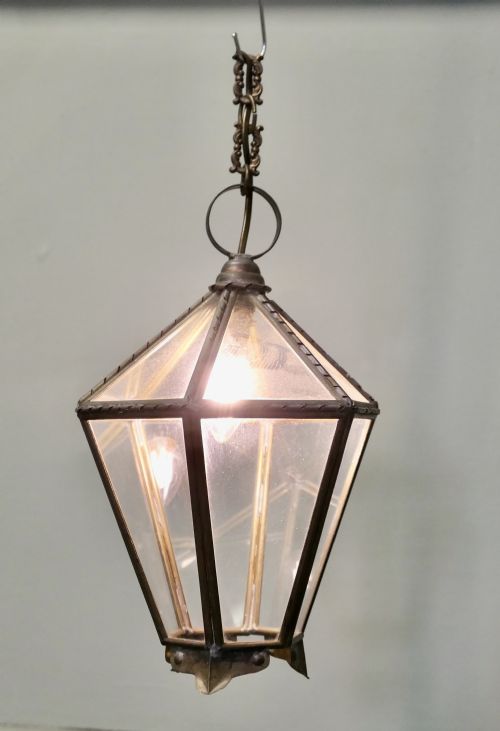
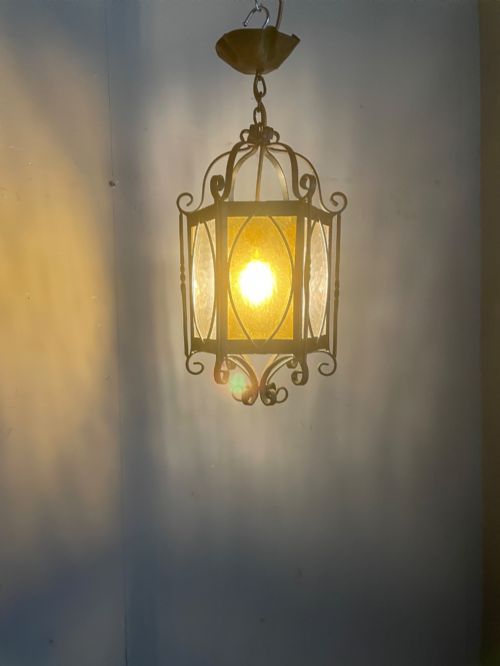
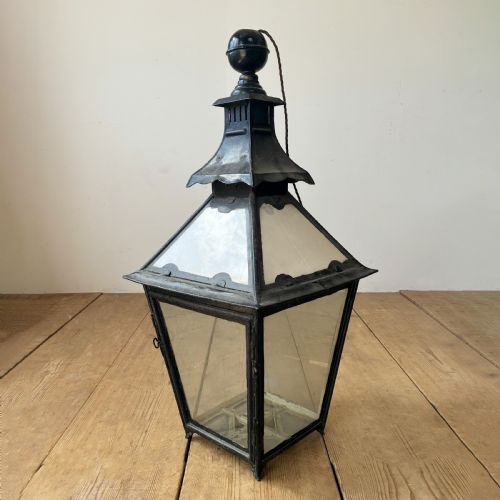
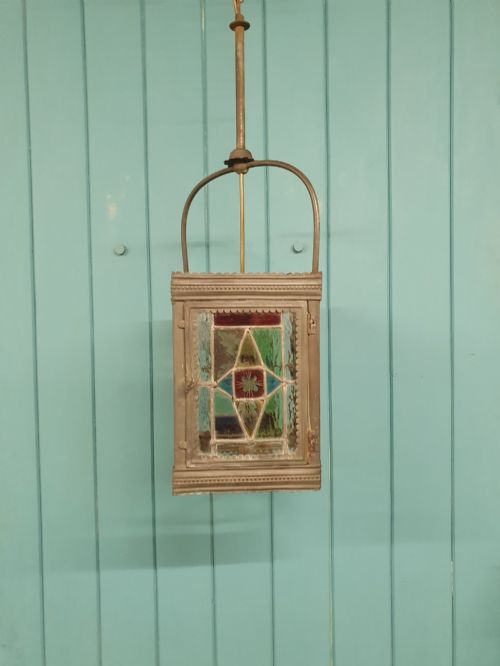
The most common version met on this page is a brass or wrought iron lantern housing leaded, stained or hand-blown glass panels. Forms range from hexagonal and square shapes to specialised designs like witches hats and green man motifs.
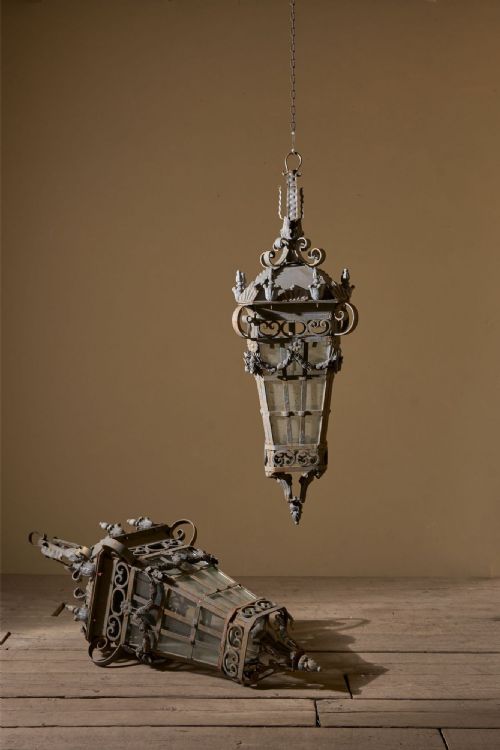
Origin points across the listings include English and French workshops, utilising styles such as Gothic Revival and Victorian Gothic. Buyers find single ceiling lights alongside matched pairs suited for grand entrances.
Materials and construction methods
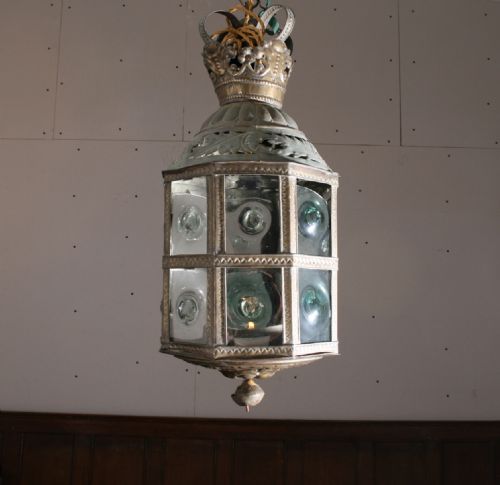
Frames are constructed from metals including brass, wrought iron, cast iron, steel, bronze and lead, shaped by blacksmiths and metalworkers. These structural skeletons support various glazing techniques, from plain leaded glass to stained glass and hand-blown bullseye panes.
Many items incorporate hinged doors for internal access, originally designed for candles before later electrical conversion. Gilding, patinated finishes and applied decorative elements such as shamrocks complete the assembly of these hanging lanterns.
Listings feature materials spanning brass, wrought iron, leaded glass, stained glass, bronze, steel, zinc and cast iron.
Distinctions in construction and design
Quality depends upon the weight and rigidity of the metal frame, alongside the complexity of the ironwork or brass casting. Heavier gauges of wrought iron and detailed hand-soldered leaded glass indicate superior execution.
Design ambition separates standard hallway lighting from exceptional architectural pieces, particularly those bearing stylistic references to designers or specific historical provenances.
Voysey·Pugin
The Gothic Hall Pendant Glossary
- Leaded glass
- Small panes of glass held together by lead cames, forming geometric or pictorial patterns within the lantern frame. This technique creates strong structural panels for hanging lights.
- Wrought iron
- Iron beaten and bent into shape by hand, resulting in textured, durable frames common in Arts and Crafts and Gothic Revival pieces. Blacksmiths utilised this material for exterior and interior lanterns alike.
- Bullseye glass
- Thick, circular glass panes featuring a central knot or lens where the glassblower's pontil rod was attached. It distorts light and adds texture to lantern walls.
- Gothic Revival
- An architectural and decorative style reviving medieval forms, pointed arches and heavy ecclesiastical details during the nineteenth century. Lanterns in this style often mimic church window tracery.
- Hexagonal form
- A six-sided lantern geometry that allows light to disperse evenly across a hallway or porch. This shape appears frequently in large Victorian brass and iron pendants.
Gothic Hall Pendant: Frequently Asked Questions
What is a gothic hall pendant?
A gothic hall pendant is a suspended ceiling light designed for entrance spaces, featuring medieval architectural influences like pointed arches and heavy metal framing. These fixtures typically enclose glass panels and hang from chains or rigid rods.
They serve as both functional illumination and decorative focal points in high-ceilinged corridors and porches.
Were these lanterns originally electrified?
Most nineteenth-century and early twentieth-century examples were originally lit by candles or oil before being wired for electricity later. Modifications often occurred as homes adopted modern lighting.
Buyers should examine the internal wiring to confirm current electrical safety standards while preserving the antique housing.
How do I date a brass lantern?
Dating relies on examining the construction methods of the metal frame, the style of the screws or rivets, and the composition of the glass. Victorian pieces often display heavier brass castings and distinct Gothic ornamentation.
Edwardian and later 1920s examples frequently introduce simpler Arts and Crafts lines or sleeker ironwork.
Can these lights be hung outside?
Certain pieces are designated as porch lights or outside lanterns, built with robust iron or zinc frames to withstand exterior conditions. Weathered surfaces and sturdy materials indicate intended outdoor placement.
Indoor hall pendants use more delicate brass or stained glass that suits sheltered entryways better.