



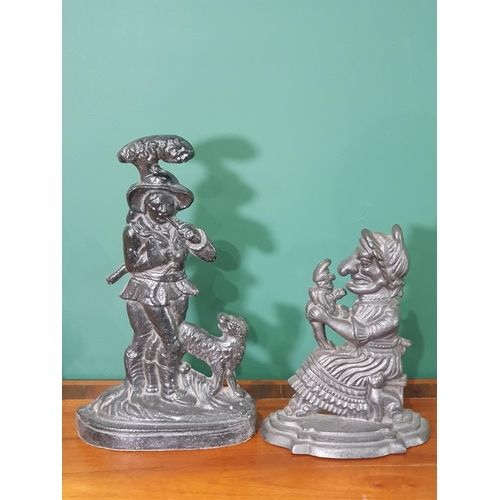
Antique Iron Door Weight
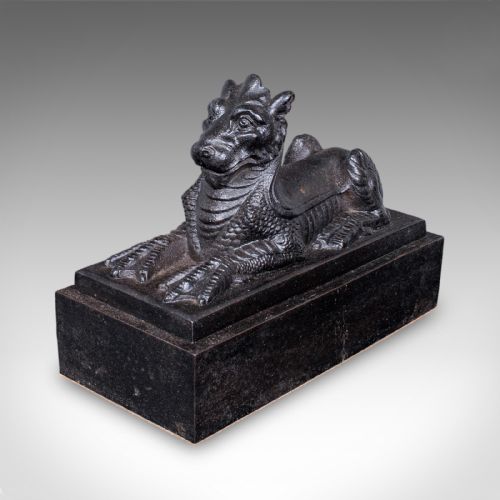
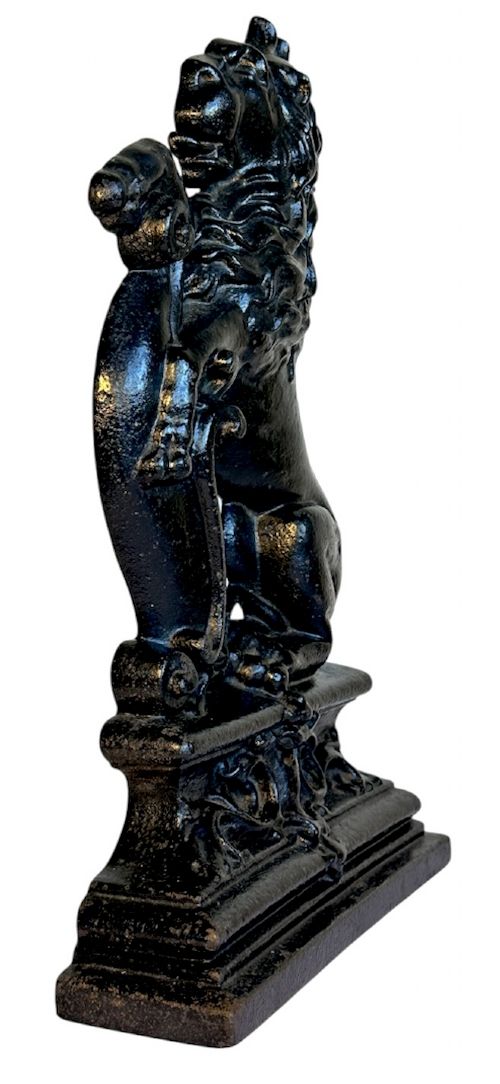
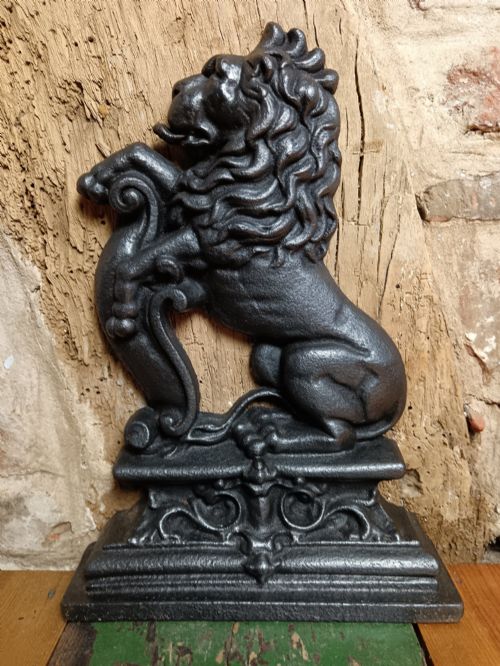
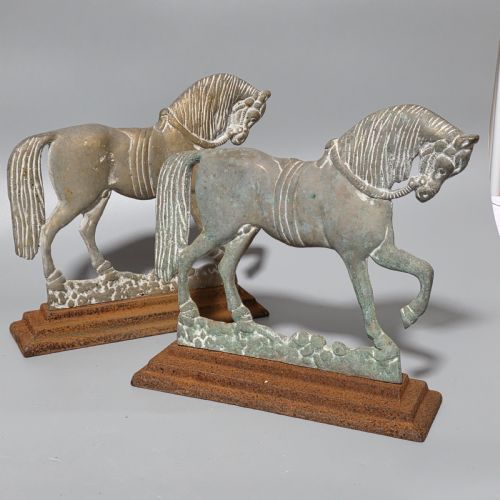
These heavy cast iron door stops hold open heavy house doors with substantial weight and distinct personality.
Antique Iron Door Weight
An antique iron door weight, known commonly as a doorstop or door porter, is a functional object designed to hold interior doors open. When you search for this phrase, you find practical household items shaped into figurative forms.
The pieces listed on this page span the Georgian, Regency, Victorian, and Edwardian periods. You meet domestic animals, mythological figures, and cultural characters cast in heavy metal.
Victorian examples dominate the selection, featuring lions, dogs, horses, and figures such as Mr Punch or Lord Nelson. English country house and Gothic revival styles appear frequently among these utilitarian sculptures.
How they were made
Foundries produced these items primarily through sand casting, pouring molten iron into moulds to create solid, heavy forms. Brass components occasionally complemented the iron structure, while wood appears in supporting elements.
Listings span multiple eras including Georgian, Regency, Victorian, and Edwardian periods, utilising cast iron, brass, paint, and wood.
What varies in quality
Preservation of original painted surfaces significantly influences the character of each piece. Items that retain their early polychrome finishes demonstrate greater visual depth than stripped or later repainted surfaces.
The Antique Iron Door Weight Glossary
- Door porter
- An alternative term for a heavy doorstop designed to be lifted and moved by a handle. These objects served the same function as standard door weights.
- Cast iron
- An iron-carbon alloy poured into moulds to form rigid, heavy shapes. This material provided the necessary mass for holding doors.
- Egyptian revival
- A nineteenth-century design style incorporating motifs inspired by ancient Egypt. Sphinx figures represent this aesthetic in the listings.
- Polychrome
- Decorated in multiple colours. Original painted surfaces often used this technique to define animal coats and human garments.
Antique Iron Door Weight: Frequently Asked Questions
How heavy are antique iron doorstops?
These items possess substantial mass designed to hold open heavy interior doors without sliding. Their weight comes from solid cast iron construction.
Smaller domestic animal forms weigh less than large architectural lions or figurative sentries.
Where were door porters used?
Households placed these objects in hallways and principal rooms to manage draughts and keep heavy doors stationary. Servants moved them between rooms as needed.
Their decorative forms suited formal reception spaces as well as country house corridors.
How do I identify a Victorian doorstop?
Victorian pieces frequently depict popular cultural figures, heraldic animals, or literary characters from the nineteenth century. Look for subjects such as Mr Punch, Lord Nelson, or Gothic revival motifs.
Foundry marks and casting characteristics help confirm the nineteenth-century origin.
Can I use them on modern doors?
These heavy iron weights function effectively on modern interior doors that require a sturdy prop. Their solid bases remain stable on wood and carpet floors.
Care should be taken on delicate flooring surfaces to avoid scratching.