
Antique Iron Bench
An antique iron bench brings structural elegance and enduring form to a garden or hallway, offering a tactile connection to past craftsmanship.
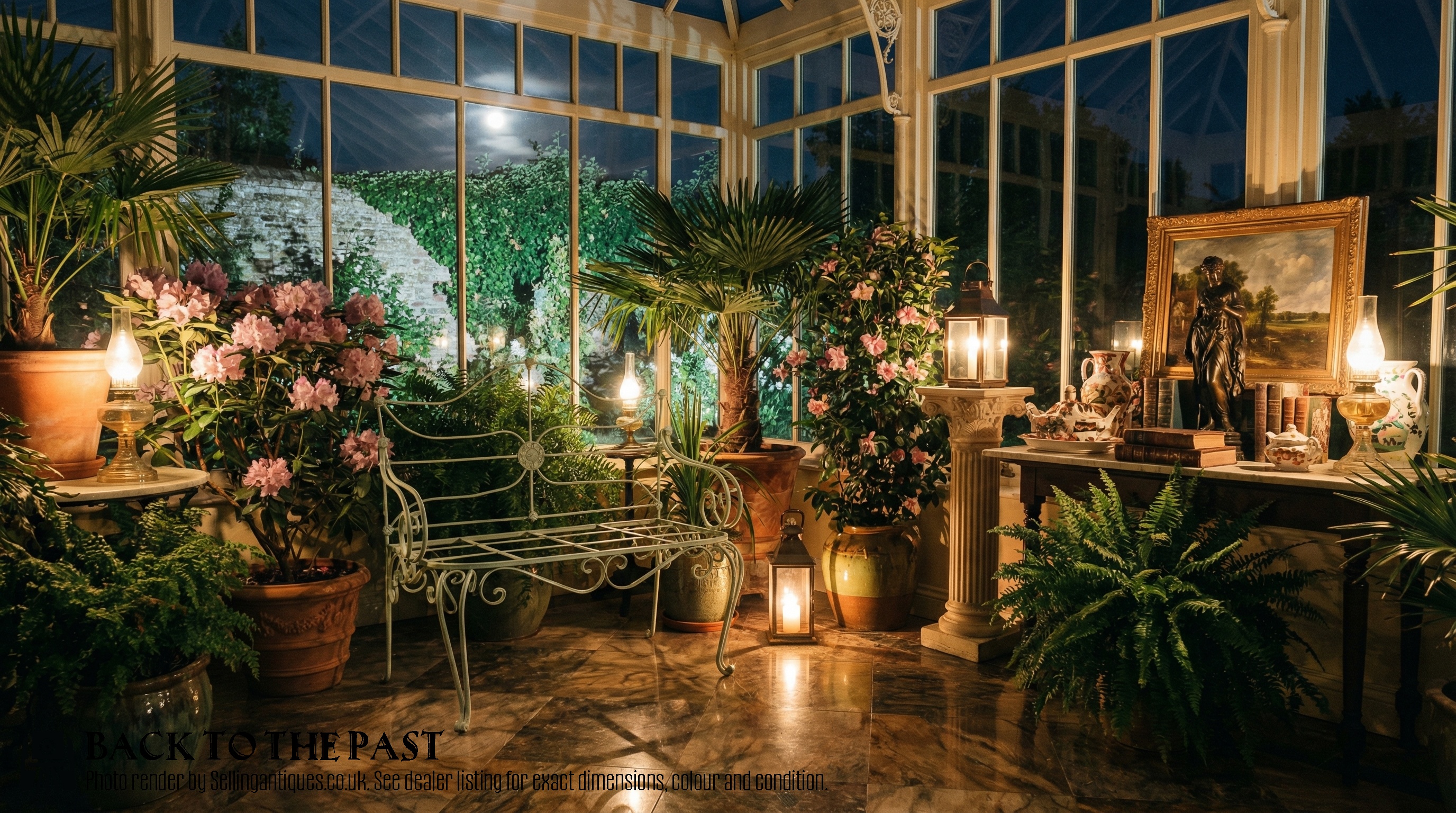
Antique Iron Bench
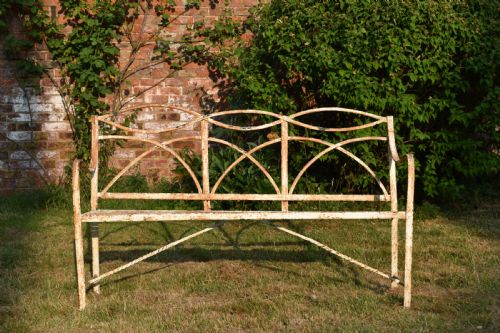
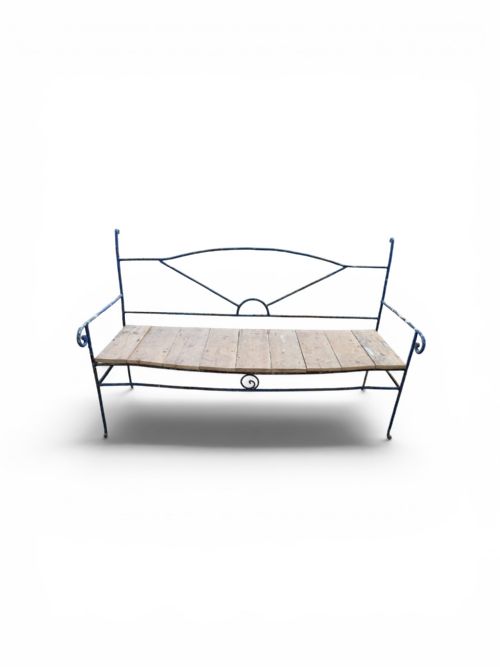
An antique iron bench is a sturdy outdoor or indoor seat typically combining metal frames with wooden slats, designed to withstand the elements while providing decorative garden seating. These pieces span several distinct eras, with the Victorian period and the Regency period yielding many of the most notable surviving examples found on this page.
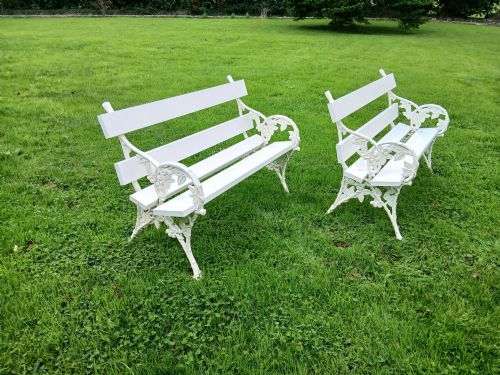
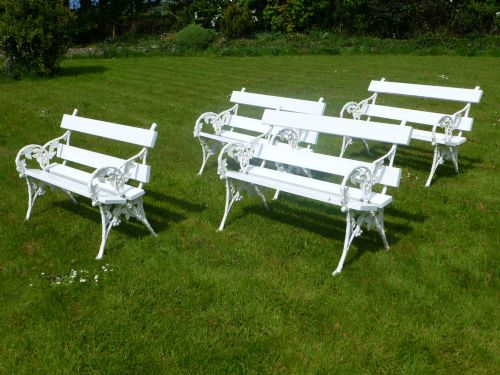
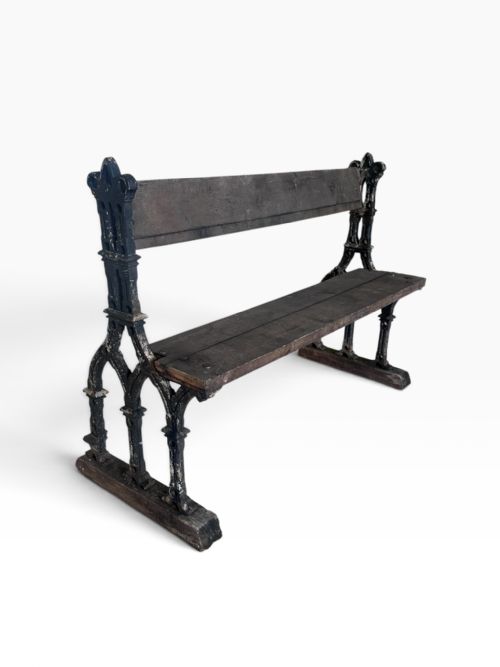
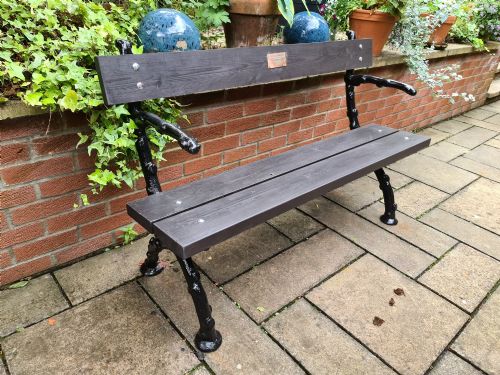
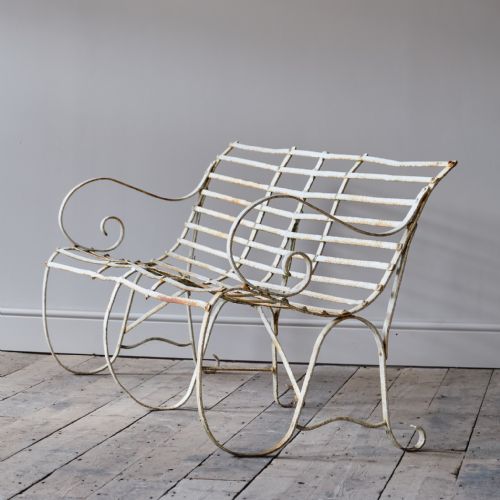
The most common versions encountered here are garden benches featuring cast iron ends paired with timber, alongside graceful wrought iron strapwork seats. Forms range from two-seater garden seats to elaborate Arras furniture, French Gothic-influenced metal designs, and specialised items such as tram or trolley bus reversible benches.
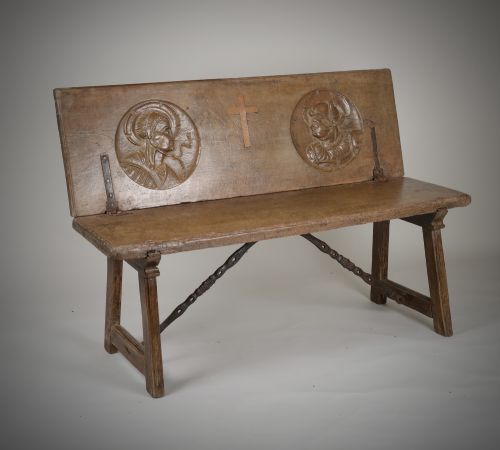
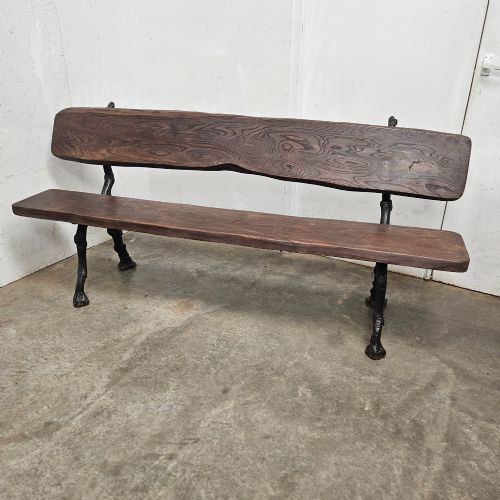
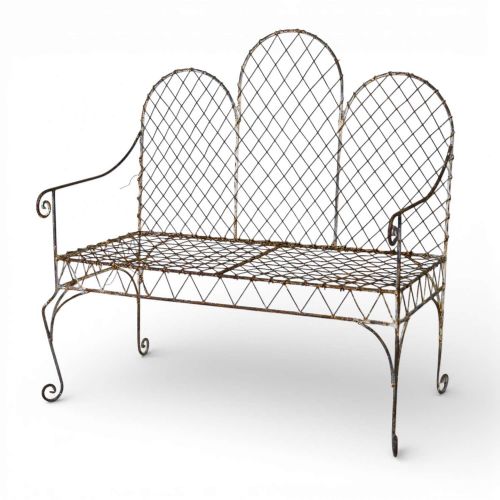
Beyond standard seating, the broader category encompasses rustic variations like faux bois patterns mimicking natural wood, intricate wirework arbours, and functional hybrids that bridge the gap between interior furniture and hardy outdoor utility.
How they were made
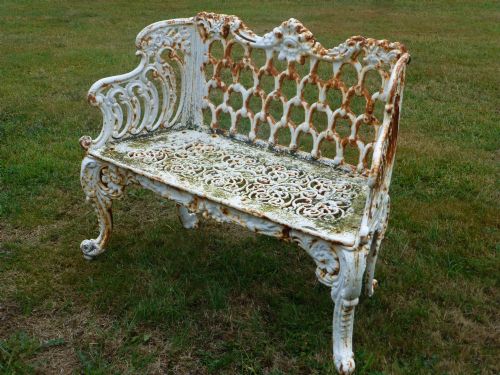
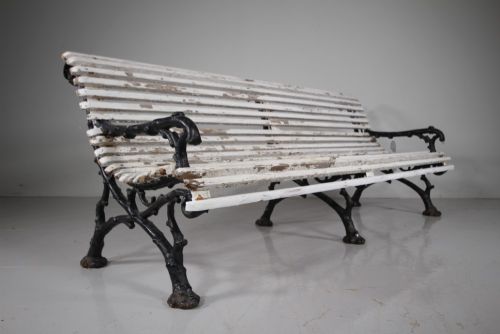
Foundries utilised molten metal poured into intricate sand moulds to create detailed cast iron bench ends featuring botanical motifs, animal masks, and gothic tracery. This method allowed for mass production of highly decorative components that were subsequently bolted to sturdy wooden slats.
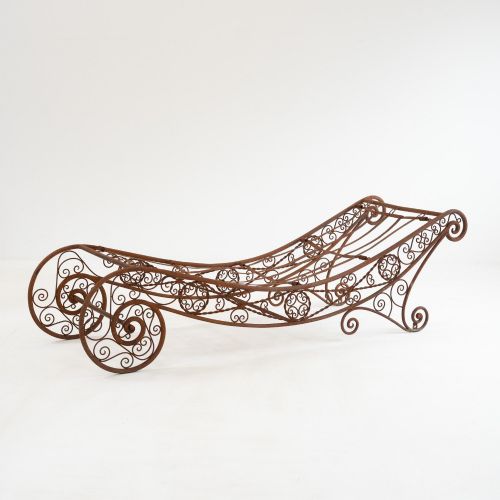
Wrought iron variants relied on blacksmiths heating and hammering bars into shape, producing supple strapwork, reeded profiles, and curved frames. These manual techniques created lighter, more resilient structures distinct from the brittle rigidity of cast alternatives.
Makers finished these metal frames with protective layers of paint, often applied over pine, oak, teak, or elm seating planks, creating a resilient union of organic and inorganic materials designed to weather outdoor conditions.
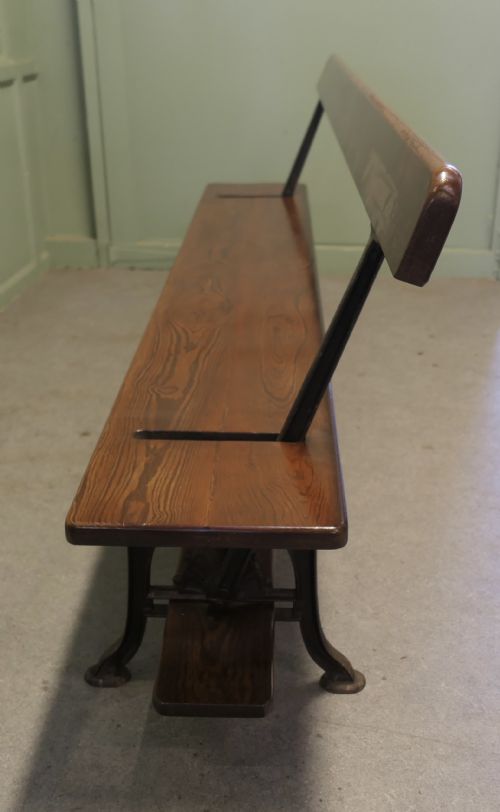
Some Victorian passengers enjoyed the novelty of flipping the seat back over on a tram bench to face the opposite direction.
What varies in quality
The crispness of the casting defines the upper tier of ironwork, where botanical details like blackberry and leaf patterns remain sharp and well-defined rather than muddy or smoothed over from worn moulds. Foundry marks and attribution to renowned makers elevate the standing of a piece significantly.
Structural integrity depends on the original joining methods and the preservation of the timber elements. Examples retaining their early or original painted surfaces without excessive pitting or heavy corrosion represent superior survival rates among outdoor furniture.
Falkirk Carron Foundry·Coalbrookdale
The Antique Iron Bench Glossary
- Cast iron
- Iron that has been melted and poured into a mould to set into a rigid shape. This technique allowed Victorian foundries to produce highly ornate, decorative bench ends featuring complex patterns.
- Wrought iron
- Iron that is heated and worked by hand with a hammer and anvil to create durable, malleable structures. It is characterised by smooth, curved strapwork rather than cast motifs.
- Faux bois
- A French decorative style meaning false wood, where metal or cement is sculpted and painted to mimic natural timber grain. This whimsical technique was popular on nineteenth-century garden seats.
- Strapwork
- Flat bands of metal arranged in geometric or interlaced patterns. Regency benches frequently utilise this technique for their lightweight yet sturdy backrests.
- Arras
- A specific style of French wirework and sheet metal garden furniture originating from the town of Arras. These pieces are noted for their distinctive construction and riveted metal frames.
Antique Iron Bench: Frequently Asked Questions
How do I date an iron bench?
Dating relies heavily on stylistic markers, construction methods, and foundry registry marks cast into the metal. Regency examples often feature light wrought iron strapwork, whilst Victorian versions tend towards heavier cast iron with botanical or gothic motifs.
Examining the fixings and the type of wood used for the slats also helps determine the era. Later twentieth-century reproductions frequently lack the crisp definition and material density found in nineteenth-century originals.
Can I leave my antique iron bench outside?
Most of these pieces were originally constructed for outdoor garden use and naturally withstand the elements well. However, historic iron benefits from periodic inspections to check for rust and moisture retention around wooden joints.
During severe winter weather, storing the bench in a sheltered porch or shed helps preserve the painted surface and underlying metal. Protecting the timber slats with appropriate treatments prevents rot and maintains the structural pairing with the iron frame.
What is the difference between cast and wrought iron?
Cast iron is poured into a mould while molten, resulting in rigid, highly detailed, and often heavy components. It offers great compressive strength but can fracture under sharp impacts.
Wrought iron is forged by hand, yielding a fibrous material that bends rather than snaps. This technique produces the slender, resilient strapwork seen on many Regency garden seats.
How were these benches originally used?
These seats served primarily as decorative and functional resting places within private Victorian gardens, parks, and grand estate grounds. Some specialised variations were utilised commercially, such as reversible tram or trolley bus benches designed for public transport.
In domestic settings, smaller versions sat in conservatories or orangery planting rooms alongside work tables and plant stands. Their placement created focal points within landscape designs, often paired with matching chairs and tables.