






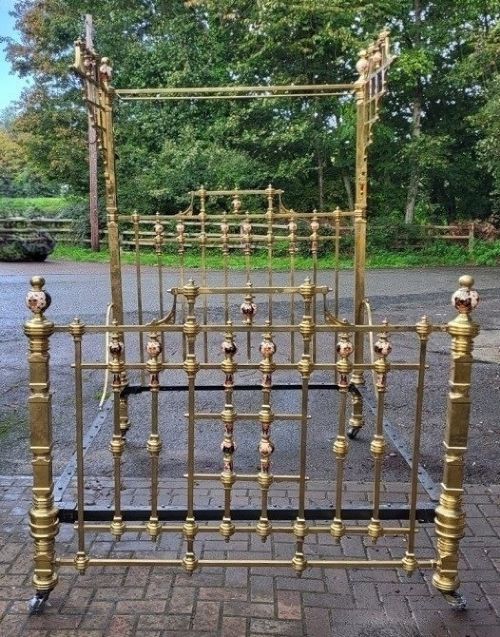

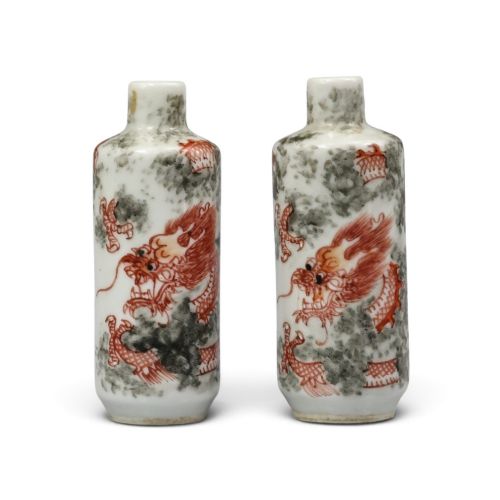
Antique Iron and Ceramic
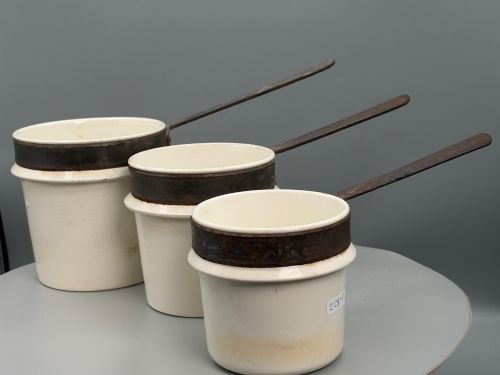
Antique iron and ceramic pieces combine utilitarian metalwork with delicate porcelain or earthenware forms for striking display.
Antique Iron and Ceramic
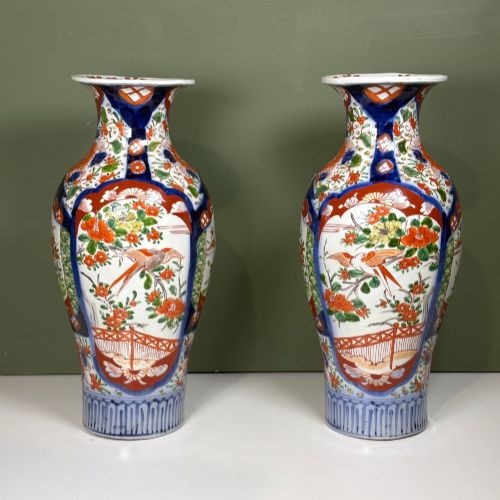
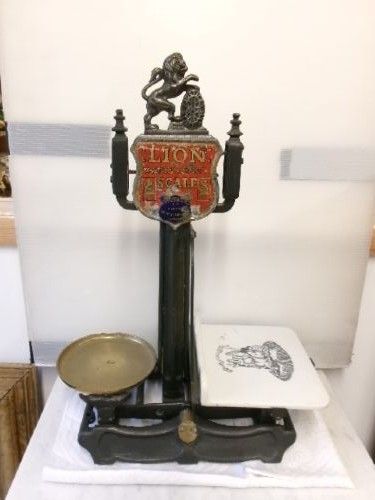
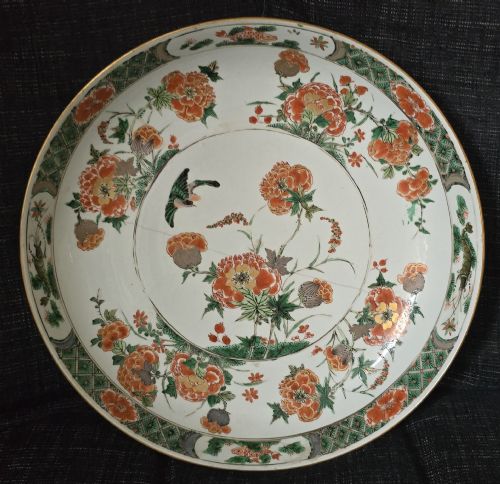
When searching for antique iron and ceramic, buyers encounter a diverse grouping of domestic metal objects paired with glazed or painted pottery and porcelain. These items range from heavy cast iron kitchen scales and stick stands to intricate Japanese Imari chargers, Chinese porcelain vessels, and Staffordshire tableware.
The objects span multiple centuries, with particular emphasis on Victorian utility metalwork alongside decorative East Asian porcelain from the Meiji and Qing periods. Domestic items such as weighing scales and stick stands sit alongside ornamental plates, bowls, and garnitures.
The domestic forms show practical metal structures combined with hard-paste porcelain, earthenware, or glazed ceramic bodies. Buyers find both functional household equipment and purely decorative display pieces originating from British workshops and Asian kilns.
How they were made
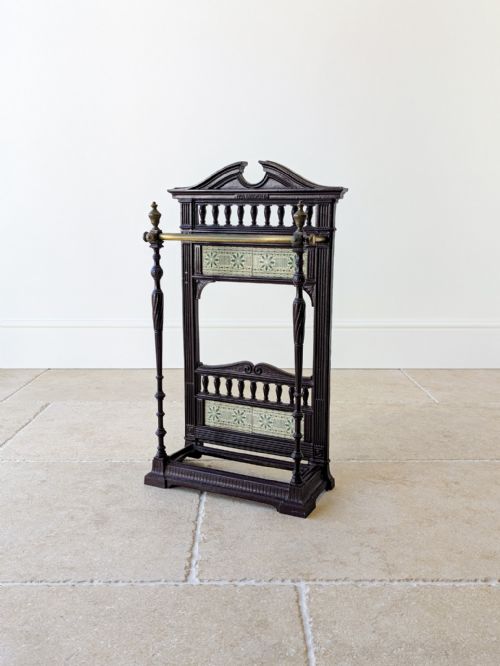
Cast iron provides the structural foundation for utilitarian pieces, shaped through traditional foundry casting into rigid frames and robust bases. This metal is frequently combined with brass elements, enamel finishes, or applied decoration to enhance its appearance.
Ceramic elements utilise clay bodies fired at high temperatures, then finished with glazes, underglaze painting, or overglaze enamels. Iron-red pigments, gilding, and gold leaf often accent the porcelain surfaces, tying the metallic and ceramic components together in unified designs.
Antique Iron and Ceramic Retail Price Guide 2026
Typical asking prices for iron and ceramic among the pieces listed under this phrase on Sellingantiques today, from the lower quarter to the upper quarter. They describe what is for sale here now, not the wider market.
Listings feature periods spanning from the seventeenth century to the twentieth century, alongside materials including porcelain, enamel, gold leaf, glaze, ceramic, gilding, brass, and overglaze enamel.
What varies in quality
The refinement of the painted and gilded surface decoration dictates much of the visual distinction in the ceramic elements. Crisp brushwork in iron-red enamels and precise application of gold leaf separate standard production items from exhibition-grade pieces.
For the ironwork, the crispness of the casting and the stability of the mechanical components establish the standard. Clean lines in cast iron frames and durable enamel or brass fittings indicate superior manufacturing execution.
The Antique Iron and Ceramic Glossary
- Imari
- A style of Japanese porcelain featuring a palette primarily of underglaze blue, iron-red, and gilt. It originated in the Edo period and became widely exported to Europe.
- Kutani
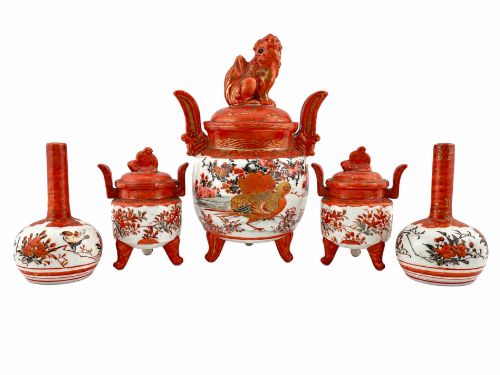
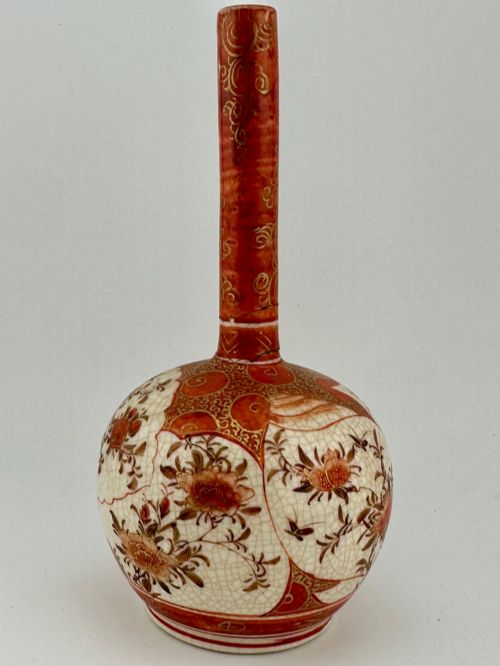
- A style of Japanese coloured porcelain known for bold pictorial designs and heavy use of iron-red and gold. Pieces often depict birds, figures, and natural landscapes.
- Garniture
- A set of matching vases or pots designed for symmetrical display on a mantelpiece or cabinet. These sets typically comprise three to five coordinating vessels.
- Cast iron
- An iron-carbon alloy poured into moulds to create rigid structural objects. It provides heavy, durable frames for nineteenth-century utility items.
- Overglaze enamel
- Pigments applied over a fired and glazed ceramic surface, requiring a second, lower-temperature firing to fuse the colours. This technique permits bright, varied palettes on porcelain.
Antique Iron and Ceramic: Frequently Asked Questions
How do I care for antique iron and ceramic?
Keep cast iron dry and lightly oiled to prevent rust formation on exposed metal surfaces. Dust porcelain and glazed ceramics gently with a soft dry cloth.
Avoid submerging ceramic pieces with delicate overglaze enamels or gold leaf in water. Handle heavy iron bases carefully to protect adjacent ceramic components.
Where were these pieces made?
The ceramic components originate largely from Japanese kilns producing Imari and Kutani wares, alongside Chinese and British potteries. Metal elements stem primarily from European foundries and British makers.
Trading routes and international exhibitions during the nineteenth century brought these diverse materials together into unified household goods and decorative sets.
What periods do these pieces date from?
The inventory spans from the seventeenth century through the Victorian era up to the early twentieth century. Eighteenth-century pieces include early Chinese and Japanese export ceramics.
Nineteenth-century examples encompass Victorian cast iron hardware and Meiji period Japanese porcelain. Edwardian and early twentieth-century items complete the chronological range.
Can I use these items daily?
Utilitarian iron items like scales and stick stands remain sturdy enough for careful modern use. Display plates and decorative garnitures are better suited for interior placement.
Older ceramics with delicate gilding or overglaze enamels risk fading or surface wear if subjected to regular washing or heavy handling.